Ingredient Guide · Woods and Mosses
Woods and Mosses Family · Perfumery Note

Woody Notes

The backbone of perfumery, from pencil shavings to creamy sandalwood.

Woody Notes are the structural base of countless perfumes, providing depth and longevity. Chemically diverse, their scent profile ranges from dry cedar to creamy sandalwood, with molecules like santalol and cedrol defining their character.

Woody Notes
Ingredient Profile

Woody Notes

Woods and Mosses Family
Family Woods and Mosses
Note Position Heart Note
Usage Level 10–30% of Blend
Key Origins India, Australia, Haiti
Iconic In Chanel Antaeus, Terre d’Hermès
The Ingredient

What does Woody Notes smell like and why are they foundational in perfumery?

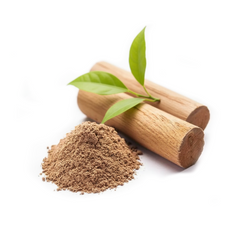
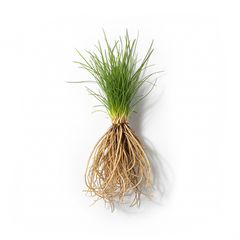
Woody notes in perfumery are an umbrella term for olfactory impressions derived from woods, roots, and select aromatic plants. The scent profile is highly nuanced: cedarwood imparts a dry, pencil-shaving aroma dominated by cedrol and thujopsene; sandalwood is creamy and lactonic, rich in santalol; vetiver, though botanically a grass, contributes a smoky, earthy, rooty facet due to vetiverol and khusimol. Patchouli, a bush, adds a deep, slightly sweet, earthy undertone from patchoulol. These molecules interact with each other and with other fragrance components to create a spectrum from crisp and clean to resinous and smoky. In perfumery, woody notes are most often used as base notes, providing structure and longevity. Typical concentrations range from 10–30% of a composition, but can be higher in woody soliflores or minimalist blends. Woody notes have low volatility, meaning they evaporate slowly and persist on skin for hours. Their molecular weight and fixative properties allow them to anchor more volatile top and heart notes, ensuring a balanced olfactory evolution. On skin, woody notes can interact with individual pH and sebum levels, sometimes amplifying creamy facets or emphasizing dryness, depending on the wearer’s chemistry. Woody notes in perfumery are exemplified by landmark fragrances such as Le Labo Santal 33 (2011, Frank Voelkl), where synthetic sandalwood (Javanol, Polysantol) is paired with iris and cardamom, and Chanel Bleu de Chanel (2010, Jacques Polge), which uses cedar, sandalwood, and vetiver to create a modern, versatile woody base. These compositions demonstrate the versatility and foundational importance of woody notes in both classic and contemporary perfumery.

8–12 Hours
Woody notes, especially sandalwood and vetiver, can persist on skin for up to 12 hours due to their low volatility and high molecular weight.
10–30% of Blend
Typical concentration of woody notes in a fragrance composition, providing structure and fixative properties without overpowering other notes.
$50–8,000/kg
Cost range for woody ingredients: synthetic molecules like Iso E Super are $50–200/kg, while natural sandalwood oil can reach $8,000/kg depending on origin and purity.
Origin & Extraction

Where Woody Notes Comes From — Origin & Extraction

The scent character of woody notes is shaped by geography: soil, climate, and harvesting practices all influence the olfactory profile of sandalwood, cedar, vetiver, and patchouli.

Woody notes are derived from a range of botanical sources, primarily trees (e.g., Santalum album for sandalwood, Cedrus atlantica for cedarwood), but also from roots (Chrysopogon zizanioides for vetiver) and shrubs (Pogostemon cablin for patchouli). Major producing countries include India (sandalwood, historically Mysore region, now also Australia for Santalum spicatum), the United States and Morocco (cedarwood), Haiti and Indonesia (vetiver), and Indonesia and India (patchouli). For example, India’s sandalwood oil production has declined due to overharvesting, with Australia now supplying over 60% of global Santalum album oil. Extraction methods vary by material: steam distillation is standard for cedarwood, sandalwood, vetiver, and patchouli, typically at 100–120°C for 8–24 hours, yielding 2–5% essential oil by weight. Solvent extraction is used for delicate or resinous woods, producing absolutes with higher olfactory fidelity. CO2 extraction is increasingly used for sustainability and lower thermal degradation. Natural sandalwood oil can command prices of $3,000–8,000/kg, while synthetic sandalwood molecules (e.g., Javanol, CAS 198404-98-7) cost $50–200/kg. Sustainability is a major concern: overharvesting of Mysore sandalwood led to CITES restrictions, and many perfumers now use plantation-grown or synthetic alternatives to reduce ecological impact.

IN

India

Mysore, Karnataka is famed for Santalum album (sandalwood), producing oil with high santalol content and creamy, rich aroma. Overharvesting has led to strict controls and reduced output to less than 10% of global supply.

AU

Australia

Western Australia cultivates Santalum spicatum and Santalum album, now supplying over 60% of the world’s sandalwood oil. The region’s arid climate yields oil with a slightly drier, spicier profile.

HT

Haiti

Les Cayes region is the primary source of vetiver (Chrysopogon zizanioides), producing over 50% of global vetiver oil. The mineral-rich soil imparts a smoky, earthy, intensely rooty scent.

US

United States

Texas and Virginia are major producers of Juniperus virginiana (cedarwood). The oil is dry, pencil-shaving fresh, and high in cedrol, with annual production exceeding 500 metric tons.

Chemistry

Natural vs Synthetic Woody Notes in Perfumery

Modern perfumery relies on both natural extracts and synthetic aroma chemicals to create woody notes. Key synthetic molecules include Iso E Super (CAS 54464-57-2), prized for its transparent, cedar-like, skin-musk effect; Javanol (CAS 198404-98-7), which mimics the creamy, lactonic aspects of sandalwood; and Cashmeran (CAS 33704-61-9), a musky, woody, slightly spicy compound with excellent diffusion. Synthetics offer batch-to-batch consistency, greater sustainability, and lower cost compared to natural oils, which can vary due to climate and soil conditions. For example, natural sandalwood oil is increasingly rare and expensive, while Javanol and Polysantol provide a sustainable, IFRA-compliant alternative with similar olfactory impact. Performance-wise, synthetics often have greater stability, longevity, and projection, especially in modern compositions like Molecule 01 (Escentric Molecules, 2006, Geza Schoen), which is almost pure Iso E Super. Many iconic fragrances, such as Santal 33 and Bleu de Chanel, blend both natural and synthetic woody notes for complexity and performance. The HumanSafe™ platform at CA Perfume ensures full transparency and IFRA compliance for all woody ingredients, whether natural or synthetic, supporting both safety and sustainability throughout the supply chain.

Natural
Woody Notes Absolute
Cost $3,000–6,000/kg
Method Solvent / CO₂
Character Complex, variable
vs
Synthetic
Safranal & Analogues
Cost $50–200/kg
Method Lab synthesis
Character Consistent, stable
Hall of Fame

Famous Fragrances That Define Woody Notes in Perfumery

1981
dominant note

Chanel Antaeus

Chanel
by Jacques Polge
leathermosslabdanum
2006
bridge note

Terre d’Hermès

Hermès
by Jean-Claude Ellena
orangemineral notesbenzoin
2011
dominant note

Le Labo Santal 33

Le Labo
by Frank Voelkl
iriscardamomleather
2010
supporting note

Bleu de Chanel

Chanel
by Jacques Polge
citrusincenseginger
2007
accent

Tom Ford Oud Wood

Tom Ford
by Richard Herpin
cardamomtonka beanamber

Woody notes have anchored some of the most influential fragrances in modern perfumery. In 1981, Chanel Antaeus (Jacques Polge) used a powerful cedar and sandalwood base to create a new masculine archetype. Terre d’Hermès (2006, Jean-Claude Ellena) is renowned for its mineral vetiver and cedarwood accord, blending natural vetiver oil from Haiti with synthetic Iso E Super for a transparent, earthy effect. Le Labo Santal 33 (2011, Frank Voelkl) redefined sandalwood in niche perfumery, using Javanol and Polysantol to create a creamy, long-lasting signature. Bleu de Chanel (2010, Jacques Polge) combines sandalwood, cedar, and vetiver with citrus and incense, making it a benchmark for modern woody-aromatic scents. Tom Ford Oud Wood (2007, Richard Herpin) brought agarwood (oud) into the mainstream, pairing it with sandalwood, vetiver, and cardamom for a luxurious, resinous base. These fragrances demonstrate the versatility of woody notes as dominant, bridge, or accent notes, often paired with florals, spices, or resins. CA Perfume’s collection draws inspiration from these milestones, offering a range of woody compositions that reflect both tradition and innovation.

The Accord

How is a captivating Woody Notes accord crafted?

A classic woody accord balances dry, creamy, and earthy facets. Sandalwood (25–30%) provides lactonic, creamy depth via santalol; cedarwood (20–25%) adds dryness and structure through cedrol; vetiver (20–25%) introduces smoky, rooty complexity with vetiverol; patchouli (20–25%) imparts earthy, slightly sweet undertones from patchoulol. These proportions allow for a nuanced, long-lasting woody foundation in perfumery.

30%

Sandalwood

25–30% of blend

Rich in santalol, sandalwood delivers creamy, lactonic warmth and fixative power, essential for a smooth woody accord.

25%

Cedarwood

20–25% of blend

Cedarwood, high in cedrol and thujopsene, imparts dry, pencil-shaving freshness and enhances the accord’s structure.

25%

Vetiver

20–25% of blend

Vetiver’s vetiverol and khusimol contribute smoky, earthy, rooty nuances, adding depth and longevity to the blend.

25%

Patchouli

20–25% of blend

Patchoulol-rich patchouli brings earthy, slightly sweet facets, rounding out the accord and enhancing diffusion.

The Olfactory Layers

How Woody Notes Evolves on Skin

Woody notes evolve slowly, with top notes fading in 10–15 minutes as heavier molecules like santalol and cedrol emerge. Their low volatility ensures a gradual, persistent drydown.

I
Top notes
0–15 min
Subtle Freshness

Initial impressions are often light, with faint citrus, herbal, or aromatic notes overlaying subtle woody nuances. Any woody facets at this stage are due to lighter terpenes and sesquiterpenes, which evaporate quickly.

subtlefreshherbal
II
Heart notes
20–60 min
Creamy & Dry

As top notes dissipate, core woody molecules like cedrol, santalol, and vetiverol become prominent. The scent is creamy, dry, or earthy, depending on the wood source. These compounds have moderate volatility, ensuring persistence.

creamydryearthy
III
Base notes
Several hours
Earthy Warmth

Long-lasting base notes are dominated by high molecular weight compounds—patchoulol, khusimol, and synthetic musks—providing depth, warmth, and a lingering woody signature that can persist for 8+ hours.

persistentwarmresinous
TOP NOTES Subtle Freshness 0–15 minutes HEART NOTES Creamy & Dry 20–60 minutes BASE NOTES Earthy Warmth Several hours
Through the Ages

The Story of Woody Notes in Perfumery

Woody notes have been central to perfumery from ancient incense to modern niche icons, evolving with extraction technology and sustainability concerns.

Antiquity

Sacred Woods in Rituals

Ancient Egyptians and Mesopotamians burned cedar and sandalwood in religious ceremonies, valuing their aromatic resins for both fragrance and spiritual significance.

19th Century

Steam Distillation Advances

The industrialization of steam distillation enabled large-scale extraction of sandalwood, cedarwood, and vetiver oils, expanding their use in fine perfumery.

1966

Vetiver Dominates Masculine Fragrance

Guerlain Vetiver (Jean-Paul Guerlain) popularizes vetiver as a woody base, influencing generations of men’s fragrances.

2006

Terre d’Hermès Launches

Jean-Claude Ellena’s Terre d’Hermès blends natural vetiver with Iso E Super, setting a new standard for woody-mineral compositions.

2011

Niche Sandalwood Renaissance

Le Labo Santal 33 (Frank Voelkl) uses synthetic sandalwood molecules to create a cult classic, sparking renewed interest in creamy, long-lasting woody scents.

The Art of Layering

How to Layer Woody Notes

Understanding how to layer woody notes is essential for creating a balanced, long-lasting fragrance. Molecular compatibility is key: woody notes anchor lighter florals, citruses, and gourmands, enhancing complexity and persistence.

01

Enhance Sweetness

Layering woody notes with vanilla or tonka bean creates a gourmand-woody accord. Vanillin and coumarin molecules mask the dryness of cedar or vetiver, producing a rounded, sweet-woody effect as seen in Tom Ford Oud Wood.

02

Add Depth

Pairing woody notes with florals (rose, jasmine) leverages shared aroma compounds like damascenone, creating a seamless transition from heart to base. Le Labo Santal 33 demonstrates this with iris and sandalwood.

03

Lighten the Glow

Combining woody notes with citrus (bergamot, grapefruit) uses limonene and citral to brighten the composition, while Iso E Super provides transparency. Bleu de Chanel exemplifies this molecular synergy.

Wear It Right

How to Wear Woody Notes Like a Pro

Seasonal Guide

Fall & Winter

Cooler temperatures suppress volatility, allowing woody notes to linger and develop slowly. Apply to pulse points under clothing for a warm, enveloping effect. Creamy sandalwood and smoky vetiver are especially suited to cold weather.

Spring

Moderate temperatures allow woody notes to balance freshness and warmth. Pair with floral or citrus top notes for a versatile, uplifting scent. Apply lightly to avoid overwhelming lighter spring compositions.

Summer

Heat increases evaporation, intensifying projection but shortening longevity. Use lighter woody blends (e.g., cedar, Iso E Super) and apply sparingly to avoid cloying effects. Layer with citrus or aquatic notes for freshness.

Year-Round Tip

Adjust application based on climate and activity. In humid conditions, woody notes may become earthier; in dry air, they can feel cleaner and more transparent. Test on skin before committing to a full application.

Application Points

Strategic application enhances woody notes’ longevity and evolution.

1

Neck

Pulse points on the neck radiate heat, accelerating the release of top notes and allowing woody base notes to emerge gradually over several hours.

2

Behind the Ears

This area is slightly cooler, slowing evaporation and helping woody notes persist. Ideal for maximizing the creamy, musky facets of sandalwood and patchouli.

3

Inner Wrists

Frequent movement and warmth from the wrists enhance diffusion, allowing the full spectrum of woody molecules to unfold with each gesture.

4

Hair

Spraying on hair provides a slow, sustained release of woody notes, as the fibers trap heavier molecules like santalol and patchoulol for extended wear.

Pro Tip

Layer woody fragrances with a neutral, unscented moisturizer to improve adhesion and extend longevity, especially in dry climates.

Mood Architecture™

Top Woody Notes Fragrances by Mood Score

These Woody Notes-based fragrances scored highest on the MEI™ Mood Architecture Framework — measuring how a scent may influence your emotional state.

Highest MEI Score
Noir Extreme — Tom Ford Noir Extreme Alternative Cologne
8.39
MEI™
Primary Romantic
Secondary Confident
Confidence
8.24
Presence
7.55
Mood Lift
8.93
Identity
7.5
Warmth
9.5
Social Ease
8.54
Energy
3.6
" I am beautiful.
View full mood profile →
Emblem Intense — Mont Blanc Emblem Intense Alternative Cologne
8.33
MEI™
Primary Romantic
Secondary Confident
Confidence
7.99
Presence
8.23
Mood Lift
8.91
Identity
8.01
Warmth
9.41
Social Ease
8.03
Energy
4.5
" I am beautiful.
View full mood profile →
Sisi Intense — Si Intense Alternative Perfume
8.03
MEI™
Primary Romantic
Secondary Confident
Confidence
7.49
Presence
8.09
Mood Lift
8.52
Identity
7.96
Warmth
9.34
Social Ease
8.03
Energy
3.3
" I am beautiful.
View full mood profile →
Delina Exclusif — Parfums De Marly Delina Exclusif Alternative Perfume
7.6
MEI™
Primary Romantic
Secondary Confident
Confidence
6.86
Presence
7.08
Mood Lift
8.37
Identity
7.45
Warmth
8.67
Social Ease
8.0
Energy
3.0
" I am beautiful.
View full mood profile →
HumanSafe™

Top Woody Notes Fragrances by HumanSafe™ Score

These Woody Notes-based fragrances have the highest product-level HumanSafe™ scores in this ingredient collection.

Highest HumanSafe™ Score
White Patchouli — Tom Ford White Patchouli Alternative Perfume
A-
HumanSafe™ Score Generally Safe
Safest Evaluated Ingredients EDP
AQUA Solvent / Carrier ISS 10.0
BENZYL SALICYLATE Evaluated ingredient ISS 9.0
LINALYL ACETATE Evaluated ingredient ISS 7.0
LINALOOL Evaluated ingredient ISS 7.0
CITRONELLOL Evaluated ingredient ISS 7.0
View full safety profile →
Vinaigre — Diptyque Vinaigre Alternative Perfume
A-
HumanSafe™ Score Generally Safe
Safest Evaluated Ingredients EDP
AQUA Solvent / Carrier ISS 10.0
ACETIC ACID, PHENYLMETHYL ESTER Evaluated ingredient ISS 10.0
2-OXABICYCLO[2.2.2]OCTANE, 1,3,3-TRIMETHYL- Evaluated ingredient ISS 9.0
CITRAL Evaluated ingredient ISS 8.0
2H-1-BENZOPYRAN-2-ONE Evaluated ingredient ISS 8.0
LINALYL ACETATE Evaluated ingredient ISS 7.0
View full safety profile →
Une Rose — Frederic Malle Une Rose Alternative Perfume
A-
HumanSafe™ Score Generally Safe
Safest Evaluated Ingredients EDP
AQUA Solvent / Carrier ISS 10.0
ACETIC ACID, PHENYLMETHYL ESTER Evaluated ingredient ISS 10.0
3-BUTEN-2-ONE, 4-(2,6,6-TRIMETHYL-2-CYCLOHEXEN-1- Evaluated ingredient ISS 9.0
1H-3A,7-METHANOAZULEN-6-OL, OCTAHYDRO-3,6,8,8- Evaluated ingredient ISS 9.0
CITRONELLOL Evaluated ingredient ISS 7.0
View full safety profile →
Tygar Le Gemme — Bvlgari Tygar Le Gemme Alternative Cologne
A-
HumanSafe™ Score Generally Safe
Safest Evaluated Ingredients EDP
AQUA Solvent / Carrier ISS 10.0
AMBROXIDE Evaluated ingredient ISS 9.0
2H-1-BENZOPYRAN-2-ONE Evaluated ingredient ISS 8.0
LINALYL ACETATE Evaluated ingredient ISS 7.0
LINALOOL Evaluated ingredient ISS 7.0
View full safety profile →
Expert Voices

What Masters Say About Woody Notes

Woody notes are the backbone of perfumery, providing structure, depth, and longevity to a composition.
CA Perfume Editorial
The most iconic are sandalwood, which brings a creamy, almost skin-like softness; cedarwood, which adds structure and clarity; vetiver, with its dry, smoky, earthy character.
Frank Voelkl, Perfumer
Common Questions

Frequently Asked Questions

Frequently asked questions about woody notes in perfumery.

Woody notes in perfume evoke the scent of dry woods, creamy sandalwood, and earthy roots. Cedarwood imparts a pencil-shaving freshness, sandalwood delivers a smooth, lactonic warmth, and vetiver adds smoky, rooty depth. Patchouli brings a slightly sweet, earthy undertone. These notes are typically long-lasting and form the structural base of many fragrances, providing both persistence and complexity.

Woody notes are almost always used as base notes in fragrance compositions. Their low volatility and high molecular weight mean they evaporate slowly, anchoring the scent and providing longevity. While lighter woods like cedar can appear in the heart, most woody notes are designed to persist for hours as the foundation of the fragrance.

Woody notes are favored in niche perfumery for their versatility, complexity, and ability to anchor experimental compositions. They provide a stable, long-lasting base that supports a wide range of top and heart notes, allowing perfumers to explore unconventional blends while maintaining structure and wearability.

Woody notes fragrance uses include pairing with florals (rose, jasmine), gourmands (vanilla, tonka bean), spices (cardamom, pepper), and citruses (bergamot, grapefruit). These combinations create balanced, multidimensional scents that highlight both the depth of woods and the brightness of complementary notes.

Woody notes can be worn year-round, but lighter woody blends—especially those featuring cedar, Iso E Super, or citrus—are best for summer. In hot weather, these notes project more strongly due to increased volatility, so apply sparingly and consider layering with fresher top notes for balance.

Woody notes are renowned for their longevity, often persisting 8–12 hours or more on skin. This is due to the low volatility of core molecules like santalol, cedrol, and patchoulol, which evaporate slowly and provide a persistent base.

Yes, woody notes are ideal for layering due to their fixative properties and molecular compatibility. They anchor lighter florals, citruses, and gourmands, enhancing both complexity and longevity. For best results, apply woody fragrances first and layer brighter or sweeter notes on top.

Beginner-friendly woody perfumes include Terre d’Hermès (Hermès), Bleu de Chanel (Chanel), and Le Labo Santal 33. These fragrances balance woody depth with accessible top notes, providing a versatile introduction to the woody family.

Explore CA Perfume’s collection by considering your preferred woody sub-family: creamy sandalwood, dry cedar, smoky vetiver, or earthy patchouli. Sample sets and detailed scent descriptions can help you find a woody fragrance that matches your personal style and skin chemistry.

Woody notes can range from dry and clean (cedarwood, Iso E Super) to smoky and earthy (vetiver, patchouli). The overall impression depends on the specific woods used and their concentration within the composition. Many modern woody fragrances balance both facets for a nuanced, multidimensional scent.

Woods and Mosses Collection

Explore Our Top Woody Notes Fragrances

Discover CA Perfume’s best-selling woody fragrances, featuring sandalwood, cedar, vetiver, and patchouli in expertly crafted blends.

Shop all woody notes fragrances at CA Perfume →

Where Woody Notes Comes From — Origin & Extraction

Woody notes are derived from a range of botanical sources, primarily trees (e.g., Santalum album for sandalwood, Cedrus atlantica for cedarwood), but also from roots (Chrysopogon zizanioides for vetiver) and shrubs (Pogostemon cablin for patchouli). Major producing countries include India (sandalwood, historically Mysore region, now also Australia for Santalum spicatum), the United States and Morocco (cedarwood), Haiti and Indonesia (vetiver), and Indonesia and India (patchouli). For example, India’s sandalwood oil production has declined due to overharvesting, with Australia now supplying over 60% of global Santalum album oil. Extraction methods vary by material: steam distillation is standard for cedarwood, sandalwood, vetiver, and patchouli, typically at 100–120°C for 8–24 hours, yielding 2–5% essential oil by weight. Solvent extraction is used for delicate or resinous woods, producing absolutes with higher olfactory fidelity. CO2 extraction is increasingly used for sustainability and lower thermal degradation. Natural sandalwood oil can command prices of $3,000–8,000/kg, while synthetic sandalwood molecules (e.g., Javanol, CAS 198404-98-7) cost $50–200/kg. Sustainability is a major concern: overharvesting of Mysore sandalwood led to CITES restrictions, and many perfumers now use plantation-grown or synthetic alternatives to reduce ecological impact.

Famous Fragrances That Define Woody Notes in Perfumery

Woody notes have anchored some of the most influential fragrances in modern perfumery. In 1981, Chanel Antaeus (Jacques Polge) used a powerful cedar and sandalwood base to create a new masculine archetype. Terre d’Hermès (2006, Jean-Claude Ellena) is renowned for its mineral vetiver and cedarwood accord, blending natural vetiver oil from Haiti with synthetic Iso E Super for a transparent, earthy effect. Le Labo Santal 33 (2011, Frank Voelkl) redefined sandalwood in niche perfumery, using Javanol and Polysantol to create a creamy, long-lasting signature. Bleu de Chanel (2010, Jacques Polge) combines sandalwood, cedar, and vetiver with citrus and incense, making it a benchmark for modern woody-aromatic scents. Tom Ford Oud Wood (2007, Richard Herpin) brought agarwood (oud) into the mainstream, pairing it with sandalwood, vetiver, and cardamom for a luxurious, resinous base. These fragrances demonstrate the versatility of woody notes as dominant, bridge, or accent notes, often paired with florals, spices, or resins. CA Perfume’s collection draws inspiration from these milestones, offering a range of woody compositions that reflect both tradition and innovation.

Natural vs Synthetic Woody Notes in Perfumery

Modern perfumery relies on both natural extracts and synthetic aroma chemicals to create woody notes. Key synthetic molecules include Iso E Super (CAS 54464-57-2), prized for its transparent, cedar-like, skin-musk effect; Javanol (CAS 198404-98-7), which mimics the creamy, lactonic aspects of sandalwood; and Cashmeran (CAS 33704-61-9), a musky, woody, slightly spicy compound with excellent diffusion. Synthetics offer batch-to-batch consistency, greater sustainability, and lower cost compared to natural oils, which can vary due to climate and soil conditions. For example, natural sandalwood oil is increasingly rare and expensive, while Javanol and Polysantol provide a sustainable, IFRA-compliant alternative with similar olfactory impact. Performance-wise, synthetics often have greater stability, longevity, and projection, especially in modern compositions like Molecule 01 (Escentric Molecules, 2006, Geza Schoen), which is almost pure Iso E Super. Many iconic fragrances, such as Santal 33 and Bleu de Chanel, blend both natural and synthetic woody notes for complexity and performance. The HumanSafe™ platform at CA Perfume ensures full transparency and IFRA compliance for all woody ingredients, whether natural or synthetic, supporting both safety and sustainability throughout the supply chain.