Ingredient Guide · Greens, Herbs and Fougeres
Greens, Herbs and Fougeres Family · Perfumery Note

Green Notes

The scent of snapped leaves, dew, and living stems in perfumery.

Green notes in perfumery evoke the aroma of fresh-cut grass, crushed leaves, and living stems, typically as top or heart notes. Their defining character is shaped by molecules like cis-3-hexenol, which imparts a raw, grassy freshness even at concentrations below 1%.

Green Notes
Ingredient Profile

Green Notes

Greens, Herbs and Fougeres Family
Family Greens, Herbs and Fougeres
Note Position Heart Note
Usage Level <1%
Key Origins Iran, France, Turkey
Iconic In Vent Vert, No. 19
The Ingredient

What does Green Notes smell like and why are they essential in perfumery?

Green notes in perfumery are defined by their crisp, dewy, and distinctly vegetal scent profile, reminiscent of freshly cut grass, snapped stems, and crushed leaves. The core molecular identity of green notes is built around cis-3-hexenol (leaf alcohol, CAS 928-96-1), which imparts a sharp, grassy aroma, and galbanum essential oil, rich in (3E,5Z)-undeca-1,3,5-triene and 2-isobutyl-3-methoxypyrazine. These compounds, along with others like cis-3-hexenyl acetate and allyl amyl glycolate, create a spectrum ranging from bitter and sappy to watery and slightly metallic. The result is a scent profile that is clean, natural, and evocative of living plants, with subtle nuances of cucumber, violet leaf, and even blackcurrant bud. In perfumery, green notes are most often classified as top or heart notes due to their moderate volatility—lasting longer than citrus but dissipating before heavier woods or resins. Typical concentrations in fine fragrance range from 0.1% for potent materials like galbanum to 1–3% for more diffuse green accords. Green notes interact with skin chemistry by amplifying freshness and clarity, but their delicate molecules are sensitive to pH and body heat, which can shift their character from crisp and grassy to slightly earthy or even metallic on different wearers. Green notes in perfumery have defined several landmark fragrances. Pierre Balmain’s Vent Vert (1947, Germaine Cellier) is considered the archetype, using an overdose of galbanum for an intense, almost abrasive green opening. Chanel No. 19 (1970, Henri Robert) pairs galbanum with iris and vetiver for a sophisticated, powdery-green signature. More contemporary examples include Diptyque Philosykos (1996, Olivia Giacobetti), which uses fig leaf and Stemone for a milky-green effect, and Byredo La Tulipe (2010, Jérôme Epinette), where green notes accentuate the floral heart. These fragrances demonstrate the versatility and enduring appeal of the green notes scent profile.

<1%
Typical concentration of potent green molecules like galbanum or cis-3-hexenol in fine fragrance formulas, as higher levels can overwhelm the composition.
2–3 Hours
Average longevity of the green notes accord in EDP format before the scent transitions to heart and base notes, due to the volatility of key molecules.
$50–10,000/kg
Cost range for green note materials: synthetic cis-3-hexenol at $50–100/kg, natural galbanum oil at $500–1,500/kg, and blackcurrant bud absolute at $8,000–12,000/kg.
Origin & Extraction

Where Green Notes Comes From — Origin & Extraction

The character of green notes is shaped by the origin of their natural components and the precision of their synthetic analogs. Soil composition, climate, and regional extraction methods all influence the final olfactory profile.

Green notes are a perfumery construct, composed from both natural extracts and synthetic molecules to recreate the scent of living vegetation. Key natural sources include galbanum (Ferula galbaniflua), a resinous plant native to Iran, Afghanistan, and Turkey, and blackcurrant bud absolute (Ribes nigrum), primarily produced in Burgundy, France. Galbanum resin is harvested by incising the plant’s roots, yielding a milky gum that is steam-distilled (at 100–120°C) to produce an essential oil with a yield of 5–8%. Blackcurrant buds are solvent-extracted to obtain an absolute, with yields as low as 0.1–0.2%, making it one of the most expensive green materials at $8,000–12,000/kg. However, most green notes in modern perfumery are synthesized. Cis-3-hexenol (leaf alcohol) is produced via catalytic hydrogenation of unsaturated aldehydes, while cis-3-hexenyl acetate is synthesized by esterification. Other important synthetics include Stemone (minty-fig, CAS 106-70-7), allyl amyl glycolate (pineapple-green, CAS 67634-00-8), and glycolierral (grapefruit-green, CAS 1205-17-0). Synthetic green notes are favored for their stability, consistency, and lower cost—cis-3-hexenol is available at $50–100/kg, compared to galbanum oil at $500–1,500/kg. Sustainability is a key concern: overharvesting of galbanum and blackcurrant can impact local ecosystems, while synthetics offer a more reliable and environmentally friendly alternative. The discovery of cis-3-hexenol in the 1940s revolutionized green perfumery, enabling the precise recreation of fresh-cut grass and leafy accords. Today, green notes are crafted through a blend of natural and synthetic materials, balancing cost, performance, and environmental impact.

IR

Iran

The Zagros Mountains region produces over 60% of the world’s galbanum resin. The arid climate and mineral-rich soils yield a galbanum with pronounced bitterness and sappy intensity, prized for its use in high-end perfumery.

FR

France

Burgundy is the primary source of blackcurrant bud absolute. The region’s cool, temperate climate and careful hand-harvesting yield an absolute with a nuanced, fruity-green aroma, though production is limited to a few hundred kilograms annually.

TR

Turkey

Eastern Anatolia supplies galbanum and mastic resins. The higher altitude and cooler temperatures result in a slightly softer, less bitter galbanum profile, often used for blending in modern green accords.

ZA

South Africa

The Western Cape is known for Buchu, a native shrub with an intensely herbal, green aroma. Buchu absolute is used sparingly for its sharp, minty-green effect, contributing to niche green compositions.

Chemistry

Natural vs Synthetic Green Notes in Perfumery

Natural green notes are derived from botanicals such as galbanum resin, violet leaf absolute, blackcurrant bud, and mastic. These materials are complex mixtures, each containing dozens of volatile compounds—galbanum, for example, is rich in (3E,5Z)-undeca-1,3,5-triene and galbazine, while violet leaf absolute contains ionones and nonadienal. However, natural green extracts are costly, variable in quality, and often unstable, with rapid oxidation and batch-to-batch differences. Synthetic green notes, by contrast, are built from well-defined molecules such as cis-3-hexenol (CAS 928-96-1), cis-3-hexenyl acetate (CAS 3681-71-8), and Stemone (CAS 106-70-7). These compounds offer greater stability, longevity, and olfactory precision. For example, cis-3-hexenol provides the archetypal fresh-cut grass aroma, while Stemone imparts a fig-leaf effect. Synthetics are also more sustainable, with lower environmental impact and consistent supply chains. Cost differentials are significant: natural blackcurrant bud absolute can exceed $10,000/kg, while synthetic green molecules are typically $50–200/kg. Famous fragrances illustrate both approaches: Chanel No. 19 and Balmain Vent Vert use natural galbanum, while Diptyque Philosykos and Byredo La Tulipe rely heavily on synthetic green molecules. CA Perfume utilizes the HumanSafe™ platform to ensure transparency in sourcing, favoring sustainable synthetics when possible and clearly labeling any use of natural absolutes. This approach balances authenticity, safety, and environmental responsibility.

Natural
Green Notes Absolute
Cost $3,000–6,000/kg
Method Solvent / CO₂
Character Complex, variable
vs
Synthetic
Safranal & Analogues
Cost $50–200/kg
Method Lab synthesis
Character Consistent, stable
Hall of Fame

Famous Fragrances That Define Green Notes in Perfumery

1947
dominant note

Vent Vert

Pierre Balmain
by Germaine Cellier
galbanumbasilhyacinthcitrus
1970
dominant note

No. 19

Chanel
by Henri Robert
galbanumirisvetiverrose
1972
bridge note

Alliage

Estée Lauder
by Francis Camail & Bernard Chant
galbanumoakmosscitrusherbs
1996
dominant note

Philosykos

Diptyque
by Olivia Giacobetti
fig leafcoconutcedarwood
2010
dominant note

Untitled

Maison Martin Margiela
by Daniela Andrier
galbanummasticincensejasmine
1995
accent

Pleasures

Estée Lauder
by Alberto Morillas & Annie Buzantian
lilypeonyviolet leaf

Green notes have shaped some of the most iconic fragrances in modern perfumery. The pioneering use of galbanum in Pierre Balmain’s Vent Vert (1947, Germaine Cellier) marked the first overdose of a green note, creating a sharp, vegetal signature that redefined the postwar olfactory landscape. Chanel No. 19 (1970, Henri Robert) followed, blending galbanum with iris and vetiver for a refined, powdery-green effect that remains a reference for the genre. In the 1970s and 1980s, green notes became central to the chypre and floral-green families. Estée Lauder’s Alliage (1972, Francis Camail & Bernard Chant) and Miss Dior Original (1947, Jean Carles & Paul Vacher) both feature prominent green accords. The 1990s saw a softer, more transparent interpretation in Estée Lauder Pleasures (1995, Alberto Morillas & Annie Buzantian), where green notes accentuate the floral heart. In niche perfumery, Diptyque Philosykos (1996, Olivia Giacobetti) uses fig leaf and Stemone for a milky-green signature, while Maison Martin Margiela Untitled (2010, Daniela Andrier) modernizes the green accord with galbanum and mastic. Recent launches such as Byredo La Tulipe (2010, Jérôme Epinette) and Hermès H24 Herbes Vives (2024, Christine Nagel) continue to explore the versatility of green notes, pairing them with florals, woods, and musks. CA Perfume’s collection draws inspiration from this lineage, offering green note compositions that balance classic structure with contemporary freshness.

The Accord

How is a captivating Green Notes accord crafted?

A green notes accord is typically constructed from a blend of 20–25% galbanum (for bitter, sappy greenness), 20–25% violet leaf absolute (watery, dewy facets), 25–30% cis-3-hexenol (fresh-cut grass), and 25–30% blackcurrant bud absolute (fruity-green, sulfurous nuance). Each component is selected for its molecular contribution: galbanum for intensity, violet leaf for watery clarity, cis-3-hexenol for raw freshness, and blackcurrant bud for complexity and lift.

25%

Galbanum

20–25% of blend

Galbanum essential oil provides a bitter, sappy, and resinous green effect, rich in (3E,5Z)-undeca-1,3,5-triene, anchoring the accord with vegetal intensity.

25%

Violet Leaf Absolute

20–25% of blend

Violet leaf absolute introduces watery, dewy, and slightly metallic facets, thanks to nonadienal and ionones, enhancing the accord’s realism and fluidity.

30%

Cis-3-Hexenol

25–30% of blend

Cis-3-hexenol, or leaf alcohol, imparts the unmistakable aroma of freshly cut grass, providing a raw, uplifting freshness that defines the green notes character.

30%

Blackcurrant Bud Absolute

25–30% of blend

Blackcurrant bud absolute adds a fruity-green, sulfurous nuance via 4-methoxy-2-methyl-2-butanethiol, giving the accord lift and a naturalistic edge.

The Olfactory Layers

How Green Notes Evolves on Skin

Green notes unfold rapidly, with volatile molecules like cis-3-hexenol and galbanum esters dominating the first 15 minutes. As these evaporate, more persistent components such as violet leaf and blackcurrant bud emerge, before the green facets fade into woody or musky bases.

I
Top notes
0–15 min
Crushed Grass Burst

The opening is dominated by high-volatility molecules—cis-3-hexenol, cis-3-hexenyl acetate, and galbanum esters—delivering an immediate burst of grassy, leafy freshness. This stage is intensely crisp and dewy, evoking the sensation of crushed stems and fresh-cut grass.

crispgrassydewy
II
Heart notes
20–60 min
Leafy Dew

As the top notes dissipate, violet leaf absolute and blackcurrant bud absolute take center stage. These molecules are less volatile, imparting a watery, slightly metallic, and fruity-green nuance that lingers and melds with floral or herbal companions.

wateryleafyfruity-green
III
Base notes
Several hours
Earthy Softness

Green notes are typically fleeting, but traces of galbanum and mastic resin persist, blending into woody, mossy, or musky bases. The drydown is subtle, earthy, and softly vegetal, with faint remnants of the initial green signature.

earthysubtlevegetal
TOP NOTES Crushed Grass Burst 0–15 minutes HEART NOTES Leafy Dew 20–60 minutes BASE NOTES Earthy Softness Several hours
Through the Ages

The Story of Green Notes in Perfumery

Green notes have a relatively modern history in perfumery, emerging as a distinct olfactory family in the mid-20th century and evolving with advances in synthetic chemistry.

Ancient Egypt

Galbanum in Ritual Incense

Galbanum resin, a key natural green note, was used in Egyptian incense blends as early as 2000 BCE, prized for its sharp, herbal aroma and ritual significance.

1947

Vent Vert Launches the Green Wave

Pierre Balmain’s Vent Vert, created by Germaine Cellier, introduces an overdose of galbanum, establishing the modern green notes family and setting a new olfactory trend.

1970

Chanel No. 19 Debuts

Henri Robert’s Chanel No. 19 pairs galbanum with iris and vetiver, creating a powdery-green signature that becomes a reference point for floral-green fragrances.

1996

Philosykos and the Fig Leaf Accord

Olivia Giacobetti’s Diptyque Philosykos uses synthetic Stemone and fig leaf to craft a milky-green effect, demonstrating the versatility of green notes in niche perfumery.

2010

Untitled by Maison Martin Margiela

Daniela Andrier’s Untitled modernizes the green accord with galbanum, mastic, and incense, reflecting a renewed interest in vegetal freshness in contemporary fragrance.

2024

H24 Herbes Vives by Hermès

Christine Nagel’s H24 Herbes Vives explores the intersection of green notes and modern musks, using synthetic molecules to create a dewy, hyper-realistic green signature.

The Art of Layering

How to Layer Green Notes

Understanding how to layer green notes is key to creating a balanced, multidimensional fragrance. Molecular compatibility—such as shared aldehydes or esters—enables green notes to blend seamlessly with florals, citruses, and woods.

01

Brighten Florals

Layering green notes with floral fragrances (e.g., lily, peony, hyacinth) enhances freshness through shared aldehydic and ionone molecules. This pairing is exemplified in Estée Lauder Pleasures, where green notes lift the floral heart, resulting in a clean, radiant bouquet.

02

Add Clarity to Woods

Combining green notes with woody or vetiver-based scents creates contrast and clarity. The green molecules (cis-3-hexenol, galbanum esters) cut through heavier woods, as seen in Chanel No. 19, where green notes provide a crisp counterpoint to vetiver and cedar.

03

Soften Sweetness

Green notes can temper the sweetness of gourmand or fruity fragrances by introducing a bitter, vegetal edge. This effect is achieved through olfactory masking—green aldehydes and esters override the sweet threshold, as in Byredo La Tulipe, where green notes balance the floral and fruity accords.

Wear It Right

How to Wear Green Notes Like a Pro

Seasonal Guide

Fall & Winter

In cooler months, green notes become subtler and less volatile, resulting in a softer, more restrained freshness. Apply to pulse points and layer with woody or spicy accords to maintain projection and prevent the green character from being overwhelmed by heavier base notes.

Spring

Spring is the ideal season for green notes, as moderate temperatures and increased humidity enhance their crisp, dewy facets. Apply to exposed skin for maximum diffusion, and pair with floral or citrus notes to emphasize the sense of renewal.

Summer

Heat accelerates the evaporation of green molecules, intensifying their initial impact but shortening their lifespan. Apply lightly and reapply as needed, or layer with aquatic or citrus accords to maintain freshness throughout the day.

Year-Round Tip

For consistent performance, moisturize skin before application and avoid direct sunlight, which can degrade volatile green molecules. Layering with complementary notes (floral, citrus, or woody) can extend the green effect regardless of season.

Application Points

Strategic application enhances the clarity and longevity of green notes.

1

Neck

Applying to the neck allows body heat to diffuse volatile green molecules, maximizing the initial burst of freshness and ensuring the scent is perceptible to those nearby.

2

Behind the Ears

This area is slightly cooler, helping to preserve delicate green notes and prolong their presence as the fragrance evolves.

3

Inner Wrists

Pulse points on the wrists provide warmth and movement, amplifying the crisp, grassy facets of green notes during the opening phase.

4

Hair

Spraying green notes onto hair provides a subtle, airy trail as the hair moves, with less heat-induced evaporation for a longer-lasting freshness.

Pro Tip

Layer green notes with a neutral, unscented moisturizer to slow evaporation and enhance projection, especially in dry or cold conditions.

Mood Architecture™

Top Green Notes Fragrances by Mood Score

These Green Notes-based fragrances scored highest on the MEI™ Mood Architecture Framework — measuring how a scent may influence your emotional state.

Highest MEI Score
Lune Feline — Atelier Cologne Lune Feline Alternative Perfume
8.71
MEI™
Primary Romantic
Secondary Confident
Confidence
8.16
Presence
8.08
Mood Lift
9.45
Identity
8.27
Warmth
9.5
Social Ease
9.04
Energy
5.2
" I am beautiful.
View full mood profile →
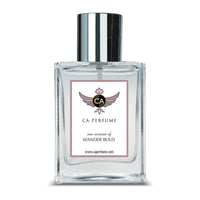
Wander Bold — Vanderbilt Alternative Perfume
8.61
MEI™
Primary Romantic
Secondary Confident
Confidence
7.86
Presence
8.37
Mood Lift
9.5
Identity
8.21
Warmth
9.5
Social Ease
8.79
Energy
4.9
" I am beautiful.
View full mood profile →
Laylati — Xerjoff Sospiro Laylati Alternative Perfume
8.31
MEI™
Primary Confident
Secondary Romantic
Confidence
8.29
Presence
9.07
Mood Lift
8.16
Identity
8.87
Warmth
9.5
Social Ease
7.85
Energy
3.6
" I am unstoppable.
View full mood profile →
Lipstick Rose — Frederic Malle Lipstick Rose Alternative Perfume
8.02
MEI™
Primary Romantic
Secondary Confident
Confidence
7.3
Presence
7.31
Mood Lift
8.71
Identity
8.01
Warmth
9.14
Social Ease
8.51
Energy
3.4
" I am beautiful.
View full mood profile →
HumanSafe™

Top Green Notes Fragrances by HumanSafe™ Score

These Green Notes-based fragrances have the highest product-level HumanSafe™ scores in this ingredient collection.

Highest HumanSafe™ Score
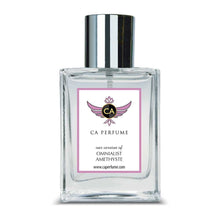
Omnialist Amethyste — Omnia Amethyste Alternative Perfume
A
HumanSafe™ Score Very Safe
Safest Evaluated Ingredients EDP
AQUA Solvent / Carrier ISS 10.0
1,4-DIOXACYCLOHEPTADECANE-5,17-DIONE Evaluated ingredient ISS 10.0
LINALYL ACETATE Evaluated ingredient ISS 7.0
LINALOOL Evaluated ingredient ISS 7.0
CITRONELLOL Evaluated ingredient ISS 7.0
View full safety profile →
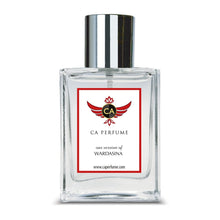
Wardasina Perfume Spray — Wardasina Alternative Perfume
A-
HumanSafe™ Score Generally Safe
Safest Evaluated Ingredients EDP
AQUA Solvent / Carrier ISS 10.0
2-BUTEN-1-OL, 2-METHYL-4-(2,2,3-TRIMETHYL-3-CYCLOPENTEN- Evaluated ingredient ISS 10.0
4H-INDEN-4-ONE, 1,2,3,5,6,7-HEXAHYDRO-1,1,2,3,3- Evaluated ingredient ISS 9.0
1H-3A,7-METHANOAZULENE, OCTAHYDRO-6-METHOXY-3,6,8,8- Evaluated ingredient ISS 9.0
3-CYCLOPENTENE-1-BUTANOL, .ALPHA.,.BETA.,2,2,3- Evaluated ingredient ISS 8.0
3-BUTEN-2-ONE, 3-METHYL-4-(2,6,6-TRIMETHYL-2- Evaluated ingredient ISS 8.0
View full safety profile →
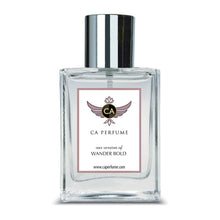
Wander Bold — Vanderbilt Alternative Perfume
A-
HumanSafe™ Score Generally Safe
Safest Evaluated Ingredients EDP
AQUA Solvent / Carrier ISS 10.0
ACETIC ACID, PHENYLMETHYL ESTER Evaluated ingredient ISS 10.0
BENZYL SALICYLATE Evaluated ingredient ISS 9.0
3-BUTEN-2-ONE, 3-METHYL-4-(2,6,6-TRIMETHYL-2- Evaluated ingredient ISS 8.0
LINALYL ACETATE Evaluated ingredient ISS 7.0
View full safety profile →
Vinaigre — Diptyque Vinaigre Alternative Perfume
A-
HumanSafe™ Score Generally Safe
Safest Evaluated Ingredients EDP
AQUA Solvent / Carrier ISS 10.0
ACETIC ACID, PHENYLMETHYL ESTER Evaluated ingredient ISS 10.0
2-OXABICYCLO[2.2.2]OCTANE, 1,3,3-TRIMETHYL- Evaluated ingredient ISS 9.0
CITRAL Evaluated ingredient ISS 8.0
2H-1-BENZOPYRAN-2-ONE Evaluated ingredient ISS 8.0
LINALYL ACETATE Evaluated ingredient ISS 7.0
View full safety profile →
Expert Voices

What Masters Say About Green Notes

Green fragrance notes are built from botanical compounds that mimic the scent of fresh leaves, cut stems, and damp earth. They are among the most complex in perfumery, capturing fleeting sensations from the natural world.
CA Perfume Editorial
Cis-3-hexenol, known as 'leaf alcohol,' is the molecule behind the unmistakable smell of fresh grass fragrance notes. These ingredients, along with others like vetiver and oakmoss, form the backbone of green compositions.
CA Perfume Editorial
Common Questions

Frequently Asked Questions

Frequently asked questions about green notes in perfumery, covering scent, usage, performance, and more.

Green notes in perfume evoke the scent of freshly cut grass, crushed leaves, and dew-laden stems. The aroma is crisp, dewy, and vegetal, with a slightly bitter or sappy edge. Key molecules such as cis-3-hexenol and galbanum provide a sharp, grassy freshness, while violet leaf and blackcurrant bud add watery and fruity-green nuances. This profile is most prominent in the opening and heart of a fragrance, creating a natural, outdoorsy impression.

Green notes are typically classified as top or heart notes due to their moderate volatility. Molecules like cis-3-hexenol and galbanum esters evaporate quickly, delivering an immediate burst of freshness that lasts longer than citrus but fades before heavier woods or resins. In most compositions, green notes set the stage for floral or woody heart and base notes.

Green notes are favored in niche perfumery for their ability to impart a sense of naturalness, clarity, and complexity. Their crisp, dewy character balances sweet, floral, or woody accords, adding realism and freshness. The versatility of green notes—ranging from bitter and sappy to watery and fruity—enables perfumers to craft unique, nature-inspired compositions that stand out in a crowded market.

Green notes fragrance uses include pairing with florals (lily, hyacinth, peony), citruses (bergamot, lemon), woods (cedar, vetiver), and fruity notes (fig, blackcurrant). These combinations leverage molecular compatibility—shared aldehydes, esters, and ionones—to create harmonious, multidimensional accords. For example, green notes and florals share ionone derivatives, enhancing freshness and realism.

Yes, green notes are particularly well-suited to summer and warm weather. Their volatile molecules—such as cis-3-hexenol—become more pronounced in heat, amplifying the crisp, refreshing effect. However, high temperatures can also shorten their longevity, so lighter application and reapplication may be necessary for all-day freshness.

The longevity of green notes in fragrance is moderate, with the green accord typically lasting 2–3 hours in Eau de Parfum format. The initial burst fades as volatile molecules evaporate, but traces of green character can persist in the heart and drydown, especially when paired with fixatives or woody bases.

Yes, green notes are highly versatile for layering. They can brighten florals, add clarity to woods, or temper the sweetness of gourmand scents. Molecular interactions—such as olfactory masking and shared aldehydes—enable green notes to blend seamlessly with a wide range of fragrance families, allowing for personalized, multidimensional compositions.

For those new to green notes, recommended entry points include Chanel No. 19 (powdery-green with iris), Diptyque Philosykos (milky-green fig leaf), and Estée Lauder Pleasures (floral-green). These fragrances showcase the versatility of green notes in both classic and modern contexts, offering accessible yet distinctive interpretations.

When selecting a green notes fragrance at CA Perfume, consider your preferred balance of freshness, floral, and woody elements. Look for compositions that highlight green notes in the top or heart, and explore layering options with complementary accords. The HumanSafe™ platform provides transparency on ingredient sourcing, ensuring safety and sustainability in every formula.

Green notes can evoke both clean and earthy impressions, depending on the specific molecules and composition. Crisp, dewy green notes (cis-3-hexenol, violet leaf) create a clean, airy effect, while resinous or sappy green notes (galbanum, mastic) introduce earthy, vegetal undertones. The balance between these facets defines the overall character of the fragrance.

Greens, Herbs and Fougeres Collection

Explore Our Top Green Notes Fragrances

Discover CA Perfume’s curated selection of green notes compositions, from classic galbanum signatures to modern fig leaf and violet leaf interpretations.

Shop all green notes fragrances at CA Perfume →

Where Green Notes Comes From — Origin & Extraction

Green notes are a perfumery construct, composed from both natural extracts and synthetic molecules to recreate the scent of living vegetation. Key natural sources include galbanum (Ferula galbaniflua), a resinous plant native to Iran, Afghanistan, and Turkey, and blackcurrant bud absolute (Ribes nigrum), primarily produced in Burgundy, France. Galbanum resin is harvested by incising the plant’s roots, yielding a milky gum that is steam-distilled (at 100–120°C) to produce an essential oil with a yield of 5–8%. Blackcurrant buds are solvent-extracted to obtain an absolute, with yields as low as 0.1–0.2%, making it one of the most expensive green materials at $8,000–12,000/kg. However, most green notes in modern perfumery are synthesized. Cis-3-hexenol (leaf alcohol) is produced via catalytic hydrogenation of unsaturated aldehydes, while cis-3-hexenyl acetate is synthesized by esterification. Other important synthetics include Stemone (minty-fig, CAS 106-70-7), allyl amyl glycolate (pineapple-green, CAS 67634-00-8), and glycolierral (grapefruit-green, CAS 1205-17-0). Synthetic green notes are favored for their stability, consistency, and lower cost—cis-3-hexenol is available at $50–100/kg, compared to galbanum oil at $500–1,500/kg. Sustainability is a key concern: overharvesting of galbanum and blackcurrant can impact local ecosystems, while synthetics offer a more reliable and environmentally friendly alternative. The discovery of cis-3-hexenol in the 1940s revolutionized green perfumery, enabling the precise recreation of fresh-cut grass and leafy accords. Today, green notes are crafted through a blend of natural and synthetic materials, balancing cost, performance, and environmental impact.

Famous Fragrances That Define Green Notes in Perfumery

Green notes have shaped some of the most iconic fragrances in modern perfumery. The pioneering use of galbanum in Pierre Balmain’s Vent Vert (1947, Germaine Cellier) marked the first overdose of a green note, creating a sharp, vegetal signature that redefined the postwar olfactory landscape. Chanel No. 19 (1970, Henri Robert) followed, blending galbanum with iris and vetiver for a refined, powdery-green effect that remains a reference for the genre. In the 1970s and 1980s, green notes became central to the chypre and floral-green families. Estée Lauder’s Alliage (1972, Francis Camail & Bernard Chant) and Miss Dior Original (1947, Jean Carles & Paul Vacher) both feature prominent green accords. The 1990s saw a softer, more transparent interpretation in Estée Lauder Pleasures (1995, Alberto Morillas & Annie Buzantian), where green notes accentuate the floral heart. In niche perfumery, Diptyque Philosykos (1996, Olivia Giacobetti) uses fig leaf and Stemone for a milky-green signature, while Maison Martin Margiela Untitled (2010, Daniela Andrier) modernizes the green accord with galbanum and mastic. Recent launches such as Byredo La Tulipe (2010, Jérôme Epinette) and Hermès H24 Herbes Vives (2024, Christine Nagel) continue to explore the versatility of green notes, pairing them with florals, woods, and musks. CA Perfume’s collection draws inspiration from this lineage, offering green note compositions that balance classic structure with contemporary freshness.

Natural vs Synthetic Green Notes in Perfumery

Natural green notes are derived from botanicals such as galbanum resin, violet leaf absolute, blackcurrant bud, and mastic. These materials are complex mixtures, each containing dozens of volatile compounds—galbanum, for example, is rich in (3E,5Z)-undeca-1,3,5-triene and galbazine, while violet leaf absolute contains ionones and nonadienal. However, natural green extracts are costly, variable in quality, and often unstable, with rapid oxidation and batch-to-batch differences. Synthetic green notes, by contrast, are built from well-defined molecules such as cis-3-hexenol (CAS 928-96-1), cis-3-hexenyl acetate (CAS 3681-71-8), and Stemone (CAS 106-70-7). These compounds offer greater stability, longevity, and olfactory precision. For example, cis-3-hexenol provides the archetypal fresh-cut grass aroma, while Stemone imparts a fig-leaf effect. Synthetics are also more sustainable, with lower environmental impact and consistent supply chains. Cost differentials are significant: natural blackcurrant bud absolute can exceed $10,000/kg, while synthetic green molecules are typically $50–200/kg. Famous fragrances illustrate both approaches: Chanel No. 19 and Balmain Vent Vert use natural galbanum, while Diptyque Philosykos and Byredo La Tulipe rely heavily on synthetic green molecules. CA Perfume utilizes the HumanSafe™ platform to ensure transparency in sourcing, favoring sustainable synthetics when possible and clearly labeling any use of natural absolutes. This approach balances authenticity, safety, and environmental responsibility.