Ingredient Guide · Floral
Floral Family · Perfumery Note

Pink Bloom

Delicate petals captured in a fresh, vibrant floral note

Pink Bloom is a floral heart note prized for its fresh, dewy, and sweet-fruity scent profile. Typically used below 5% concentration, it imparts a light, airy essence reminiscent of spring gardens.

Ingredient Profile

Pink Bloom

Floral Family
Family Floral
Note Position Heart Note
Usage Level <5%
Key Origins France, Italy, United States
Iconic In Pink Pink Blooms, Sensity Pink Bloom
The Ingredient

What does Pink Bloom smell like and why is it cherished?

Pink Bloom is a captivating floral ingredient known for its fresh, dewy aroma with sweet and slightly fruity undertones. Its scent profile is characterized by a light, airy quality that evokes the sensation of walking through a blooming spring garden. Chemically, Pink Bloom's complexity arises from a blend of natural floral compounds that contribute to its vibrant and romantic essence. In perfumery, Pink Bloom is classified as a heart note, typically used at concentrations below 5%. It interacts with skin chemistry to produce a soft yet noticeable floral presence that evolves gently over several hours. This note is valued for its ability to add freshness and sophistication without overpowering other elements in a fragrance. Notable examples of Pink Bloom in perfumery include Victoria's Secret's Pink Pink Blooms (2019), which features rose petals and wild berries to complement the note's floral sweetness, and Oriflame's Sensity Pink Bloom, which combines peony and musk to highlight its fresh and watery floral character.

1–3 Sprays
A moderate application amount sufficient to evoke Pink Bloom's delicate floral essence without overpowering.
4–6 Hours
Typical longevity range for Pink Bloom-based fragrances, influenced by formulation and skin chemistry.
<5%
Recommended maximum concentration of Pink Bloom absolute in perfume formulations to balance impact and safety.
Origin & Extraction

Where Pink Bloom Comes From — Origin & Extraction

Pink Bloom's scent character is deeply influenced by the terroir of its growing regions. Soil composition, climate, and cultivation methods in France, Italy, and the United States impart distinct nuances to the floral aroma, contributing to its fresh, fruity, and dewy qualities.

Pink Bloom's aromatic qualities are influenced by its botanical sources, primarily pink-hued flowers cultivated in temperate climates. Key production regions include France, Italy, and the United States, each contributing unique floral nuances due to their distinct soil and climate conditions. In France, the rich, well-drained soils and temperate climate of regions like Grasse foster the growth of highly fragrant pink flowers, enhancing the floral identity prized in perfumery. Italy's vibrant landscapes, particularly in Tuscany and Liguria, produce pink blooms with fresh and slightly fruity nuances, often captured in celebrated Italian perfumes. The United States, especially California, offers a sunny, warm climate that supports diverse pink flower cultivations, contributing to a unique floral narrative in local fragrance creations. Extraction of Pink Bloom absolute is primarily achieved through solvent extraction and supercritical CO₂ extraction, methods that preserve the delicate floral compounds without heat degradation. These processes yield a complex and variable absolute, reflecting the natural variability of the source material. Natural Pink Bloom absolute costs approximately $3,000–6,000 per kilogram, reflecting its labor-intensive production and limited yield. Synthetic analogues, including safranal and related molecules, are produced via laboratory synthesis, offering a consistent and stable character at a lower cost of $50–200 per kilogram. Sustainability considerations focus on responsible cultivation practices and reducing environmental impact through efficient extraction technologies.

FR

France

In Grasse and surrounding regions, France's rich, well-drained soils and temperate climate nurture pink flowers with intense fragrance. This origin is known for producing Pink Bloom with pronounced floral identity and complexity, accounting for a significant share of the global supply.

IT

Italy

Italy's Tuscany and Liguria regions cultivate pink blooms with fresh, fruity nuances. The Mediterranean climate and fertile soils contribute to a bright, vibrant Pink Bloom aroma often used in celebrated Italian perfumes.

US

United States

California's sunny, warm climate supports diverse pink flower cultivations. The unique environmental conditions yield Pink Bloom with a distinctive fresh and airy floral character, contributing to a growing niche in local fragrance creations.

Chemistry

Natural vs Synthetic Pink Bloom in Perfumery

Natural Pink Bloom absolute is derived via solvent or CO₂ extraction from pink flowers, resulting in a complex and variable scent profile that reflects the botanical source's nuances. This natural form offers a rich olfactory depth but comes with higher costs ($3,000–6,000/kg) and batch variability due to agricultural factors. Synthetic Pink Bloom substitutes primarily utilize safranal (CAS 116-26-7) and analogues, produced through lab synthesis. These synthetic molecules provide a consistent, stable scent with reliable longevity and diffusion, at a significantly lower cost ($50–200/kg). Synthetics also enable perfumers to create clearer, more precise floral notes that are difficult to achieve with natural extracts alone. Famous fragrances like Victoria's Secret Pink Pink Blooms employ natural Pink Bloom absolutes for their complexity, while others may use synthetic versions to ensure consistency and affordability. From a sustainability perspective, synthetic production reduces reliance on agricultural resources and mitigates environmental impact. CA Perfume employs the HumanSafe™ platform to ensure transparency and safety in sourcing both natural and synthetic Pink Bloom ingredients.

Natural
Pink Bloom Absolute
Cost $3,000–6,000/kg
Method Solvent / CO₂
Character Complex, variable
vs
Synthetic
Safranal & Analogues
Cost $50–200/kg
Method Lab synthesis
Character Consistent, stable
Hall of Fame

Famous Fragrances That Define Pink Bloom in Perfumery

2019
heart note

Pink Pink Blooms

Victoria's Secret
rose petalswild berriesred apple
—
heart note

Sensity Pink Bloom

Oriflame
peonymuskpear
2020
heart note

Chasing Sunsets

Maison Martin Margiela
mangopatchouli
—
supporting note

Vanilla | 28

Kayali
vanillawoody notes
—
accent

The Noir 29

Le Labo
violetincense

Pink Bloom has been featured prominently in several notable fragrances over the last decade, showcasing its fresh and floral character. Victoria's Secret Pink Pink Blooms (2019) uses Pink Bloom as a heart note, blending it with rose petals, wild berries, and red apple to create a cheerful and approachable floral scent. Oriflame's Sensity Pink Bloom (2020s) incorporates Pink Bloom with peony, musk, and pear, emphasizing a fresh, watery floral profile suitable for everyday wear. Maison Martin Margiela's Chasing Sunsets (2020) leverages Pink Bloom's vibrant floral nuances alongside mango and patchouli, crafting a tropical floral experience. Kayali Vanilla | 28 (late 2010s) pairs Pink Bloom with vanilla and woody notes, balancing sweetness with floral elegance. Le Labo's The Noir 29 (2010s) subtly integrates Pink Bloom with violet and incense, adding complexity to its floral heart. These fragrances demonstrate Pink Bloom's versatility as a heart note, capable of bridging fruity, woody, and musky accords. CA Perfume's collection honors this lineage by offering fragrances that explore Pink Bloom's fresh floral sophistication without overwhelming the composition.

The Accord

How is a captivating Pink Bloom accord crafted?

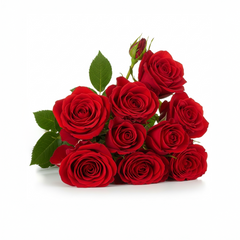
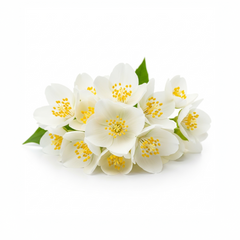
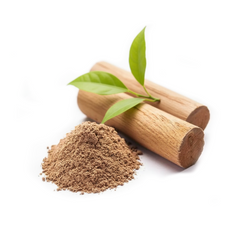
A balanced Pink Bloom accord typically combines Pink Bloom at 30% with Rose at 25–30%, which adds velvety richness and enhances the floral depth. Jasmine at 20–25% contributes a fresh, indolic brightness that complements Pink Bloom's dewy facets. Sandalwood at 15–20% provides a creamy, woody base that anchors the accord and softens the floral sharpness, creating a harmonious and elegant blend.

30%

Pink Bloom

30% of blend

Pink Bloom forms the accord's core with its fresh, dewy, and sweet-fruity floral profile, providing the vibrant heart.

30%

Rose

25–30% of blend

Rose adds lush, velvety richness, amplifying the accord’s floral complexity and bridging to other notes.

25%

Jasmine

20–25% of blend

Jasmine contributes fresh, indolic brightness, enhancing the accord’s freshness and floral vibrancy.

20%

Sandalwood

15–20% of blend

Sandalwood provides a creamy, woody base that anchors the floral notes and smooths the overall accord.

The Olfactory Layers

How Pink Bloom Evolves on Skin

Pink Bloom evolves through the fragrance pyramid as a heart note, emerging after the initial top notes dissipate (15–20 minutes) and lasting several hours. Its molecular components, including floral esters and aldehydes, evaporate at moderate rates, providing a sustained fresh and sweet floral presence that softens gracefully over time.

I
Top notes
0–15 min
Bright Citrus Prelude

The initial impression features bright, fresh citrus and green notes that quickly evaporate due to their high volatility. These set a lively stage but do not include Pink Bloom, which appears later.

BrightCitrusFresh
II
Heart notes
20–60 min
Fresh Dewy Florals

Pink Bloom dominates this stage with its fresh, dewy, and sweet-fruity floral character. The moderate volatility of its key molecules allows it to linger, blending with complementary florals like rose and jasmine to create a vibrant bouquet.

FloralDewySweet
III
Base notes
Several hours
Soft Woody Musk

As Pink Bloom fades, woody and musky base notes emerge, providing depth and longevity. These lower-volatility molecules anchor the fragrance, ensuring a smooth transition and lasting impression.

WoodyMuskyWarm
TOP NOTES Bright Citrus Prelude 0–15 minutes HEART NOTES Fresh Dewy Florals 20–60 minutes BASE NOTES Soft Woody Musk Several hours
Through the Ages

The Story of Pink Bloom in Perfumery

Pink Bloom's integration into modern perfumery reflects evolving trends in floral fragrance design, with key milestones marking its rise as a versatile heart note.

2010s

Emergence in Niche Perfumery

Pink Bloom began gaining recognition as a distinctive floral heart note in niche perfumes, appreciated for its fresh and dewy profile that differed from traditional florals.

2019

Launch of Pink Pink Blooms by Victoria's Secret

Victoria's Secret introduced Pink Pink Blooms, prominently featuring Pink Bloom as a heart note combined with rose petals and wild berries, popularizing the note in mainstream fragrances.

2020s

Expansion in Floral-Watery Fragrances

Fragrances like Oriflame's Sensity Pink Bloom showcased Pink Bloom's adaptability in fresh, watery floral compositions, broadening its use in everyday perfumes.

2023

Increased Use in Layering and Hybrid Formulations

Perfumers began incorporating Pink Bloom in hybrid accords combining natural and synthetic elements, enhancing longevity and versatility in complex fragrance structures.

2025

Recognition in Fragrance Awards

Pink Bloom-based fragrances received accolades for their fresh floral sophistication, cementing the note's status in contemporary perfumery.

The Art of Layering

How to Layer Pink Bloom

Understanding how to layer Pink Bloom involves molecular compatibility and olfactory synergy. Layering enhances or balances its fresh floral character by combining shared or complementary compounds.

01

Enhance Sweetness

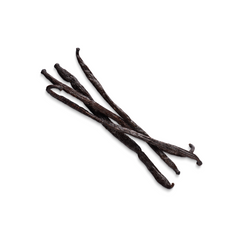
Layer Pink Bloom with vanilla to soften its floral sharpness. Vanillin molecules mask metallic edges, creating a warm, rounded sweetness. This pairing is evident in Kayali Vanilla | 28.

02

Add Depth

Combine Pink Bloom with sandalwood to introduce creamy, woody undertones. The lactone compounds in sandalwood blend with Pink Bloom's floral esters, enriching the accord's complexity.

03

Lighten the Glow

Pair Pink Bloom with citrus notes like bergamot to brighten the floral heart. Citrus aldehydes enhance freshness and provide a crisp contrast, as seen in Jo Malone's Red Roses.

Wear It Right

How to Wear Pink Bloom Like a Pro

Seasonal Guide

Fall & Winter

Cooler temperatures slow molecular evaporation, allowing Pink Bloom to linger softly. Layer with warm woody or spicy notes to enhance depth and prevent the floral from feeling too light.

Spring

Spring's mild climate complements Pink Bloom's fresh and dewy character, making it ideal for standalone wear. The note's natural vibrancy aligns with the season's floral themes.

Summer

Heat increases volatility, intensifying Pink Bloom's freshness but shortening longevity. Apply sparingly and consider layering with musks or light woods to extend wear.

Year-Round Tip

Adjust application amount and layering based on temperature and humidity to maintain balance between freshness and lasting power.

Application Points

Strategic application of Pink Bloom enhances its diffusion and longevity.

1

Neck

Pulse points on the neck provide warmth that activates Pink Bloom's floral molecules, enhancing projection and scent evolution.

2

Behind the Ears

This area offers steady heat and subtle diffusion, allowing the floral heart to gently unfold throughout the day.

3

Inner Wrists

Wrists are classic pulse points where Pink Bloom's freshness is most noticeable, ideal for quick scent refresh.

4

Hair

Hair holds fragrance well, releasing Pink Bloom's airy floral notes gradually with movement, extending scent presence.

★

Pro Tip

Layer Pink Bloom with complementary notes on different pulse points to create a multidimensional fragrance experience.

HumanSafe™

Pink Bloom Safety Profile in Our Fragrances

No ingredient collection was found for pink-bloom.

Create or connect a collection with the same handle as this ingredient, then add products that contain this ingredient.

Expert Voices

What Masters Say About Pink Bloom

“
Pink Bloom offers a fresh and dewy floral character that brings a vibrant, romantic essence to modern compositions. Its versatility as a heart note makes it a valuable ingredient for creating light, airy fragrances reminiscent of spring gardens.
CA Perfume Editorial
“
The floral nuances of Pink Bloom, combined with its sweet and slightly fruity undertones, provide a unique olfactory experience that balances elegance with approachability in fragrance design.
CA Perfume Editorial
Common Questions

Frequently Asked Questions

Answers to common questions about Pink Bloom in perfumery.

Pink Bloom smells fresh, dewy, and sweet-fruity in perfume. It is admired for its light, airy floral character that evokes springtime gardens. This note typically appears as a heart note, providing an uplifting and romantic essence in compositions such as Victoria's Secret Pink Pink Blooms and Oriflame Sensity Pink Bloom.

Pink Bloom is primarily used as a heart note in fragrances. It emerges after the initial top notes evaporate and provides the central floral character that lasts several hours before transitioning to base notes.

Pink Bloom is favored in niche perfumery for its fresh and complex floral profile that adds sophistication without overpowering. Its versatility allows perfumers to create light, romantic compositions that appeal to modern fragrance enthusiasts seeking natural floral nuances.

Pink Bloom fragrance uses often include pairing with rose, jasmine, sandalwood, vanilla, and musk. These combinations enhance its floral freshness, add depth, and balance sweetness, creating harmonious accords suitable for various fragrance styles.

Yes, Pink Bloom's light, fresh, and dewy floral profile makes it ideal for summer and warm weather. Its moderate volatility provides a refreshing scent that complements the season's atmosphere, especially when layered with citrus or musk to enhance longevity.

Pink Bloom-based fragrances generally last between 4 to 6 hours, depending on formulation and skin chemistry. Its moderate molecular weight and volatility require balanced fixation to maintain a lasting floral presence.

Yes, layering Pink Bloom with complementary notes like vanilla, sandalwood, or citrus can create multidimensional fragrance experiences. Understanding how to layer Pink Bloom involves considering molecular compatibility and olfactory synergy to enhance or balance its floral character.

For beginners, fragrances like Victoria's Secret Pink Pink Blooms and Oriflame Sensity Pink Bloom offer approachable introductions to Pink Bloom's fresh floral scent. These perfumes balance Pink Bloom with familiar notes like rose, musk, and pear, making them easy to wear and enjoy.

Choosing the right Pink Bloom fragrance involves considering your preference for floral intensity, complementary notes, and occasion. CA Perfume offers discovery sets and curated collections to help you explore different Pink Bloom blends and find one that aligns with your style.

Pink Bloom primarily smells sweet and fresh with slightly fruity undertones. It lacks spicy characteristics but can be layered with spicy notes like pink pepper to add warmth and complexity if desired.

Floral Collection

Explore Our Top Pink Bloom Fragrances

Discover a curated selection of Pink Bloom fragrances that highlight its fresh floral elegance and versatility for various occasions.

Shop all pink bloom fragrances at CA Perfume →

Where Pink Bloom Comes From — Origin & Extraction

Pink Bloom's aromatic qualities are influenced by its botanical sources, primarily pink-hued flowers cultivated in temperate climates. Key production regions include France, Italy, and the United States, each contributing unique floral nuances due to their distinct soil and climate conditions. In France, the rich, well-drained soils and temperate climate of regions like Grasse foster the growth of highly fragrant pink flowers, enhancing the floral identity prized in perfumery. Italy's vibrant landscapes, particularly in Tuscany and Liguria, produce pink blooms with fresh and slightly fruity nuances, often captured in celebrated Italian perfumes. The United States, especially California, offers a sunny, warm climate that supports diverse pink flower cultivations, contributing to a unique floral narrative in local fragrance creations. Extraction of Pink Bloom absolute is primarily achieved through solvent extraction and supercritical CO₂ extraction, methods that preserve the delicate floral compounds without heat degradation. These processes yield a complex and variable absolute, reflecting the natural variability of the source material. Natural Pink Bloom absolute costs approximately $3,000–6,000 per kilogram, reflecting its labor-intensive production and limited yield. Synthetic analogues, including safranal and related molecules, are produced via laboratory synthesis, offering a consistent and stable character at a lower cost of $50–200 per kilogram. Sustainability considerations focus on responsible cultivation practices and reducing environmental impact through efficient extraction technologies.

Famous Fragrances That Define Pink Bloom in Perfumery

Pink Bloom has been featured prominently in several notable fragrances over the last decade, showcasing its fresh and floral character. Victoria's Secret Pink Pink Blooms (2019) uses Pink Bloom as a heart note, blending it with rose petals, wild berries, and red apple to create a cheerful and approachable floral scent. Oriflame's Sensity Pink Bloom (2020s) incorporates Pink Bloom with peony, musk, and pear, emphasizing a fresh, watery floral profile suitable for everyday wear. Maison Martin Margiela's Chasing Sunsets (2020) leverages Pink Bloom's vibrant floral nuances alongside mango and patchouli, crafting a tropical floral experience. Kayali Vanilla | 28 (late 2010s) pairs Pink Bloom with vanilla and woody notes, balancing sweetness with floral elegance. Le Labo's The Noir 29 (2010s) subtly integrates Pink Bloom with violet and incense, adding complexity to its floral heart. These fragrances demonstrate Pink Bloom's versatility as a heart note, capable of bridging fruity, woody, and musky accords. CA Perfume's collection honors this lineage by offering fragrances that explore Pink Bloom's fresh floral sophistication without overwhelming the composition.

Natural vs Synthetic Pink Bloom in Perfumery

Natural Pink Bloom absolute is derived via solvent or CO₂ extraction from pink flowers, resulting in a complex and variable scent profile that reflects the botanical source's nuances. This natural form offers a rich olfactory depth but comes with higher costs ($3,000–6,000/kg) and batch variability due to agricultural factors. Synthetic Pink Bloom substitutes primarily utilize safranal (CAS 116-26-7) and analogues, produced through lab synthesis. These synthetic molecules provide a consistent, stable scent with reliable longevity and diffusion, at a significantly lower cost ($50–200/kg). Synthetics also enable perfumers to create clearer, more precise floral notes that are difficult to achieve with natural extracts alone. Famous fragrances like Victoria's Secret Pink Pink Blooms employ natural Pink Bloom absolutes for their complexity, while others may use synthetic versions to ensure consistency and affordability. From a sustainability perspective, synthetic production reduces reliance on agricultural resources and mitigates environmental impact. CA Perfume employs the HumanSafe™ platform to ensure transparency and safety in sourcing both natural and synthetic Pink Bloom ingredients.