Where Pink Freesia Comes From — Origin & Extraction
Pink Freesia, botanically classified under the genus Freesia (family Iridaceae), originates from South Africa's Cape Floral Region, particularly the Western Cape Province. The species Freesia refracta is most commonly associated with perfumery. Cultivation also occurs in the Netherlands and the United States (notably California), where climate and soil conditions favor aromatic development.
Natural extraction of Pink Freesia's fragrance is challenging and commercially unfeasible. The flowers yield negligible amounts of essential oil, and the resulting extracts do not faithfully reproduce the living flower's scent. Consequently, perfumers rely on synthetic reconstruction to capture Pink Freesia's signature aroma.
Extraction methods for synthetic Pink Freesia accords involve blending aroma chemicals identified via headspace analysis of the flower's volatile profile. Key molecules include linalool (30-90%), limonene, alpha-terpineol, sabinene, myrcene, and dihydro-beta-ionone (approx. 3.7%). These are combined with green aldehydes and floral synthetics to recreate the fresh, slightly peppery, and fruity nuances.
Natural freesia absolute, when available, is produced via solvent extraction or supercritical CO2 extraction, costing approximately $3,000–6,000 per kilogram. Synthetic freesia accords, produced through laboratory synthesis, cost significantly less, around $50–200 per kilogram, and offer greater consistency and stability. Sustainability considerations favor synthetic production due to the environmental impact and labor intensity of cultivating and harvesting freesia flowers for extraction.
Famous Fragrances That Define Pink Freesia in Perfumery
Pink Freesia has been a favored note in numerous contemporary fragrances, often serving as a heart note that imparts fresh floral brightness and subtle fruity nuances. Notable examples include:
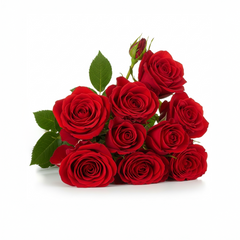
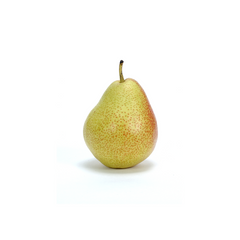
1. Jo Malone London - English Pear & Freesia (2010), perfumer Christine Nagel. Pink Freesia functions as a central heart note, harmonizing with pear and rose to create a fresh, elegant floral bouquet.
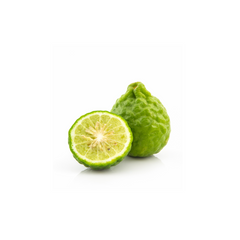
2. Victoria's Secret - Chiffon Peony Freesia (2010). Pink Freesia acts as a gentle floral accent paired with peony, bergamot, and vanilla, delivering a romantic and soft scent.
3. Byredo - La Tulipe (2010), perfumer Ben Gorham. Pink Freesia contributes to the floral heart, complementing tulip and rose for a fresh springtime aroma.
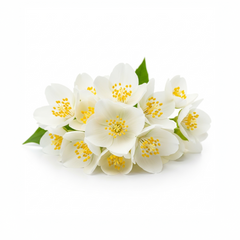
4. Lancôme - Miracle (2000), perfumer Dominique Ropion. Pink Freesia adds a bright, airy floral facet to the composition alongside lychee and jasmine.
5. Bath & Body Works - Freesia Fields (2000s). Pink Freesia is a prominent middle note, blended with jasmine and cyclamen, supported by musk base notes.
These fragrances illustrate Pink Freesia's versatility across brands and styles, from luxury niche to mass-market offerings. CA Perfume's collection respects this lineage by incorporating Pink Freesia accords that emphasize freshness and floral clarity without overpowering complexity.
Natural vs Synthetic Pink Freesia in Perfumery
Pink Freesia in perfumery is predominantly represented by synthetic accords due to the impracticality of natural extraction. The natural flower's essential oil yield is negligible, and the scent profile of natural extracts diverges significantly from the living flower's aroma, making synthetic recreation necessary.
Synthetic Pink Freesia accords rely heavily on linalool (CAS 78-70-6), a terpenoid alcohol responsible for the fresh floral character, combined with green aldehydes (e.g., cis-3-hexenol), ionone derivatives (e.g., dihydro-beta-ionone), and light citrus molecules like limonene. These synthetics provide consistent olfactory performance, superior longevity, and diffusion compared to natural extracts.
Cost-wise, synthetic Pink Freesia accords are more economical, priced between $50 and $200 per kilogram, whereas natural freesia absolute ranges from $3,000 to $6,000 per kilogram. Synthetic versions also offer enhanced stability, batch-to-batch consistency, and reduced allergenic potential.
Famous fragrances such as Jo Malone London's English Pear & Freesia and Victoria's Secret's Chiffon Peony Freesia utilize synthetic Pink Freesia accords. The HumanSafe™ platform at CA Perfume ensures transparency and safety in ingredient sourcing, favoring synthetic Pink Freesia for its reliability and sustainability benefits.
Three key aroma chemicals in Pink Freesia accords include linalool (CAS 78-70-6), dihydro-beta-ionone (CAS 14901-07-6), and cis-3-hexenol (CAS 928-96-1).