Ingredient Guide · Floral Fruity
Floral Fruity Family · Perfumery Note

Petalia

A modern molecule capturing peony, rose, and dewy fruit nuances.

Petalia is a proprietary synthetic heart note in perfumery, prized for its fresh, floral, and subtly fruity character. Its defining quality comes from its peony-rose-litchi accord, engineered for high diffusion and stability at 0.5–2% concentration.

Petalia
Ingredient Profile

Petalia

Floral Fruity Family
Family Floral Fruity
Note Position Top Note
Usage Level 0.5–2% in formula
Key Origins Switzerland, France, United States
Iconic In Delina, Fleur Narcotique
The Ingredient

What does Petalia smell like and why is it significant in modern perfumery?

Petalia is a synthetic aroma molecule developed by Givaudan, chemically identified as 2-cyclohexylidene-2-(o-tolyl)acetonitrile. Its scent profile is defined by a vivid, fresh floralcy reminiscent of blooming peony, rose, and lily-of-the-valley, with a distinct fruity undertone often compared to lychee or red berries. The molecule’s structure is engineered to maximize brightness and diffusion, making it highly perceivable even at low concentrations. The 'petalia scent profile' is characterized by a balance of dewy floral freshness and a subtle, playful fruitiness, resulting in a modern, airy quality that natural extracts alone cannot achieve. In perfumery, Petalia is classified as a heart (middle) note, typically used at 0.5–2% of the total fragrance composition. Its molecular weight and volatility are optimized for a sustained presence throughout the fragrance’s evolution, bridging the gap between fleeting top notes and deeper base accords. Petalia’s interaction with skin chemistry is notable: its fresh, diffusive floralcy can be amplified or softened depending on the wearer’s skin pH and moisture, often resulting in a more radiant or creamy effect. As a synthetic, it is prized for its batch-to-batch consistency and stability, unlike natural floral absolutes that can vary with harvest and extraction. Petalia in perfumery has become a signature of contemporary floral-fruity compositions. Two landmark fragrances exemplifying its use are Parfums de Marly Delina (2017, perfumer Quentin Bisch), where Petalia forms the luminous heart alongside Turkish rose and lychee, and Ex Nihilo Fleur Narcotique (2014, perfumer Quentin Bisch), which leverages Petalia’s airy floralcy to create a modern, transparent bouquet. These examples demonstrate how the note enables perfumers to craft radiant, long-lasting florals with a distinctive, recognizable signature.

0.5–2% in formula
Typical usage concentration of Petalia in fine fragrance compositions, providing optimal radiance and longevity without overpowering other notes.
6–8 hours
Average longevity of Petalia’s floralcy on skin, due to its moderate molecular weight and engineered volatility profile.
<2% IFRA limit
Maximum concentration permitted by IFRA for Petalia in finished fragrance, reflecting its low sensitization risk and high safety margin.
Origin & Extraction

Where Petalia Comes From — Origin & Extraction

Petalia’s scent character is independent of geography, as it is synthesized in the laboratory. However, its design was inspired by the natural freshness of peonies and roses from regions such as Turkey’s Isparta and China’s Luoyang, where unique soil and climate yield high damascenone and beta-ionone content in floral extracts. The molecule’s synthetic origin ensures consistent olfactory performance regardless of environmental variables.

Petalia is a proprietary synthetic fragrance molecule developed and patented by Givaudan, one of the world’s leading fragrance and flavor companies. Its chemical name is 2-cyclohexylidene-2-(o-tolyl)acetonitrile, and it is classified within the floral group due to its peony-rose-lily scent character. Unlike natural floral extracts, Petalia is synthesized entirely in the laboratory, allowing for precise control over purity, olfactory profile, and performance. As a captive molecule, Petalia is produced exclusively by Givaudan in their European manufacturing facilities, with production volumes undisclosed but estimated in the low metric ton range annually, given its use in high-end and niche perfumery. The synthesis involves multi-step organic reactions, starting from petrochemical feedstocks, under controlled temperature and pressure. The final product is typically supplied as a liquid or crystalline solid, with a purity exceeding 98%. No agricultural land or natural resources are required, making its production independent of climate or harvest variability. The cost of Petalia is significantly lower than natural floral absolutes such as rose or peony, which can exceed $10,000/kg due to low extraction yields. Petalia’s price is estimated at $200–400/kg, depending on contract volume and exclusivity. Its synthetic nature ensures consistent quality and supply, with minimal environmental impact compared to the intensive water and land use of natural flower farming. Sustainability is further enhanced by the absence of pesticides, fertilizers, and the reduced carbon footprint associated with large-scale agricultural extraction. As a captive, Petalia is not available for purchase outside Givaudan’s client network, ensuring its unique olfactory signature remains exclusive to select fragrance houses.

CH

Switzerland

Givaudan’s R&D and manufacturing headquarters in Vernier, Geneva, are responsible for Petalia’s invention and production. The region’s advanced chemical industry infrastructure and strict quality controls ensure high purity and batch consistency. No agricultural production volume applies, but Switzerland is the global center for this molecule’s synthesis.

FR

France

France, especially the Grasse region, is a major hub for fine fragrance creation. While Petalia is not grown, many fragrances using Petalia are composed and manufactured here, leveraging the region’s expertise in blending synthetic and natural floral notes.

US

United States

The US is a leading market for fragrances containing Petalia, with major brands and independent perfumers utilizing the molecule for its modern, diffusive floralcy. Regulatory and quality standards ensure safe, consistent use in finished products.

Chemistry

Natural vs Synthetic Petalia in Perfumery

Petalia is a fully synthetic molecule; there is no natural counterpart or direct botanical source. Its structure, 2-cyclohexylidene-2-(o-tolyl)acetonitrile (CAS 37209-30-2), was designed to mimic and enhance the fresh, dewy floralcy of peony and rose, with added fruity nuances. Other synthetic floral molecules used for similar effects include Calone (CAS 28940-11-6), which imparts watery freshness; Lyral (CAS 31906-04-4), for muguet (lily-of-the-valley) notes; and Rosaphen (CAS 103694-68-4), for rosy-green nuances. Compared to natural floral extracts, Petalia offers superior stability, longevity, and diffusion. Natural peony or rose absolutes are complex mixtures of hundreds of molecules, often unstable and prone to oxidation, resulting in batch variability and shorter shelf life. Petalia, by contrast, is engineered for high stability and minimal allergenic potential, with IFRA guidelines permitting its use at up to 2% in finished fragrance. Its cost is also far lower—$200–400/kg versus $7,000–10,000/kg for rose absolute. Famous fragrances using Petalia include Parfums de Marly Delina (2017) and Ex Nihilo Fleur Narcotique (2014), both of which rely on the molecule’s unique radiance and consistency. Sustainability is a key advantage: Petalia’s laboratory synthesis avoids the environmental impact of large-scale flower farming. CA Perfume’s HumanSafe™ platform ensures all Petalia-containing fragrances are transparently labeled, with full traceability for consumer safety and environmental stewardship.

Natural
Petalia Absolute
Cost $3,000–6,000/kg
Method Solvent / CO₂
Character Complex, variable
vs
Synthetic
Safranal & Analogues
Cost $50–200/kg
Method Lab synthesis
Character Consistent, stable
Hall of Fame

Famous Fragrances That Define Petalia in Perfumery

2017
dominant note

Delina

Parfums de Marly
by Quentin Bisch
Turkish roselycheerhubarbmusk
2014
dominant note

Fleur Narcotique

Ex Nihilo
by Quentin Bisch
lycheejasminebergamotmusk
2019
bridge note

Cassili

Parfums de Marly
by Quentin Bisch
plummimosavanillarose
2017
accent

Versace Pour Femme Dylan Blue

Versace
by Calice Becker
green appleblackcurrantrosejasmine
2021
supporting note

Marseille

Comme des Garçons
aldehydesmuskaquatic notes

Petalia’s introduction by Givaudan in the late 2000s enabled a new generation of radiant, airy floral fragrances. One of the earliest and most influential uses was in Parfums de Marly Delina (2017, perfumer Quentin Bisch), where Petalia forms the signature peony-rose-lychee heart, paired with Turkish rose, rhubarb, and musk. This composition set the standard for modern floral-fruity perfumes, with Petalia providing both lift and longevity. Ex Nihilo Fleur Narcotique (2014, Quentin Bisch) also showcases Petalia’s capabilities, blending it with bergamot, lychee, and jasmine for a transparent, effervescent floral effect. Parfums de Marly Cassili (2019, Quentin Bisch) further explores Petalia’s versatility, using it alongside plum, mimosa, and vanilla to create a creamy, velvety floral-fruity accord. Versace Pour Femme Dylan Blue (2017, Calice Becker) employs Petalia to bridge crisp green apple and blackcurrant with rose and jasmine, resulting in a fresh, modern femininity. Comme des Garçons Marseille (2021) demonstrates Petalia’s adaptability in unisex compositions, pairing it with aldehydes, musk, and aquatic notes for a clean, soapy floral impression. In each of these, Petalia functions as a dominant or bridge note, seamlessly connecting fruity top notes with floral and musky bases. CA Perfume’s collection draws inspiration from this lineage, offering Petalia-forward fragrances that reflect the molecule’s luminous, contemporary character.

The Accord

How is a captivating Petalia accord crafted?

A Petalia accord typically blends Petalia (25–30%), Turkish rose absolute (20–25%), lychee (20–25%), and Ambrettolide musk (25–30%). Petalia provides radiant, diffusive floralcy; Turkish rose absolute supplies depth and naturalistic texture via damascenone and beta-damascenone; lychee introduces a juicy, fruity facet through (E)-2-hexenal and linalool; Ambrettolide musk offers a creamy, skin-like finish, enhancing longevity and rounding sharp edges. Together, these components create a seamless, modern floral-fruity heart.

30%

Petalia

25–30% of blend

Provides the core peony-rose-litchi floralcy, engineered for high diffusion and radiance due to its molecular structure.

25%

Turkish Rose Absolute

20–25% of blend

Adds depth and complexity via damascenone and other rose ketones, supporting Petalia’s synthetic floralcy with natural nuance.

25%

Lychee

20–25% of blend

Supplies a juicy, fruity top note through (E)-2-hexenal and linalool, amplifying Petalia’s playful, dewy character.

30%

Ambrettolide Musk

25–30% of blend

Contributes creamy, skin-like warmth and enhances longevity by slowing the evaporation of volatile floral molecules.

The Olfactory Layers

How Petalia Evolves on Skin

Petalia’s olfactory evolution is marked by a rapid, luminous opening, a sustained floral heart, and a soft, musky drydown. High-volatility fruity and green molecules evaporate within the first 15 minutes, while the core Petalia molecule persists through the heart and into the base, supported by musks and woods for extended longevity.

I
Top notes
0–15 min
Dewy Fruit Sparkle

The initial impression is bright, dewy, and slightly fruity, driven by the rapid evaporation of green and aldehydic molecules such as (E)-2-hexenal and linalool. These high-volatility compounds create a sparkling, fresh effect that quickly gives way to the heart.

dewyfruitysparkling
II
Heart notes
20–60 min
Radiant Floral Heart

The heart is dominated by Petalia’s signature peony-rose-litchi accord, with the molecule’s moderate volatility ensuring a sustained, diffusive floral presence. Damascenone and beta-damascenone from rose absolute, if present, reinforce the naturalistic floralcy.

floralradiantairy
III
Base notes
Several hours
Creamy Musk Veil

As the fragrance dries down, musks such as Ambrettolide and soft woods (e.g., cashmeran) anchor the composition. Petalia’s molecular weight allows it to linger, imparting a creamy, skin-like finish that remains perceptible for up to 6–8 hours.

creamymuskysoft
TOP NOTES Dewy Fruit Sparkle 0–15 minutes HEART NOTES Radiant Floral Heart 20–60 minutes BASE NOTES Creamy Musk Veil Several hours
Through the Ages

The Story of Petalia in Perfumery

Petalia’s history in perfumery spans less than two decades but has already defined a new era of radiant, synthetic florals. Its exclusive use by Givaudan and rapid adoption by top perfumers mark it as a pivotal innovation in fragrance chemistry.

2009

Petalia Molecule Patented by Givaudan

Givaudan patents Petalia (2-cyclohexylidene-2-(o-tolyl)acetonitrile), introducing a new synthetic floral molecule designed to replicate and enhance peony-rose-litchi accords. The molecule is kept as a captive, available only to Givaudan perfumers.

2014

First Major Use: Ex Nihilo Fleur Narcotique

Perfumer Quentin Bisch employs Petalia in Ex Nihilo Fleur Narcotique, creating a transparent, modern floral bouquet that sets a new standard for airy, diffusive florals in niche perfumery.

2017

Breakout Success: Parfums de Marly Delina

Delina, composed by Quentin Bisch, leverages Petalia as its core floral note, paired with Turkish rose and lychee. The fragrance becomes a global bestseller, cementing Petalia’s place in contemporary perfumery.

2019

Expansion into Fruity Florals: Cassili

Parfums de Marly Cassili (Quentin Bisch) demonstrates Petalia’s versatility in creamy, velvety floral-fruity compositions, blending it with plum, mimosa, and vanilla.

2021

Adoption in Unisex and Clean Florals

Comme des Garçons Marseille and other unisex launches incorporate Petalia, highlighting its adaptability in soapy, musky, and aquatic contexts beyond traditional feminine florals.

The Art of Layering

How to Layer Petalia

Understanding how to layer Petalia is key to customizing its scent profile. Molecular compatibility with other notes—such as rose, lychee, and musk—enables seamless blending and olfactory masking, allowing for tailored effects in both feminine and unisex compositions.

01

Enhance Sweetness

Layering Petalia with lychee or pear fragrances amplifies the fruity facet through shared (E)-2-hexenal and linalool content. This molecular synergy brightens the floral heart, as seen in Parfums de Marly Delina, where lychee and Petalia create a juicy, radiant opening.

02

Add Depth

Combining Petalia with Turkish rose or damask rose absolute introduces damascenone and beta-ionone, deepening the floralcy and adding complexity. Ex Nihilo Fleur Narcotique demonstrates this pairing, yielding a multidimensional, long-lasting floral bouquet.

03

Lighten the Glow

Pairing Petalia with clean musks (e.g., Ambrettolide) or aquatic notes (e.g., Calone) softens the floral intensity and introduces a transparent, airy quality. Comme des Garçons Marseille uses this approach for a soapy, unisex effect.

Wear It Right

How to Wear Petalia Like a Pro

Seasonal Guide

Fall & Winter

In cooler months, Petalia’s floralcy is softened, and projection is reduced as lower temperatures suppress volatility. Layer with creamy musks or vanilla to enhance warmth and longevity. Apply to pulse points under clothing for a subtle, persistent scent.

Spring

Spring’s moderate temperatures and increased humidity amplify Petalia’s fresh, dewy facets. The note’s peony-rose character is most pronounced, making it ideal for daytime wear. Apply lightly to neck and wrists for optimal diffusion.

Summer

High heat accelerates Petalia’s evaporation, intensifying its sparkling, fruity top notes but shortening overall longevity. Use lighter applications and consider layering with aquatic or green notes to maintain freshness. Reapply as needed for sustained presence.

Year-Round Tip

Regardless of season, Petalia performs best when applied to well-moisturized skin, which slows evaporation and enhances diffusion. Adjust application quantity and layering partners based on climate and personal preference.

Application Points

Strategic application enhances Petalia’s projection and longevity, with pulse points and hair offering distinct diffusion profiles.

1

Neck

Application to the neck leverages body heat to maximize Petalia’s diffusive floralcy, ensuring the scent radiates upward and is easily perceived by others.

2

Behind the Ears

This area provides a balance of warmth and subtlety, allowing Petalia’s floral and musky facets to develop gradually as the skin warms throughout the day.

3

Inner Wrists

Pulse points on the wrists accelerate evaporation, highlighting Petalia’s sparkling top notes and enabling easy reapplication or scent testing.

4

Hair

Spraying Petalia on hair offers a gentle, long-lasting diffusion, as the molecule adheres to hair fibers and is released with movement, prolonging the floral impression.

Pro Tip

Layer Petalia-based fragrances over unscented moisturizer to slow evaporation and enhance longevity, especially in dry or cold conditions.

Mood Architecture™

Top Petalia Fragrances by Mood Score

These Petalia-based fragrances scored highest on the MEI™ Mood Architecture Framework — measuring how a scent may influence your emotional state.

Highest MEI Score
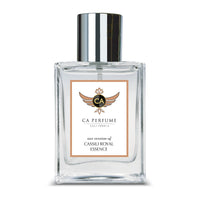
Cassili Royal Essence — Parfums De Marly Cassili Royal Essence Alternative Perfume
7.87
MEI™
Primary Romantic
Secondary Grounding
Confidence
6.56
Presence
6.79
Mood Lift
8.98
Identity
7.24
Warmth
9.5
Social Ease
8.53
Energy
4.2
" I am beautiful.
View full mood profile →
Fleur Narcotique — Ex Nihilo Fleur Narcotique Alternative Perfume
7.64
MEI™
Primary Fresh
Secondary Romantic
Confidence
6.68
Presence
6.86
Mood Lift
9.31
Identity
6.95
Warmth
7.34
Social Ease
8.47
Energy
3.5
" I am radiant.
View full mood profile →
Delina — Parfums De Marly Delina Alternative Perfume
6.53
MEI™
Primary Fresh
Secondary Romantic
Confidence
5.59
Presence
6.07
Mood Lift
7.59
Identity
6.24
Warmth
6.99
Social Ease
7.18
Energy
3.1
" I am radiant.
View full mood profile →
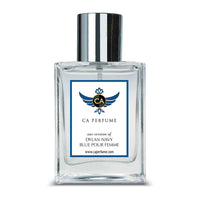
Dylan Navy Blue Pour Femme — Dylan Blue Pour Femme Alternative Perfume
5.98
MEI™
Primary Fresh
Secondary Romantic
Confidence
5.31
Presence
5.62
Mood Lift
7.07
Identity
5.51
Warmth
5.74
Social Ease
6.53
Energy
3.5
" I am radiant.
View full mood profile →
HumanSafe™

Top Petalia Fragrances by HumanSafe™ Score

These Petalia-based fragrances have the highest product-level HumanSafe™ scores in this ingredient collection.

Highest HumanSafe™ Score
Fleur Narcotique — Ex Nihilo Fleur Narcotique Alternative Perfume
A-
HumanSafe™ Score Generally Safe
Safest Evaluated Ingredients EDP
OXACYCLOHEPTADEC-10-EN-2-ONE Evaluated ingredient ISS 10.0
AQUA Solvent / Carrier ISS 10.0
LINALYL ACETATE Evaluated ingredient ISS 7.0
LINALOOL Evaluated ingredient ISS 7.0
BENZOIC ACID, 2,4-DIHYDROXY-3,6-DIMETHYL-, METHYL Evaluated ingredient ISS 7.0
ALCOHOL DENAT. Solvent / Carrier ISS 7.0
View full safety profile →
Dylan Navy Blue Pour Femme — Dylan Blue Pour Femme Alternative Perfume
A-
HumanSafe™ Score Generally Safe
Safest Evaluated Ingredients EDP
OXACYCLOHEPTADEC-10-EN-2-ONE Evaluated ingredient ISS 10.0
AQUA Solvent / Carrier ISS 10.0
ACETIC ACID, PHENYLMETHYL ESTER Evaluated ingredient ISS 10.0
BENZYL SALICYLATE Evaluated ingredient ISS 9.0
2-HEXENE, 6,6-DIMETHOXY-2,5,5-TRIMETHYL- Evaluated ingredient ISS 8.0
View full safety profile →
Delina — Parfums De Marly Delina Alternative Perfume
A-
HumanSafe™ Score Generally Safe
Safest Evaluated Ingredients EDP
BENZENEMETHANOL, .ALPHA.-(TRICHLOROMETHYL)-, ACETATE Evaluated ingredient ISS 10.0
AQUA Solvent / Carrier ISS 10.0
1,4-DIOXACYCLOHEPTADECANE-5,17-DIONE Evaluated ingredient ISS 10.0
LINALYL ACETATE Evaluated ingredient ISS 7.0
LINALOOL Evaluated ingredient ISS 7.0
ALCOHOL DENAT. Solvent / Carrier ISS 7.0
View full safety profile →
Cassili Royal Essence — Parfums De Marly Cassili Royal Essence Alternative Perfume
A-
HumanSafe™ Score Generally Safe
Safest Evaluated Ingredients EDP
AQUA Solvent / Carrier ISS 10.0
3-BUTEN-2-ONE, 3-METHYL-4-(2,6,6-TRIMETHYL-2- Evaluated ingredient ISS 8.0
LINALYL ACETATE Evaluated ingredient ISS 7.0
LINALOOL Evaluated ingredient ISS 7.0
CITRONELLOL Evaluated ingredient ISS 7.0
View full safety profile →
Expert Voices

What Masters Say About Petalia

Petalia is a synthetic aroma molecule created by Givaudan, valued for its luminous fruity-floral profile. It carries gentle rose and peony nuances alongside a fresh, juicy undertone reminiscent of ripe fruit.
CA Perfume Editorial
Its adaptability allows it to work in both feminine-leaning and more neutral or unisex compositions, making it a versatile choice for perfumers seeking a soft yet dynamic floral accent.
CA Perfume Editorial
Common Questions

Frequently Asked Questions

Answers to common questions about Petalia’s scent, use, and performance in perfumery.

Petalia in perfume smells like a radiant blend of peony, rose, and lily-of-the-valley, with a fresh, dewy, and subtly fruity undertone reminiscent of lychee or red berries. Its engineered molecular structure ensures a luminous, diffusive floralcy that remains consistent and long-lasting, making it a signature note in many modern floral-fruity fragrances.

Petalia is classified as a heart (middle) note in perfumery. Its moderate molecular weight and volatility allow it to persist throughout the fragrance’s evolution, bridging the gap between fleeting top notes and deeper base accords. It is typically used at 0.5–2% concentration to provide sustained, diffusive floralcy.

Petalia is favored in niche perfumery for its ability to deliver a modern, radiant floral signature with high stability and batch-to-batch consistency. Its synthetic origin allows perfumers to achieve effects—such as airy, dewy peony-rose accords—that are difficult or impossible with natural extracts alone. Iconic niche fragrances like Parfums de Marly Delina and Ex Nihilo Fleur Narcotique rely on Petalia for their luminous, long-lasting floral character.

Petalia fragrance uses often involve pairing with Turkish rose, lychee, musk, and green apple. These notes share molecular bridges—such as damascenone and (E)-2-hexenal—that enhance Petalia’s floral and fruity facets. Musks and soft woods like cashmeran also complement Petalia by providing a creamy, skin-like base.

Yes, Petalia’s fresh, airy floralcy is well-suited to summer and hot weather. Its volatility increases with heat, intensifying the sparkling, fruity top notes. However, longevity may be reduced in high temperatures, so lighter applications and occasional reapplication are recommended for sustained presence.

A Petalia-based fragrance typically lasts 6–8 hours on skin, depending on concentration and supporting notes. Its engineered volatility profile ensures that the floralcy persists through the heart and into the base, especially when anchored by musks or woods.

Yes, Petalia is highly compatible for layering due to its molecular affinity with rose, lychee, musk, and green notes. Layering with these notes can amplify sweetness, add depth, or introduce airy transparency. For example, pairing with lychee enhances the fruity facet, while clean musks provide a soft, modern finish.

Recommended entry points include Parfums de Marly Delina, Ex Nihilo Fleur Narcotique, and Versace Pour Femme Dylan Blue. These fragrances showcase Petalia’s signature floralcy in accessible, well-balanced compositions, making them ideal for those new to the note.

When selecting a Petalia fragrance at CA Perfume, consider your preference for supporting notes—such as rose, lychee, or musk—and desired intensity. The HumanSafe™ platform provides full ingredient transparency, allowing you to make informed choices based on olfactory profile and safety data.

Petalia’s balanced floral-fruity profile is designed for versatility, offering a luminous, modern floralcy that is neither overly sweet nor cloying. Its diffusive, airy character makes it suitable for daily wear, especially when paired with green, musky, or woody notes for added freshness and complexity.

Floral Fruity Collection

Explore Our Top Petalia Fragrances

Discover Petalia’s luminous floralcy in our curated collection, featuring radiant, modern bouquets for every season and style.

Shop all petalia fragrances at CA Perfume →

Where Petalia Comes From — Origin & Extraction

Petalia is a proprietary synthetic fragrance molecule developed and patented by Givaudan, one of the world’s leading fragrance and flavor companies. Its chemical name is 2-cyclohexylidene-2-(o-tolyl)acetonitrile, and it is classified within the floral group due to its peony-rose-lily scent character. Unlike natural floral extracts, Petalia is synthesized entirely in the laboratory, allowing for precise control over purity, olfactory profile, and performance. As a captive molecule, Petalia is produced exclusively by Givaudan in their European manufacturing facilities, with production volumes undisclosed but estimated in the low metric ton range annually, given its use in high-end and niche perfumery. The synthesis involves multi-step organic reactions, starting from petrochemical feedstocks, under controlled temperature and pressure. The final product is typically supplied as a liquid or crystalline solid, with a purity exceeding 98%. No agricultural land or natural resources are required, making its production independent of climate or harvest variability. The cost of Petalia is significantly lower than natural floral absolutes such as rose or peony, which can exceed $10,000/kg due to low extraction yields. Petalia’s price is estimated at $200–400/kg, depending on contract volume and exclusivity. Its synthetic nature ensures consistent quality and supply, with minimal environmental impact compared to the intensive water and land use of natural flower farming. Sustainability is further enhanced by the absence of pesticides, fertilizers, and the reduced carbon footprint associated with large-scale agricultural extraction. As a captive, Petalia is not available for purchase outside Givaudan’s client network, ensuring its unique olfactory signature remains exclusive to select fragrance houses.

Famous Fragrances That Define Petalia in Perfumery

Petalia’s introduction by Givaudan in the late 2000s enabled a new generation of radiant, airy floral fragrances. One of the earliest and most influential uses was in Parfums de Marly Delina (2017, perfumer Quentin Bisch), where Petalia forms the signature peony-rose-lychee heart, paired with Turkish rose, rhubarb, and musk. This composition set the standard for modern floral-fruity perfumes, with Petalia providing both lift and longevity. Ex Nihilo Fleur Narcotique (2014, Quentin Bisch) also showcases Petalia’s capabilities, blending it with bergamot, lychee, and jasmine for a transparent, effervescent floral effect. Parfums de Marly Cassili (2019, Quentin Bisch) further explores Petalia’s versatility, using it alongside plum, mimosa, and vanilla to create a creamy, velvety floral-fruity accord. Versace Pour Femme Dylan Blue (2017, Calice Becker) employs Petalia to bridge crisp green apple and blackcurrant with rose and jasmine, resulting in a fresh, modern femininity. Comme des Garçons Marseille (2021) demonstrates Petalia’s adaptability in unisex compositions, pairing it with aldehydes, musk, and aquatic notes for a clean, soapy floral impression. In each of these, Petalia functions as a dominant or bridge note, seamlessly connecting fruity top notes with floral and musky bases. CA Perfume’s collection draws inspiration from this lineage, offering Petalia-forward fragrances that reflect the molecule’s luminous, contemporary character.

Natural vs Synthetic Petalia in Perfumery

Petalia is a fully synthetic molecule; there is no natural counterpart or direct botanical source. Its structure, 2-cyclohexylidene-2-(o-tolyl)acetonitrile (CAS 37209-30-2), was designed to mimic and enhance the fresh, dewy floralcy of peony and rose, with added fruity nuances. Other synthetic floral molecules used for similar effects include Calone (CAS 28940-11-6), which imparts watery freshness; Lyral (CAS 31906-04-4), for muguet (lily-of-the-valley) notes; and Rosaphen (CAS 103694-68-4), for rosy-green nuances. Compared to natural floral extracts, Petalia offers superior stability, longevity, and diffusion. Natural peony or rose absolutes are complex mixtures of hundreds of molecules, often unstable and prone to oxidation, resulting in batch variability and shorter shelf life. Petalia, by contrast, is engineered for high stability and minimal allergenic potential, with IFRA guidelines permitting its use at up to 2% in finished fragrance. Its cost is also far lower—$200–400/kg versus $7,000–10,000/kg for rose absolute. Famous fragrances using Petalia include Parfums de Marly Delina (2017) and Ex Nihilo Fleur Narcotique (2014), both of which rely on the molecule’s unique radiance and consistency. Sustainability is a key advantage: Petalia’s laboratory synthesis avoids the environmental impact of large-scale flower farming. CA Perfume’s HumanSafe™ platform ensures all Petalia-containing fragrances are transparently labeled, with full traceability for consumer safety and environmental stewardship.