Ingredient Guide · Amber Balsamic
Amber Balsamic Family · Perfumery Note

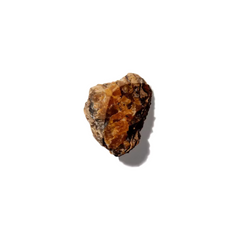
Peru Balsam

Explore the rich, sweet nuances of Peru Balsam.

Peru Balsam is a base note in perfumery known for its warm, sweet, and balsamic character. Extracted from the Myroxylon tree, it is used in concentrations of 2.5-10% in fragrance compositions.

Peru Balsam
Ingredient Profile

Peru Balsam

Amber Balsamic Family
Family Amber Balsamic
Note Position Base Note
Usage Level 2.5-10%
Key Origins El Salvador, Colombia, Brazil
Iconic In Shalimar, Elixir des Merveilles
The Ingredient

What does Peru Balsam smell like and why is it significant in perfumery?

Peru Balsam, derived from the Myroxylon balsamum tree, has a complex scent profile characterized by warm, sweet, and balsamic notes. The primary aromatic compounds include vanillin, cinnamic acid, and benzyl benzoate, which contribute to its rich, resinous aroma. Typically classified as a base note, it is used in concentrations of 2.5-10% in perfumery, often providing depth and longevity to compositions. Peru Balsam interacts uniquely with skin chemistry, enhancing its warm and sweet characteristics upon application. In perfumery, Peru Balsam is often found in oriental and gourmand fragrances, where it serves as a fixative that helps anchor lighter notes, allowing for a more balanced scent experience. Notable fragrances that exemplify its use include Guerlain's Shalimar and Hermès' Elixir des Merveilles, where it adds a warm, enveloping quality to the overall composition.

2.5-10%
Typical concentration levels of Peru Balsam in fragrance formulations, allowing for its rich character to be effectively showcased.
80 tons
Estimated annual production of Peru Balsam, primarily sourced from El Salvador, highlighting its significance in the fragrance industry.
400 hours
Longevity of Peru Balsam on a smelling strip, indicating its strong and lasting presence in fragrance compositions.
Origin & Extraction

Where Peru Balsam Comes From — Origin & Extraction

Peru Balsam is primarily sourced from El Salvador, where the Myroxylon balsamum tree thrives in tropical climates. The region's rich soil and warm temperatures contribute to the resin's aromatic complexity.

Peru Balsam is sourced from the Myroxylon balsamum tree, primarily found in El Salvador, which is the leading exporter of this resin. The extraction process involves making incisions in the tree's bark, allowing the balsam to seep out and be collected. The resin is then boiled to separate it from the bark. This method yields a thick, dark brown liquid that has a complex aromatic profile, rich in vanillin and cinnamic acid. Peru Balsam production is sustainable, as the tree can regenerate after harvesting, although care must be taken to prevent over-extraction. The resin is valued for its aromatic properties and is used in various cosmetic and perfumery applications.

SV

El Salvador

El Salvador is the main producer of Peru Balsam, with its warm climate and fertile soil providing ideal growing conditions for the Myroxylon balsamum tree. The resin is harvested sustainably, ensuring the tree's health while meeting global demand.

CO

Colombia

Colombia also produces Tolu Balsam, a close relative of Peru Balsam, but the latter is more commonly associated with El Salvador. The cultivation practices in Colombia focus on sustainability and preserving the biodiversity of the region.

BR

Brazil

Brazil is known for its diverse flora, including species that produce similar resins. However, Peru Balsam is primarily linked to El Salvador, where the extraction methods are more established.

Chemistry

Natural vs Synthetic Peru Balsam in Perfumery

Natural Peru Balsam is highly valued for its rich, complex aroma, but it is also known to cause sensitization in some individuals, leading to regulatory restrictions on its use in fragrances. Synthetic alternatives, such as Peru Balsam Synthetic Oil, offer a consistent and allergen-controlled option for perfumers. These synthetics replicate the warm, sweet balsamic character of natural Peru Balsam while allowing for greater formulation flexibility and compliance with safety regulations. The cost of natural Peru Balsam can range from $300 to $600 per kilogram, while synthetic versions are typically priced between $50 to $150 per kilogram, making them a more economical choice for large-scale production.

Natural
Peru Balsam Absolute
Cost $3,000–6,000/kg
Method Solvent / CO₂
Character Complex, variable
vs
Synthetic
Safranal & Analogues
Cost $50–200/kg
Method Lab synthesis
Character Consistent, stable
Hall of Fame

Famous Fragrances That Define Peru Balsam in Perfumery

1925
dominant note

Shalimar

Guerlain
vanillabergamotiris
2004
accent

Elixir des Merveilles

Hermès
ambercitruswood
1953
supporting note

Youth Dew

Estée Lauder
rosejasminespices
2016
dominant note

Paradigme

Prada
amberfloral noteswoody notes
2015
dominant note

By the Fireplace

Maison Martin Margiela
chestnutvanillawood

Peru Balsam is featured in a variety of renowned fragrances, showcasing its versatility and depth. Here are some notable examples: 1. **Guerlain Shalimar (1925)** - A classic oriental fragrance that uses Peru Balsam to enhance its vanilla character, providing warmth and depth. 2. **Hermès Elixir des Merveilles (2004)** - This fragrance utilizes Peru Balsam to create a sweet, mysterious quality beneath lighter top notes, solidifying its unique character. 3. **Estée Lauder Youth Dew (1953)** - A rich, floral fragrance that incorporates Peru Balsam to add a darker, more complex vanilla note. 4. **Prada Paradigme (2016)** - This modern fragrance features Peru Balsam as a key ingredient, contributing to its warm and inviting profile. 5. **Maison Martin Margiela By the Fireplace (2015)** - A cozy, warm scent that uses Peru Balsam to evoke the feeling of sitting by a fire, enhancing its resinous qualities.

The Accord

How is a captivating Peru Balsam accord crafted?

Creating a captivating accord with Peru Balsam involves balancing its rich, warm notes with complementary ingredients. A typical formula might include: - Peru Balsam 30-35%: Provides the warm, sweet, and balsamic foundation. - Benzoin 20-25%: Adds a creamy, vanilla-like quality that enhances the sweetness. - Labdanum 15-20%: Contributes depth and a resinous character, complementing the balsam. - Tonka Bean 20-25%: Introduces a sweet, nutty facet that rounds out the accord.

30-35%

Peru Balsam

30-35% of blend

Provides the warm, sweet, and balsamic foundation.

20-25%

Benzoin

20-25% of blend

Adds a creamy, vanilla-like quality that enhances the sweetness.

15-20%

Labdanum

15-20% of blend

Contributes depth and a resinous character, complementing the balsam.

20-25%

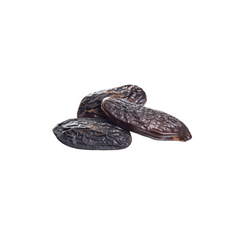
Tonka Bean

20-25% of blend

Introduces a sweet, nutty facet that rounds out the accord.

The Olfactory Layers

How Peru Balsam Evolves on Skin

The olfactory evolution of Peru Balsam unfolds over several hours, beginning with warm, sweet notes that gradually reveal deeper, resinous undertones.

I
Top notes
0–15 min
Sweet Warmth

Initially, Peru Balsam presents a sweet, warm aroma with hints of vanilla and cinnamon. These high-volatility compounds create an inviting first impression, drawing the wearer in.

sweetwarminviting
II
Heart notes
20–60 min
Resinous Depth

As the fragrance develops, the balsamic and resinous qualities emerge, providing depth and complexity. The scent becomes richer and more enveloping, enhancing its warm character.

balsamicresinouscomplex
III
Base notes
Several hours
Comforting Embrace

In the drydown, Peru Balsam reveals its full-bodied warmth, with lingering sweet and woody notes. This stage offers a lasting impression, grounding the fragrance in a comforting embrace.

woodylong-lastingcomforting
TOP NOTES Sweet Warmth 0–15 minutes HEART NOTES Resinous Depth 20–60 minutes BASE NOTES Comforting Embrace Several hours
Through the Ages

The Story of Peru Balsam in Perfumery

Peru Balsam has a rich history in perfumery, tracing back to ancient civilizations that utilized its aromatic properties for both fragrance and medicinal purposes.

Antiquity

Use in Ancient Rituals

Peru Balsam was used by indigenous cultures in Central America for purification rituals and as a healing agent.

16th Century

Introduction to Europe

Spanish explorers brought Peru Balsam to Europe, where it became popular in perfumery and medicine.

19th Century

Commercial Production

The commercial extraction of Peru Balsam began, establishing El Salvador as a key producer.

1982

Regulatory Restrictions

The International Fragrance Association banned the use of crude Peru Balsam in fragrances due to allergenic concerns.

21st Century

Modern Applications

Synthetic alternatives to Peru Balsam have been developed, allowing for safer and more consistent formulations in perfumery.

The Art of Layering

How to Layer Peru Balsam

Layering Peru Balsam with complementary notes can enhance its aromatic profile and create a more complex fragrance experience.

01

Enhance Sweetness

Pairing Peru Balsam with vanilla allows the sweet notes to shine, creating a warm and inviting fragrance. The shared vanillin compound creates a seamless blend, enhancing the overall sweetness.

02

Add Depth

Layering with benzoin introduces a rich, creamy quality that complements Peru Balsam's warm character. The resinous nature of both ingredients creates a harmonious and balanced accord.

03

Lighten the Glow

Combining Peru Balsam with citrus notes like bergamot can brighten the overall fragrance. The citrus's freshness balances the sweetness of the balsam, creating a lively and uplifting scent.

Wear It Right

How to Wear Peru Balsam Like a Pro

Seasonal Guide

Fall & Winter

In colder months, Peru Balsam's warm and sweet notes shine, making it ideal for cozy evenings and festive gatherings. Apply generously to enjoy its enveloping character.

Spring

As the weather warms, Peru Balsam can be layered with lighter florals to create a balanced fragrance that feels fresh yet comforting. Use it in moderation to avoid overwhelming sweetness.

Summer

In hot weather, opt for lighter formulations that feature Peru Balsam as a subtle base note. This allows its warmth to enhance floral and citrus notes without becoming too heavy.

Year-Round Tip

Peru Balsam is versatile enough for year-round wear. Consider layering it with complementary notes like vanilla or benzoin to create a signature scent that evolves beautifully with the seasons.

Application Points

Strategic application of Peru Balsam enhances its aromatic qualities and longevity.

1

Neck

Applying Peru Balsam to the neck allows for warmth from body heat to enhance its projection, making it more noticeable throughout the day.

2

Behind the Ears

This pulse point is ideal for applying Peru Balsam, as the warmth will amplify its sweet and balsamic notes, creating a captivating aura.

3

Inner Wrists

Applying to the inner wrists allows for easy reapplication and a subtle scent trail that can be enjoyed throughout the day.

4

Hair

Spraying Peru Balsam on hair can create a lasting scent that evolves beautifully, as the fragrance is released with movement.

Pro Tip

For a more intense experience, layer Peru Balsam with complementary notes like vanilla or benzoin to enhance its warmth and sweetness.

Mood Architecture™

Top Peru Balsam Fragrances by Mood Score

These Peru Balsam-based fragrances scored highest on the MEI™ Mood Architecture Framework — measuring how a scent may influence your emotional state.

Highest MEI Score
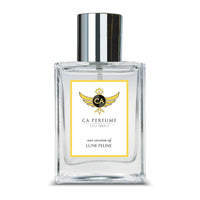
Lune Feline — Atelier Cologne Lune Feline Alternative Perfume
8.71
MEI™
Primary Romantic
Secondary Confident
Confidence
8.16
Presence
8.08
Mood Lift
9.45
Identity
8.27
Warmth
9.5
Social Ease
9.04
Energy
5.2
" I am beautiful.
View full mood profile →
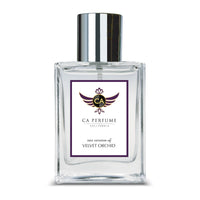
Velvet Orchid — Tom Ford Velvet Orchid Alternative Perfume
7.92
MEI™
Primary Romantic
Secondary Confident
Confidence
7.19
Presence
7.62
Mood Lift
8.55
Identity
7.84
Warmth
9.5
Social Ease
7.82
Energy
4.0
" I am beautiful.
View full mood profile →
By The Fireplace — Maison Martin Margiela By the Fireplace Impression Alternative Perfume
7.71
MEI™
Primary Romantic
Secondary Confident
Confidence
7.23
Presence
7.13
Mood Lift
7.89
Identity
7.07
Warmth
9.5
Social Ease
7.8
Energy
4.7
" I am beautiful.
View full mood profile →
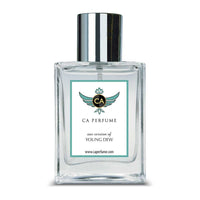
Young Dew — Youth Dew Alternative Perfume
7.6
MEI™
Primary Confident
Secondary Magnetic
Confidence
7.9
Presence
8.55
Mood Lift
7.2
Identity
8.21
Warmth
8.8
Social Ease
6.39
Energy
5.8
" I am confident.
View full mood profile →
HumanSafe™

Top Peru Balsam Fragrances by HumanSafe™ Score

These Peru Balsam-based fragrances have the highest product-level HumanSafe™ scores in this ingredient collection.

Highest HumanSafe™ Score
Young Dew — Youth Dew Alternative Perfume
A-
HumanSafe™ Score Generally Safe
Safest Evaluated Ingredients EDP
AQUA Solvent / Carrier ISS 10.0
ACETIC ACID, PHENYLMETHYL ESTER Evaluated ingredient ISS 10.0
HEPTANAL, 2-(PHENYLMETHYLENE)- Evaluated ingredient ISS 9.0
BENZYL SALICYLATE EYE IRRITATION - CAT.2B [H320] Evaluated ingredient ISS 9.0
2H-1-BENZOPYRAN-2-ONE Evaluated ingredient ISS 8.0
LINALYL ACETATE Evaluated ingredient ISS 7.0
View full safety profile →
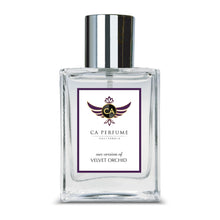
Velvet Orchid — Tom Ford Velvet Orchid Alternative Perfume
A-
HumanSafe™ Score Generally Safe
Safest Evaluated Ingredients EDP
AQUA Solvent / Carrier ISS 10.0
ACETIC ACID, PHENYLMETHYL ESTER Evaluated ingredient ISS 10.0
BENZYL SALICYLATE Evaluated ingredient ISS 9.0
3-CYCLOPENTENE-1-ACETALDEHYDE, 2,2,3-TRIMETHYL-, Evaluated ingredient ISS 9.0
3-BUTEN-2-ONE, 3-METHYL-4-(2,6,6-TRIMETHYL-2- Evaluated ingredient ISS 8.0
View full safety profile →
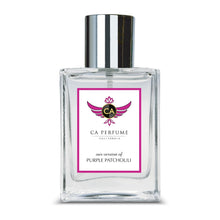
Purple Patchouli — Patchouli Absolu Alternative Perfume
A-
HumanSafe™ Score Generally Safe
Safest Evaluated Ingredients EDP
AQUA Solvent / Carrier ISS 10.0
2-BUTEN-1-OL, 2-METHYL-4-(2,2,3-TRIMETHYL-3- Evaluated ingredient ISS 10.0
BENZYL SALICYLATE Evaluated ingredient ISS 9.0
BENZENEPROPANAL, 4-METHOXY-.ALPHA.-METHYL- Evaluated ingredient ISS 9.0
4H-INDEN-4-ONE, 1,2,3,5,6,7-HEXAHYDRO-1,1,2,3,3- Evaluated ingredient ISS 9.0
View full safety profile →
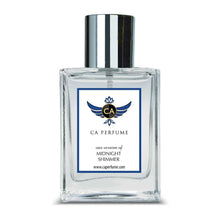
Midnight Shimmer — Midnight Shimmer Alternative Perfume
A-
HumanSafe™ Score Generally Safe
Safest Evaluated Ingredients EDP
AQUA Solvent / Carrier ISS 10.0
1,4-DIOXACYCLOHEPTADECANE-5,17-DIONE Evaluated ingredient ISS 10.0
AMBROXIDE Evaluated ingredient ISS 9.0
ALCOHOL DENAT. Solvent / Carrier ISS 7.0
View full safety profile →
Expert Voices

What Masters Say About Peru Balsam

Peru Balsam is a unique ingredient that adds warmth and depth to any fragrance composition.
CA Perfume Editorial
The rich, sweet aroma of Peru Balsam is essential for creating complex, layered fragrances.
CA Perfume Editorial
Common Questions

Frequently Asked Questions

Frequently asked questions about Peru Balsam provide insights into its characteristics and uses.

Peru Balsam has a warm, sweet, and balsamic scent profile, often described as rich and inviting. It features notes of vanilla and cinnamon, contributing to its complex aroma.

Peru Balsam is classified as a base note in perfumery, providing depth and longevity to fragrance compositions.

Peru Balsam is favored in niche perfumes for its rich, warm aroma and its ability to enhance the complexity of fragrance compositions, making it a popular choice among perfumers.

Peru Balsam pairs well with notes like vanilla, benzoin, tonka bean, and floral elements such as rose and jasmine, creating harmonious and inviting fragrance blends.

While Peru Balsam can be used in summer fragrances, it is best in lighter formulations to avoid overwhelming sweetness. Layering with citrus notes can help balance its warmth.

Fragrances containing Peru Balsam can have excellent longevity, often lasting several hours due to its fixative properties.

Yes, Peru Balsam can be layered with other fragrances, particularly those with complementary notes like vanilla or floral elements, to create a more complex scent experience.

For beginners, fragrances like Guerlain's Shalimar and Hermès' Elixir des Merveilles are excellent choices, showcasing the warm and inviting qualities of Peru Balsam.

When selecting a Peru Balsam fragrance, consider your personal scent preferences and how the fragrance interacts with your skin chemistry to find the perfect match.

Peru Balsam has a sweet, warm aroma with hints of cinnamon, making it both sweet and slightly spicy in character.

Amber Balsamic Collection

Explore Our Top Peru Balsam Fragrances

Discover the best fragrances featuring Peru Balsam, showcasing its warm and inviting character.

Shop all Peru Balsam fragrances at CA Perfume →

Where Peru Balsam Comes From — Origin & Extraction

Peru Balsam is sourced from the Myroxylon balsamum tree, primarily found in El Salvador, which is the leading exporter of this resin. The extraction process involves making incisions in the tree's bark, allowing the balsam to seep out and be collected. The resin is then boiled to separate it from the bark. This method yields a thick, dark brown liquid that has a complex aromatic profile, rich in vanillin and cinnamic acid. Peru Balsam production is sustainable, as the tree can regenerate after harvesting, although care must be taken to prevent over-extraction. The resin is valued for its aromatic properties and is used in various cosmetic and perfumery applications.

Famous Fragrances That Define Peru Balsam in Perfumery

Peru Balsam is featured in a variety of renowned fragrances, showcasing its versatility and depth. Here are some notable examples: 1. **Guerlain Shalimar (1925)** - A classic oriental fragrance that uses Peru Balsam to enhance its vanilla character, providing warmth and depth. 2. **Hermès Elixir des Merveilles (2004)** - This fragrance utilizes Peru Balsam to create a sweet, mysterious quality beneath lighter top notes, solidifying its unique character. 3. **Estée Lauder Youth Dew (1953)** - A rich, floral fragrance that incorporates Peru Balsam to add a darker, more complex vanilla note. 4. **Prada Paradigme (2016)** - This modern fragrance features Peru Balsam as a key ingredient, contributing to its warm and inviting profile. 5. **Maison Martin Margiela By the Fireplace (2015)** - A cozy, warm scent that uses Peru Balsam to evoke the feeling of sitting by a fire, enhancing its resinous qualities.

Natural vs Synthetic Peru Balsam in Perfumery

Natural Peru Balsam is highly valued for its rich, complex aroma, but it is also known to cause sensitization in some individuals, leading to regulatory restrictions on its use in fragrances. Synthetic alternatives, such as Peru Balsam Synthetic Oil, offer a consistent and allergen-controlled option for perfumers. These synthetics replicate the warm, sweet balsamic character of natural Peru Balsam while allowing for greater formulation flexibility and compliance with safety regulations. The cost of natural Peru Balsam can range from $300 to $600 per kilogram, while synthetic versions are typically priced between $50 to $150 per kilogram, making them a more economical choice for large-scale production.