

Ingredient Guide · Floral Fruity
Floral Fruity Family · Perfumery Note

Pear Blossom

A crisp, floral note capturing spring's essence

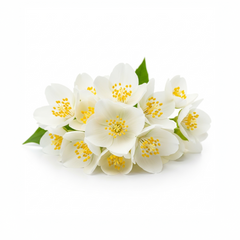
Pear Blossom is a fresh floral note used as a top or heart note in perfumery, characterized by a crisp, subtly sweet scent reminiscent of blooming pear trees. Its scent profile includes key molecules like hexyl acetate, used typically at 0.1–0.3% concentration.

Pear Blossom
Ingredient Profile

Pear Blossom

Floral Fruity Family
Family Floral Fruity
Note Position Heart Note
Usage Level 0.1–0.3%
Key Origins France, Bulgaria, United States
Iconic In Green Tea Pear Blossom, English Pear & Freesia
The Ingredient

What does Pear Blossom smell like and why is it significant in perfumery?

Pear Blossom is a delicate floral note derived from the blossoms of pear trees (genus Pyrus, family Rosaceae). Its scent is fresh, airy, and subtly sweet with light fruity nuances reminiscent of the crispness of fresh pear fruit. The primary aroma chemicals responsible include hexyl acetate, which imparts the characteristic fresh and fruity facets, alongside phenylethyl acetate contributing a rose-honey nuance. This combination creates a scent profile that is both bright and soft, making pear blossom a unique floral-fruity hybrid in perfumery. In perfumery, pear blossom is typically used as a top or heart note at concentrations ranging from 0.1% to 0.3%, where it provides a fresh, uplifting opening or a gentle floral heart. Its lightness allows it to blend well with other florals, fruits, and musks, and it interacts favorably with skin chemistry by offering a clean, non-overpowering scent that evolves softly over time. Pear blossom's subtle sweetness and airy character make it ideal for fresh, spring-like compositions. Notable examples of pear blossom in perfumery include Elizabeth Arden's Green Tea Pear Blossom (2020), where it blends with Anjou pear, bergamot, and jasmine sambac to create a floral-fruity aromatic scent, and Jo Malone's English Pear & Freesia (2010) by Christine Nagel, which pairs pear blossom with freesia, musk, and patchouli for a crisp yet warm fragrance. These fragrances demonstrate pear blossom's versatility and appeal in both designer and niche perfumery.

0.1–0.3%
Typical concentration range of pear blossom accord in Eau de Parfum formulations, balancing freshness and longevity.
4–6 Hours
Average longevity of pear blossom fragrances on skin, especially when combined with warm base notes like vanilla and benzoin.
$100–$500/kg
Price range for synthetic pear blossom aroma chemicals, significantly lower than rare natural absolutes.
Origin & Extraction

Where Pear Blossom Comes From — Origin & Extraction

Pear Blossom's fragrance character is influenced by the temperate climates and soil conditions of its growing regions. The balance of cool spring temperatures and fertile soils supports the development of delicate blossoms with fresh, floral, and subtly fruity aromas.

Pear Blossom originates from the flowers of pear trees, primarily Pyrus communis, a member of the Rosaceae family. These trees thrive in temperate regions across Europe, Asia, and North America. Key producing countries include France, Bulgaria, and the United States, each known for distinct pear varieties and orchard cultivation practices. France, for example, is renowned for its Anjou pear orchards, which produce blossoms prized for their fresh, floral aroma. Due to the delicate nature of pear blossoms, direct extraction of their essential oils is uncommon. Instead, perfumers rely on advanced techniques such as headspace technology, which captures the scent molecules directly from the living flowers without damaging them. This method preserves the fresh, airy qualities of the blossom. Additionally, synthetic accords are widely used to replicate pear blossom's scent, combining esters like hexyl acetate and phenylethyl acetate with floral and fruity notes. Extraction yields from natural sources are low, making natural pear blossom absolute rare and costly, often exceeding several thousand dollars per kilogram. Synthetic molecules provide a cost-effective and consistent alternative, with prices ranging from $100 to $500 per kilogram depending on purity and supplier. Sustainability considerations favor synthetic production due to the environmental impact of harvesting delicate blossoms and the labor-intensive nature of orchard cultivation.

FR

France

The Anjou region is renowned for its pear orchards, where the moderate climate and well-drained soils produce blossoms with a bright, fresh floral aroma. France accounts for a significant share of European pear production, influencing local perfumery traditions.

BG

Bulgaria

Bulgaria's fertile plains and temperate climate yield pear blossoms with a soft, floral scent profile. The region's aromatic heritage includes traditional use of pear blossom in fragrance compositions.

US

United States

American pear orchards, particularly in the Pacific Northwest, produce blossoms noted for their crisp, refreshing scent. These orchards contribute to contemporary fragrance inspirations reflecting springtime freshness.

Chemistry

Natural vs Synthetic Pear Blossom in Perfumery

Natural pear blossom essence is difficult to obtain due to the fragility of the flowers and low extraction yields. When available, natural isolates are produced via headspace extraction or solvent extraction of floral absolutes, capturing the fresh, floral, and subtly fruity scent. However, these natural extracts are expensive, variable in quality, and less stable. Synthetic pear blossom accords are primarily composed of esters such as hexyl acetate (CAS 142-92-7), phenylethyl acetate (CAS 103-45-7), and ethyl decadienoate, which replicate the juicy, fresh, and floral facets of the natural blossom. These synthetics offer greater stability, longevity, and diffusion in fragrance compositions, and are more cost-effective, priced roughly between $100 and $500 per kilogram. Famous fragrances like Jo Malone's English Pear & Freesia utilize a blend of natural and synthetic ingredients to achieve a balanced pear blossom accord. Synthetic molecules enhance tenacity and projection without compromising the delicate character. The HumanSafe™ platform verifies the safety and transparency of these synthetic ingredients, ensuring responsible sourcing and formulation. CA Perfume embraces a balanced approach, favoring synthetic molecules for consistency and sustainability while incorporating natural isolates when available to enrich the olfactory complexity.

Natural
Pear Blossom Absolute
Cost $3,000–6,000/kg
Method Solvent / CO₂
Character Complex, variable
vs
Synthetic
Safranal & Analogues
Cost $50–200/kg
Method Lab synthesis
Character Consistent, stable
Hall of Fame

Famous Fragrances That Define Pear Blossom in Perfumery

2020
heart note

Green Tea Pear Blossom

Elizabeth Arden
by Sandra Raičević Petrović
Anjou pearbergamotjasmine sambacgreen tea
2010
heart note

English Pear & Freesia

Jo Malone London
by Christine Nagel
freesiamuskpatchoulirhubarb
2023
main note

Pear Blossom

Mix:Bar
by Claude Dir
white muskapple treepeony

Pear Blossom has become a cherished note in modern perfumery, featured prominently in several landmark fragrances that showcase its fresh, floral, and subtly fruity character. Elizabeth Arden's Green Tea Pear Blossom (2020), crafted by perfumer Sandra Raičević Petrović, uses pear blossom as a heart note, blending it with Anjou pear, bergamot, jasmine sambac, and green tea to create a bright, spring-inspired aromatic floral fragrance. Jo Malone London's English Pear & Freesia (2010), by Christine Nagel, is a seminal fragrance where pear blossom forms the core of the composition, paired with freesia, musk, patchouli, and rhubarb. This fragrance highlights pear blossom's crispness and versatility in a chypre fruity structure. Other notable fragrances include Mix:Bar Pear Blossom (2023) by Claude Dir, where pear blossom is combined with white musk, apple tree, and peony to create a sweet floral fruity scent. These fragrances demonstrate pear blossom's adaptability across fragrance families and its appeal in both daytime and evening wear. CA Perfume's collection reflects this lineage by emphasizing fresh, floral accords that honor pear blossom's elegant and uplifting qualities.

The Accord

How is a captivating Pear Blossom accord crafted?

A Pear Blossom accord is constructed by blending pear blossom (30-35%) with complementary floral and sweet notes to balance its fresh, crisp character. Rose (20-25%) adds a classic floral depth, sharing phenylethyl acetate molecules that harmonize with pear blossom's fruity facets. Vanilla (20-25%) contributes vanillin, softening the accord with warm sweetness and enhancing longevity. Benzoin (20-25%) introduces a balsamic, creamy undertone that stabilizes the freshness and adds richness. This blend totals approximately 95-100%, creating a luminous, elegant accord that captures pear blossom's essence.

35%

Pear Blossom

30–35% of blend

Provides the fresh, crisp floral-fruity heart of the accord, driven by hexyl acetate and phenylethyl acetate molecules.

25%

Rose

20–25% of blend

Adds floral depth and complexity, sharing aromatic esters with pear blossom for seamless olfactory integration.

25%

Vanilla

20–25% of blend

Softens the accord with vanillin's creamy sweetness, enhancing warmth and longevity.

25%

Benzoin

20–25% of blend

Contributes a warm, balsamic undertone that stabilizes the fresh floral notes and adds richness.

The Olfactory Layers

How Pear Blossom Evolves on Skin

Pear Blossom fragrances evolve from a bright, fresh top note dominated by volatile esters like hexyl acetate, through a floral heart enriched with phenylethyl acetate and jasmine absolutes, to a warm, creamy base where vanillin and benzoin provide lasting depth. The evaporation rates of these molecules dictate the olfactory progression over 4 to 6 hours.

I
Top notes
0–15 min
Bright & Crisp

The initial impression is a crisp, bright burst of pear blossom freshness, driven by high-volatility esters such as hexyl acetate. This stage is characterized by light, fruity-floral sweetness that quickly uplifts the senses.

FreshCrispFruity
II
Heart notes
20–60 min
Soft Floral Bouquet

The heart reveals a soft bouquet of pear flowers intertwined with honeyed rose and jasmine sambac. Phenylethyl acetate and floral absolutes dominate, creating a tender, romantic floral experience.

FloralHoneyedRomantic
III
Base notes
Several hours
Creamy Warmth

The base unfolds into a creamy, warm blend of vanilla and benzoin, with white musk and amber providing subtle depth and longevity. Vanillin and balsamic compounds soften the floral edges and anchor the fragrance.

CreamyWarmSoft
TOP NOTES Bright & Crisp 0–15 minutes HEART NOTES Soft Floral Bouquet 20–60 minutes BASE NOTES Creamy Warmth Several hours
Through the Ages

The Story of Pear Blossom in Perfumery

Pear Blossom's use in perfumery has evolved from ancient appreciation of pear trees to modern synthetic recreations, marking key milestones in fragrance history.

Antiquity

Early Cultivation of Pear Trees

Pear trees (Pyrus communis) were cultivated in ancient Greece and Rome over 3,000 years ago, valued for their fruit and blossoms, though their scent was not yet isolated for perfumery.

Renaissance

Fruit and Floral Distillations

European perfumers began distilling fruits and flowers, including pear blossoms, integrating their aromas into early fragrance compositions.

20th Century

Advances in Synthetic Aroma Chemicals

Development of esters such as hexyl acetate enabled the synthetic recreation of pear and pear blossom scents, expanding perfumers' palettes.

2010

Launch of Jo Malone English Pear & Freesia

Christine Nagel's fragrance prominently featured pear blossom, popularizing the note in contemporary perfumery.

2020

Elizabeth Arden Green Tea Pear Blossom Release

A modern aromatic floral fragrance highlighting pear blossom with natural and synthetic blends, reflecting the note's growing prominence.

The Art of Layering

How to Layer Pear Blossom

Understanding how to layer pear blossom involves molecular compatibility and olfactory synergy. Layering pear blossom with notes sharing ester compounds or complementary floral aldehydes enhances harmony and depth.

01

Enhance Sweetness

Pair pear blossom with vanilla to soften its crispness via vanillin's olfactory masking, creating a warm, creamy sweetness as seen in Elizabeth Arden Green Tea Pear Blossom.

02

Add Depth

Combine with benzoin to introduce balsamic undertones that stabilize pear blossom's volatility, enriching the accord's longevity and complexity.

03

Lighten the Glow

Layer with citrus notes like bergamot or lemon to amplify pear blossom's fresh, sparkling facets through shared volatile esters, enhancing brightness and vibrancy.

Wear It Right

How to Wear Pear Blossom Like a Pro

Seasonal Guide

Fall & Winter

In cooler weather, pear blossom's volatile esters evaporate more slowly, reducing projection. Layering with warm base notes like vanilla or benzoin can enhance sillage and longevity during these seasons.

Spring

Spring's mild temperatures and humidity amplify pear blossom's fresh floral character, making it ideal for daytime wear. Light application preserves its airy elegance.

Summer

Heat increases molecular diffusion, intensifying pear blossom's crisp and juicy facets. Use moderate application to avoid overwhelming freshness in hot climates.

Year-Round Tip

Adjust application based on temperature and humidity, layering pear blossom with complementary notes to maintain balance and longevity.

Application Points

Strategic application enhances pear blossom's fresh floral impact and longevity.

1

Neck

Pulse points at the neck emit heat that activates pear blossom's volatile esters, enhancing projection and freshness.

2

Behind the Ears

This warm area allows subtle diffusion of pear blossom's floral heart, creating an intimate scent aura.

3

Inner Wrists

Wrists provide warmth and movement, releasing pear blossom's bright top notes effectively throughout the day.

4

Hair

Hair fibers hold fragrance molecules longer, allowing pear blossom's creamy base notes to linger softly.

Pro Tip

Apply a light layer of unscented moisturizer before perfume to enhance adherence and longevity of pear blossom notes.

Mood Architecture™

Top Pear Blossom Fragrances by Mood Score

These Pear Blossom-based fragrances scored highest on the MEI™ Mood Architecture Framework — measuring how a scent may influence your emotional state.

Highest MEI Score
Andromeda — Tiziana Terenzi Andromeda Alternative Perfume
6.84
MEI™
Primary Romantic
Secondary Confident
Confidence
5.99
Presence
6.19
Mood Lift
7.52
Identity
6.24
Warmth
8.0
Social Ease
7.44
Energy
3.5
" I am beautiful.
View full mood profile →
HumanSafe™

Top Pear Blossom Fragrances by HumanSafe™ Score

These Pear Blossom-based fragrances have the highest product-level HumanSafe™ scores in this ingredient collection.

Highest HumanSafe™ Score
Andromeda — Tiziana Terenzi Andromeda Alternative Perfume
A-
HumanSafe™ Score Generally Safe
Safest Evaluated Ingredients EDP
AQUA Solvent / Carrier ISS 10.0
1,4-DIOXACYCLOHEPTADECANE-5,17-DIONE Evaluated ingredient ISS 10.0
3-CYCLOPENTENE-1-ACETALDEHYDE, 2,2,3-TRIMETHYL-, Evaluated ingredient ISS 9.0
LINALOOL Evaluated ingredient ISS 7.0
CYCLOHEXANEPROPANOL, 2,2,6-TRIMETHYL-.ALPHA.-PROPYL- Evaluated ingredient ISS 7.0
CITRONELLOL Evaluated ingredient ISS 7.0
View full safety profile →
Expert Voices

What Masters Say About Pear Blossom

Inspired by the delicate white blossoms of the green Anjou Pear Tree, this scent captures the fragrant aroma of a sun-drenched grove. From its first impression, it bursts with a far-reaching, sweet floral scent, captivating joy and happiness.
Elizabeth Arden Brand Statement
Pear Blossom's fresh, crisp character is primarily due to hexyl acetate and phenylethyl acetate esters, which create a unique floral-fruity hybrid note that is both uplifting and elegant.
CA Perfume Editorial
Common Questions

Frequently Asked Questions

Frequently asked questions about Pear Blossom in perfumery, addressing scent, usage, and layering.

Pear Blossom in perfume smells fresh, floral, and subtly sweet with crisp fruity nuances reminiscent of blooming pear trees. Key molecules like hexyl acetate provide a bright, juicy aroma, while phenylethyl acetate adds a rose-honey nuance. It is often used as a top or heart note, creating an uplifting and delicate scent profile.

Pear Blossom is primarily used as a top or heart note in fragrances. Its volatile esters provide a fresh and bright opening, while its floral nuances develop in the heart. It is rarely used as a base note due to its light and ephemeral nature.

Pear Blossom is favored in niche perfumery for its unique combination of fresh floral and fruity facets, which add complexity and modernity to compositions. Its subtle sweetness and airy character complement sophisticated blends, appealing to consumers seeking elegant and refreshing scents.

Pear Blossom pairs well with vanilla, rose, benzoin, freesia, and citrus notes like bergamot and lemon. These combinations enhance its floral-fruity character, add warmth or brightness, and create balanced accords suitable for various fragrance families.

Yes, Pear Blossom perfumes are ideal for summer and warm climates due to their fresh, crisp, and uplifting scent profile. However, moderate application is recommended in hot weather to avoid overwhelming brightness caused by increased molecular diffusion.

Pear Blossom fragrances typically last between 4 to 6 hours on skin, especially when blended with warmer base notes like vanilla and benzoin that extend longevity and soften the floral edges.

Yes, layering Pear Blossom with complementary notes such as vanilla, musk, or citrus can enhance its freshness, depth, and longevity. Layering techniques that consider molecular compatibility create harmonious scent profiles.

Beginner-friendly Pear Blossom perfumes include Jo Malone's English Pear & Freesia and Elizabeth Arden's Green Tea Pear Blossom, which offer balanced, fresh, and approachable floral-fruity compositions.

Selecting a Pear Blossom fragrance at CA Perfume involves considering your preference for freshness, sweetness, and warmth. Explore options with varying blends of florals, fruits, and base notes, and consult product descriptions and layering advice for personalized choices.

Pear Blossom primarily smells sweet and fresh rather than spicy. Its sweetness is subtle and balanced by crisp, green facets, making it a light and airy note rather than a warm or spicy one.

Floral Fruity Collection

Explore Our Top Pear Blossom Fragrances

Discover expertly crafted pear blossom perfumes that highlight this fresh, floral note in elegant and versatile compositions.

Shop all pear blossom fragrances at CA Perfume →

Where Pear Blossom Comes From — Origin & Extraction

Pear Blossom originates from the flowers of pear trees, primarily Pyrus communis, a member of the Rosaceae family. These trees thrive in temperate regions across Europe, Asia, and North America. Key producing countries include France, Bulgaria, and the United States, each known for distinct pear varieties and orchard cultivation practices. France, for example, is renowned for its Anjou pear orchards, which produce blossoms prized for their fresh, floral aroma. Due to the delicate nature of pear blossoms, direct extraction of their essential oils is uncommon. Instead, perfumers rely on advanced techniques such as headspace technology, which captures the scent molecules directly from the living flowers without damaging them. This method preserves the fresh, airy qualities of the blossom. Additionally, synthetic accords are widely used to replicate pear blossom's scent, combining esters like hexyl acetate and phenylethyl acetate with floral and fruity notes. Extraction yields from natural sources are low, making natural pear blossom absolute rare and costly, often exceeding several thousand dollars per kilogram. Synthetic molecules provide a cost-effective and consistent alternative, with prices ranging from $100 to $500 per kilogram depending on purity and supplier. Sustainability considerations favor synthetic production due to the environmental impact of harvesting delicate blossoms and the labor-intensive nature of orchard cultivation.

Famous Fragrances That Define Pear Blossom in Perfumery

Pear Blossom has become a cherished note in modern perfumery, featured prominently in several landmark fragrances that showcase its fresh, floral, and subtly fruity character. Elizabeth Arden's Green Tea Pear Blossom (2020), crafted by perfumer Sandra Raičević Petrović, uses pear blossom as a heart note, blending it with Anjou pear, bergamot, jasmine sambac, and green tea to create a bright, spring-inspired aromatic floral fragrance. Jo Malone London's English Pear & Freesia (2010), by Christine Nagel, is a seminal fragrance where pear blossom forms the core of the composition, paired with freesia, musk, patchouli, and rhubarb. This fragrance highlights pear blossom's crispness and versatility in a chypre fruity structure. Other notable fragrances include Mix:Bar Pear Blossom (2023) by Claude Dir, where pear blossom is combined with white musk, apple tree, and peony to create a sweet floral fruity scent. These fragrances demonstrate pear blossom's adaptability across fragrance families and its appeal in both daytime and evening wear. CA Perfume's collection reflects this lineage by emphasizing fresh, floral accords that honor pear blossom's elegant and uplifting qualities.

Natural vs Synthetic Pear Blossom in Perfumery

Natural pear blossom essence is difficult to obtain due to the fragility of the flowers and low extraction yields. When available, natural isolates are produced via headspace extraction or solvent extraction of floral absolutes, capturing the fresh, floral, and subtly fruity scent. However, these natural extracts are expensive, variable in quality, and less stable. Synthetic pear blossom accords are primarily composed of esters such as hexyl acetate (CAS 142-92-7), phenylethyl acetate (CAS 103-45-7), and ethyl decadienoate, which replicate the juicy, fresh, and floral facets of the natural blossom. These synthetics offer greater stability, longevity, and diffusion in fragrance compositions, and are more cost-effective, priced roughly between $100 and $500 per kilogram. Famous fragrances like Jo Malone's English Pear & Freesia utilize a blend of natural and synthetic ingredients to achieve a balanced pear blossom accord. Synthetic molecules enhance tenacity and projection without compromising the delicate character. The HumanSafe™ platform verifies the safety and transparency of these synthetic ingredients, ensuring responsible sourcing and formulation. CA Perfume embraces a balanced approach, favoring synthetic molecules for consistency and sustainability while incorporating natural isolates when available to enrich the olfactory complexity.