
Great class packaging and the scent is spot on!
I loove this scent. It smells like the original at a reasonable price. It brings back great memories and it is spot on!
Explore papaya's unique tropical heart note
Papaya is a tropical fruit note used as a heart note in perfumery, known for its sweet, musky, and fleshy aroma. It is typically extracted by cold pressing or solvent extraction of the fruit.

Papaya, botanically known as Carica papaya, emits a sweet, tropical, and musky aroma characterized by a juicy, fleshy scent profile. This scent is primarily due to complex natural mixtures including benzyl isothiocyanate (C8H7NS) and linalool (C10H18O), which contribute to its exotic fruity and floral nuances. The papaya scent is reminiscent of ripe peaches and honey, with an underlying freshness that enhances its appeal. In perfumery, papaya is classified as a heart note, typically used at medium concentrations to impart a luscious, juicy quality to compositions. It interacts with skin chemistry by evolving from a bright, uplifting fruity scent to a warmer, musky character over time, providing depth and longevity. Papaya pairs well with citrus, tropical fruits, and floral elements, making it versatile in both fruity and gourmand fragrance families. Notable fragrances featuring papaya include Calvin Klein's CK One (1994), where papaya adds a fresh tropical facet, and Clean's Papaya Paradise Mist (2026), which blends papaya with mango and pineapple for a creamy, sunlit tropical mist. These examples illustrate papaya's growing significance in modern perfumery as a distinctive and refreshing heart note.
Papaya's tropical origins influence its scent profile, with soil composition, climate, and cultivation methods affecting aromatic quality. Key producing countries include Brazil, India, and Indonesia, each imparting subtle nuances due to regional environmental factors.
Papaya is derived from the tropical fruit of the Carica papaya tree, native to the lowlands of eastern Central America, including Panama and southern Mexico. Today, major producing countries include Brazil, India, Indonesia, and various parts of Central America. The fruit is harvested when ripe to ensure optimal aromatic quality. Extraction methods for papaya in perfumery primarily involve cold pressing or solvent extraction of the fruit pulp. Cold pressing preserves the delicate fruity and musky aroma compounds by avoiding heat degradation. Solvent extraction, typically using ethanol or hexane, isolates the aromatic compounds to produce a concentrated absolute or fragrance oil. These processes yield a medium-strength aroma with a complex tropical profile. Natural papaya extracts are relatively costly due to the labor-intensive harvesting and extraction processes, with prices varying widely depending on purity and origin. Synthetic aroma chemicals that mimic papaya's scent are more affordable and consistent but lack the full complexity of the natural extract. Sustainability considerations include responsible agricultural practices and minimizing waste during extraction. No known PDO or PGI designations exist for papaya extracts.
Brazil's tropical climate and rich, well-drained soils in the Amazon basin produce papayas with a pronounced sweet and musky aroma. Brazil accounts for a significant share of global papaya production, utilizing both traditional and modern harvesting techniques.
India cultivates papaya primarily in southern states with warm temperatures and moderate rainfall. Indian papayas are noted for their bright, fresh fruity scent with slightly floral undertones, influenced by the region's diverse soil types.
Indonesia's equatorial climate fosters papayas with a juicy, tropical aroma marked by creamy and musky notes. The volcanic soils contribute to the fruit's aromatic intensity, supporting sustainable smallholder farming.
Natural papaya fragrance is obtained from the fruit of Carica papaya through cold pressing or solvent extraction, yielding a complex mixture of aroma compounds including benzyl isothiocyanate (C8H7NS) and linalool (C10H18O). These contribute to the characteristic sweet, tropical, and musky scent profile. Natural extracts offer olfactory depth and subtle nuances but can vary between batches due to agricultural factors. Synthetic papaya notes are typically composed of aroma chemicals such as ethyl butyrate, methyl butyrate, and other fruity esters that replicate the juicy, tropical facets of papaya. These synthetics provide greater consistency, longer longevity, and are more cost-effective, with prices significantly lower than natural extracts. However, they may lack the full complexity and evolving character of natural papaya. Famous fragrances like Clean's Papaya Paradise Mist utilize natural papaya extracts for authenticity, while synthetic papaya molecules are common in mass-market fruity compositions. Sustainability concerns favor synthetics due to reduced agricultural impact. CA Perfume employs the HumanSafe™ platform to ensure transparency and safety in sourcing both natural and synthetic papaya ingredients.
Papaya has emerged as a notable ingredient in contemporary perfumery, featured in several landmark fragrances that showcase its tropical, sweet, and musky character. Calvin Klein's CK One (1994) by perfumer Alberto Morillas uses papaya as a fresh, fruity accent paired with citrus and green notes, contributing to its iconic unisex appeal. Simone Andreoli's Leisure in Paradise (2020) highlights papaya in a tropical fruity composition alongside pineapple and coconut, emphasizing its juicy heart note. More recent examples include Spiritica's Mangomacumba (2024), where papaya functions as a dominant note blended with exotic fruits and florals, and Phlur's Vanilla Nectar (2025), which incorporates papaya to add a luscious tropical sweetness to a gourmand base. Clean's Papaya Paradise Mist (2026) by the Clean fragrance house uses papaya as a central note combined with mango and pineapple, supported by creamy coconut and sandalwood for a sunlit tropical mist effect. These fragrances illustrate papaya's versatility as a bridge and accent note, enhancing fruity, floral, and gourmand accords. CA Perfume's collection draws inspiration from this lineage, emphasizing papaya's role in crafting modern, vibrant scent profiles.
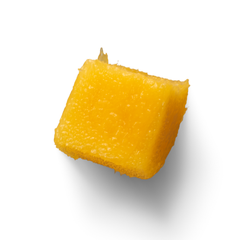
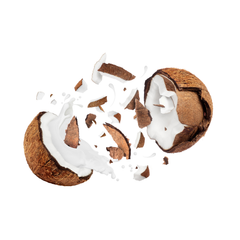
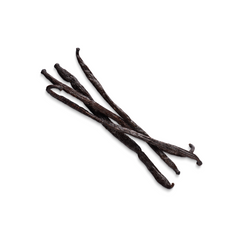
A balanced papaya accord typically combines papaya (30-35%) for its juicy tropical sweetness, mango (20-25%) to enhance the fruity complexity, coconut (20-25%) to add creamy smoothness and soften the tropical edge, and vanilla (15-20%) to provide warmth and olfactory masking of any sharpness. Each ingredient is selected for molecular compatibility: papaya's lactonic esters blend seamlessly with mango's fruity terpenes, coconut's creamy lactones smooth the accord's texture, and vanilla's vanillin molecules soften and round the overall scent, creating a luscious, harmonious tropical accord.
Provides the core juicy, sweet, and musky tropical scent with lactonic esters and benzyl isothiocyanate contributing to its unique aroma.
Enhances the fruity complexity with monoterpenes like α-pinene and β-myrcene, complementing papaya's tropical profile.
Adds creamy lactones that soften the tropical fruitiness and provide a smooth, velvety texture to the accord.
Contributes vanillin molecules that mask sharp edges and add warmth, rounding out the accord with gourmand sweetness.
Papaya's olfactory evolution begins with bright, juicy fruity esters that evaporate within the first 15 minutes, followed by a heart of musky lactones and floral undertones lasting up to an hour. The base notes reveal warm, creamy vanillin and sandalwood compounds that persist for several hours, providing depth and longevity.
The initial impression is bright and fresh, dominated by volatile fruity esters such as ethyl butyrate and methyl butyrate, which create a juicy, tropical sweetness reminiscent of ripe papaya and pineapple.
As the top notes fade, musky lactones and floral compounds like linalool emerge, adding complexity and a warm, slightly creamy character that evokes the fleshiness of the fruit.
The drydown features vanillin and sandalwood molecules that provide a soft, warm, and lingering sweetness, anchoring the fragrance with a gourmand and woody foundation.
Papaya's journey in perfumery reflects its rise from a tropical fruit to a valued exotic note in modern fragrance compositions, marked by key milestones in ingredient use and notable perfume launches.
Papaya (Carica papaya) originates in Central America, cultivated by indigenous peoples for its fruit and medicinal properties.
Christopher Columbus dubbed papaya 'The Fruit of the Angels' during his voyages, introducing it to Europe and beyond.
Alberto Morillas incorporates papaya as a fresh accent note, marking one of the earliest uses in mainstream perfumery.
Papaya takes a prominent heart note role in this tropical fruity fragrance, highlighting its growing popularity.
A modern fragrance showcasing papaya's creamy, sunlit tropical character combined with mango and pineapple.
Understanding how to layer papaya involves molecular compatibility with other notes to create harmonious blends that enhance its tropical character.
Layer papaya with vanilla and coconut to amplify its creamy, gourmand facets. Vanillin molecules in vanilla soften papaya's sharp edges through olfactory masking, while coconut's lactones add smoothness. This combination is exemplified in Clean's Papaya Paradise Mist.
Pair papaya with sandalwood and musk to introduce woody and animalic undertones that deepen the fragrance. Sandalwood's alpha- and beta-santalol compounds blend with papaya's musky lactones, creating a warm, lasting base as seen in Phlur's Vanilla Nectar.
Combine papaya with citrus notes like bergamot or mandarin to brighten its tropical sweetness. Shared ester compounds create a seamless transition, producing an uplifting and fresh scent profile, similar to Calvin Klein's CK One.
Cooler temperatures slow papaya's evaporation, emphasizing its warm musky and gourmand facets. Apply more liberally or layer with vanilla or sandalwood to enhance warmth and longevity.
Moderate temperatures balance papaya's juicy top notes and creamy heart. Light application suits daytime wear; layering with florals like jasmine enhances freshness.
Heat increases volatility, making papaya's bright fruity notes more pronounced but shorter-lived. Use lighter sprays and reapply as needed; pair with citrus or aquatic notes for cooling effect.
Layer papaya with complementary notes like coconut or vanilla to modulate its brightness and extend wear regardless of season.
Strategic application of papaya fragrances maximizes scent impact and longevity.
Pulse points on the neck emit heat that enhances papaya's tropical fruity top notes, providing an immediate fresh impression.
This area allows subtle diffusion of papaya's musky heart notes, creating an intimate scent aura.
Applying papaya fragrance here promotes warmth and movement, helping the scent evolve naturally throughout the day.
Hair holds fragrance oils well, releasing papaya's creamy and gourmand base notes gradually with movement.
Layer papaya fragrance with unscented moisturizer to enhance longevity and create a smooth scent transition on skin.
These Papaya-based fragrances scored highest on the MEI™ Mood Architecture Framework — measuring how a scent may influence your emotional state.
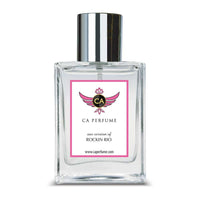
These Papaya-based fragrances have the highest product-level HumanSafe™ scores in this ingredient collection.
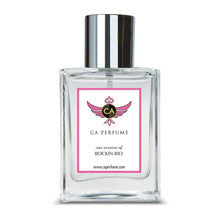
Papaya's sweet, musky aroma offers a unique tropical character that evolves beautifully on skin, making it a versatile heart note in modern fragrance compositions.
The inclusion of papaya in contemporary perfumery reflects a trend towards exotic, juicy notes that provide freshness and complexity beyond traditional fruit accords.
Papaya pairs well with a variety of complementary ingredients to enhance tropical, fruity, and creamy accords.
Frequently asked questions about papaya in perfumery, addressing scent, usage, and layering.
Papaya in perfume smells sweet, tropical, and musky with a juicy, fleshy fruitiness. It often evokes ripe peaches and honey with a fresh, uplifting quality. Papaya's scent evolves from bright fruity esters to warm, creamy musky notes, making it a distinctive heart note in many modern fragrances such as CK One by Calvin Klein and Papaya Paradise Mist by Clean.
Papaya is primarily used as a heart note in fragrance compositions. Its medium volatility allows it to bridge the bright top notes and the deeper base notes, providing a juicy, tropical sweetness that evolves into musky and creamy facets over time.
Papaya is favored in niche perfumes for its exotic, tropical character and ability to add a fresh yet complex fruity dimension. Its unique musky undertones and evolving scent profile offer perfumers creative flexibility to craft innovative and vibrant compositions.
Papaya fragrance uses pair well with mango, coconut, vanilla, jasmine, bergamot, and sandalwood. These combinations enhance papaya's tropical sweetness, creamy texture, and musky warmth, creating harmonious accords as seen in fragrances like Papaya Paradise Mist and Vanilla Nectar.
Yes, papaya perfumes are well-suited for summer and hot weather due to their bright, juicy, and tropical scent profile. However, heat increases volatility, so lighter applications or layering with citrus and aquatic notes can help maintain freshness throughout the day.
Papaya fragrances typically last 4 to 6 hours on the skin, with the musky and gourmand base notes providing longevity after the initial fruity brightness fades.
Yes, layering papaya perfume with complementary notes like vanilla, coconut, sandalwood, or citrus enhances its tropical character and extends longevity. Layering techniques can create personalized scent profiles and improve overall fragrance complexity.
Beginner-friendly papaya perfumes include CK One by Calvin Klein for a fresh, unisex introduction, and Papaya Paradise Mist by Clean for a creamy, tropical experience. These fragrances showcase papaya's versatility and approachable scent profile.
When selecting a papaya fragrance at CA Perfume, consider your preference for fruity brightness versus creamy warmth. Review fragrance notes and layering suggestions to find compositions that highlight papaya's tropical essence while complementing your personal style.
Papaya primarily smells sweet and tropical in fragrance, with musky and creamy undertones. It does not exhibit spicy characteristics but can be blended with spices like clove or cinnamon to add complexity.
Discover popular papaya-infused perfumes that highlight its tropical sweetness and musky heart.
Shop all papaya fragrances at CA Perfume →Papaya is derived from the tropical fruit of the Carica papaya tree, native to the lowlands of eastern Central America, including Panama and southern Mexico. Today, major producing countries include Brazil, India, Indonesia, and various parts of Central America. The fruit is harvested when ripe to ensure optimal aromatic quality. Extraction methods for papaya in perfumery primarily involve cold pressing or solvent extraction of the fruit pulp. Cold pressing preserves the delicate fruity and musky aroma compounds by avoiding heat degradation. Solvent extraction, typically using ethanol or hexane, isolates the aromatic compounds to produce a concentrated absolute or fragrance oil. These processes yield a medium-strength aroma with a complex tropical profile. Natural papaya extracts are relatively costly due to the labor-intensive harvesting and extraction processes, with prices varying widely depending on purity and origin. Synthetic aroma chemicals that mimic papaya's scent are more affordable and consistent but lack the full complexity of the natural extract. Sustainability considerations include responsible agricultural practices and minimizing waste during extraction. No known PDO or PGI designations exist for papaya extracts.
Papaya has emerged as a notable ingredient in contemporary perfumery, featured in several landmark fragrances that showcase its tropical, sweet, and musky character. Calvin Klein's CK One (1994) by perfumer Alberto Morillas uses papaya as a fresh, fruity accent paired with citrus and green notes, contributing to its iconic unisex appeal. Simone Andreoli's Leisure in Paradise (2020) highlights papaya in a tropical fruity composition alongside pineapple and coconut, emphasizing its juicy heart note. More recent examples include Spiritica's Mangomacumba (2024), where papaya functions as a dominant note blended with exotic fruits and florals, and Phlur's Vanilla Nectar (2025), which incorporates papaya to add a luscious tropical sweetness to a gourmand base. Clean's Papaya Paradise Mist (2026) by the Clean fragrance house uses papaya as a central note combined with mango and pineapple, supported by creamy coconut and sandalwood for a sunlit tropical mist effect. These fragrances illustrate papaya's versatility as a bridge and accent note, enhancing fruity, floral, and gourmand accords. CA Perfume's collection draws inspiration from this lineage, emphasizing papaya's role in crafting modern, vibrant scent profiles.
Natural papaya fragrance is obtained from the fruit of Carica papaya through cold pressing or solvent extraction, yielding a complex mixture of aroma compounds including benzyl isothiocyanate (C8H7NS) and linalool (C10H18O). These contribute to the characteristic sweet, tropical, and musky scent profile. Natural extracts offer olfactory depth and subtle nuances but can vary between batches due to agricultural factors. Synthetic papaya notes are typically composed of aroma chemicals such as ethyl butyrate, methyl butyrate, and other fruity esters that replicate the juicy, tropical facets of papaya. These synthetics provide greater consistency, longer longevity, and are more cost-effective, with prices significantly lower than natural extracts. However, they may lack the full complexity and evolving character of natural papaya. Famous fragrances like Clean's Papaya Paradise Mist utilize natural papaya extracts for authenticity, while synthetic papaya molecules are common in mass-market fruity compositions. Sustainability concerns favor synthetics due to reduced agricultural impact. CA Perfume employs the HumanSafe™ platform to ensure transparency and safety in sourcing both natural and synthetic papaya ingredients.