Ingredient Guide · Aquatic
Aquatic Family · Perfumery Note

Ozonic Notes

The scent of clean air, rain, and crystalline freshness.

Ozonic notes are synthetic perfumery accords that evoke the sensation of fresh air, sea breeze, or the atmosphere after rain. Their defining quality comes from molecules like Calone and Helional, used at <1% for a transparent, diffusive effect.

Ozonic Notes
Ingredient Profile

Ozonic Notes

Aquatic Family
Family Aquatic
Note Position Heart Note
Usage Level <1% in blend
Key Origins United States, Switzerland, France
Iconic In Davidoff Cool Water, Issey Miyake L’Eau d’Issey
The Ingredient

What does Ozonic Notes smell like and why are they pivotal in modern perfumery?

Ozonic notes in perfumery are conceptual accords designed to evoke the sensation of fresh, clean air—often described as the smell after a thunderstorm, the crispness of a winter morning, or the bracing breeze by the sea. The scent profile is defined by a blend of synthetic molecules, most notably Calone (methylbenzodioxepinone, CAS 28940-11-6), Helional (CAS 1205-17-0), and Marine Oxyde. Calone imparts a distinctive marine-melon freshness with subtle metallic and watery facets, while Helional contributes a green, cyclamen-like nuance. Pure ozone-type notes are drier, sharper, and more metallic, sometimes with faint chlorine or mineral undertones. These molecules are highly diffusive and detectable at very low concentrations, creating a transparent, airy, and slightly electric olfactory effect. In perfumery, ozonic notes are almost exclusively synthetic, as no natural material produces this specific atmospheric freshness. They are classified as top-to-heart notes due to their high volatility and rapid diffusion, typically used at concentrations below 1% of the total formula. Their primary function is to add lift, space, and a modern edge to compositions, enhancing the perception of cleanliness and openness. On skin, ozonic notes can interact with individual skin chemistry, sometimes amplifying their metallic or aquatic facets depending on pH and moisture levels. They are often paired with citrus, green, or aquatic notes to reinforce their fresh character, but can also be blended with florals or woods for contrast. Landmark fragrances exemplifying ozonic notes include Davidoff Cool Water (1988, Pierre Bourdon), which defined the aquatic-marine trend of the 1990s with a prominent Calone signature, and Creed Silver Mountain Water (1995, Olivier Creed), where ozonic notes are blended with green tea and citrus to evoke alpine air. More recent examples include Gucci Flora Gorgeous Orchid (2024) and Etat Libre d’Orange Sous Le Pont Mirabeau (2023), both of which showcase ozonic notes as a bridge between florals and musks. Thus, ozonic notes in perfumery are not just about freshness—they are about creating a sense of space, clarity, and modernity in fragrance design.

<1% in blend
Ozonic molecules like Calone and Helional are typically used at concentrations below 1% of the total fragrance formula due to their high potency and volatility.
4–8 hours
The longevity of ozonic fragrances ranges from 4 to 8 hours, with projection strongest in the first 1–2 hours due to rapid evaporation of top-note molecules.
$50–200/kg
The cost of synthetic ozonic aroma chemicals (Calone, Helional) is approximately $50–200 per kilogram, making them accessible and scalable for modern perfumery.
Origin & Extraction

Where Ozonic Notes Comes From — Origin & Extraction

Ozonic notes are a global phenomenon in perfumery, with their character shaped by the expertise of leading fragrance houses in Switzerland, France, the United States, and Japan. Each region’s approach to ozonic accords reflects local preferences for transparency, aquatic freshness, or subtle green nuances.

Ozonic notes are a purely synthetic olfactory category, with no direct natural counterpart. The concept of 'ozone' as a scent was first identified in 1840 by Christian Friedrich Schönbein, who named the molecule after the Greek 'ozein' (to smell). However, the use of ozonic notes in perfumery only became possible with the development of synthetic aroma chemicals in the mid-20th century. The most influential molecule is Calone (methylbenzodioxepinone), first synthesized by Pfizer chemists in 1951, marketed in 1966, and patented in 1970. Calone’s structure mimics pheromonal compounds found in certain brown algae, imparting a marine, melon-like freshness. Other key molecules include Helional (discovered 1958, softer green-cyclamen profile), Marine Oxyde, Floralozone, and newer compounds like Azurone (Givaudan, 2000) and Melonal. All ozonic notes are produced by chemical synthesis, typically from petrochemical feedstocks via multi-step organic reactions. There is no agricultural or botanical source for these materials. Major manufacturing centers include the United States, Switzerland, France, and Germany, with companies like Firmenich, Givaudan, and Symrise leading production. The cost of Calone and similar molecules ranges from $50–200/kg, depending on purity and supplier, making them far more affordable and scalable than natural extracts. By contrast, attempts to extract marine or algae absolutes for similar effects yield very different, less diffusive materials and are not used for true ozonic effects. Sustainability considerations for ozonic notes focus on the environmental impact of petrochemical synthesis and energy use, but their high potency means only minute quantities are needed per fragrance batch, minimizing overall resource consumption. No IFRA restrictions currently apply to Calone, Helional, or related ozonic molecules, and they are considered safe for use within standard perfumery concentrations. The entirely synthetic nature of ozonic notes allows for consistent quality, batch-to-batch reproducibility, and global supply chain stability.

US

United States

Pfizer (USA) pioneered Calone synthesis in the 1950s–60s, establishing the US as a leader in ozonic aroma chemical production. American perfumery often emphasizes bold, marine-melon facets in ozonic compositions, with consistent supply and robust manufacturing infrastructure.

CH

Switzerland

Swiss companies like Firmenich and Givaudan have developed proprietary ozonic molecules (e.g., Azurone, Cascalone), favoring crystalline, mineral-fresh effects. Swiss perfumery is known for technical precision and innovation in transparent accords, with a significant share of the global ozonic aroma chemical market.

FR

France

France’s Grasse region is a hub for modern perfumery, blending ozonic notes with citrus and floral elements for a balanced, elegant effect. French perfumers often use ozonic notes to evoke rain, sea breeze, or alpine air, with a focus on nuanced, layered compositions.

JP

Japan

Japanese perfumery integrates ozonic notes for subtlety and clarity, often pairing them with green tea, bamboo, or aquatic florals. The Japanese approach emphasizes serenity and minimalism, with ozonic accords used to evoke purity and natural landscapes.

Chemistry

Natural vs Synthetic Ozonic Notes in Perfumery

Ozonic notes are, by definition, synthetic—there is no natural source or extract that provides the characteristic fresh-air, marine, or post-thunderstorm effect. The primary synthetic molecules responsible are Calone (CAS 28940-11-6), Helional (CAS 1205-17-0), and Marine Oxyde. Other notable compounds include Floralozone (CAS 67634-15-5), Melonal (CAS 106-70-7), and Azurone (Givaudan proprietary). Calone delivers a powerful marine-melon-ozonic note, Helional offers a green-cyclamen freshness, and Floralozone imparts a crystalline, airy effect. These molecules are highly stable, consistent, and diffusive, with excellent longevity compared to most natural top notes. Cost-wise, synthetic ozonic molecules are significantly more affordable than natural extracts, with Calone and Helional typically priced at $50–200/kg. Natural marine notes, such as algae absolute, are not true substitutes and lack the same olfactory impact. Famous fragrances using synthetic ozonic notes include Davidoff Cool Water (1988), Issey Miyake L’Eau d’Issey (1992), and Creed Silver Mountain Water (1995). No mainstream perfume uses a natural equivalent for the ozonic effect, as it cannot be achieved with botanicals. From a sustainability perspective, synthetic ozonic notes have a lower environmental footprint per unit due to their high potency and minimal usage levels. Supply chains are robust, and batch-to-batch consistency is high. CA Perfume’s HumanSafe™ platform ensures full transparency on the sourcing, purity, and safety of all ozonic aroma chemicals used, with all materials verified for compliance with IFRA and EU regulations. In summary, the ozonic effect in perfumery is a triumph of synthetic chemistry, enabling olfactory effects impossible to achieve with natural materials.

Natural
Ozonic Notes Absolute
Cost $3,000–6,000/kg
Method Solvent / CO₂
Character Complex, variable
vs
Synthetic
Safranal & Analogues
Cost $50–200/kg
Method Lab synthesis
Character Consistent, stable
Hall of Fame

Famous Fragrances That Define Ozonic Notes in Perfumery

1988
dominant note

Davidoff Cool Water

Davidoff
by Pierre Bourdon
mintlavendermuskcoriander
1992
dominant note

Issey Miyake L’Eau d’Issey

Issey Miyake
by Jacques Cavallier
lotusrosecarnationmusk
1995
bridge note

Creed Silver Mountain Water

Creed
by Olivier Creed
green teablackcurrantcitrusmusk
2021
accent

Dolce & Gabbana Light Blue Forever pour Homme

Dolce & Gabbana
by Alberto Morillas
grapefruitbergamotvetiverpatchouli
2023
bridge note

Etat Libre d’Orange Sous Le Pont Mirabeau

Etat Libre d’Orange
by Daniela Andrier
rosemuskambercitrus

Ozonic notes have shaped the identity of modern perfumery, particularly since the late 1980s. The first major use was in Davidoff Cool Water (1988, Pierre Bourdon), where Calone’s marine-melon freshness became the blueprint for the aquatic fragrance trend. Issey Miyake L’Eau d’Issey (1992, Jacques Cavallier) further popularized ozonic notes with a transparent, watery-floral structure. Creed Silver Mountain Water (1995, Olivier Creed) blended ozonic notes with green tea and citrus, evoking the sensation of alpine air. Dolce & Gabbana Light Blue Forever pour Homme (2021, Alberto Morillas) uses ozonic notes to create a crisp, Mediterranean freshness. Etat Libre d’Orange Sous Le Pont Mirabeau (2023, Daniela Andrier) demonstrates the contemporary use of ozonic notes as a bridge between florals and musks, with a focus on transparency and space. Other notable examples include Gucci Flora Gorgeous Orchid (2024), which pairs ozonic notes with creamy florals for a modern, radiant effect, and Le Labo Baie 19 (2019, Frank Voelkl), which uses an ozonic accord to evoke the scent of rain-soaked earth. These fragrances illustrate the versatility of ozonic notes: as dominant notes in marine compositions, as bridge notes in florals, or as accents in woody and musky bases. CA Perfume’s collection draws on this lineage, offering interpretations that showcase both the classic marine freshness and the modern, airy transparency of ozonic accords.

The Accord

How is a captivating Ozonic Notes accord crafted?

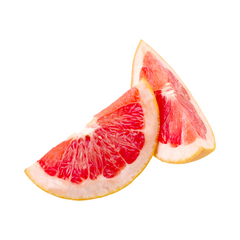
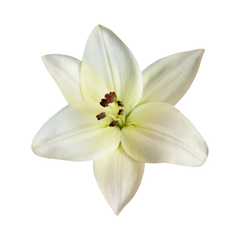
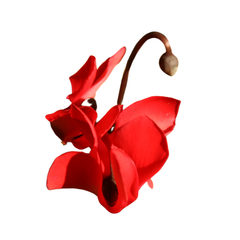
A classic ozonic accord blends Calone (25–30%), Helional (20–25%), citrus (20–25%), and watery florals (20–25%). Calone provides the marine-melon freshness, Helional adds green-cyclamen nuance, citrus (such as bergamot or grapefruit) imparts sparkling lift, and watery florals like water lily or cyclamen introduce a soft, dewy transparency. Together, these ingredients create an airy, diffusive, and modern scent profile.

30%

Calone

25–30% of blend

Calone (methylbenzodioxepinone) imparts the signature marine-melon-ozonic freshness, providing the backbone of the accord through its high volatility and diffusive power.

25%

Helional

20–25% of blend

Helional adds a green, cyclamen-like nuance, softening Calone’s metallic edge and enhancing the airy, aquatic character through its aldehydic-green structure.

25%

Citrus (Bergamot or Grapefruit)

20–25% of blend

Citrus oils provide top-note sparkle and reinforce the perception of freshness by introducing high-volatility terpenes that synergize with ozonic molecules.

25%

Watery Florals (Water Lily or Cyclamen)

20–25% of blend

Watery florals contribute a soft, dewy transparency, bridging the ozonic accord with floral or green notes via shared cyclamen aldehyde structures.

The Olfactory Layers

How Ozonic Notes Evolves on Skin

Ozonic notes evolve rapidly on skin, opening with a burst of fresh, metallic-airy molecules that quickly diffuse. The top phase (0–15 minutes) is dominated by high-volatility compounds like Calone and Helional, which evaporate swiftly to reveal a transparent, aquatic heart. Over 20–60 minutes, the heart blends with florals and musks, while the base lingers as a soft, clean trail.

I
Top notes
0–15 min
Crystalline Air

The initial impression is a crystalline, airy freshness—sharp, metallic, and slightly marine—driven by Calone and Helional. These molecules have high vapor pressure, causing rapid diffusion and an immediate sensation of open air, sea breeze, or rain-soaked atmosphere.

crystallinemetallicmarine
II
Heart notes
20–60 min
Watery Transparency

As top molecules dissipate, the heart reveals watery florals (cyclamen, water lily) and subtle green notes. Helional and Floralozone maintain the transparent effect, while musks and light woods provide a clean, diffusive backdrop.

transparentwaterygreen
III
Base notes
Several hours
Clean Mineral Trail

The drydown is soft, clean, and slightly musky, with lingering traces of marine and mineral freshness. Low-volatility musks and woody notes stabilize the ozonic accord, ensuring a gentle, persistent aura.

cleanmineralmusky
TOP NOTES Crystalline Air 0–15 minutes HEART NOTES Watery Transparency 20–60 minutes BASE NOTES Clean Mineral Trail Several hours
Through the Ages

The Story of Ozonic Notes in Perfumery

Ozonic notes have a brief but transformative history in perfumery, from their scientific discovery in the 19th century to their dominance in late 20th-century fragrance trends and ongoing evolution in contemporary compositions.

1840

Discovery of Ozone

Christian Friedrich Schönbein identifies ozone (O3) as a distinct molecule with a sharp, metallic scent, laying the conceptual groundwork for ozonic notes in perfumery.

1951

Synthesis of Calone

Pfizer chemists synthesize Calone (methylbenzodioxepinone), the first commercially important ozonic molecule, initially for pharmaceutical research before its olfactory potential is realized.

1988

Davidoff Cool Water Launch

Pierre Bourdon creates Davidoff Cool Water, using Calone as a dominant note and sparking the global aquatic fragrance trend of the 1990s.

1992–1995

Aquatic Trend Peaks

Issey Miyake L’Eau d’Issey and Creed Silver Mountain Water popularize ozonic notes in both masculine and unisex perfumery, cementing their status as modern classics.

2000s–2020s

Modern Innovations

New ozonic molecules (e.g., Azurone, Cascalone) and refined blending techniques enable subtler, more naturalistic uses of ozonic notes in contemporary fragrances, expanding their versatility.

The Art of Layering

How to Layer Ozonic Notes

Understanding how to layer ozonic notes is key to maximizing their transparent, airy effect. Their molecular compatibility with citrus, green, and aquatic notes allows for seamless blending, while their high volatility can lift heavier compositions.

01

Brighten with Citrus

Layering ozonic notes with citrus (bergamot, grapefruit) enhances the perception of freshness through shared high-volatility terpenes. This combination is exemplified in Dolce & Gabbana Light Blue Forever pour Homme, where ozonic and citrus notes create a sparkling, invigorating effect.

02

Add Aquatic Depth

Pairing ozonic notes with marine or watery accords (seaweed, salt, cucumber) amplifies the sensation of sea breeze and open water. Davidoff Cool Water demonstrates this synergy, with Calone and aquatic notes forming the backbone of its iconic marine freshness.

03

Soften with Florals

Blending ozonic notes with watery florals (cyclamen, water lily) introduces a soft, dewy transparency. Issey Miyake L’Eau d’Issey uses this approach, where Helional and floral notes create a balanced, airy composition.

Wear It Right

How to Wear Ozonic Notes Like a Pro

Seasonal Guide

Fall & Winter

In cooler weather, ozonic notes retain their crisp, airy freshness but may project less due to reduced evaporation. Apply to pulse points and consider layering with woods or musks to enhance longevity and warmth.

Spring

Spring’s moderate temperatures allow ozonic notes to shine, amplifying their clean, rain-soaked character. Pair with green or floral notes for a vibrant, uplifting effect that echoes the freshness of new growth.

Summer

Heat increases the volatility of ozonic molecules, boosting projection and creating a breezy, invigorating aura. Apply lightly to avoid overwhelming the senses, and consider layering with citrus or aquatic notes for maximum freshness.

Year-Round Tip

Ozonic notes are versatile and can be adapted to any season by adjusting application and layering. In humid climates, their diffusive power is enhanced, while in dry conditions, pairing with moisturizing bases can help prolong their presence.

Application Points

Strategic application enhances the airy, diffusive qualities of ozonic notes.

1

Neck

Applying to the neck leverages body heat, accelerating the diffusion of volatile ozonic molecules and creating a fresh, enveloping aura around the wearer.

2

Behind the Ears

This area is slightly cooler, allowing ozonic notes to linger and evolve more slowly, preserving their crystalline freshness for longer.

3

Inner Wrists

Pulse points on the wrists amplify the projection of ozonic notes, but frequent hand washing may reduce longevity. Reapply as needed to maintain the airy effect.

4

Hair

Spraying on hair provides a sustained release of ozonic molecules, as the strands trap and gradually diffuse the scent, enhancing the perception of clean air and freshness.

Pro Tip

Layer ozonic fragrances over unscented moisturizer to slow evaporation and extend the transparent, airy effect throughout the day.

Mood Architecture™

Top Ozonic Notes Fragrances by Mood Score

These Ozonic Notes-based fragrances scored highest on the MEI™ Mood Architecture Framework — measuring how a scent may influence your emotional state.

Highest MEI Score
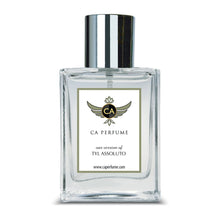
Tyl Assoluto — Tiziana Terenzi Tyl Assoluto Alternative Perfume
8.96
MEI™
Primary Romantic
Secondary Confident
Confidence
8.6
Presence
9.07
Mood Lift
9.5
Identity
9.02
Warmth
9.5
Social Ease
9.01
Energy
4.9
" I am beautiful.
View full mood profile →
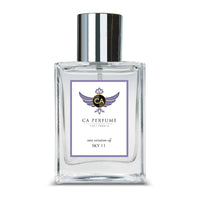
Sky 11 — Lake & Sky Sky 11 11 Alternative Perfume
4.78
MEI™
Primary Fresh
Secondary Romantic
Confidence
4.44
Presence
4.26
Mood Lift
5.4
Identity
4.14
Warmth
4.74
Social Ease
5.32
Energy
2.8
" I am free.
View full mood profile →
HumanSafe™

Top Ozonic Notes Fragrances by HumanSafe™ Score

These Ozonic Notes-based fragrances have the highest product-level HumanSafe™ scores in this ingredient collection.

Highest HumanSafe™ Score
Tyl Assoluto — Tiziana Terenzi Tyl Assoluto Alternative Perfume
A-
HumanSafe™ Score Generally Safe
Safest Evaluated Ingredients EDP
AQUA Solvent / Carrier ISS 10.0
1,4-DIOXACYCLOHEPTADECANE-5,17-DIONE Evaluated ingredient ISS 10.0
N° TURKISH REACH: 01-0000461747-49- EYE IRRITATION - CAT.2 [H319] Evaluated ingredient ISS 9.0
LINALYL ACETATE Evaluated ingredient ISS 7.0
LINALOOL Evaluated ingredient ISS 7.0
ALCOHOL DENAT. Solvent / Carrier ISS 7.0
View full safety profile →
Sky 11 — Lake & Sky Sky 11 11 Alternative Perfume
A-
HumanSafe™ Score Generally Safe
Safest Evaluated Ingredients EDP
AQUA Solvent / Carrier ISS 10.0
1,4-DIOXACYCLOHEPTADECANE-5,17-DIONE Evaluated ingredient ISS 10.0
ALCOHOL DENAT. Solvent / Carrier ISS 7.0
2H-1-BENZOPYRAN-6-OL, 3,4-DIHYDRO-2,5,7,8- Evaluated ingredient ISS 7.0
1,3,4,6,7,8-HEXAHYDRO-4,6,6,7,8,8- Evaluated ingredient ISS 7.0
TETRAHYDRO-2-ISOBUTYL-4-METHYLPYRAN-4-OL, MIXED Evaluated ingredient ISS 6.6
View full safety profile →
Expert Voices

What Masters Say About Ozonic Notes

Ozonic notes revolutionized perfumery by adding a previously impossible olfactory dimension: the smell of air itself, of weather, of atmospheric phenomena. They are among the most abstract materials in the perfumer's toolkit.
CA Perfume Editorial
Calone is a popular synthetic note that was discovered by accident by scientists in the 1960’s. It was patented in the 1970’s and began being used in fragrances in the 1980’s, creating an era of Marine scents that took hold of the world in the 1990’s.
Parfumerie Nasreen
Common Questions

Frequently Asked Questions

Answers to common questions about ozonic notes in perfumery.

Ozonic notes in perfume evoke the scent of fresh, clean air—often compared to the atmosphere after a thunderstorm, sea breeze, or mountain air. The scent profile is airy, aquatic, and slightly metallic, with subtle melon and mineral undertones. Key molecules like Calone and Helional create a transparent, diffusive effect that feels modern and invigorating. Famous examples include Davidoff Cool Water and Creed Silver Mountain Water.

Ozonic notes function primarily as top-to-heart notes in fragrance compositions. Their high volatility and rapid diffusion mean they are most prominent in the opening and early heart stages, typically within the first 15–60 minutes. They are rarely used as base notes, as their molecular structure favors quick evaporation and immediate impact.

Ozonic notes are favored in niche perfumery for their ability to create a sense of space, transparency, and modernity. They allow perfumers to evoke abstract concepts like clean air, rain, or open landscapes—effects that are impossible to achieve with natural materials. Their versatility and compatibility with a wide range of notes make them a staple in contemporary fragrance design.
Ozonic notes fragrance uses include pairing with citrus (bergamot, grapefruit), watery florals (cyclamen, water lily), green notes (tea, bamboo), and musks. These combinations enhance the perception of freshness and transparency, as seen in fragrances like Issey Miyake L’Eau d’Issey and Dolce & Gabbana Light Blue Forever pour Homme.

Yes, ozonic notes are ideal for summer and hot weather due to their airy, refreshing character and high volatility. Heat amplifies their projection, creating a breezy, invigorating effect that is both uplifting and cooling. Many summer fragrances rely on ozonic accords for their clean, diffusive aura.

The longevity of ozonic fragrances is typically 4–8 hours, with the strongest projection occurring in the first 1–2 hours. Their high volatility means the initial freshness dissipates relatively quickly, but supporting notes like musks and woods can extend the clean, airy effect in the drydown.

Yes, ozonic notes are highly versatile for layering. They can brighten citrus or green fragrances, add aquatic depth to marine scents, or soften florals with a transparent, airy touch. Layering with complementary notes enhances the overall freshness and creates a personalized scent profile.

Recommended entry points include Davidoff Cool Water, Issey Miyake L’Eau d’Issey, and Dolce & Gabbana Light Blue Forever pour Homme. These fragrances showcase the classic marine and airy facets of ozonic notes in accessible, well-balanced compositions.

Explore CA Perfume’s collection by sampling discovery sets that feature ozonic accords in various contexts—marine, citrus, floral, or musky. Consider your preferred level of freshness, projection, and supporting notes to find a fragrance that aligns with your personal style and seasonal needs.

Ozonic notes are primarily metallic, airy, and aquatic, with only subtle sweetness (often from melon or cucumber facets in Calone). The dominant impression is clean, sharp, and transparent, rather than overtly sweet. However, when paired with florals or fruits, a soft sweetness may emerge in the heart of the fragrance.

Aquatic Collection

Explore Our Top Ozonic Notes Fragrances

Discover CA Perfume’s curated selection of ozonic fragrances, from classic marine freshness to modern transparent blends. Find your signature clean-air scent.

Shop all ozonic notes fragrances at CA Perfume →

Where Ozonic Notes Comes From — Origin & Extraction

Ozonic notes are a purely synthetic olfactory category, with no direct natural counterpart. The concept of 'ozone' as a scent was first identified in 1840 by Christian Friedrich Schönbein, who named the molecule after the Greek 'ozein' (to smell). However, the use of ozonic notes in perfumery only became possible with the development of synthetic aroma chemicals in the mid-20th century. The most influential molecule is Calone (methylbenzodioxepinone), first synthesized by Pfizer chemists in 1951, marketed in 1966, and patented in 1970. Calone’s structure mimics pheromonal compounds found in certain brown algae, imparting a marine, melon-like freshness. Other key molecules include Helional (discovered 1958, softer green-cyclamen profile), Marine Oxyde, Floralozone, and newer compounds like Azurone (Givaudan, 2000) and Melonal. All ozonic notes are produced by chemical synthesis, typically from petrochemical feedstocks via multi-step organic reactions. There is no agricultural or botanical source for these materials. Major manufacturing centers include the United States, Switzerland, France, and Germany, with companies like Firmenich, Givaudan, and Symrise leading production. The cost of Calone and similar molecules ranges from $50–200/kg, depending on purity and supplier, making them far more affordable and scalable than natural extracts. By contrast, attempts to extract marine or algae absolutes for similar effects yield very different, less diffusive materials and are not used for true ozonic effects. Sustainability considerations for ozonic notes focus on the environmental impact of petrochemical synthesis and energy use, but their high potency means only minute quantities are needed per fragrance batch, minimizing overall resource consumption. No IFRA restrictions currently apply to Calone, Helional, or related ozonic molecules, and they are considered safe for use within standard perfumery concentrations. The entirely synthetic nature of ozonic notes allows for consistent quality, batch-to-batch reproducibility, and global supply chain stability.

Famous Fragrances That Define Ozonic Notes in Perfumery

Ozonic notes have shaped the identity of modern perfumery, particularly since the late 1980s. The first major use was in Davidoff Cool Water (1988, Pierre Bourdon), where Calone’s marine-melon freshness became the blueprint for the aquatic fragrance trend. Issey Miyake L’Eau d’Issey (1992, Jacques Cavallier) further popularized ozonic notes with a transparent, watery-floral structure. Creed Silver Mountain Water (1995, Olivier Creed) blended ozonic notes with green tea and citrus, evoking the sensation of alpine air. Dolce & Gabbana Light Blue Forever pour Homme (2021, Alberto Morillas) uses ozonic notes to create a crisp, Mediterranean freshness. Etat Libre d’Orange Sous Le Pont Mirabeau (2023, Daniela Andrier) demonstrates the contemporary use of ozonic notes as a bridge between florals and musks, with a focus on transparency and space. Other notable examples include Gucci Flora Gorgeous Orchid (2024), which pairs ozonic notes with creamy florals for a modern, radiant effect, and Le Labo Baie 19 (2019, Frank Voelkl), which uses an ozonic accord to evoke the scent of rain-soaked earth. These fragrances illustrate the versatility of ozonic notes: as dominant notes in marine compositions, as bridge notes in florals, or as accents in woody and musky bases. CA Perfume’s collection draws on this lineage, offering interpretations that showcase both the classic marine freshness and the modern, airy transparency of ozonic accords.

Natural vs Synthetic Ozonic Notes in Perfumery

Ozonic notes are, by definition, synthetic—there is no natural source or extract that provides the characteristic fresh-air, marine, or post-thunderstorm effect. The primary synthetic molecules responsible are Calone (CAS 28940-11-6), Helional (CAS 1205-17-0), and Marine Oxyde. Other notable compounds include Floralozone (CAS 67634-15-5), Melonal (CAS 106-70-7), and Azurone (Givaudan proprietary). Calone delivers a powerful marine-melon-ozonic note, Helional offers a green-cyclamen freshness, and Floralozone imparts a crystalline, airy effect. These molecules are highly stable, consistent, and diffusive, with excellent longevity compared to most natural top notes. Cost-wise, synthetic ozonic molecules are significantly more affordable than natural extracts, with Calone and Helional typically priced at $50–200/kg. Natural marine notes, such as algae absolute, are not true substitutes and lack the same olfactory impact. Famous fragrances using synthetic ozonic notes include Davidoff Cool Water (1988), Issey Miyake L’Eau d’Issey (1992), and Creed Silver Mountain Water (1995). No mainstream perfume uses a natural equivalent for the ozonic effect, as it cannot be achieved with botanicals. From a sustainability perspective, synthetic ozonic notes have a lower environmental footprint per unit due to their high potency and minimal usage levels. Supply chains are robust, and batch-to-batch consistency is high. CA Perfume’s HumanSafe™ platform ensures full transparency on the sourcing, purity, and safety of all ozonic aroma chemicals used, with all materials verified for compliance with IFRA and EU regulations. In summary, the ozonic effect in perfumery is a triumph of synthetic chemistry, enabling olfactory effects impossible to achieve with natural materials.