Where Nectarine Comes From — Origin & Extraction
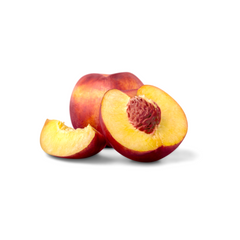
Nectarine, botanically Prunus persica var. nucipersica, is a genetic variant of the common peach, distinguished by its smooth, fuzzless skin due to a recessive allele. The fruit originated in China over 2,000 years ago and is now cultivated in temperate regions worldwide, with China and the United States (primarily California) as the largest producers. California alone accounts for over 95% of US nectarine production, with annual yields exceeding 100,000 metric tons.
In perfumery, true nectarine essential oil is not commercially available due to the fruit’s low oil content and instability. Instead, the scent is captured using headspace technology, which analyzes the volatile molecules emitted by ripe nectarines, or via cold pressing of the peel for limited applications. More commonly, perfumers reconstruct nectarine’s aroma using a blend of synthetic lactones (gamma- and delta-lactones), aldehydes (notably aldehyde C14), and minor green or floral aroma chemicals. Headspace analysis allows for a faithful recreation of the fruit’s natural scent without the need for direct extraction.
Natural nectarine extracts are rare and expensive, with prices exceeding $1,000/kg for specialty absolutes, while synthetic reconstitutions cost $50–200/kg depending on the complexity and purity of the blend. Sustainability is a key consideration: synthetic nectarine accords reduce agricultural pressure and offer consistent quality, while headspace methods have a minimal environmental footprint. There are no IFRA restrictions for nectarine as a note, and no single CAS number applies to the natural fruit extract; instead, key molecules like gamma-undecalactone (CAS 104-67-6) are referenced in synthetic blends.
Famous Fragrances That Define Nectarine in Perfumery
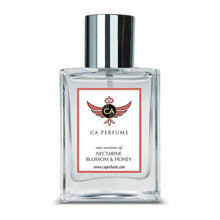
Nectarine has become a signature note in contemporary perfumery, particularly within the fruity-floral and gourmand families. Jo Malone London Nectarine Blossom & Honey (2005, Jo Malone) is perhaps the most iconic, using a synthetic nectarine accord to create a bright, juicy heart, paired with honey and green notes. Penhaligon’s Artemisia (2002, Daphne Bugey) features nectarine as a delicate, honeyed accent, blending seamlessly with vanilla and green apple. By Kilian Flower of Immortality (2013, Calice Becker) employs nectarine as a dominant note, supported by white peach and iris, to evoke a sense of ethereal fruitiness. Burberry Weekend for Women (1997, Nathalie Lorson) uses nectarine as a bridge between citrus top notes and a musky-floral heart, while Elizabeth Arden Green Tea Nectarine Blossom (2016, Rodrigo Flores-Roux) highlights nectarine’s juicy, sweet-tart character in a fresh, uplifting composition. These fragrances demonstrate nectarine’s versatility as both a dominant and supporting note, often paired with florals, musks, and green facets. CA Perfume’s collection draws inspiration from this lineage, offering nectarine-centered blends that reflect both classic and modern interpretations.
Natural vs Synthetic Nectarine in Perfumery
Natural nectarine extracts are virtually absent from the perfumery market due to the fruit’s low essential oil yield and rapid oxidation. Instead, the nectarine note is constructed using synthetic aroma chemicals, primarily gamma-undecalactone (CAS 104-67-6), gamma-decalactone (CAS 706-14-9), and aldehyde C14 (also gamma-undecalactone). These molecules provide the creamy, peachy, and juicy facets characteristic of nectarine’s scent profile. Synthetic nectarine accords offer superior stability, longevity, and batch-to-batch consistency compared to hypothetical natural extracts, which would be highly variable and prone to spoilage.
Cost is a significant differentiator: synthetic lactones and aldehydes are produced at $50–200/kg, while natural fruit extracts (if available) would exceed $1,000/kg and remain unstable. Famous fragrances such as Jo Malone London Nectarine Blossom & Honey and By Kilian Flower of Immortality rely entirely on synthetic reconstitution for their nectarine notes. Sustainability is enhanced through the use of synthetics, as this avoids the agricultural and environmental impact of large-scale fruit harvesting. The HumanSafe™ platform at CA Perfume ensures transparency in sourcing and allergen disclosure for all synthetic nectarine components, supporting both safety and environmental responsibility.