Ingredient Guide · Floral-Tropical
Floral-Tropical Family · Perfumery Note

Monoi Oil

Tiare and coconut merge in a radiant, sunlit accord.

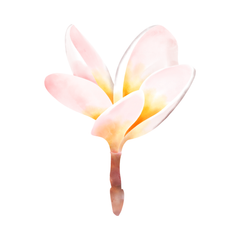
Monoi Oil is a heart note in perfumery, renowned for its creamy, floral-tropical character derived from tiare (Gardenia taitensis) macerated in coconut oil. Its signature scent is defined by esters and lactones, and is typically used at 1–5% in modern compositions.

Ingredient Profile

Monoi Oil

Floral-Tropical Family
Family Floral-Tropical
Note Position Heart Note
Usage Level <5% Concentration
Key Origins French Polynesia, Indonesia, Philippines
Iconic In Monoi Eau des Vahines, 1 Million Parfum
The Ingredient

What does Monoi Oil smell like and why is it significant in perfumery?

Monoi Oil in perfumery is defined by its creamy, solar floral scent, which results from the traditional maceration of Tahitian tiare (Gardenia taitensis) blossoms in refined coconut oil. The scent profile is dominated by the indolic, creamy, and slightly green facets of tiare absolute, combined with the lactonic, sweet, and nutty nuances of coconut. Key odorant molecules include methyl salicylate (from tiare), benzyl salicylate, and various coconut-derived fatty acid esters such as lauric acid and caprylic/capric triglycerides. This combination produces a scent reminiscent of tropical beaches, suntan oil, and warm skin, with a soft, enveloping floralcy and a subtle gourmand undertone. In perfumery, Monoi Oil is typically classified as a heart note, though its fatty, substantive base allows it to persist into the drydown. It is usually dosed at 1–5% of the total composition, depending on the desired intensity and the volatility of the other notes. On skin, Monoi Oil’s scent interacts with body heat and moisture, amplifying its creamy, solar character and enhancing the longevity of floral and gourmand accords. Its high proportion of saturated fatty acids also acts as a fixative, slowing the evaporation of more volatile components. Monoi Oil in perfumery is exemplified by fragrances such as Yves Rocher Monoi Eau des Vahines (2012, Nathalie Gracia-Cetto), which pairs tiare, coconut, and vanilla for a classic beach-inspired accord, and Paco Rabanne 1 Million Parfum (2020, Quentin Bisch and Christophe Raynaud), where Monoi Oil imparts a creamy, solar warmth to a leather-floral composition. These fragrances demonstrate how Monoi Oil’s scent profile can serve as both a dominant theme and a supporting bridge between white florals, coconut, and vanilla.

1–2 Sprays
Due to Monoi Oil’s high diffusion in warm climates, 1–2 sprays are sufficient for noticeable projection. Overapplication can overwhelm the solar floral accord.
5–8 Hours
Monoi Oil fragrances typically last 5–8 hours on skin, with the fatty acid base slowing evaporation and prolonging the creamy, musky drydown.
<5% Concentration
Monoi Oil is usually dosed at less than 5% of the total fragrance formula, balancing its creamy intensity with the volatility of other solar and floral notes.
Origin & Extraction

Where Monoi Oil Comes From — Origin & Extraction

Monoi Oil’s scent character is deeply influenced by the volcanic soils, high humidity, and abundant sunlight of French Polynesia, which yield tiare flowers with elevated levels of methyl salicylate and indoles. The coconut oil base, derived from sun-dried copra, contributes a unique lactonic sweetness shaped by local climate and soil salinity.

Monoi Oil is a traditional Polynesian product, created by macerating freshly picked tiare (Gardenia taitensis) blossoms in refined coconut oil (Cocos nucifera). The process is protected by the Appellation d’Origine (A.O.) Monoï de Tahiti, established by French decree n°92-340 (April 1, 1992), which mandates that only oil produced in French Polynesia using local tiare and coconut can bear this name. The tiare flowers are harvested at dawn and must be used within 24 hours to preserve their aromatic compounds. For each liter of coconut oil, a minimum of 10 tiare flowers are infused for at least 10 days at ambient temperatures (20–25°C), allowing the extraction of indolic, phenolic, and lactonic molecules into the oil. After maceration, the oil is filtered to remove plant material and may be further refined for cosmetic or perfumery use. French Polynesia, particularly Tahiti and its surrounding islands, accounts for over 90% of global Monoi Oil production, with annual output estimated at 200–300 metric tons. The coconut oil is typically produced from copra (dried coconut flesh), sun-dried for 7 days before pressing and refining. The yield of Monoi Oil depends on flower availability and coconut harvests, with environmental factors such as rainfall and soil salinity affecting both. Natural Monoi Oil costs approximately $40–100/kg for cosmetic grade and $150–300/kg for perfumery grade, depending on the quality of tiare absolute and the degree of refinement. Synthetic Monoi Oil accords, composed of aroma chemicals such as benzyl salicylate, methyl anthranilate, and coconut lactone (gamma-nonalactone, CAS 104-61-0), are widely used in mass-market perfumery for cost efficiency, typically priced at $10–30/kg. Sustainability concerns center on the preservation of Polynesian biodiversity and fair labor practices; the A.O. designation enforces strict sourcing and environmental standards.

PF

French Polynesia

The Society Islands, especially Tahiti and Moorea, produce Monoi Oil under the Appellation d’Origine. Volcanic soils and maritime climate yield tiare flowers with high aromatic content. Annual production is 200–300 metric tons, with strict quality controls and PDO status.

ID

Indonesia

Sumatra and Sulawesi supply copra for coconut oil used in Monoi Oil production. The region’s equatorial climate and alluvial soils yield oil with a high lauric acid content, prized for its creamy, smooth texture.

PH

Philippines

The Bicol and Davao regions export refined coconut oil for perfumery, with consistent fatty acid profiles due to controlled drying and pressing methods. While not PDO, Philippine coconut oil is often blended for cost efficiency.

FR

France

Grasse is a center for Monoi Oil accord formulation, using both imported natural Monoi Oil and synthetic aroma chemicals. French perfumers standardize the scent profile for international markets, ensuring batch consistency.

Chemistry

Natural vs Synthetic Monoi Oil in Perfumery

Natural Monoi Oil is produced by macerating tiare (Gardenia taitensis) flowers in coconut oil, yielding a complex mixture of fatty acid esters, indoles, and phenolic compounds. In perfumery, the natural product is prized for its nuanced, creamy-floral aroma and skin-conditioning properties, but its use is limited by cost, supply, and stability. Synthetic Monoi Oil accords are constructed from key aroma molecules: benzyl salicylate (CAS 118-58-1) for floral warmth, methyl anthranilate (CAS 134-20-3) for sweet, fruity nuances, and coconut lactone/gamma-nonalactone (CAS 104-61-0) for the creamy, coconut facet. These synthetics offer greater batch-to-batch consistency, improved longevity, and lower allergen risk compared to the natural macerate. Performance-wise, synthetic Monoi Oil accords exhibit higher volatility and diffusion, making them suitable for top and heart notes, while natural Monoi Oil’s fatty matrix acts as a fixative, extending the drydown. Cost differentials are significant: natural Monoi Oil can exceed $150–300/kg, while synthetic blends are $10–30/kg. Many mainstream fragrances, such as Paco Rabanne 1 Million Parfum and Yves Rocher Monoi Vague d’été, use synthetic Monoi Oil accords for scalability and IFRA compliance. The HumanSafe™ platform at CA Perfume ensures full transparency regarding Monoi Oil sourcing, allergen content, and synthetic molecule disclosure, supporting both safety and sustainability.

Natural
Monoi Oil Absolute
Cost $3,000–6,000/kg
Method Solvent / CO₂
Character Complex, variable
vs
Synthetic
Safranal & Analogues
Cost $50–200/kg
Method Lab synthesis
Character Consistent, stable
Hall of Fame

Famous Fragrances That Define Monoi Oil in Perfumery

2012
dominant note

Monoi Eau des Vahines

Yves Rocher
by Nathalie Gracia-Cetto
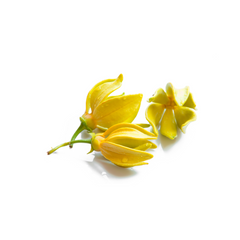
Tiare FlowerCoconutVanillaYlang-Ylang
2020
bridge note

1 Million Parfum

Paco Rabanne
by Quentin Bisch, Christophe Raynaud
LeatherTuberoseSolar Accord
2014
dominant note

Cocaïne

Franck Boclet
TuberoseVanillaOrchid
2023
accent

Blooming Fire

Orebella
JasmineMuskAmber
2020
dominant note

Monoi Vague d’été

Yves Rocher
Tiare FlowerGardeniaVanilla

Monoi Oil has become a signature note in modern perfumery, especially in compositions evoking tropical, solar, or beach-inspired themes. Yves Rocher Monoi Eau des Vahines (2012, Nathalie Gracia-Cetto) is a benchmark, blending tiare, coconut, and vanilla to recreate the scent of Polynesian monoi oil. Paco Rabanne 1 Million Parfum (2020, Quentin Bisch and Christophe Raynaud) uses a Monoi Oil accord to add creamy, solar warmth, bridging floral and leather notes. Franck Boclet Cocaïne (2014) employs Monoi Oil as a dominant note, paired with tuberose and vanilla for a narcotic, sun-drenched effect. Orebella Blooming Fire (2023) and Yves Rocher Monoi Vague d’été (2020) both highlight Monoi Oil’s creamy-floral character, the former in a more modern, musky context, the latter as a nostalgic summer fragrance. In each, Monoi Oil functions as a bridge between white florals, coconut, and gourmand notes, providing both radiance and longevity. CA Perfume’s Monoi Oil-inspired collection draws on this lineage, offering both classic and contemporary interpretations.

The Accord

How is a captivating Monoi Oil accord crafted?

A Monoi Oil accord is built by blending tiare absolute (25–30%), coconut lactone (20–25%), jasmine absolute (20–25%), and vanilla absolute (25–30%). Tiare provides the indolic, creamy floral core; coconut lactone imparts the signature creamy, nutty facet; jasmine bridges the white floral spectrum with additional indoles and benzyl acetate; vanilla rounds the accord with sweet, balsamic warmth, enhancing the solar and gourmand effect. This structure mirrors the molecular interactions found in traditional Monoi Oil.

30%

Tiare Absolute

25–30% of blend

Tiare absolute supplies indolic, creamy, and slightly green floral notes, providing the core identity of Monoi Oil through methyl salicylate and benzyl salicylate.

25%

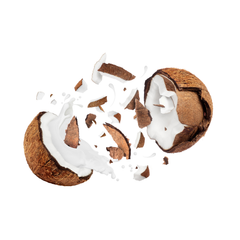
Coconut Lactone

20–25% of blend

Coconut lactone (gamma-nonalactone) delivers the creamy, nutty, and solar facets, mimicking the fatty acid esters present in coconut oil.

25%

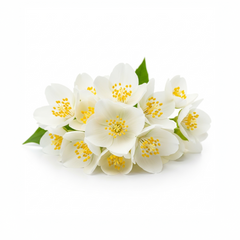
Jasmine Absolute

20–25% of blend

Jasmine absolute introduces additional indoles and benzyl acetate, amplifying the white floral complexity and enhancing the solar radiance.

30%

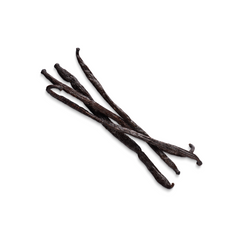
Vanilla Absolute

25–30% of blend

Vanilla absolute imparts sweet, balsamic warmth and acts as a molecular bridge, rounding the accord and enhancing longevity through vanillin.

The Olfactory Layers

How Monoi Oil Evolves on Skin

Monoi Oil’s olfactory evolution is marked by an initial burst of creamy, solar florals, followed by a lingering, lactonic sweetness and a soft, musky drydown. High-volatility esters evaporate first, revealing the persistent fatty acid and indole base.

I
Top notes
0–15 min
Solar Creaminess

The opening is dominated by volatile esters from tiare and coconut, such as methyl salicylate and gamma-nonalactone, producing a creamy, sunlit floral impression with hints of green and citrus. These compounds evaporate quickly, providing an immediate tropical aura.

CreamySolarFloral
II
Heart notes
20–60 min
Tropical Floral Veil

The heart reveals the full floralcy of tiare and jasmine, with indoles and benzyl salicylate imparting a lush, creamy, and slightly narcotic character. The coconut facet persists, blending seamlessly with the white florals.

FloralTropicalRadiant
III
Base notes
Several hours
Skin-Musk Drydown

The drydown is anchored by coconut-derived fatty acids and vanilla, with a soft, musky undertone. The lactonic, sweet, and balsamic molecules provide a lingering, skin-like warmth, extending the scent’s longevity.

MuskySweetSkin-like
TOP NOTES Solar Creaminess 0–15 minutes HEART NOTES Tropical Floral Veil 20–60 minutes BASE NOTES Skin-Musk Drydown Several hours
Through the Ages

The Story of Monoi Oil in Perfumery

Monoi Oil’s history in perfumery spans over two millennia, evolving from Polynesian ritual use to a global fragrance signature.

Antiquity

Polynesian Ritual Use

The Maohi people of Polynesia macerate tiare flowers in coconut oil for ceremonial, medicinal, and cosmetic purposes, establishing the foundation for Monoi Oil’s cultural significance.

1769

European Documentation

Captain James Cook records the use of Monoi Oil by Tahitians, noting its aromatic and preservative properties for skin and hair.

1942

Commercialization in Tahiti

Parfumerie Tiki in Papeete, Tahiti, begins commercial production of Monoi Oil, introducing the product to France and sparking international interest.

1992

Appellation d’Origine Recognition

The French government grants Monoi de Tahiti protected status (A.O.), codifying production standards and origin requirements for authentic Monoi Oil.

2012–2020

Modern Perfumery Adoption

Monoi Oil becomes a central note in beach-inspired and solar fragrances, with launches such as Yves Rocher Monoi Eau des Vahines (2012) and Paco Rabanne 1 Million Parfum (2020) showcasing its versatility.

The Art of Layering

How to Layer Monoi Oil

Understanding how to layer Monoi Oil involves matching molecular affinities—shared indoles, lactones, and esters—between Monoi Oil and complementary notes. This optimizes both projection and olfactory harmony.

01

Enhance Solar Florals

Layer Monoi Oil with jasmine or ylang-ylang fragrances. Both share indolic and benzyl acetate components, creating a seamless, radiant floral bridge. Fragrances like Guerlain Terracotta Le Parfum (2014) demonstrate this synergy, amplifying the solar, tropical effect.

02

Amplify Creamy Sweetness

Combine Monoi Oil with vanilla or tonka bean notes. Vanillin and coumarin molecules mask the sharper indolic facets, enhancing the gourmand, creamy dimension. Paco Rabanne Olympea Elixir (2023) showcases this pairing, producing a soft, enveloping drydown.

03

Add Woody Depth

Layer with sandalwood or amber fragrances. The lactonic, creamy molecules in Monoi Oil interact with sandalwood’s santalol and amber’s labdanum, grounding the solar florals and extending longevity. Bottega Veneta Illusione Bois Nu (2019) exemplifies this combination.

Wear It Right

How to Wear Monoi Oil Like a Pro

Seasonal Guide

Fall & Winter

In cooler weather, Monoi Oil’s fatty acid base slows volatility, resulting in a more subdued, skin-like projection. Apply to pulse points and layer with vanilla or amber to enhance warmth. The creamy, enveloping scent provides comfort and longevity, but may require reapplication for sillage.

Spring

Rising temperatures increase Monoi Oil’s diffusion, amplifying the floral and coconut facets. Pair with green or citrus notes to balance the solar sweetness. Apply lightly to avoid overpowering, as the scent projects more readily in mild humidity.

Summer

High heat and humidity maximize Monoi Oil’s volatility, creating a radiant, tropical aura. The scent is most vibrant and diffusive, evoking classic beach fragrances. Apply sparingly to exposed skin, as body heat intensifies both projection and longevity.

Year-Round Tip

For consistent performance, layer Monoi Oil-based fragrances with unscented body oil or lotion. This creates a molecular barrier, enhancing both projection and longevity regardless of season, and stabilizes the creamy, solar profile.

Application Points

Strategic application of Monoi Oil fragrances optimizes scent evolution and skin interaction.

1

Neck

Application to the neck leverages body heat and pulse points, accelerating the release of creamy, solar top notes and enhancing projection during the initial phase.

2

Behind the Ears

Behind the ears, Monoi Oil’s fatty acids interact with sebaceous glands, prolonging the floral-coconut heart and creating a subtle, lingering sillage.

3

Inner Wrists

Inner wrists provide warmth and movement, diffusing the scent with each gesture. The creamy, tropical facets are most noticeable here, especially during the heart and drydown.

4

Hair

Applying to hair allows Monoi Oil’s molecules to bind to keratin, releasing scent gradually with movement and providing a persistent, solar aura.

★

Pro Tip

Layer Monoi Oil fragrance over a neutral body oil to enhance molecular adhesion and extend longevity, especially in dry or cold climates.

Mood Architecture™

Top Monoi Oil Fragrances by Mood Score

These Monoi Oil-based fragrances scored highest on the MEI™ Mood Architecture Framework — measuring how a scent may influence your emotional state.

Highest MEI Score
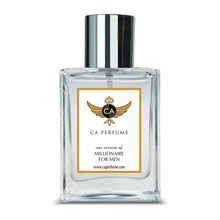
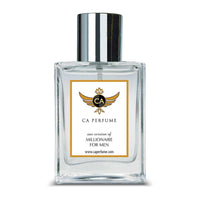
Millionaire For Men — One Million Alternative Cologne
4.7
MEI™
Primary Magnetic
Secondary Confident
Confidence
4.6
Presence
5.4
Mood Lift
5.0
Identity
5.1
Warmth
4.7
Social Ease
4.5
Energy
2.2
" I am bold.
View full mood profile →
HumanSafe™

Top Monoi Oil Fragrances by HumanSafe™ Score

These Monoi Oil-based fragrances have the highest product-level HumanSafe™ scores in this ingredient collection.

Highest HumanSafe™ Score
Millionaire For Men — One Million Alternative Cologne
A-
HumanSafe™ Score Generally Safe
Safest Evaluated Ingredients EDP
AQUA Solvent / Carrier ISS 10.0
7-OCTEN-2-OL, 2,6-DIMETHYL- Evaluated ingredient ISS 9.0
3-BUTEN-2-ONE, 3-METHYL-4-(2,6,6-TRIMETHYL-2- Evaluated ingredient ISS 8.0
2H-1-BENZOPYRAN-2-ONE Evaluated ingredient ISS 8.0
2-HEXENE, 6,6-DIMETHOXY-2,5,5-TRIMETHYL- Evaluated ingredient ISS 8.0
N° TURKISH REACH: 01-0000453802-44- Evaluated ingredient ISS 7.0
View full safety profile →
Expert Voices

What Masters Say About Monoi Oil

“
Monoi Oil’s scent is a unique blend of tiare flower and coconut, evoking the warmth and radiance of Polynesian beaches. Its creamy, solar character is instantly recognizable in modern summer fragrances.
CA Perfume Editorial
“
Contrary to what some products would have us believe, there is no such thing as monoi flower! To bring the sunny and exotic perfume of monoi to a fragrance, noses turn to the tiare flower.
Carrément Belle Editorial
Common Questions

Frequently Asked Questions

Answers to common questions about Monoi Oil in perfumery.

Monoi Oil in perfume smells creamy, floral, and solar, blending the indolic, slightly green facets of tiare (Gardenia taitensis) with the lactonic, sweet, and nutty aroma of coconut oil. The result is a scent reminiscent of tropical beaches and classic suntan oil, with a soft, enveloping quality. Notable examples include Yves Rocher Monoi Eau des Vahines and Paco Rabanne 1 Million Parfum.

Monoi Oil is typically used as a heart note in perfumery, though its fatty acid matrix allows it to persist into the base. Its creamy, solar character bridges top citrus or green notes and deeper vanilla or musky bases, providing both radiance and longevity.

Monoi Oil is favored in niche perfumery for its ability to evoke tropical, solar, and nostalgic themes. Its complex molecular profile—combining indoles, esters, and lactones—creates a distinctive, radiant scent that pairs well with white florals, coconut, and gourmand notes, offering both olfactory impact and emotional resonance.

Monoi Oil fragrance uses include pairing with jasmine, ylang-ylang, vanilla, sandalwood, and amber. These notes share molecular affinities—such as indoles, benzyl acetate, and lactones—that enhance Monoi Oil’s creamy, solar character and extend its longevity.

Yes, Monoi Oil perfumes are especially suited to summer and hot weather. High temperatures increase the volatility of its esters and lactones, amplifying the creamy, tropical projection. The scent evokes sun-warmed skin and beachside atmospheres, making it a seasonal favorite.

A Monoi Oil fragrance typically lasts 5–8 hours on skin, with the fatty acid base slowing evaporation and extending the creamy, musky drydown. Longevity may vary depending on concentration and skin chemistry.

Yes, Monoi Oil can be layered with other fragrances, especially those featuring white florals, vanilla, or sandalwood. Shared molecular components, such as indoles and lactones, create olfactory harmony and enhance both projection and longevity.

For beginners, Yves Rocher Monoi Eau des Vahines and Yves Rocher Monoi Vague d’été are accessible, classic examples. Paco Rabanne 1 Million Parfum and Franck Boclet Cocaïne offer more complex, modern interpretations. These fragrances showcase Monoi Oil’s creamy, solar character in both simple and layered compositions.

At CA Perfume, selecting a Monoi Oil fragrance involves considering your preferred balance of floral, coconut, and gourmand notes, as well as desired concentration and seasonality. The HumanSafe™ platform provides ingredient transparency and allergen information to guide your choice.

Monoi Oil is widely regarded as unisex in perfumery. Its creamy, solar floral profile appeals to both feminine and masculine compositions, especially when paired with woods, musks, or citrus. Its versatility allows it to function as a dominant note or a subtle accent in a wide range of fragrances.

Floral-Tropical Collection

Explore Our Top Monoi Oil Fragrances

Discover Monoi Oil’s creamy, solar floral signature in our curated collection, featuring both classic and contemporary interpretations.

Shop all monoi oil fragrances at CA Perfume →

Where Monoi Oil Comes From — Origin & Extraction

Monoi Oil is a traditional Polynesian product, created by macerating freshly picked tiare (Gardenia taitensis) blossoms in refined coconut oil (Cocos nucifera). The process is protected by the Appellation d’Origine (A.O.) Monoï de Tahiti, established by French decree n°92-340 (April 1, 1992), which mandates that only oil produced in French Polynesia using local tiare and coconut can bear this name. The tiare flowers are harvested at dawn and must be used within 24 hours to preserve their aromatic compounds. For each liter of coconut oil, a minimum of 10 tiare flowers are infused for at least 10 days at ambient temperatures (20–25°C), allowing the extraction of indolic, phenolic, and lactonic molecules into the oil. After maceration, the oil is filtered to remove plant material and may be further refined for cosmetic or perfumery use. French Polynesia, particularly Tahiti and its surrounding islands, accounts for over 90% of global Monoi Oil production, with annual output estimated at 200–300 metric tons. The coconut oil is typically produced from copra (dried coconut flesh), sun-dried for 7 days before pressing and refining. The yield of Monoi Oil depends on flower availability and coconut harvests, with environmental factors such as rainfall and soil salinity affecting both. Natural Monoi Oil costs approximately $40–100/kg for cosmetic grade and $150–300/kg for perfumery grade, depending on the quality of tiare absolute and the degree of refinement. Synthetic Monoi Oil accords, composed of aroma chemicals such as benzyl salicylate, methyl anthranilate, and coconut lactone (gamma-nonalactone, CAS 104-61-0), are widely used in mass-market perfumery for cost efficiency, typically priced at $10–30/kg. Sustainability concerns center on the preservation of Polynesian biodiversity and fair labor practices; the A.O. designation enforces strict sourcing and environmental standards.

Famous Fragrances That Define Monoi Oil in Perfumery

Monoi Oil has become a signature note in modern perfumery, especially in compositions evoking tropical, solar, or beach-inspired themes. Yves Rocher Monoi Eau des Vahines (2012, Nathalie Gracia-Cetto) is a benchmark, blending tiare, coconut, and vanilla to recreate the scent of Polynesian monoi oil. Paco Rabanne 1 Million Parfum (2020, Quentin Bisch and Christophe Raynaud) uses a Monoi Oil accord to add creamy, solar warmth, bridging floral and leather notes. Franck Boclet Cocaïne (2014) employs Monoi Oil as a dominant note, paired with tuberose and vanilla for a narcotic, sun-drenched effect. Orebella Blooming Fire (2023) and Yves Rocher Monoi Vague d’été (2020) both highlight Monoi Oil’s creamy-floral character, the former in a more modern, musky context, the latter as a nostalgic summer fragrance. In each, Monoi Oil functions as a bridge between white florals, coconut, and gourmand notes, providing both radiance and longevity. CA Perfume’s Monoi Oil-inspired collection draws on this lineage, offering both classic and contemporary interpretations.

Natural vs Synthetic Monoi Oil in Perfumery

Natural Monoi Oil is produced by macerating tiare (Gardenia taitensis) flowers in coconut oil, yielding a complex mixture of fatty acid esters, indoles, and phenolic compounds. In perfumery, the natural product is prized for its nuanced, creamy-floral aroma and skin-conditioning properties, but its use is limited by cost, supply, and stability. Synthetic Monoi Oil accords are constructed from key aroma molecules: benzyl salicylate (CAS 118-58-1) for floral warmth, methyl anthranilate (CAS 134-20-3) for sweet, fruity nuances, and coconut lactone/gamma-nonalactone (CAS 104-61-0) for the creamy, coconut facet. These synthetics offer greater batch-to-batch consistency, improved longevity, and lower allergen risk compared to the natural macerate. Performance-wise, synthetic Monoi Oil accords exhibit higher volatility and diffusion, making them suitable for top and heart notes, while natural Monoi Oil’s fatty matrix acts as a fixative, extending the drydown. Cost differentials are significant: natural Monoi Oil can exceed $150–300/kg, while synthetic blends are $10–30/kg. Many mainstream fragrances, such as Paco Rabanne 1 Million Parfum and Yves Rocher Monoi Vague d’été, use synthetic Monoi Oil accords for scalability and IFRA compliance. The HumanSafe™ platform at CA Perfume ensures full transparency regarding Monoi Oil sourcing, allergen content, and synthetic molecule disclosure, supporting both safety and sustainability.