Ingredient Guide · Gourmand
Gourmand Family · Perfumery Note

Marshmallow

The scent of nostalgia, recreated with modern aroma chemistry.

In perfumery, marshmallow is a synthetic gourmand note, typically a heart or base, prized for its airy, sweet, and powdery character. Its signature comes from vanillin, ethyl maltol, heliotropin, and musks, combined in precise ratios to evoke the confection’s fluffy aroma.

Marshmallow
Ingredient Profile

Marshmallow

Gourmand Family
Family Gourmand
Note Position Heart Note
Usage Level 2–8% of formula
Key Origins China, United States, France
Iconic In Love, Don’t Be Shy, Oriana
The Ingredient

What does Marshmallow smell like and why is it a modern gourmand icon?

Marshmallow in perfumery is not a direct extract from the confection or the Althaea officinalis plant, but a synthetic accord crafted to mimic the sweet, fluffy, and powdery aroma of the treat. The scent profile is built around vanillin or ethyl vanillin (CAS 121-33-5/121-32-4) for a core white sugar sweetness, ethyl maltol (CAS 4940-11-8) for cotton candy airiness, heliotropin (piperonal, CAS 120-57-0) for a powdered sugar nuance, and musks (such as galaxolide, CAS 1222-05-5) to impart a soft, pillowy texture. Trace amounts of benzoin or tonka bean add creamy depth, while the overall effect is a blend of creamy, airy, and subtly vanilla notes. This construction answers the question, "what does marshmallow smell like" in the context of modern perfumery: it is a photorealistic, gourmand fantasy, not a botanical reality. In perfumery, marshmallow is classified as a heart or base note, with typical usage concentrations ranging from 2–8% of the total formula, depending on the desired intensity and the presence of other gourmand notes. Its molecular components are chosen for their low volatility and high tenacity, allowing the marshmallow accord to persist and evolve on skin. Marshmallow interacts with skin chemistry by amplifying sweet, powdery facets on warmer, more acidic skin, and can become creamier or more lactonic on alkaline skin due to the interplay with musks and vanillin. In some compositions, it is used as a top note for immediate impact, but its true strength lies in its ability to provide a long-lasting, enveloping sweetness that supports and softens other notes. Notable fragrances that exemplify marshmallow in perfumery include By Kilian Love, Don’t Be Shy (2007, perfumer Calice Becker), where the marshmallow accord is paired with orange blossom and neroli for a lush, creamy effect, and Parfums de Marly Oriana (2021, perfumers Nathalie Lorson and Marie Salamagne), which uses marshmallow as a dominant heart note, blended with raspberry and Chantilly cream. Commodity Milk (2021, perfumer Christelle Laprade) showcases a modern, musky marshmallow accord, while Sabrina Carpenter Sweet Tooth (2022) highlights marshmallow alongside candied ginger and chocolate. These examples illustrate the versatility and enduring appeal of the marshmallow scent profile in contemporary fragrance design.

2–8% of formula
Typical concentration of marshmallow accord in modern gourmand fragrances, balancing sweetness and persistence without overwhelming the composition.
6–10 hours
Average longevity of marshmallow-forward Eau de Parfum, due to the tenacity of musks and vanillin. Longevity varies with skin chemistry and application.
$70–150/kg
Approximate cost of a high-quality marshmallow accord, reflecting the use of synthetic aroma chemicals such as vanillin, ethyl maltol, and musks.
Origin & Extraction

Where Marshmallow Comes From — Origin & Extraction

Marshmallow’s scent character is shaped by the quality and purity of its synthetic components, which are produced in chemical manufacturing hubs worldwide. The consistency and olfactory nuance depend on the supplier’s process controls and the origin of feedstock chemicals.

The marshmallow note in perfumery is a synthetic construct, not a direct extract from the marshmallow confection or the Althaea officinalis plant. Historically, marshmallow candies were made from the mucilaginous sap of Althaea officinalis, a plant native to Eurasia and North Africa, but the root has a green, earthy aroma with little resemblance to the sweet treat. Modern marshmallow flavor and scent are entirely the result of laboratory synthesis. The marshmallow accord is built from a blend of natural and synthetic materials. Key components include vanillin (CAS 121-33-5), ethyl vanillin (CAS 121-32-4), ethyl maltol (CAS 4940-11-8), heliotropin (piperonal, CAS 120-57-0), and various musks (e.g., galaxolide, CAS 1222-05-5). These aroma chemicals are produced globally, with major suppliers including Givaudan, Firmenich, IFF, and Symrise. China, the United States, and Western Europe are leading producers of vanillin and ethyl maltol, with global vanillin production exceeding 16,000 metric tons annually (mostly synthetic). No extraction from natural marshmallow is performed; instead, the accord is constructed by blending these molecules in precise ratios. Ethyl maltol is produced via chemical synthesis from toluene or furfural, while vanillin is synthesized from guaiacol or lignin. The cost of these synthetics is relatively low: vanillin averages $15–25/kg, ethyl maltol $50–80/kg, and heliotropin $60–120/kg, compared to the much higher cost of natural absolutes. The marshmallow accord is thus highly accessible and consistent in quality. Sustainability considerations favor synthetics in this case, as the production of these molecules does not require agricultural land or threaten biodiversity. The HumanSafe™ platform verifies the traceability and safety of all aroma chemicals used in CA Perfume’s marshmallow accords. No IFRA restrictions currently apply to the marshmallow accord as a whole, but individual components such as vanillin and heliotropin have recommended maximum usage levels to minimize sensitization risk.

CN

China

Major producer of vanillin and ethyl maltol, with large-scale chemical synthesis facilities in Jiangsu and Zhejiang provinces. Chinese vanillin accounts for over 60% of global supply, prized for high purity and cost efficiency.

US

United States

Significant manufacturer of synthetic vanillin and musks, especially in Louisiana and Texas. US-made vanillin is known for stringent quality control and traceability, serving premium fragrance houses.

FR

France

Home to leading aroma chemical suppliers (Givaudan, Firmenich), producing heliotropin and musks with advanced synthesis methods. French materials are often used in niche and luxury marshmallow accords.

DE

Germany

Germany’s chemical industry (BASF, Symrise) supplies high-grade vanillin and synthetic musks, with a focus on sustainability and REACH compliance. German materials are favored for their batch consistency.

Chemistry

Natural vs Synthetic Marshmallow in Perfumery

Marshmallow in perfumery is inherently synthetic, as the Althaea officinalis plant offers no extractable scent resembling the confection. The marshmallow accord is constructed from a palette of aroma chemicals: vanillin (CAS 121-33-5), ethyl maltol (CAS 4940-11-8), heliotropin (CAS 120-57-0), and musks such as galaxolide (CAS 1222-05-5) or ambrettolide (CAS 3738-68-3). These molecules are chosen for their stability, tenacity, and ability to mimic the sweet, airy, and powdery facets of marshmallow. Performance-wise, synthetic marshmallow accords offer superior longevity (typically 6–10 hours in EDP format) and consistent diffusion compared to any hypothetical natural extract. The cost differential is significant: a kilogram of marshmallow accord (blended from synthetics) costs $70–150, while a comparable natural gourmand extract (such as tonka bean absolute) can exceed $1,000/kg. Famous fragrances such as By Kilian Love, Don’t Be Shy and Parfums de Marly Oriana use entirely synthetic marshmallow accords, as do most contemporary gourmand launches. Sustainability and supply chain transparency are strengths of the synthetic approach. The HumanSafe™ platform at CA Perfume ensures all marshmallow accords are free from phthalates and comply with IFRA guidelines. The use of synthetics reduces pressure on natural resources and allows for allergen control. Key aroma chemicals—vanillin, ethyl maltol, heliotropin—are manufactured in controlled environments, minimizing batch variability and environmental impact.

Natural
Marshmallow Absolute
Cost $3,000–6,000/kg
Method Solvent / CO₂
Character Complex, variable
vs
Synthetic
Safranal & Analogues
Cost $50–200/kg
Method Lab synthesis
Character Consistent, stable
Hall of Fame

Famous Fragrances That Define Marshmallow in Perfumery

2007
dominant note

Love, Don’t Be Shy

By Kilian
by Calice Becker
orange blossomnerolivanillamusk
2021
dominant note

Oriana

Parfums de Marly
by Nathalie Lorson, Marie Salamagne
raspberryChantilly creamblackcurrantmarshmallow
2021
bridge note

Milk

Commodity
by Christelle Laprade
mahogany woodtonka beanmusk
2022
accent

Sweet Tooth

Sabrina Carpenter
candied gingerchocolatevanillacoconut milk
2024
dominant note

Yum Boujee Marshmallow | 81

Kayali Fragrances
strawberryraspberrylemonmusk
2025
dominant note

Marshmallow Blush

Paris Corner
strawberryraspberrylemonambroxanorange blossommusk

Marshmallow’s rise in perfumery is closely tied to the evolution of the gourmand fragrance family. One of the earliest and most influential uses is By Kilian Love, Don’t Be Shy (2007, Calice Becker), where the marshmallow accord is paired with orange blossom and neroli, creating a lush, creamy heart that set a benchmark for modern gourmands. Parfums de Marly Oriana (2021, Nathalie Lorson and Marie Salamagne) advances the concept with a dominant marshmallow note, layered with raspberry and Chantilly cream for a photorealistic, fluffy effect. Commodity Milk (2021, Christelle Laprade) demonstrates a contemporary approach, using musky marshmallow to evoke a soft, skin-like sweetness. Sabrina Carpenter Sweet Tooth (2022) blends marshmallow with candied ginger and chocolate, highlighting its versatility in celebrity fragrance. Kayali Yum Boujee Marshmallow | 81 (2024) and Paris Corner Marshmallow Blush (2025) both foreground marshmallow as a central theme, often paired with fruity top notes and creamy musks. Other notable examples include Juliette Has A Gun Powder Love (2025), which explores a powdery marshmallow accord, and Ellis Brooklyn Marshmallows (2025), where marshmallow is blended with lemon and peach for a citrus-gourmand twist. These fragrances illustrate marshmallow’s ability to serve as a dominant note, a bridge between florals and vanillic bases, or an accent that softens and rounds out compositions. CA Perfume’s collection draws on this lineage, offering marshmallow-forward scents that reflect both classic and innovative uses of the note.

The Accord

How is a captivating Marshmallow accord crafted?

A marshmallow accord is typically constructed from: Marshmallow (synthetic accord) 25–30%, Vanilla 20–25%, Ethyl Maltol 20–25%, Musk 25–30%. Marshmallow provides the core fluffy sweetness; vanilla (vanillin or ethyl vanillin) reinforces sugary warmth; ethyl maltol adds airy, cotton candy brightness; musk imparts a soft, powdery, and diffusive texture, ensuring the accord remains pillowy and persistent.

30%

Marshmallow (synthetic accord)

25–30% of blend

Built from vanillin, ethyl maltol, heliotropin, and musks, this accord forms the sweet, airy, and powdery backbone of the blend.

25%

Vanilla

20–25% of blend

Vanillin or ethyl vanillin provides the core white sugar sweetness, reinforcing the confectionary character and enhancing longevity.

25%

Ethyl Maltol

20–25% of blend

Ethyl maltol introduces a cotton candy, caramelized note, increasing airiness and lending a spun-sugar effect to the accord.

30%

Musk

25–30% of blend

Synthetic musks (e.g., galaxolide, ambrettolide) impart a soft, powdery, and diffusive texture, ensuring the accord remains pillowy and persistent.

The Olfactory Layers

How Marshmallow Evolves on Skin

Marshmallow’s olfactory evolution is defined by the volatility and molecular weight of its key components. Top notes (0–15 min) are dominated by ethyl maltol and vanillin, which evaporate quickly to create an immediate sweet, airy impression. Heart notes (20–60 min) reveal the powdery, creamy facets as musks and heliotropin emerge. Base notes (several hours) are anchored by long-lasting musks and benzoin, providing a persistent, soft sweetness.

I
Top notes
0–15 min
Sugary Airiness

The initial impression is a burst of sweet, airy, and slightly caramelized sugar, driven by ethyl maltol (high volatility) and vanillin. These molecules rapidly diffuse, creating a cotton candy effect with a hint of vanilla. The top is fleeting but sets the gourmand tone.

airysugaryfleeting
II
Heart notes
20–60 min
Powdered Fluff

As the top fades, heliotropin and powdery musks (e.g., galaxolide) become prominent. This stage is characterized by a creamy, fluffy, and powdery sweetness, with the marshmallow accord fully developed. The heart is persistent and enveloping, lasting through the main wear time.

powderycreamyfluffy
III
Base notes
Several hours
Soft Musk Drydown

The drydown is dominated by musks and benzoin, which provide a soft, persistent sweetness with subtle vanillic undertones. These high molecular weight compounds have low volatility, ensuring the marshmallow scent lingers as a gentle, skin-like aura.

softpersistentmusky
TOP NOTES Sugary Airiness 0–15 minutes HEART NOTES Powdered Fluff 20–60 minutes BASE NOTES Soft Musk Drydown Several hours
Through the Ages

The Story of Marshmallow in Perfumery

Marshmallow’s journey in perfumery reflects the evolution of synthetic gourmand notes, from early vanillin use to the modern photorealistic accords.

19th Century

Vanillin Synthesis Revolutionizes Sweet Notes

The first synthetic vanillin is produced from coniferin in 1874 by Ferdinand Tiemann and Wilhelm Haarmann in Germany, enabling the creation of stable, sweet accords in perfumery.

1992

Thierry Mugler Angel Launches the Gourmand Trend

Angel (Olivier Cresp, Yves de Chirin) uses an overdose of ethyl maltol (up to 0.5% of formula), setting the stage for sweet, edible notes in modern fragrance.

2007

By Kilian Love, Don’t Be Shy Debuts Marshmallow Accord

Calice Becker’s composition places a marshmallow accord at the heart, blending orange blossom, neroli, and vanilla for a lush, creamy effect.

2021

Parfums de Marly Oriana Refines Marshmallow Gourmand

Nathalie Lorson and Marie Salamagne create a photorealistic marshmallow note, paired with raspberry and Chantilly cream, influencing a new wave of gourmand launches.

2024–2025

Mainstream and Niche Brands Embrace Marshmallow

Kayali Yum Boujee Marshmallow | 81, Paris Corner Marshmallow Blush, and Ellis Brooklyn Marshmallows bring marshmallow to the forefront of both celebrity and indie fragrance lines.

The Art of Layering

How to Layer Marshmallow

Understanding how to layer marshmallow is key to creating unique, multidimensional scents. The best results come from molecular compatibility—shared vanillic, musky, or powdery components—and olfactory masking or synergy.

01

Enhance Sweetness

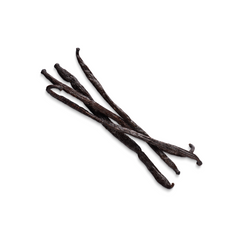
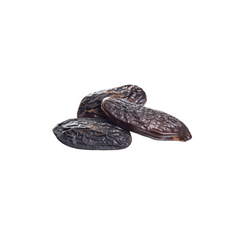
Layering marshmallow with vanilla or tonka bean amplifies the shared vanillin and coumarin molecules, resulting in a richer, more persistent sweetness. By Kilian Love, Don’t Be Shy and Parfums de Marly Oriana both demonstrate this synergy, with marshmallow and vanilla forming a seamless gourmand bridge.

02

Add Depth

Combining marshmallow with amber or woody notes introduces balsamic and resinous molecules (e.g., benzoin, labdanum), which anchor the airy sweetness and add complexity. Commodity Milk pairs marshmallow with mahogany wood, while Juliette Has A Gun Powder Love uses musk and sandalwood for a creamy, grounded effect.

03

Lighten the Glow

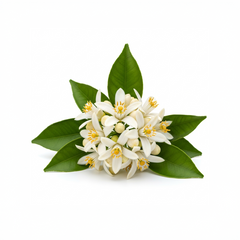
Pairing marshmallow with citrus or floral notes (such as orange blossom or neroli) leverages shared aldehydic and floral molecules, creating a fresher, more uplifting scent. By Kilian Love, Don’t Be Shy is a classic example, blending marshmallow with orange blossom for a luminous, airy finish.

Wear It Right

How to Wear Marshmallow Like a Pro

Seasonal Guide

Fall & Winter

Cooler temperatures slow the evaporation of ethyl maltol and musks, allowing marshmallow’s creamy, powdery facets to linger. Apply to pulse points and layer with vanilla or amber for added warmth. Marshmallow’s enveloping sweetness is especially comforting in cold weather.

Spring

Moderate temperatures allow marshmallow’s airy, sweet qualities to shine. Pair with floral notes like orange blossom or neroli for a fresh, uplifting effect. Apply lightly to avoid overwhelming lighter spring scents.

Summer

Heat increases the volatility of marshmallow’s top notes, making the scent more diffusive but shorter-lived. Apply sparingly to avoid cloying sweetness, and consider layering with citrus or aquatic notes for balance. Focus on hair or clothing application for longer-lasting effect.

Year-Round Tip

Adjust application based on climate and personal preference. In humid conditions, marshmallow’s projection is enhanced; in dry environments, moisturize skin before application to improve longevity. Marshmallow’s versatility makes it suitable for any season with the right pairing.

Application Points

Strategic application maximizes marshmallow’s projection and longevity, with pulse points and hair offering distinct olfactory effects.

1

Neck

Applying marshmallow fragrance to the neck leverages body heat to accelerate the release of sweet, airy top notes, creating an immediate, enveloping sillage.

2

Behind the Ears

This area maintains a stable temperature, allowing musks and vanillin to persist and blend with natural skin oils for a subtle, long-lasting sweetness.

3

Inner Wrists

Pulse points on the wrists enhance volatility, intensifying the initial sugary burst. Avoid rubbing to preserve the integrity of the marshmallow accord.

4

Hair

Spraying marshmallow fragrance on hair provides a diffusive, cloud-like effect, as hair fibers trap and slowly release the scent throughout the day.

Pro Tip

Layer marshmallow fragrance over unscented lotion or body oil to lock in moisture and extend the longevity of the sweet, powdery accord.

Mood Architecture™

Top Marshmallow Fragrances by Mood Score

These Marshmallow-based fragrances scored highest on the MEI™ Mood Architecture Framework — measuring how a scent may influence your emotional state.

Highest MEI Score
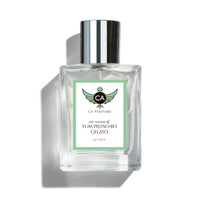
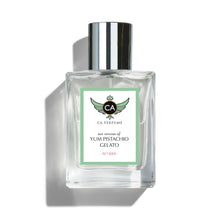
Yum Pistachio Gelato — Yum Pistachio Gelato 33 Alternative Perfume
7.63
MEI™
Primary Romantic
Secondary Energizing
Confidence
7.04
Presence
6.46
Mood Lift
8.69
Identity
6.76
Warmth
8.45
Social Ease
7.51
Energy
6.8
" I am beautiful.
View full mood profile →
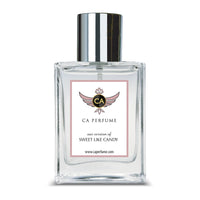
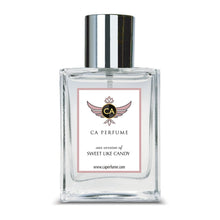
Sweet Like Candy — Ariana Grande Sweet Like Candy Alternative Perfume
7.55
MEI™
Primary Romantic
Secondary Grounding
Confidence
6.91
Presence
6.27
Mood Lift
8.56
Identity
6.53
Warmth
8.72
Social Ease
7.57
Energy
5.8
" I am beautiful.
View full mood profile →
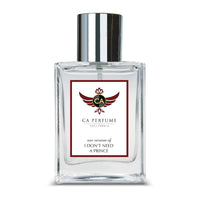
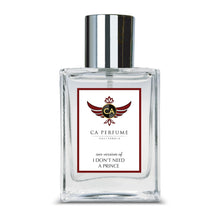
I Don't Need A Prince — Alternative Fragrance Inspired by I Don't Need A Prince By My Side To Be A Princess
7.4
MEI™
Primary Romantic
Secondary Grounding
Confidence
6.64
Presence
6.09
Mood Lift
8.32
Identity
6.43
Warmth
9.13
Social Ease
7.27
Energy
5.7
" I am beautiful.
View full mood profile →
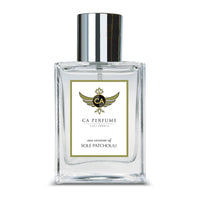
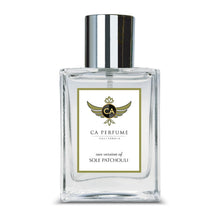
Sole Patchouli — Vertus Sole Patchouli Alternative Perfume
5.43
MEI™
Primary Romantic
Secondary Confident
Confidence
5.51
Presence
5.81
Mood Lift
5.66
Identity
6.01
Warmth
5.93
Social Ease
4.65
Energy
3.1
" I am beautiful.
View full mood profile →
HumanSafe™

Top Marshmallow Fragrances by HumanSafe™ Score

These Marshmallow-based fragrances have the highest product-level HumanSafe™ scores in this ingredient collection.

Highest HumanSafe™ Score
Yum Pistachio Gelato — Yum Pistachio Gelato 33 Alternative Perfume
A-
HumanSafe™ Score Generally Safe
Safest Evaluated Ingredients EDP
AQUA Solvent / Carrier ISS 10.0
AMBROXIDE Evaluated ingredient ISS 9.0
2H-1-BENZOPYRAN-2-ONE Evaluated ingredient ISS 8.0
LINALYL ACETATE Evaluated ingredient ISS 7.0
LINALOOL Evaluated ingredient ISS 7.0
View full safety profile →
Sweet Like Candy — Ariana Grande Sweet Like Candy Alternative Perfume
A-
HumanSafe™ Score Generally Safe
Safest Evaluated Ingredients EDP
AQUA Solvent / Carrier ISS 10.0
2-(1-(3',3'-DIMETHYL-1'-CYCLOHEXYL)ETHOXY)-2-METHYL PROPYL Evaluated ingredient ISS 10.0
1,4-DIOXACYCLOHEPTADECANE-5,17-DIONE Evaluated ingredient ISS 10.0
BENZYL SALICYLATE EYE IRRITATION - CAT. 2B [H320] Evaluated ingredient ISS 9.0
3-CYCLOPENTENE-1-BUTANOL, .ALPHA.,.BETA.,2,2,3- Evaluated ingredient ISS 8.0
LINALYL ACETATE Evaluated ingredient ISS 7.0
View full safety profile →
Sole Patchouli — Vertus Sole Patchouli Alternative Perfume
A-
HumanSafe™ Score Generally Safe
Safest Evaluated Ingredients EDP
AQUA Solvent / Carrier ISS 10.0
4H-INDEN-4-ONE, 1,2,3,5,6,7-HEXAHYDRO-1,1,2,3,3- Evaluated ingredient ISS 9.0
AMBREIN Evaluated ingredient ISS 7.0
ALCOHOL DENAT. Solvent / Carrier ISS 7.0
View full safety profile →
I Don't Need A Prince — Alternative Fragrance Inspired by I Don't Need A Prince By My Side To Be A Princess
A-
HumanSafe™ Score Generally Safe
Safest Evaluated Ingredients EDP
OXACYCLOHEPTADEC-10-EN-2-ONE Evaluated ingredient ISS 10.0
AQUA Solvent / Carrier ISS 10.0
1,4-DIOXACYCLOHEPTADECANE-5,17-DIONE Evaluated ingredient ISS 10.0
BENZYL SALICYLATE Evaluated ingredient ISS 9.0
LINALYL ACETATE Evaluated ingredient ISS 7.0
View full safety profile →
Expert Voices

What Masters Say About Marshmallow

"Marshmallow is not a literal note. Unlike something like vanilla there is sadly no marshmallow fruit or plant to harvest its oils. Instead, the scent of marshmallow as we know it is an accord created by combining vanillin, ethyl maltol, benzoin, heliotropin, and musk."
Scentral Park Editorial
The marshmallow accord is a modern synthetic construction, prized for its ability to impart a sweet, airy, and powdery quality to gourmand and floral fragrances.
CA Perfume Editorial
Common Questions

Frequently Asked Questions

Frequently asked questions about marshmallow in perfumery.

In perfume, marshmallow smells sweet, airy, and powdery, with creamy vanilla undertones. The scent is created using a blend of vanillin, ethyl maltol, heliotropin, and musks, resulting in a photorealistic impression of the confection. Depending on the formula, marshmallow can be fluffy and light or denser and more caramelized, often evoking nostalgia and comfort. Notable examples include By Kilian Love, Don’t Be Shy and Parfums de Marly Oriana.

Marshmallow is most commonly used as a heart or base note in fragrance. Its main components—vanillin, ethyl maltol, and musks—have low volatility, allowing the accord to persist and provide a long-lasting, enveloping sweetness. In some compositions, marshmallow appears as a top note for immediate impact, but its true strength is in the heart and base, where it supports and softens other notes.

Marshmallow is favored in niche perfumes for its ability to evoke nostalgia, comfort, and playful gourmand themes. Its synthetic construction allows for precise control over sweetness and texture, making it versatile for layering with florals, fruits, and woods. Marshmallow’s photorealistic, edible quality appeals to modern consumers seeking unique, memorable scent experiences.

Marshmallow fragrance uses often involve pairing with vanilla, tonka bean, orange blossom, amber, musk, and sandalwood. These notes share molecular affinities—vanillin, coumarin, and musks—that create seamless, harmonious blends. Citrus and berry notes can add freshness, while woods and resins provide depth and longevity.

Marshmallow perfumes can be worn in summer, but application should be light, as heat increases the volatility of sweet, powdery notes. Pairing marshmallow with citrus or aquatic accords can create a fresher, more diffusive effect suitable for warm weather. Focus on hair or clothing application to extend longevity and avoid cloying sweetness.

A marshmallow-forward Eau de Parfum typically lasts 6–10 hours, depending on the concentration of musks and vanillin, as well as skin chemistry and application method. Oil-based formats may last longer but have less projection. Longevity is enhanced by layering over moisturized skin.

Yes, marshmallow is highly compatible for layering. It blends well with vanilla, amber, florals, and woods, thanks to shared molecular components. Layering marshmallow with citrus or berry notes can create a fresher effect, while pairing with amber or musk adds depth. Notable examples include layering By Kilian Love, Don’t Be Shy with orange blossom-focused scents.

For beginners, accessible marshmallow perfumes include Commodity Milk, Sabrina Carpenter Sweet Tooth, Kayali Yum Boujee Marshmallow | 81, and Paris Corner Marshmallow Blush. These fragrances offer a clear, photorealistic marshmallow note and are widely available. Sampling is recommended to find the preferred balance of sweetness and texture.

At CA Perfume, explore marshmallow fragrances by considering the desired intensity (EDP vs. oil), pairing notes (vanilla, amber, florals), and seasonality. Use the HumanSafe™ platform to verify ingredient transparency and allergen safety. Sampling different marshmallow-forward scents helps identify the ideal balance for your skin chemistry and preferences.

Marshmallow can be sweet, but its versatility allows for subtle, airy interpretations as well as denser, dessert-like effects. When blended with musks, woods, or citrus, marshmallow becomes more wearable for daily use. Application amount and pairing notes can be adjusted to suit personal taste and context.

Gourmand Collection

Explore Our Top Marshmallow Fragrances

Discover marshmallow-forward scents in CA Perfume’s collection, from photorealistic gourmands to innovative blends with florals and woods.

Shop all marshmallow fragrances at CA Perfume →

Where Marshmallow Comes From — Origin & Extraction

The marshmallow note in perfumery is a synthetic construct, not a direct extract from the marshmallow confection or the Althaea officinalis plant. Historically, marshmallow candies were made from the mucilaginous sap of Althaea officinalis, a plant native to Eurasia and North Africa, but the root has a green, earthy aroma with little resemblance to the sweet treat. Modern marshmallow flavor and scent are entirely the result of laboratory synthesis. The marshmallow accord is built from a blend of natural and synthetic materials. Key components include vanillin (CAS 121-33-5), ethyl vanillin (CAS 121-32-4), ethyl maltol (CAS 4940-11-8), heliotropin (piperonal, CAS 120-57-0), and various musks (e.g., galaxolide, CAS 1222-05-5). These aroma chemicals are produced globally, with major suppliers including Givaudan, Firmenich, IFF, and Symrise. China, the United States, and Western Europe are leading producers of vanillin and ethyl maltol, with global vanillin production exceeding 16,000 metric tons annually (mostly synthetic). No extraction from natural marshmallow is performed; instead, the accord is constructed by blending these molecules in precise ratios. Ethyl maltol is produced via chemical synthesis from toluene or furfural, while vanillin is synthesized from guaiacol or lignin. The cost of these synthetics is relatively low: vanillin averages $15–25/kg, ethyl maltol $50–80/kg, and heliotropin $60–120/kg, compared to the much higher cost of natural absolutes. The marshmallow accord is thus highly accessible and consistent in quality. Sustainability considerations favor synthetics in this case, as the production of these molecules does not require agricultural land or threaten biodiversity. The HumanSafe™ platform verifies the traceability and safety of all aroma chemicals used in CA Perfume’s marshmallow accords. No IFRA restrictions currently apply to the marshmallow accord as a whole, but individual components such as vanillin and heliotropin have recommended maximum usage levels to minimize sensitization risk.

Famous Fragrances That Define Marshmallow in Perfumery

Marshmallow’s rise in perfumery is closely tied to the evolution of the gourmand fragrance family. One of the earliest and most influential uses is By Kilian Love, Don’t Be Shy (2007, Calice Becker), where the marshmallow accord is paired with orange blossom and neroli, creating a lush, creamy heart that set a benchmark for modern gourmands. Parfums de Marly Oriana (2021, Nathalie Lorson and Marie Salamagne) advances the concept with a dominant marshmallow note, layered with raspberry and Chantilly cream for a photorealistic, fluffy effect. Commodity Milk (2021, Christelle Laprade) demonstrates a contemporary approach, using musky marshmallow to evoke a soft, skin-like sweetness. Sabrina Carpenter Sweet Tooth (2022) blends marshmallow with candied ginger and chocolate, highlighting its versatility in celebrity fragrance. Kayali Yum Boujee Marshmallow | 81 (2024) and Paris Corner Marshmallow Blush (2025) both foreground marshmallow as a central theme, often paired with fruity top notes and creamy musks. Other notable examples include Juliette Has A Gun Powder Love (2025), which explores a powdery marshmallow accord, and Ellis Brooklyn Marshmallows (2025), where marshmallow is blended with lemon and peach for a citrus-gourmand twist. These fragrances illustrate marshmallow’s ability to serve as a dominant note, a bridge between florals and vanillic bases, or an accent that softens and rounds out compositions. CA Perfume’s collection draws on this lineage, offering marshmallow-forward scents that reflect both classic and innovative uses of the note.

Natural vs Synthetic Marshmallow in Perfumery

Marshmallow in perfumery is inherently synthetic, as the Althaea officinalis plant offers no extractable scent resembling the confection. The marshmallow accord is constructed from a palette of aroma chemicals: vanillin (CAS 121-33-5), ethyl maltol (CAS 4940-11-8), heliotropin (CAS 120-57-0), and musks such as galaxolide (CAS 1222-05-5) or ambrettolide (CAS 3738-68-3). These molecules are chosen for their stability, tenacity, and ability to mimic the sweet, airy, and powdery facets of marshmallow. Performance-wise, synthetic marshmallow accords offer superior longevity (typically 6–10 hours in EDP format) and consistent diffusion compared to any hypothetical natural extract. The cost differential is significant: a kilogram of marshmallow accord (blended from synthetics) costs $70–150, while a comparable natural gourmand extract (such as tonka bean absolute) can exceed $1,000/kg. Famous fragrances such as By Kilian Love, Don’t Be Shy and Parfums de Marly Oriana use entirely synthetic marshmallow accords, as do most contemporary gourmand launches. Sustainability and supply chain transparency are strengths of the synthetic approach. The HumanSafe™ platform at CA Perfume ensures all marshmallow accords are free from phthalates and comply with IFRA guidelines. The use of synthetics reduces pressure on natural resources and allows for allergen control. Key aroma chemicals—vanillin, ethyl maltol, heliotropin—are manufactured in controlled environments, minimizing batch variability and environmental impact.