Ingredient Guide · Citrus-Floral
Citrus-Floral Family · Perfumery Note

Mandarin Blossom

Explore the sweet, floral, and citrusy allure of mandarin blossom in perfumery.

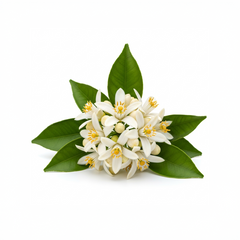
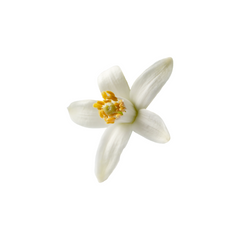
Mandarin blossom, derived from the flowers of Citrus reticulata, offers a sweet, floral, and citrusy aroma. Its key components include linalool, methyl anthranilate, and limonene, contributing to its distinctive scent profile. In perfumery, it serves as a heart note, typically used at concentrations of 1–5%. Mandarin blossom interacts with skin chemistry, with its scent intensity varying based on individual skin pH and body heat. Notable fragrances featuring mandarin blossom include 'Mandarine Basilic' by Bulgari (2007) and 'Mandarine' by Annick Goutal (1999).

Mandarin Blossom
Ingredient Profile

Mandarin Blossom

Citrus-Floral Family
Family Citrus-Floral
Note Position Heart Note
Usage Level 1–5%
Key Origins Brazil, China, Italy
The Ingredient

What does Mandarin Blossom smell like and why is it significant in perfumery?

Mandarin blossom, the flower of Citrus reticulata, emits a sweet, floral, and citrusy aroma. This scent is primarily attributed to compounds such as linalool, methyl anthranilate, and limonene. Linalool imparts a floral, lavender-like note, while methyl anthranilate contributes a sweet, grape-like aroma, and limonene provides a fresh, citrusy scent. In perfumery, mandarin blossom is classified as a heart note, typically used at concentrations of 1–5%. It interacts with skin chemistry, with its scent intensity varying based on individual skin pH and body heat. Notable fragrances featuring mandarin blossom include 'Mandarine Basilic' by Bulgari (2007) and 'Mandarine' by Annick Goutal (1999).

1–5%
Typical concentration of mandarin blossom in perfumery compositions, serving as a heart note.
60–80%
Percentage of limonene, a key component contributing to mandarin blossom's citrus aroma.
Brazil, China, Italy, Morocco, Spain
Major producing countries of mandarin blossom, each contributing to its unique scent profile.
Origin & Extraction

Where Mandarin Blossom Comes From — Origin & Extraction

Mandarin blossom is primarily sourced from the flowers of Citrus reticulata, commonly known as mandarin or tangerine. Major producing countries include Brazil, China, Italy, Morocco, and Spain. The extraction of mandarin blossom oil is less common than other citrus oils due to the prioritization of fruit harvest. The primary extraction method is steam distillation, which involves passing steam through the flowers to release volatile aromatic compounds. This process yields an essential oil that captures the delicate floral and citrus notes of the blossom. The oil composition is similar to neroli but with higher methyl anthranilate and lower indole content. The yield from mandarin blossom is relatively low, making it a more expensive ingredient in perfumery. The cost of natural mandarin blossom oil varies depending on the region and extraction method, but it is generally higher than that of more commonly used citrus oils like lemon or orange. Sustainability considerations include the impact of cultivation practices on local ecosystems and the importance of responsible sourcing to ensure the continued availability of this ingredient.

Mandarin blossom is sourced from the flowers of Citrus reticulata, commonly known as mandarin or tangerine. Major producing countries include Brazil, China, Italy, Morocco, and Spain. The extraction of mandarin blossom oil is less common than other citrus oils due to the prioritization of fruit harvest. The primary extraction method is steam distillation, which involves passing steam through the flowers to release volatile aromatic compounds. This process yields an essential oil that captures the delicate floral and citrus notes of the blossom. The oil composition is similar to neroli but with higher methyl anthranilate and lower indole content. The yield from mandarin blossom is relatively low, making it a more expensive ingredient in perfumery. The cost of natural mandarin blossom oil varies depending on the region and extraction method, but it is generally higher than that of more commonly used citrus oils like lemon or orange. Sustainability considerations include the impact of cultivation practices on local ecosystems and the importance of responsible sourcing to ensure the continued availability of this ingredient.

BR

Brazil

Brazil is a significant producer of mandarin blossom, particularly in regions with favorable climates for citrus cultivation. The country's vast agricultural sector and favorable growing conditions contribute to its substantial production volume. The extraction methods in Brazil often involve steam distillation, capturing the delicate floral and citrus notes characteristic of mandarin blossom. Sustainability practices in Brazil focus on responsible farming techniques to minimize environmental impact and ensure the longevity of mandarin cultivation.

CN

China

China's extensive citrus orchards make it a major producer of mandarin blossom. The country's diverse climate zones allow for the cultivation of various mandarin species, with extraction methods primarily involving steam distillation. Chinese producers emphasize traditional techniques to preserve the aromatic integrity of the blossom. Sustainability efforts in China include promoting organic farming practices and reducing the use of chemical pesticides to protect both the environment and consumer health.

IT

Italy

Italy's Mediterranean climate is ideal for mandarin cultivation, particularly in regions like Sicily. Italian producers often use steam distillation to extract mandarin blossom oil, capturing its sweet, floral, and citrusy aroma. The country's rich perfumery heritage influences the quality and demand for mandarin blossom in the fragrance industry. Sustainability initiatives in Italy focus on preserving biodiversity and promoting eco-friendly farming practices.

MA

Morocco

Morocco's citrus-growing regions contribute to the production of mandarin blossom. The country's extraction methods typically involve steam distillation, yielding an essential oil with the characteristic floral and citrus notes. Moroccan producers are known for their artisanal approaches to extraction, emphasizing quality and traditional methods. Sustainability considerations in Morocco include water conservation and soil health to maintain productive orchards.

ES

Spain

Spain's citrus industry includes the cultivation of mandarin varieties, with mandarin blossom being a valued product. Extraction methods in Spain often involve steam distillation, capturing the delicate aroma of the blossom. Spanish producers focus on high-quality extraction processes to meet the standards of the global fragrance market. Sustainability practices in Spain aim to reduce carbon footprints and promote sustainable agriculture.

Chemistry

Natural vs Synthetic Mandarin Blossom in Perfumery

Mandarin blossom's primary aroma compounds—linalool, methyl anthranilate, and limonene—are also found in other citrus oils. Synthetic versions of these compounds are available and can replicate the scent profile of mandarin blossom. For instance, synthetic linalool and limonene are commonly used in perfumery to achieve floral and citrus notes, respectively. The performance of synthetic mandarin blossom is comparable to its natural counterpart, offering similar longevity and diffusion. Synthetic versions are more cost-effective, with prices significantly lower than natural mandarin blossom oil. Sustainability and supply chain considerations favor the use of synthetic compounds, as they reduce the environmental impact associated with natural extraction methods. CA Perfume approaches this ingredient with transparency, ensuring that all materials used are HumanSafe™ verified, providing full disclosure regarding their origin and composition.

Natural
Mandarin Blossom Absolute
Cost $3,000–6,000/kg
Method Solvent / CO₂
Character Complex, variable
vs
Synthetic
Safranal & Analogues
Cost $50–200/kg
Method Lab synthesis
Character Consistent, stable
Hall of Fame

Famous Fragrances That Define Mandarin Blossom in Perfumery

Mandarin blossom has been a cherished ingredient in perfumery, featured in several notable fragrances. 'Mandarine Basilic' by Bulgari (2007), created by perfumer Alberto Morillas, showcases mandarin blossom as a dominant note, paired with basil and green notes to create a fresh, citrus-floral composition. 'Mandarine' by Annick Goutal (1999), crafted by Isabelle Doyen, highlights mandarin blossom's sweet, floral character, complemented by notes of orange and lemon. 'Mandarine' by Annick Goutal (1999) features mandarin blossom as a central note, paired with orange and lemon to enhance its citrus profile. 'Mandarine Basilic' by Bulgari (2007) uses mandarin blossom as a dominant note, combined with basil and green notes for a fresh, citrus-floral composition. 'Mandarine' by Annick Goutal (1999) highlights mandarin blossom's sweet, floral character, complemented by orange and lemon notes. CA Perfume's collection embraces the essence of mandarin blossom, offering fragrances that capture its sweet, floral, and citrusy allure.

The Accord

How is a captivating Mandarin Blossom accord crafted?

A Mandarin Blossom accord can be crafted by blending the following ingredients in the specified proportions: - Mandarin Blossom: 25–30% of blend - Orange Blossom: 20–25% of blend - Neroli: 20–25% of blend - Petitgrain: 20–25% of blend Each ingredient contributes to the accord as follows: - **Mandarin Blossom**: Provides the sweet, floral, and citrusy core of the accord, imparting a fresh and uplifting aroma. - **Orange Blossom**: Adds depth and complexity with its rich, honeyed floral notes, enhancing the overall sweetness. - **Neroli**: Introduces a green, slightly spicy facet, balancing the sweetness and adding a touch of sophistication. - **Petitgrain**: Offers a woody, green note that grounds the accord, providing balance and longevity. This blend creates a harmonious and well-rounded Mandarin Blossom accord, suitable for use in various citrus-floral compositions.

The Olfactory Layers

How Mandarin Blossom Evolves on Skin

The olfactory evolution of mandarin blossom in a fragrance typically progresses as follows: - **Top Notes (0–15 minutes)**: The initial impression is a fresh, citrusy burst, primarily from limonene, providing an immediate zesty aroma. - **Heart Notes (20–60 minutes)**: As the top notes dissipate, the scent evolves into a sweet, floral profile, with linalool contributing a lavender-like floral note and methyl anthranilate adding a grape-like sweetness. - **Base Notes (Several hours)**: The fragrance settles into a subtle, lingering citrus-floral aroma, with limonene maintaining a light citrus presence and linalool offering a soft floral undertone. This progression showcases the dynamic nature of mandarin blossom's scent profile over time.

I
Top notes
0–15 min
Citrusy Freshness

The initial impression is a fresh, citrusy burst, primarily from limonene, providing an immediate zesty aroma. This sharp citrus note is characteristic of mandarin and sets the stage for the fragrance's evolution. The volatility of limonene ensures a quick evaporation, delivering an uplifting opening to the scent experience.

CitrusyZestyUplifting
II
Heart notes
20–60 min
Sweet Floral Heart

As the top notes dissipate, the scent evolves into a sweet, floral profile. Linalool contributes a lavender-like floral note, adding depth and complexity, while methyl anthranilate imparts a grape-like sweetness, enhancing the overall sweetness of the fragrance. This phase offers a balanced and harmonious floral-citrus aroma, characteristic of mandarin blossom's heart note.

FloralSweetBalanced
III
Base notes
Several hours
Lingering Citrus-Floral Aroma

The fragrance settles into a subtle, lingering citrus-floral aroma. Limonene maintains a light citrus presence, providing a refreshing undertone, while linalool offers a soft floral undertone, ensuring the fragrance remains pleasant and enduring. This phase highlights the lasting qualities of mandarin blossom, leaving a delicate and enduring impression.

LingeringSubtleDelicate
TOP NOTES Citrusy Freshness 0–15 minutes HEART NOTES Sweet Floral Heart 20–60 minutes BASE NOTES Lingering Citrus-Floral Aroma Several hours
Through the Ages

The Story of Mandarin Blossom in Perfumery

Mandarin blossom has been utilized in perfumery for centuries, with its sweet, floral, and citrusy aroma making it a cherished ingredient in various compositions. Its use has evolved over time, with modern extraction methods and synthetic alternatives expanding its application in contemporary fragrances.

Ancient Times

Early Use in Perfumery

Mandarin blossom's aromatic properties were recognized and utilized in ancient civilizations, where it was used in various forms for its fragrance and therapeutic properties.

19th Century

Introduction to Western Perfumery

The appreciation of mandarin blossom expanded to Western perfumery, where it began to be incorporated into various compositions for its unique scent profile.

Early 20th Century

Advancements in Extraction Methods

The development of steam distillation and solvent extraction techniques allowed for more efficient and higher-quality extraction of mandarin blossom oil, making it more accessible to perfumers.

Late 20th Century

Synthesis of Aroma Compounds

The synthesis of key aroma compounds like linalool and limonene provided cost-effective and consistent alternatives to natural mandarin blossom oil, expanding its use in mass-market fragrances.

21st Century

Sustainable Sourcing and Transparency

Modern perfumery emphasizes sustainable sourcing and transparency, with brands like CA Perfume ensuring that all materials, including mandarin blossom, are HumanSafe™ verified, providing full disclosure regarding their origin and composition.

The Art of Layering

How to Layer Mandarin Blossom

Layering mandarin blossom with complementary notes can enhance its aroma and create a harmonious fragrance experience. Understanding how to layer mandarin blossom involves selecting notes that blend well at a molecular level, considering factors like volatility and scent profile.

01

Enhance Sweetness

Pairing mandarin blossom with notes like vanilla or tonka bean can amplify its sweet facets. The combination of linalool from mandarin blossom and vanillin from vanilla creates a warm, inviting aroma. This layering is exemplified in fragrances like 'Mandarine Vanille' by Annick Goutal (2000).

02

Add Depth

Combining mandarin blossom with woody notes like sandalwood or cedarwood introduces depth. The citrus-floral notes of mandarin blossom blend with the creamy, woody aroma of sandalwood, as seen in 'Mandarine Santal' by Annick Goutal (2009).

03

Lighten the Glow

Layering mandarin blossom with green notes like basil or mint can enhance its freshness. The herbal aroma of basil complements the citrus-floral scent of mandarin blossom, creating a refreshing blend found in 'Mandarine Basilic' by Bulgari (2007).

Wear It Right

How to Wear Mandarin Blossom Like a Pro

Seasonal Guide

Fall & Winter

In cooler temperatures, mandarin blossom's scent remains vibrant and uplifting. Apply to pulse points to enhance diffusion. Layering with warmer notes like amber can add depth.

Spring

Spring's moderate temperatures complement mandarin blossom's fresh aroma. Apply to neck and wrists for a balanced scent experience. Pairing with green notes like basil can enhance freshness.

Summer

In warmer weather, mandarin blossom's citrus notes are invigorating. Apply sparingly to avoid overwhelming the senses. Pairing with aquatic notes can enhance the refreshing quality.

Year-Round Tip

Mandarin blossom's versatility makes it suitable for year-round wear. Adjust application based on personal preference and environmental conditions.

Application Points

Strategic application of mandarin blossom enhances its diffusion and longevity, with specific areas optimizing its scent release.

1

Neck

Applying to the neck allows the fragrance to diffuse with body heat, releasing the citrus-floral notes effectively.

2

Behind the Ears

This area provides a subtle release of fragrance, with mandarin blossom's sweet aroma enhancing the scent profile.

3

Inner Wrists

Pulse points like the inner wrists emit heat, aiding in the diffusion of mandarin blossom's fresh notes.

4

Hair

Hair retains fragrance well, allowing mandarin blossom's aroma to linger and be released with movement.

★

Pro Tip

For a more pronounced scent, apply mandarin blossom to clothing or fabric, where it can last longer due to the material's absorption.

Mood Architecture™

Top Mandarin Blossom Fragrances by Mood Score

These Mandarin Blossom-based fragrances scored highest on the MEI™ Mood Architecture Framework — measuring how a scent may influence your emotional state.

Highest MEI Score
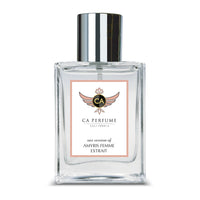
Amyris Femme Extrait — Amyris Extrait Alternative Perfume
6.2
MEI™
Primary Fresh
Secondary Romantic
Confidence
5.83
Presence
6.08
Mood Lift
6.75
Identity
6.12
Warmth
6.23
Social Ease
6.27
Energy
3.88
" I am radiant.
View full mood profile →
HumanSafe™

Top Mandarin Blossom Fragrances by HumanSafe™ Score

These Mandarin Blossom-based fragrances have the highest product-level HumanSafe™ scores in this ingredient collection.

Highest HumanSafe™ Score
Amyris Femme Extrait — Amyris Extrait Alternative Perfume
A-
HumanSafe™ Score Generally Safe
Safest Evaluated Ingredients EDP
AQUA Solvent / Carrier ISS 10.0
3-CYCLOHEXENE-1-CARBOXALDEHYDE, 1-METHYL-4-(4- Evaluated ingredient ISS 10.0
7-OCTEN-2-OL, 2,6-DIMETHYL- Evaluated ingredient ISS 9.0
2H-1-BENZOPYRAN-2-ONE Evaluated ingredient ISS 8.0
LINALYL ACETATE Evaluated ingredient ISS 7.0
LINALOOL Evaluated ingredient ISS 7.0
View full safety profile →
Expert Voices

What Masters Say About Mandarin Blossom

“
"Mandarin blossom offers a sweet, floral, and citrusy aroma, making it a cherished ingredient in citrus-floral compositions."
CA Perfume Editorial
“
"The delicate nature of mandarin blossom's scent profile allows it to blend harmoniously with various notes, enhancing the overall fragrance experience."
CA Perfume Editorial
Common Questions

Frequently Asked Questions

Frequently asked questions about mandarin blossom in perfumery provide further insights into its characteristics and applications.

Mandarin blossom imparts a sweet, floral, and citrusy aroma in perfumes. Its scent is characterized by the presence of linalool, methyl anthranilate, and limonene, contributing to its distinctive fragrance profile. This combination results in a fresh, uplifting scent that is both sweet and floral, with a subtle citrus undertone.

Mandarin blossom is typically used as a heart note in fragrances. Positioned between the top and base notes, it adds depth and complexity to the scent composition, bridging the initial fresh notes with the lingering base notes.

Mandarin blossom is favored in niche perfumes for its unique and delicate aroma. Its sweet, floral, and citrusy scent profile offers a refreshing and sophisticated element that appeals to those seeking distinctive and high-quality fragrances.

Mandarin blossom pairs well with various notes, including orange blossom, neroli, tangerine, bergamot, lemon blossom, lime blossom, jasmine, ylang-ylang, and geranium. These combinations enhance its citrus-floral character and create harmonious and balanced fragrances.

Yes, mandarin blossom perfumes are suitable for summer and hot weather. Their fresh, citrusy aroma provides a refreshing and uplifting scent experience, making them ideal for warm climates. The light and airy nature of mandarin blossom ensures it remains pleasant and not overpowering in the heat.

The longevity of a mandarin blossom fragrance depends on its concentration and the individual's skin chemistry. In Eau de Toilette concentrations, it may last around 4–6 hours, while in Eau de Parfum concentrations, it can last 6–8 hours. Factors such as skin type, environment, and application method can influence the duration of the scent.

Yes, mandarin blossom can be layered with other fragrances to create a personalized scent profile. Its versatile aroma blends well with various notes, allowing for creative combinations. For instance, layering mandarin blossom with vanilla can enhance its sweetness, while combining it with woody notes like sandalwood can add depth.

For beginners, fragrances like 'Mandarine' by Annick Goutal (1999) and 'Mandarine Basilic' by Bulgari (2007) are excellent choices. These perfumes showcase mandarin blossom's sweet, floral, and citrusy aroma in well-balanced compositions, making them accessible and enjoyable for those new to this note.

At CA Perfume, selecting the right mandarin blossom fragrance involves considering your personal scent preferences and the desired intensity. Our collection offers a range of mandarin blossom-based perfumes, each with unique compositions. Exploring our offerings and reading detailed descriptions can help you find a fragrance that resonates with your olfactory preferences.

Mandarin blossom primarily imparts a sweet and floral aroma in fragrances. While it has a subtle citrus undertone, it is not characterized by spiciness. The sweetness and floral aspects make it a popular choice for creating fresh and uplifting scent profiles.

Citrus-Floral Collection

Explore Our Top Mandarin Blossom Fragrances

Discover a curated selection of mandarin blossom-based perfumes that capture the essence of this delightful note.

Shop all mandarin blossom fragrances at CA Perfume →

Where Mandarin Blossom Comes From — Origin & Extraction

Mandarin blossom is sourced from the flowers of Citrus reticulata, commonly known as mandarin or tangerine. Major producing countries include Brazil, China, Italy, Morocco, and Spain. The extraction of mandarin blossom oil is less common than other citrus oils due to the prioritization of fruit harvest. The primary extraction method is steam distillation, which involves passing steam through the flowers to release volatile aromatic compounds. This process yields an essential oil that captures the delicate floral and citrus notes of the blossom. The oil composition is similar to neroli but with higher methyl anthranilate and lower indole content. The yield from mandarin blossom is relatively low, making it a more expensive ingredient in perfumery. The cost of natural mandarin blossom oil varies depending on the region and extraction method, but it is generally higher than that of more commonly used citrus oils like lemon or orange. Sustainability considerations include the impact of cultivation practices on local ecosystems and the importance of responsible sourcing to ensure the continued availability of this ingredient.

Famous Fragrances That Define Mandarin Blossom in Perfumery

Mandarin blossom has been a cherished ingredient in perfumery, featured in several notable fragrances. 'Mandarine Basilic' by Bulgari (2007), created by perfumer Alberto Morillas, showcases mandarin blossom as a dominant note, paired with basil and green notes to create a fresh, citrus-floral composition. 'Mandarine' by Annick Goutal (1999), crafted by Isabelle Doyen, highlights mandarin blossom's sweet, floral character, complemented by notes of orange and lemon. 'Mandarine' by Annick Goutal (1999) features mandarin blossom as a central note, paired with orange and lemon to enhance its citrus profile. 'Mandarine Basilic' by Bulgari (2007) uses mandarin blossom as a dominant note, combined with basil and green notes for a fresh, citrus-floral composition. 'Mandarine' by Annick Goutal (1999) highlights mandarin blossom's sweet, floral character, complemented by orange and lemon notes. CA Perfume's collection embraces the essence of mandarin blossom, offering fragrances that capture its sweet, floral, and citrusy allure.

Natural vs Synthetic Mandarin Blossom in Perfumery

Mandarin blossom's primary aroma compounds—linalool, methyl anthranilate, and limonene—are also found in other citrus oils. Synthetic versions of these compounds are available and can replicate the scent profile of mandarin blossom. For instance, synthetic linalool and limonene are commonly used in perfumery to achieve floral and citrus notes, respectively. The performance of synthetic mandarin blossom is comparable to its natural counterpart, offering similar longevity and diffusion. Synthetic versions are more cost-effective, with prices significantly lower than natural mandarin blossom oil. Sustainability and supply chain considerations favor the use of synthetic compounds, as they reduce the environmental impact associated with natural extraction methods. CA Perfume approaches this ingredient with transparency, ensuring that all materials used are HumanSafe™ verified, providing full disclosure regarding their origin and composition.