Ingredient Guide · Floral
Floral Family · Perfumery Note

Lime Blossom

Bright, honeyed floral from Tilia species

Lime Blossom, derived from Tilia cordata and related species, is a heart note in perfumery characterized by bright yellow floral, honeyed, and green nuances. Its signature molecules include linalool, limonene, and methyl anthranilate, used typically at 1-3% concentration.

Lime Blossom
Ingredient Profile

Lime Blossom

Floral Family
Family Floral
Note Position Heart Note
Usage Level 1-3%
Key Origins Russia, France, Germany
Iconic In French Lime Blossom, Tilia
The Ingredient

What does Lime Blossom smell like and why is it significant in perfumery?

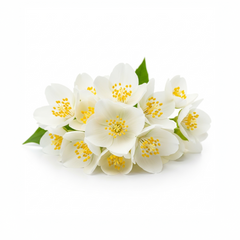
Lime Blossom, also known as linden blossom, comes from the flowers of Tilia species such as Tilia cordata and Tilia europaea. Its scent is a bright yellow floral with honeyed and green nuances, primarily due to aromatic compounds like linalool, limonene, and methyl anthranilate. This creates a complex floral profile with fresh, sweet, and slightly green facets. In perfumery, lime blossom is classified as a heart note, typically used at concentrations of 1-3% in eau de parfums and other formats. It interacts with skin chemistry to reveal a warm, narcotic floral character that evolves over hours, often accompanied by subtle honey, pollen, and tea-like undertones. Its moderate volatility allows it to bridge fresh top notes and deeper base notes effectively. Notable fragrances featuring lime blossom include Jo Malone's French Lime Blossom (1995, Patricia Choux), where it serves as a delicate floral heart paired with beeswax, bergamot, and petitgrain, and Marc-Antoine Barrois's Tilia (2018), which highlights the note's green and honeyed facets. These examples demonstrate lime blossom's versatility and its role in creating naturalistic, fresh floral compositions.

1-3%
Typical concentration range of lime blossom absolute or CO2 extract in eau de parfums, balancing olfactory impact and safety.
70 million years
Approximate age of the Tilia genus, highlighting the ancient botanical lineage of lime blossom.
2,000-5,000 USD/kg
Price range for high-quality natural lime blossom extracts, reflecting labor-intensive harvesting and extraction.
Origin & Extraction

Where Lime Blossom Comes From — Origin & Extraction

Lime Blossom's scent character is influenced by the geographic origin of the Tilia trees, with soil composition, climate, and harvesting methods shaping the aromatic profile. Cooler climates yield greener, fresher notes, while warmer regions produce sweeter, nectarous blossoms.

Lime Blossom is sourced from the flowers of the Tilia genus, primarily Tilia cordata (small-leaved linden), Tilia europaea (European linden), and Tilia platyphyllos (large-leaved linden). These deciduous trees are native to Europe, Western Russia, and parts of the Caucasus. The small-leaved linden is predominant in West Russia, while the large-leaved species thrive in warmer European climates. The flowers bloom in early summer and are harvested by hand to preserve their delicate aromatic compounds. Extraction is typically performed using CO2 supercritical extraction or solvent extraction to capture the full complexity of the floral scent without heat degradation. Steam distillation is less common due to the heat sensitivity of key molecules like linalool and methyl anthranilate. Production volumes are limited by the short flowering season and labor-intensive harvesting. The natural lime blossom absolute or CO2 extract commands prices ranging from $2,000 to $5,000 per kilogram, depending on purity and origin. Synthetic recreations are available but natural extracts remain prized for their complex, multi-faceted aroma. Sustainability concerns include the preservation of wild linden habitats and ethical harvesting practices. The synthetic alternatives, developed since the late 20th century, offer consistent supply and reduced environmental impact but lack some of the natural complexity.

RU

Russia

West Russia, especially around Moscow and Siberia, is home to abundant small-leaved linden (Tilia cordata). The cooler climate and mineral-rich soils produce lime blossom with pronounced green and fresh floral notes. Russia accounts for approximately 30% of global lime blossom production, harvested by hand during early summer.

FR

France

France, particularly in the Loire Valley and Burgundy, grows large-leaved linden (Tilia platyphyllos). The warmer climate and calcareous soils yield blossoms with richer honeyed and warm floral nuances. French lime blossom is prized for its aromatic complexity and is harvested carefully to preserve delicate aromas.

DE

Germany

Germany's temperate climate supports both small and large-leaved linden species, especially in Bavaria and the Black Forest. German lime blossom is known for its balanced floral and herbal facets, often used in traditional herbal teas and perfumery. Production is moderate but of high quality, with sustainable harvesting practices.

CZ

Czech Republic

The Czech Republic cultivates Tilia europaea, a hybrid species, in its temperate forests. The blossoms exhibit a blend of green freshness and sweet nectarousness, influenced by the region's mixed soils and moderate rainfall. Czech lime blossom extracts are valued for their naturalistic scent and are used in niche perfumery.

Chemistry

Natural vs Synthetic Lime Blossom in Perfumery

Natural lime blossom extracts are derived from Tilia flowers using solvent or CO2 extraction, capturing a complex blend of molecules including linalool (CAS 78-70-6), limonene (CAS 138-86-3), and methyl anthranilate (CAS 134-20-3). These compounds contribute to the bright floral, honeyed, and green nuances characteristic of natural lime blossom. Synthetic substitutes focus on replicating these key molecules, with synthetic linalool and methyl anthranilate widely used to mimic the floral and sweet aspects. Synthetic limonene provides the fresh citrusy facet. While synthetics offer improved stability, consistency, and cost-effectiveness (synthetics can cost $100–$500/kg versus $2,000–$5,000/kg for natural extracts), they often lack the full depth and evolving complexity of natural lime blossom. Famous fragrances like Jo Malone's French Lime Blossom use natural extracts for authenticity, while some modern compositions may blend natural and synthetic ingredients for balance. The HumanSafe™ platform ensures transparency and safety in ingredient sourcing and usage. CA Perfume values both natural and synthetic lime blossom ingredients, selecting based on desired olfactory complexity, sustainability, and performance.

Natural
Lime Blossom Absolute
Cost $3,000–6,000/kg
Method Solvent / CO₂
Character Complex, variable
vs
Synthetic
Safranal & Analogues
Cost $50–200/kg
Method Lab synthesis
Character Consistent, stable
Hall of Fame

Famous Fragrances That Define Lime Blossom in Perfumery

1995
heart note

French Lime Blossom

Jo Malone London
by Patricia Choux
bergamotpetitgrainbeeswaxlily-of-the-valleyjasminerose
2018
dominant note

Tilia

Marc-Antoine Barrois
woody noteshoneygreen facets
—
accent note

Tilleul

D'Orsay
chamomilehayherbal tea
2010
dominant note

Unter den Linden

April Aromatics
nectarous sweetnessnatural green notes
2010
dominant note

No. 10 Linde Berlin

Frau Tonis Parfum
green notesherbal accords

Lime Blossom has been featured prominently in several landmark fragrances, showcasing its delicate floral and honeyed character. Jo Malone's French Lime Blossom (1995), created by Patricia Choux, uses lime blossom as a heart note, paired with bergamot, petitgrain, and beeswax to evoke a fresh Parisian spring. Marc-Antoine Barrois's Tilia (2018) highlights lime blossom's green and honeyed facets, blending it with subtle woody undertones. D'Orsay's Tilleul (early 20th century) captures the herbal, chamomile-like aspects of lime blossom, while April Aromatics' Unter den Linden (2010s) offers a naturalistic, all-natural interpretation emphasizing the nectarous sweetness. Frau Tonis Parfum's No. 10 Linde Berlin (2010s) is noted for its realistic portrayal of linden trees in bloom, combining lime blossom with green and herbal notes. These fragrances demonstrate lime blossom's versatility as a heart note bridging fresh and warm accords. CA Perfume's collection respects this lineage by offering fragrances that explore lime blossom's multifaceted profile in both natural and blended forms.

The Accord

How is a captivating Lime Blossom accord crafted?

A Lime Blossom accord typically consists of 25-30% Lime Blossom absolute or CO2 extract to provide the bright floral and honeyed heart. 20-25% Bergamot and Petitgrain introduce fresh, citrusy top notes with green nuances. 20-25% Beeswax or honey-like notes add warmth and a natural sweetness, enhancing the nectarous character. 20-25% Green Tea or Violet Leaf contributes a fine, green, slightly hay-like undertone that balances the sweetness and adds complexity.

30%

Lime Blossom

25–30% of blend

Provides the core bright yellow floral and honeyed facets, rich in linalool and methyl anthranilate.

25%

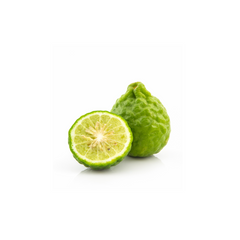
Bergamot

20–25% of blend

Adds fresh, citrusy top notes with limonene, enhancing the sparkling brightness of the accord.

25%

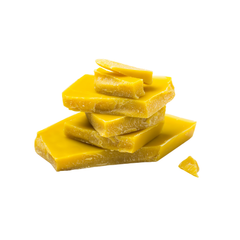
Beeswax

20–25% of blend

Contributes warm, natural sweetness and a subtle waxy texture that deepens the floral heart.

25%

Violet Leaf

20–25% of blend

Provides green, slightly hay-like undertones that balance the sweetness and add complexity.

The Olfactory Layers

How Lime Blossom Evolves on Skin

Lime Blossom evolves from a bright, fresh floral opening dominated by volatile monoterpenes like limonene, through a warm, honeyed floral heart rich in linalool and methyl anthranilate, to a lingering base with subtle green and waxy undertones that provide depth and longevity.

I
Top notes
0–15 min
Bright Citrus Sparkle

The initial impression is bright and fresh, dominated by limonene and petitgrain, providing a sparkling citrus-green aroma. These volatile compounds evaporate quickly, creating an uplifting and invigorating opening.

BrightCitrusGreen
II
Heart notes
20–60 min
Honeyed Floral Warmth

The heart reveals the core lime blossom character with linalool and methyl anthranilate contributing sweet, honeyed floral notes. This stage is narcotic and warm, with subtle pollen and tea-like nuances emerging, supported by beeswax facets.

HoneyedFloralNarcotic
III
Base notes
Several hours
Green Waxy Finish

The base is composed of green, hay-like violet leaf and soft waxy beeswax notes that linger on the skin, providing a naturalistic and slightly herbal finish. These less volatile molecules ensure the fragrance's longevity and depth.

GreenWaxyHerbal
TOP NOTES Bright Citrus Sparkle 0–15 minutes HEART NOTES Honeyed Floral Warmth 20–60 minutes BASE NOTES Green Waxy Finish Several hours
Through the Ages

The Story of Lime Blossom in Perfumery

Lime Blossom's use in perfumery traces back centuries, evolving from traditional herbal and medicinal applications to modern niche and luxury fragrances, reflecting advances in extraction and synthetic replication.

Antiquity

Traditional Use of Linden Flowers

Linden flowers were used in ancient Europe for medicinal teas and aromatic purposes, valued for their sweet nectar and calming properties.

16th Century

Etymology of 'Lime' from 'Lind'

The Middle English term 'lind' evolved into 'lime' referring to the linden tree, distinguishing it from citrus lime despite the shared name.

Early 20th Century

Lime Blossom in Herbal and Aromatic Traditions

Linden blossom became a staple in apothecary products and herbal teas, influencing early aromatic uses in perfumery.

1995

Launch of French Lime Blossom by Jo Malone

Patricia Choux created French Lime Blossom, a fragrance that brought lime blossom to the forefront of modern perfumery as a delicate floral heart note.

2010s

Rise of Natural and Niche Lime Blossom Fragrances

Brands like April Aromatics and Frau Tonis Parfum developed naturalistic lime blossom fragrances emphasizing authentic floral and nectarous profiles.

The Art of Layering

How to Layer Lime Blossom

Understanding how to layer lime blossom involves molecular compatibility and olfactory synergy. Layering can enhance or soften facets based on shared compounds and masking effects.

01

Enhance Sweetness

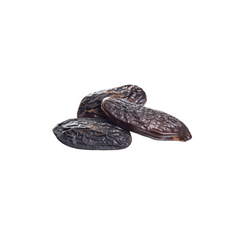
Pair lime blossom with vanilla or tonka bean. Vanillin masks the metallic edges of lime blossom's limonene, while tonka bean's coumarin complements its honeyed facets, as seen in Jo Malone's French Lime Blossom layering.

02

Add Depth

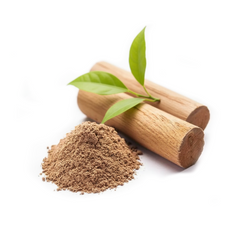
Combine with sandalwood or beeswax notes to anchor lime blossom's volatile floral compounds. The woody lactones in sandalwood synergize with beeswax's warm texture, creating a rich base that prolongs wear.

03

Lighten the Glow

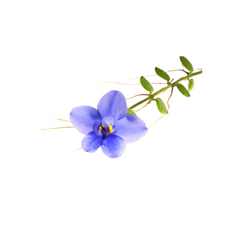
Layer with green tea or violet leaf to emphasize lime blossom's fresh, green undertones. Shared aldehydes and green volatiles create a crisp, airy accord, demonstrated in Marc-Antoine Barrois's Tilia.

Wear It Right

How to Wear Lime Blossom Like a Pro

Seasonal Guide

Fall & Winter

Cooler temperatures slow molecular diffusion, muting lime blossom's brightness. Layer with warm woods or vanilla to add depth and enhance sillage. Apply more generously on pulse points for better projection.

Spring

Spring's moderate warmth highlights lime blossom's fresh floral and honeyed notes. Use as a standalone heart note or combined with green and citrus accords for a vibrant, uplifting scent.

Summer

Heat intensifies lime blossom's narcotic sweetness and green freshness, making it ideal for light, airy daytime wear. Apply sparingly to avoid overwhelming in high humidity.

Year-Round Tip

Combine lime blossom with complementary notes like bergamot or violet leaf to maintain balance across seasons. Use moisturizing body products to enhance longevity regardless of temperature.

Application Points

Strategic application of lime blossom fragrances enhances their olfactory impact and longevity.

1

Neck

Pulse points like the neck emit heat, accelerating evaporation of lime blossom's top and heart notes for a vibrant scent experience.

2

Behind the Ears

This area retains warmth and is less exposed to air, allowing the floral heart to develop fully and linger longer.

3

Inner Wrists

Ideal for intimate scent release; the natural warmth helps reveal the narcotic floral facets of lime blossom.

4

Hair

Hair holds fragrance molecules well, releasing lime blossom's fresh and sweet notes subtly throughout the day; avoid direct spraying to prevent damage.

★

Pro Tip

Layer lime blossom fragrance with a matching scented moisturizer to hydrate skin and prolong scent projection.

Mood Architecture™

Top Lime Blossom Fragrances by Mood Score

These Lime Blossom-based fragrances scored highest on the MEI™ Mood Architecture Framework — measuring how a scent may influence your emotional state.

Highest MEI Score
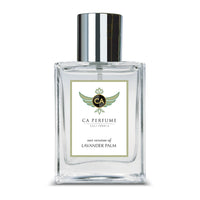
Lavander Palm — Tom Ford Lavander Palm Alternative Perfume
6.9
MEI™
Primary Romantic
Secondary Confident
Confidence
6.75
Presence
7.35
Mood Lift
7.25
Identity
7.2
Warmth
7.35
Social Ease
6.5
Energy
4.55
" I am beautiful.
View full mood profile →
HumanSafe™

Top Lime Blossom Fragrances by HumanSafe™ Score

These Lime Blossom-based fragrances have the highest product-level HumanSafe™ scores in this ingredient collection.

Highest HumanSafe™ Score
Lavander Palm — Tom Ford Lavander Palm Alternative Perfume
A-
HumanSafe™ Score Generally Safe
Safest Evaluated Ingredients EDP
AQUA Solvent / Carrier ISS 10.0
BENZYL SALICYLATE EYE IRRITATION - CAT. 2B [H320] Evaluated ingredient ISS 9.0
2-OXABICYCLO[2.2.2]OCTANE, 1,3,3-TRIMETHYL- EYE IRRITATION - CAT. 2B [H320] Evaluated ingredient ISS 9.0
1H-3A,7-METHANOAZULENE, OCTAHYDRO-6-METHOXY-3,6,8,8- Evaluated ingredient ISS 9.0
LINALYL ACETATE Evaluated ingredient ISS 7.0
LINALOOL Evaluated ingredient ISS 7.0
View full safety profile →
Expert Voices

What Masters Say About Lime Blossom

“
There’s something magical about walking beneath a canopy of blooming linden trees on a warm summer evening. The air becomes thick with an intoxicating sweetness that seems to drip from the very branches above, creating what perfumers have long sought to capture – nature’s own honeyed perfume.
Christina Bonde, Perfumer at Bonde Atelier
“
Lime blossom, or linden, is a complex floral note with bright, honeyed facets and a green undertone. Its extraction is challenging but rewarding, offering a narcotic floral heart that is both fresh and warm.
CA Perfume Editorial
Common Questions

Frequently Asked Questions

Frequently asked questions about lime blossom in perfumery.

Lime blossom in perfume smells like a bright yellow floral with honeyed sweetness and green nuances. It combines fresh citrusy top notes with a narcotic floral heart and a soft green, waxy base. Fragrances like Jo Malone's French Lime Blossom exemplify this scent profile.

Lime blossom is primarily used as a heart (middle) note in perfumery. It bridges the fresh, volatile top notes and the deeper, longer-lasting base notes, contributing floral, honeyed, and green facets that evolve over time.

Lime blossom is prized in niche perfumery for its complex, naturalistic floral scent that evokes fresh summer evenings and nectarous sweetness. Its nuanced profile allows perfumers to craft unique, authentic compositions that stand out from conventional floral notes.

Lime blossom fragrance uses often pair it with bergamot, beeswax, violet leaf, tonka bean, and sandalwood. These notes complement its bright floral and honeyed facets, enhancing freshness, warmth, and depth in accords.

Yes, lime blossom perfumes are well-suited for summer due to their fresh, bright, and uplifting floral-citrus character. However, in hot weather, lighter application is recommended to avoid overwhelming the senses.

Lime blossom fragrances typically last 4-6 hours in eau de parfum concentration, with longevity influenced by formulation and skin chemistry. The narcotic floral heart and waxy base notes contribute to moderate lasting power.

Yes, layering lime blossom with complementary notes like vanilla, sandalwood, or green tea can enhance its sweetness, depth, or freshness. Understanding how to layer lime blossom helps create personalized scent experiences.

Jo Malone's French Lime Blossom is a classic beginner-friendly fragrance showcasing lime blossom's bright floral and honeyed character. Marc-Antoine Barrois's Tilia offers a modern, green interpretation. These provide accessible introductions to the note.

Consider your preference for naturalistic versus modern interpretations, desired concentration, and complementary notes. CA Perfume offers a curated selection with detailed descriptions to help you find lime blossom fragrances that suit your style and occasion.

Lime blossom smells predominantly sweet and honeyed with floral and green nuances. It is not spicy but may be accompanied by subtle herbal or citrusy facets depending on the composition.

Floral Collection

Explore Our Top Lime Blossom Fragrances

Discover a curated selection of lime blossom perfumes showcasing the note's bright floral and honeyed nuances across natural and blended compositions.

Shop all lime blossom fragrances at CA Perfume →

Where Lime Blossom Comes From — Origin & Extraction

Lime Blossom is sourced from the flowers of the Tilia genus, primarily Tilia cordata (small-leaved linden), Tilia europaea (European linden), and Tilia platyphyllos (large-leaved linden). These deciduous trees are native to Europe, Western Russia, and parts of the Caucasus. The small-leaved linden is predominant in West Russia, while the large-leaved species thrive in warmer European climates. The flowers bloom in early summer and are harvested by hand to preserve their delicate aromatic compounds. Extraction is typically performed using CO2 supercritical extraction or solvent extraction to capture the full complexity of the floral scent without heat degradation. Steam distillation is less common due to the heat sensitivity of key molecules like linalool and methyl anthranilate. Production volumes are limited by the short flowering season and labor-intensive harvesting. The natural lime blossom absolute or CO2 extract commands prices ranging from $2,000 to $5,000 per kilogram, depending on purity and origin. Synthetic recreations are available but natural extracts remain prized for their complex, multi-faceted aroma. Sustainability concerns include the preservation of wild linden habitats and ethical harvesting practices. The synthetic alternatives, developed since the late 20th century, offer consistent supply and reduced environmental impact but lack some of the natural complexity.

Famous Fragrances That Define Lime Blossom in Perfumery

Lime Blossom has been featured prominently in several landmark fragrances, showcasing its delicate floral and honeyed character. Jo Malone's French Lime Blossom (1995), created by Patricia Choux, uses lime blossom as a heart note, paired with bergamot, petitgrain, and beeswax to evoke a fresh Parisian spring. Marc-Antoine Barrois's Tilia (2018) highlights lime blossom's green and honeyed facets, blending it with subtle woody undertones. D'Orsay's Tilleul (early 20th century) captures the herbal, chamomile-like aspects of lime blossom, while April Aromatics' Unter den Linden (2010s) offers a naturalistic, all-natural interpretation emphasizing the nectarous sweetness. Frau Tonis Parfum's No. 10 Linde Berlin (2010s) is noted for its realistic portrayal of linden trees in bloom, combining lime blossom with green and herbal notes. These fragrances demonstrate lime blossom's versatility as a heart note bridging fresh and warm accords. CA Perfume's collection respects this lineage by offering fragrances that explore lime blossom's multifaceted profile in both natural and blended forms.

Natural vs Synthetic Lime Blossom in Perfumery

Natural lime blossom extracts are derived from Tilia flowers using solvent or CO2 extraction, capturing a complex blend of molecules including linalool (CAS 78-70-6), limonene (CAS 138-86-3), and methyl anthranilate (CAS 134-20-3). These compounds contribute to the bright floral, honeyed, and green nuances characteristic of natural lime blossom. Synthetic substitutes focus on replicating these key molecules, with synthetic linalool and methyl anthranilate widely used to mimic the floral and sweet aspects. Synthetic limonene provides the fresh citrusy facet. While synthetics offer improved stability, consistency, and cost-effectiveness (synthetics can cost $100–$500/kg versus $2,000–$5,000/kg for natural extracts), they often lack the full depth and evolving complexity of natural lime blossom. Famous fragrances like Jo Malone's French Lime Blossom use natural extracts for authenticity, while some modern compositions may blend natural and synthetic ingredients for balance. The HumanSafe™ platform ensures transparency and safety in ingredient sourcing and usage. CA Perfume values both natural and synthetic lime blossom ingredients, selecting based on desired olfactory complexity, sustainability, and performance.