Where Beeswax Comes From — Origin & Extraction
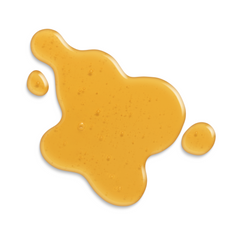
Beeswax used in perfumery is secreted by worker honeybees (Apis mellifera) to construct the honeycomb, which stores honey and pollen. The primary producing countries for perfumery-grade beeswax absolute are Spain, France, and Morocco, each contributing significant volumes due to longstanding apicultural traditions. California, USA, has also emerged as a notable source in recent years. The extraction process begins with the collection of honeycomb from hives that have been active for at least five years, allowing the wax to accumulate a rich blend of honey, propolis, and pollen volatiles. The raw wax is then subjected to solvent extraction, most commonly using ethanol or hexane, at controlled temperatures below 50°C to preserve delicate aromatic compounds. The resulting concrete is washed with ethanol to yield beeswax absolute—a viscous, dark amber liquid fully miscible in alcohol and dipropylene glycol. Yields are typically low, with 1 kg of absolute requiring 10–15 kg of raw wax.
Natural beeswax absolute commands a premium price, ranging from $1,200 to $2,500 per kg, reflecting both its labor-intensive production and limited supply. Synthetic alternatives, such as honey bases from Robertet or White Honey from Symrise, cost significantly less ($100–300/kg) but lack the nuanced complexity of natural beeswax. Sustainability considerations focus on ethical beekeeping practices: reputable producers avoid disrupting bee populations, harvesting only surplus wax and ensuring hive health. The absence of IFRA restrictions for beeswax absolute further supports its continued use, provided allergen labeling is observed for trace propolis content.
Famous Fragrances That Define Beeswax in Perfumery
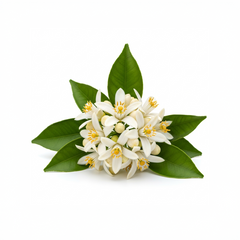
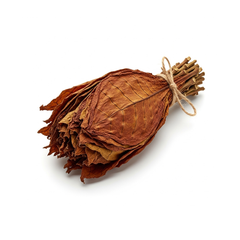
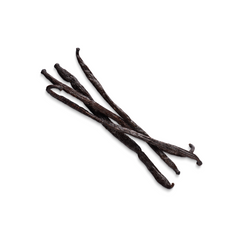
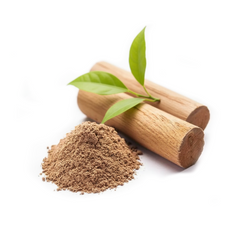
Beeswax has played a defining role in both classic and contemporary perfumery, prized for its ability to impart honeyed, musky, and hay-like nuances. One of the earliest landmark uses is Serge Lutens’ Un Bois Vanille (2003, perfumer Christopher Sheldrake), where beeswax is paired with vanilla and coconut to create a creamy, gourmand base. In Penhaligon’s Sartorial (2010, Bertrand Duchaufour), beeswax serves as a bridge note, linking metallic aldehydes with lavender and oakmoss to evoke the scent of a tailor’s workshop. Jean Paul Gaultier’s Scandal (2017, Daphné Bugey) features beeswax as a dominant note, enveloping honey, gardenia, and patchouli in a decadent, golden warmth. Zoologist Perfumes’ Bee (2019, Cristiano Canali) is a modern niche example, with beeswax absolute at the heart, surrounded by heliotrope, mimosa, and sandalwood for a photorealistic, pollen-rich effect. Hiram Green’s Slowdive (2017) uses natural beeswax to anchor dried fruit, tobacco, and orange blossom, creating a sunlit, nostalgic drydown. These fragrances illustrate the versatility of beeswax in perfumery, whether as a dominant note, a natural fixative, or a subtle accent. CA Perfume’s collection draws on this lineage, offering beeswax-centered compositions that honor both tradition and innovation.
Natural vs Synthetic Beeswax in Perfumery
Natural beeswax absolute (CAS 8012-89-3) is a complex mixture of esters, fatty acids, and aromatic compounds, with myricyl palmitate, cerolein, and phenylacetic acid as key contributors to its scent. Synthetic beeswax notes are typically constructed from aroma chemicals such as phenylacetic acid (CAS 103-82-2), methyl anthranilate (CAS 134-20-3), and cyclopentenolone (CAS 80-71-7), which together mimic the honeyed, pollen, and hay-like facets of the natural material. Synthetic bases like Robertet’s Honey and Symrise’s White Honey are widely used for cost efficiency and batch consistency, with prices around $100–300/kg compared to $1,200–2,500/kg for natural absolute.
Performance-wise, natural beeswax offers superior fixative properties and a more nuanced, evolving scent profile, while synthetics provide greater stability and are less prone to batch variation. Notable fragrances using natural beeswax include Hiram Green’s Slowdive (2017) and Zoologist Bee (2019), while synthetic honeyed notes are found in Mugler’s Angel Muse (2016) and Guerlain’s L’Instant (2003). Sustainability and supply chain transparency are increasingly prioritized, with the HumanSafe™ platform verifying ethical sourcing and allergen disclosure for both natural and synthetic beeswax ingredients. CA Perfume’s approach is to use HumanSafe™-verified beeswax absolute or fully disclosed synthetic bases, supporting both environmental stewardship and consumer safety.