Ingredient Guide · Citrus
Citrus Family · Perfumery Note

Tangerine

Bright, juicy, and effervescent from the first spray.

Tangerine is a top note in perfumery, prized for its lively, sweet-citrus character and immediate impact. Its key aroma molecules, limonene and gamma-terpinene, deliver a sparkling, zesty freshness used at concentrations below 5% for optimal effect.

Tangerine
Ingredient Profile

Tangerine

Citrus Family
Family Citrus
Note Position Heart Note
Usage Level <5%
Key Origins Spain, Italy, United States
Iconic In Polo Black, Burberry London
The Ingredient

What does Tangerine smell like and why is it prized in perfumery?

Tangerine (Citrus reticulata) is renowned in perfumery for its sparkling, juicy, and sweet citrus aroma. The scent profile of tangerine is defined by high concentrations of limonene (CAS 138-86-3), which imparts a bright, zesty, and slightly sweet character, and gamma-terpinene, which adds a subtle herbal-fresh nuance. What does tangerine smell like? It is less acidic than orange, with a honeyed undertone and a gentle tartness that makes it both uplifting and approachable. The tangerine scent profile is often described as effervescent, fruity, and clean, with a fleeting but memorable impact. Tangerine in perfumery is almost exclusively used as a top note, providing an immediate burst of freshness upon application. Its volatility ensures that it is among the first impressions in a fragrance, typically lasting 10–30 minutes before transitioning to heart notes. In perfume compositions, tangerine is used at concentrations below 5% to avoid overwhelming the blend, but even small amounts can define the opening of a scent. The interaction of tangerine with skin chemistry is notable: higher skin warmth and moisture accelerate its evaporation, while acidic skin can slightly enhance its tart facets. Several contemporary fragrances exemplify the use of tangerine in perfumery. Prada Paradoxe Eau de Parfum (2022, perfumers Nadège Le Garlantezec, Shyamala Maisondieu, and Antoine Maisondieu) features tangerine as a sparkling top note, paired with neroli and jasmine for a luminous opening. Guerlain Aqua Allegoria Mandarine Basilic (2007, Marie Salamagne) uses tangerine to create a juicy, radiant introduction, seamlessly blending with basil and green tea. These examples highlight tangerine’s versatility as both a soloist and a supporting note in modern scent architecture.

2–4 Sprays
Optimal application for tangerine-based fragrances, as higher doses can overwhelm due to the note’s volatility and intensity. This ensures a balanced, uplifting presence.
3–6 Hours
Typical longevity of tangerine’s aroma in a fragrance, with the top note dissipating within 30 minutes and residual sweetness lingering for several hours.
<5%
Tangerine oil is used at concentrations below 5% in most perfume formulas, maximizing brightness without dominating the composition or causing phototoxicity.
Origin & Extraction

Where Tangerine Comes From — Origin & Extraction

Tangerine’s aroma is shaped by its growing region’s soil, climate, and harvest practices. Mediterranean climates yield sweeter, more aromatic oils, while Californian tangerines offer a balanced, zesty profile due to unique soil minerals and sun exposure.

Tangerine essential oil is derived from the peel of Citrus reticulata, a species native to Southeast Asia but now cultivated globally. Major producing countries include Spain, Italy (notably Sicily), and the United States (primarily California and Florida). Spain and Italy together account for over 60% of global tangerine oil production, with Spain exporting approximately 18,000 metric tons of citrus essential oils annually, including tangerine. The primary extraction method is cold pressing (expression), in which the outer colored peel is mechanically pressed to release volatile oils. This process preserves the delicate, zesty aroma compounds, especially limonene and gamma-terpinene, and operates at ambient temperatures to prevent degradation of sensitive molecules. Yields from cold pressing average 0.5–1.5% by weight of fresh peel. Steam distillation is occasionally used, but it can alter the aroma profile by removing some of the lighter, fresher notes. Natural tangerine oil commands a price of $60–120/kg for cold-pressed oil, while tangerine absolute (produced by solvent extraction or supercritical CO₂) can reach $3,000–6,000/kg due to its higher concentration and complexity. Synthetic tangerine aroma compounds, such as nature-identical limonene, cost $10–30/kg, offering a cost-effective alternative for large-scale fragrance production. Sustainability concerns focus on pesticide use and monoculture impacts; some suppliers now offer organic-certified tangerine oil and traceability programs. The entire fruit is utilized in the citrus industry, with peel byproducts directed to oil extraction, minimizing waste.

ES

Spain

Valencia and Andalusia are renowned for sweet, aromatic tangerines with high limonene content. Spain produces over 1.5 million tons annually, with tangerine oil exported globally. The region’s sandy soils and mild winters result in a bright, honeyed aroma prized in perfumery.

IT

Italy

Sicily’s tangerines are noted for concentrated sweetness and complex aroma, shaped by volcanic soils and Mediterranean breezes. Italian tangerine oil is favored for its nuanced, floral-citrus profile. Italy accounts for about 20% of European citrus oil exports.

US

United States

California’s Central Valley produces tangerines with a balanced, zesty character. The region’s mineral-rich soils and high sunlight yield oils with pronounced freshness and moderate sweetness. U.S. production supports both domestic and export fragrance markets.

Chemistry

Natural vs Synthetic Tangerine in Perfumery

Natural tangerine oil is a complex mixture dominated by limonene (CAS 138-86-3), gamma-terpinene (CAS 99-85-4), and minor components such as myrcene (CAS 123-35-3) and linalool (CAS 78-70-6). Synthetic tangerine notes are typically constructed from these isolated molecules, allowing precise control over scent profile, stability, and allergen content. Synthetic limonene and gamma-terpinene are widely used due to their consistent quality and lower cost, with prices ranging from $10–30/kg compared to $60–120/kg for natural oil and $3,000–6,000/kg for absolutes. Performance-wise, synthetic tangerine accords offer greater longevity and stability, as natural oils are prone to oxidation and photodegradation. However, natural tangerine oil is valued for its nuanced, multi-layered aroma and trace aldehydes (octanal, nonanal) that contribute to its unique brightness. Iconic fragrances such as Guerlain Aqua Allegoria Mandarine Basilic use natural tangerine oil, while many mainstream designer scents rely on synthetic blends for batch consistency. From a sustainability perspective, synthetic production reduces pressure on citrus agriculture and enables allergen reduction, but natural tangerine oil supports agricultural economies and offers a more complex olfactory experience. CA Perfume’s HumanSafe™ platform ensures transparency in sourcing and allergen disclosure, allowing consumers to make informed choices about natural versus synthetic tangerine ingredients.

Natural
Tangerine Absolute
Cost $3,000–6,000/kg
Method Solvent / CO₂
Character Complex, variable
vs
Synthetic
Safranal & Analogues
Cost $50–200/kg
Method Lab synthesis
Character Consistent, stable
Hall of Fame

Famous Fragrances That Define Tangerine in Perfumery

2005
dominant note

Polo Black

Ralph Lauren
by Pierre Negrin
sandalwoodpatchoulitonka bean
2006
accent

Burberry London

Burberry
by Dominique Ropion, Jean-Marc Chaillan
rosehoneysucklemusk
2010
bridge note

Tilda Swinton Like This

Etat Libre d’Orange
by Mathilde Bijaoui
gingerimmortellemusk
2011
dominant note

XJ 1861 Renaissance

Xerjoff
by Jacques Flori
bergamotlemonrosemint
2022
top note

Paradoxe Eau de Parfum

Prada
by Nadège Le Garlantezec, Shyamala Maisondieu, Antoine Maisondieu
nerolijasmineamber

Tangerine has played a vital role in both classic and contemporary fragrance compositions, often as a sparkling top note or as part of a complex citrus accord. One of the earliest modern uses is in Ralph Lauren Polo Black (2005, perfumer Pierre Negrin), where tangerine provides a crisp, juicy opening that transitions into sandalwood and patchouli. Burberry London (2006, Dominique Ropion and Jean-Marc Chaillan) uses tangerine to brighten its floral heart of rose and honeysuckle. Etat Libre d’Orange Tilda Swinton Like This (2010, Mathilde Bijaoui) features tangerine as a bridge note, connecting spicy ginger and immortelle with a honeyed citrus warmth. Xerjoff XJ 1861 Renaissance (2011, Jacques Flori) employs tangerine as a dominant note, paired with bergamot and lemon for a radiant, Mediterranean opening. Prada Paradoxe Eau de Parfum (2022, Nadège Le Garlantezec, Shyamala Maisondieu, Antoine Maisondieu) highlights tangerine’s effervescent qualities alongside neroli and jasmine, creating a modern, luminous signature. In each of these, tangerine is paired with florals, woods, or spices to enhance its vibrancy and longevity. CA Perfume’s collection draws inspiration from this lineage, offering both classic and innovative interpretations of the tangerine note.

The Accord

How is a captivating Tangerine accord crafted?

A tangerine accord balances sparkling citrus with floral, green, and woody facets. Typical proportions: Tangerine 30–35%, Neroli 20–25%, Jasmine 20–25%, Sandalwood 20–25%. Tangerine delivers the main zesty impact via limonene; neroli bridges with floral-citrus aldehydes; jasmine adds indolic warmth and depth; sandalwood provides a creamy, long-lasting base, enhancing diffusion and fixative properties. This structure ensures the tangerine note remains vibrant while gaining complexity and longevity.

35%

Tangerine

30–35% of blend

Provides the main sparkling, juicy citrus character through limonene and gamma-terpinene. Sets the accord’s bright, uplifting tone.

25%

Neroli

20–25% of blend

Adds floral-citrus aldehydes (neral, geranial) that bridge tangerine’s zest with white floral notes, enhancing radiance and complexity.

25%

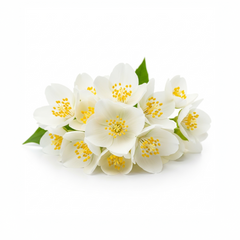
Jasmine

20–25% of blend

Contributes indole and benzyl acetate, deepening the accord and providing a soft, creamy floral undertone that supports the citrus.

25%

Sandalwood

20–25% of blend

Acts as a fixative with santalol, extending the longevity of volatile citrus notes and imparting a smooth, woody finish.

The Olfactory Layers

How Tangerine Evolves on Skin

Tangerine’s olfactory evolution is rapid: top notes burst with volatile monoterpenes (limonene, gamma-terpinene) that evaporate within 10–30 minutes. As these dissipate, floral and woody heart and base notes emerge, anchored by less volatile compounds.

I
Top notes
0–15 min
Effervescent Citrus Burst

The initial impression is dominated by limonene and gamma-terpinene, delivering a sparkling, juicy citrus burst with subtle sweetness and a hint of tartness. These high-volatility molecules evaporate quickly, creating an immediate, uplifting effect.

zestysparklingsweet
II
Heart notes
20–60 min
Honeyed Fruity Warmth

As the top notes fade, tangerine’s softer, honeyed facets emerge, supported by floral aldehydes and minor terpenes. The scent mellows, blending with heart notes like neroli or jasmine, and reveals a gentle, fruity warmth.

fruityhoneyedfloral
III
Base notes
Several hours
Clean Subtle Finish

Base notes are subtle, as tangerine’s volatility means little direct presence remains. However, traces of aldehydes and residual sweetness linger, often merging with woody or musky base notes for a soft, clean finish.

cleansoftsubtle
TOP NOTES Effervescent Citrus Burst 0–15 minutes HEART NOTES Honeyed Fruity Warmth 20–60 minutes BASE NOTES Clean Subtle Finish Several hours
Through the Ages

The Story of Tangerine in Perfumery

Tangerine’s journey in perfumery spans centuries, from ancient Asian cultivation to its modern role as a vibrant top note in global fragrance design.

Antiquity

Cultivation in Southeast Asia

Tangerine (Citrus reticulata) is first cultivated in Southeast Asia, where its aromatic peel is used in traditional medicine and early fragrance preparations.

1710

Introduction to Europe via Tangier

Tangerine arrives in Europe through Tangier, Morocco, lending its name to the fruit. The peel’s essential oil begins to appear in apothecary records for scent and flavor.

19th Century

Adoption in French Perfumery

French perfumers incorporate tangerine oil into colognes and eaux de toilette, valuing its sweet, zesty aroma for brightening classic citrus blends.

2005

Modern Citrus Signatures

Ralph Lauren Polo Black (Pierre Negrin) showcases tangerine as a dominant top note, influencing a new generation of citrus-driven masculine fragrances.

2022

Contemporary Luminous Blends

Prada Paradoxe Eau de Parfum (Nadège Le Garlantezec, Shyamala Maisondieu, Antoine Maisondieu) highlights tangerine’s effervescence in a modern, multi-faceted composition.

The Art of Layering

How to Layer Tangerine

Understanding how to layer tangerine is key to maximizing its impact. How to layer tangerine? Pair with notes that share molecular bridges (aldehydes, terpenes) or use olfactory masking to balance its volatility and sweetness.

01

Enhance Sweetness

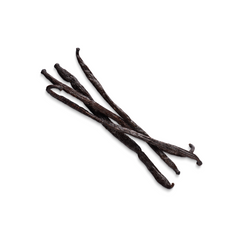
Layer tangerine with vanilla or tonka bean to create a gourmand citrus effect. Vanillin (from vanilla) masks tangerine’s tartness, resulting in a creamy, dessert-like profile. This combination is demonstrated in Prada Paradoxe, where tangerine and vanilla create a luminous, sweet opening.

02

Add Depth

Combine tangerine with woody notes such as sandalwood or cedar. Santalol in sandalwood acts as a fixative, slowing the evaporation of tangerine’s volatile compounds and extending its presence. Xerjoff XJ 1861 Renaissance uses this technique for a radiant, long-lasting citrus-woody accord.

03

Brighten Florals

Pair tangerine with jasmine or neroli for a sparkling, luminous floral bouquet. Shared aldehydes and terpenes create molecular harmony, enhancing both the citrus and floral notes. Guerlain Aqua Allegoria Mandarine Basilic exemplifies this synergy.

Wear It Right

How to Wear Tangerine Like a Pro

Seasonal Guide

Fall & Winter

In colder months, tangerine’s projection is reduced as low temperatures suppress molecular diffusion. Pair with warm spices or amber to create a comforting, cozy effect. Apply to pulse points under clothing for subtle diffusion throughout the day.

Spring

Spring’s moderate temperatures enhance tangerine’s fresh, uplifting qualities. Combine with green or floral notes for a vibrant, energetic impression. Apply to exposed skin for maximum brightness and sillage.

Summer

Heat increases tangerine’s volatility, amplifying its sparkling top notes but shortening longevity. Use lighter concentrations and reapply as needed. Layer with aquatic or white floral notes for a refreshing, cooling effect.

Year-Round Tip

For consistent performance, layer tangerine-based fragrances with longer-lasting base notes (e.g., sandalwood, musk). This anchors the citrus and ensures a balanced evolution, regardless of season or climate.

Application Points

Strategic application enhances tangerine’s brightness and optimizes its fleeting top note character.

1

Neck

Pulse points on the neck emit heat, accelerating tangerine’s evaporation and creating an immediate, noticeable burst of citrus freshness.

2

Behind the Ears

This area is slightly cooler, allowing tangerine’s top notes to linger a bit longer and providing a subtle, close-to-skin citrus aura.

3

Inner Wrists

Frequent movement and warmth from the wrists help diffuse tangerine’s aroma, maximizing projection during the initial phase.

4

Hair

Spraying on hair or hairbrush enables gradual release of tangerine’s volatile molecules, extending the fresh, zesty impression.

Pro Tip

Layer tangerine fragrances over unscented moisturizer to slow evaporation and enhance longevity, especially in dry climates.

Mood Architecture™

Top Tangerine Fragrances by Mood Score

These Tangerine-based fragrances scored highest on the MEI™ Mood Architecture Framework — measuring how a scent may influence your emotional state.

Highest MEI Score
Britannian — Britannia Alternative Perfume
8.87
MEI™
Primary Romantic
Secondary Confident
Confidence
8.33
Presence
8.68
Mood Lift
9.5
Identity
9.09
Warmth
9.5
Social Ease
9.24
Energy
4.3
" I am beautiful.
View full mood profile →
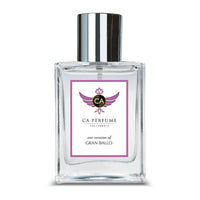
Gran Ballo — Xerjoff Gran Ballo Alternative Perfume
8.22
MEI™
Primary Romantic
Secondary Confident
Confidence
6.95
Presence
7.2
Mood Lift
9.5
Identity
7.1
Warmth
9.5
Social Ease
9.26
Energy
3.1
" I am beautiful.
View full mood profile →
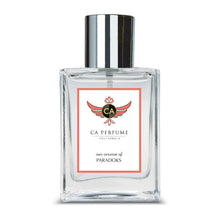
Paradoks — Paradoxe Alternative Perfume for Women
8.01
MEI™
Primary Magnetic
Secondary Confident
Confidence
8.86
Presence
9.5
Mood Lift
8.17
Identity
9.45
Warmth
7.55
Social Ease
6.53
Energy
3.0
" I am bold.
View full mood profile →
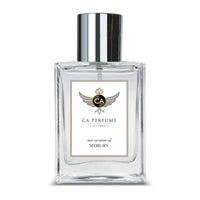
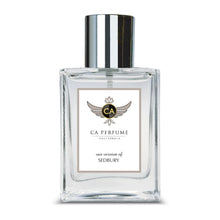
Sedbury — Parfums De Marly Sedbury Alternative Perfume
7.9
MEI™
Primary Fresh
Secondary Romantic
Confidence
6.92
Presence
7.75
Mood Lift
9.5
Identity
7.38
Warmth
8.51
Social Ease
7.85
Energy
3.7
" I am radiant.
View full mood profile →
HumanSafe™

Top Tangerine Fragrances by HumanSafe™ Score

These Tangerine-based fragrances have the highest product-level HumanSafe™ scores in this ingredient collection.

Highest HumanSafe™ Score
Sedbury — Parfums De Marly Sedbury Alternative Perfume
A-
HumanSafe™ Score Generally Safe
Safest Evaluated Ingredients EDP
AQUA Solvent / Carrier ISS 10.0
ACETIC ACID, PHENYLMETHYL ESTER Evaluated ingredient ISS 10.0
BENZYL SALICYLATE Evaluated ingredient ISS 9.0
3-DECEN-5-OL, 4-METHYL- Evaluated ingredient ISS 8.0
3-BUTEN-2-ONE, 3-METHYL-4-(2,6,6-TRIMETHYL-2- Evaluated ingredient ISS 8.0
View full safety profile →
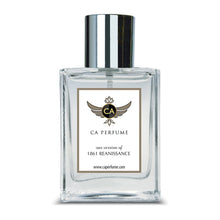
1861 Renaissance — Xerjoff Impression 1861 Renaissance Alternative Perfume
A-
HumanSafe™ Score Generally Safe
Safest Evaluated Ingredients EDP
AQUA Solvent / Carrier ISS 10.0
1H-3A,7-METHANOAZULEN-6-OL, OCTAHYDRO-3,6,8,8- Evaluated ingredient ISS 9.0
CITRAL Evaluated ingredient ISS 8.0
3-BUTEN-2-ONE, 3-METHYL-4-(2,6,6-TRIMETHYL-2- Evaluated ingredient ISS 8.0
LINALYL ACETATE Evaluated ingredient ISS 7.0
LINALOOL Evaluated ingredient ISS 7.0
View full safety profile →
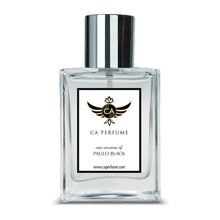
Paulo Black — Polo Black Alternative Cologne
A-
HumanSafe™ Score Generally Safe
Safest Evaluated Ingredients EDP
AQUA Solvent / Carrier ISS 10.0
3-CYCLOHEXENE-1-CARBOXALDEHYDE, 1-METHYL-4-(4- Evaluated ingredient ISS 10.0
1,4-DIOXACYCLOHEPTADECANE-5,17-DIONE Evaluated ingredient ISS 10.0
7-OCTEN-2-OL, 2,6-DIMETHYL- Evaluated ingredient ISS 9.0
TRICYCLO[6.3.1.02,5]DODECAN-1-OL, 4,4,8-TRIMETHYL-, Evaluated ingredient ISS 8.0
LINALYL ACETATE Evaluated ingredient ISS 7.0
View full safety profile →
Paradoks — Paradoxe Alternative Perfume for Women
A-
HumanSafe™ Score Generally Safe
Safest Evaluated Ingredients EDP
AQUA Solvent / Carrier ISS 10.0
AMBROXID Evaluated ingredient ISS 10.0
1,4-DIOXACYCLOHEPTADECANE-5,17-DIONE Evaluated ingredient ISS 10.0
BENZYL SALICYLATE Evaluated ingredient ISS 9.0
7-OCTEN-2-OL, 2,6-DIMETHYL- Evaluated ingredient ISS 9.0
View full safety profile →
Expert Voices

What Masters Say About Tangerine

Tangerine’s scent profile is a sweet hesperidic fragrance with a nuance of honey.
Fragrantica Editorial
Tangerine’s key aroma molecules, limonene and gamma-terpinene, create a sparkling, uplifting citrus note prized for its versatility and brightness.
CA Perfume Editorial
Common Questions

Frequently Asked Questions

Answers to common questions about tangerine in perfumery.

Tangerine in perfume smells sparkling, juicy, and sweet with a gentle tartness. Its aroma is dominated by limonene and gamma-terpinene, which deliver a zesty, uplifting citrus burst. The scent is less acidic than orange, with a subtle honeyed undertone and a clean, effervescent finish. Tangerine is typically used as a top note, providing immediate freshness that transitions into softer, fruity warmth.

Tangerine is almost exclusively used as a top note in perfumery. Its high volatility means it evaporates quickly, delivering an immediate, bright citrus impact upon application. While its presence fades within 10–30 minutes, it sets the stage for the fragrance’s heart and base notes.

Tangerine is favored in niche perfumery for its ability to create lively, memorable openings and to blend seamlessly with a wide range of notes. Its sparkling, sweet-zesty character adds complexity and freshness, making it ideal for modern, multi-layered compositions. Niche perfumers often use natural tangerine oil for its nuanced, multi-faceted aroma.

Tangerine fragrance uses include pairing with neroli, jasmine, vanilla, sandalwood, and patchouli. These notes share molecular bridges (aldehydes, terpenes) or act as fixatives, enhancing tangerine’s brightness and extending its longevity. Floral and woody notes are especially effective in balancing tangerine’s volatility.

Yes, tangerine’s volatility and sparkling freshness make it ideal for summer and warm climates. Heat amplifies its projection but shortens its longevity, so lighter concentrations and reapplication may be needed. Pairing with aquatic or white floral notes enhances its cooling, refreshing effect.

Tangerine’s top note lasts 10–30 minutes, but its residual sweetness and supporting notes can linger for 3–6 hours, depending on the fragrance’s composition and concentration. Using fixatives such as sandalwood or musk can extend its presence.

Yes, tangerine is highly versatile for layering. It pairs well with vanilla for sweetness, sandalwood for depth, and jasmine or neroli for brightness. Layering allows you to customize the scent profile and extend the citrus impression, as demonstrated in fragrances like Prada Paradoxe and Xerjoff XJ 1861 Renaissance.

Beginner-friendly tangerine perfumes include Guerlain Aqua Allegoria Mandarine Basilic, Prada Paradoxe Eau de Parfum, and Ralph Lauren Polo Black. These fragrances showcase tangerine’s sparkling top note in accessible, well-balanced compositions.

Consider your preferred scent profile—whether you want a pure citrus burst, a floral-citrus blend, or a gourmand twist. Review the fragrance pyramid and note pairings to find a composition that matches your style. CA Perfume’s HumanSafe™ platform provides ingredient transparency for informed choices.

Tangerine in fragrance is both sweet and tart. Its primary aroma is sweet, juicy citrus with a gentle tartness and a subtle honeyed nuance. The balance of sweetness and tartness depends on the concentration, supporting notes, and skin chemistry.

Citrus Collection

Explore Our Top Tangerine Fragrances

Discover CA Perfume’s curated selection of tangerine-forward scents, each showcasing the ingredient’s sparkling, uplifting character.

Shop all tangerine fragrances at CA Perfume →

Where Tangerine Comes From — Origin & Extraction

Tangerine essential oil is derived from the peel of Citrus reticulata, a species native to Southeast Asia but now cultivated globally. Major producing countries include Spain, Italy (notably Sicily), and the United States (primarily California and Florida). Spain and Italy together account for over 60% of global tangerine oil production, with Spain exporting approximately 18,000 metric tons of citrus essential oils annually, including tangerine. The primary extraction method is cold pressing (expression), in which the outer colored peel is mechanically pressed to release volatile oils. This process preserves the delicate, zesty aroma compounds, especially limonene and gamma-terpinene, and operates at ambient temperatures to prevent degradation of sensitive molecules. Yields from cold pressing average 0.5–1.5% by weight of fresh peel. Steam distillation is occasionally used, but it can alter the aroma profile by removing some of the lighter, fresher notes. Natural tangerine oil commands a price of $60–120/kg for cold-pressed oil, while tangerine absolute (produced by solvent extraction or supercritical CO₂) can reach $3,000–6,000/kg due to its higher concentration and complexity. Synthetic tangerine aroma compounds, such as nature-identical limonene, cost $10–30/kg, offering a cost-effective alternative for large-scale fragrance production. Sustainability concerns focus on pesticide use and monoculture impacts; some suppliers now offer organic-certified tangerine oil and traceability programs. The entire fruit is utilized in the citrus industry, with peel byproducts directed to oil extraction, minimizing waste.

Famous Fragrances That Define Tangerine in Perfumery

Tangerine has played a vital role in both classic and contemporary fragrance compositions, often as a sparkling top note or as part of a complex citrus accord. One of the earliest modern uses is in Ralph Lauren Polo Black (2005, perfumer Pierre Negrin), where tangerine provides a crisp, juicy opening that transitions into sandalwood and patchouli. Burberry London (2006, Dominique Ropion and Jean-Marc Chaillan) uses tangerine to brighten its floral heart of rose and honeysuckle. Etat Libre d’Orange Tilda Swinton Like This (2010, Mathilde Bijaoui) features tangerine as a bridge note, connecting spicy ginger and immortelle with a honeyed citrus warmth. Xerjoff XJ 1861 Renaissance (2011, Jacques Flori) employs tangerine as a dominant note, paired with bergamot and lemon for a radiant, Mediterranean opening. Prada Paradoxe Eau de Parfum (2022, Nadège Le Garlantezec, Shyamala Maisondieu, Antoine Maisondieu) highlights tangerine’s effervescent qualities alongside neroli and jasmine, creating a modern, luminous signature. In each of these, tangerine is paired with florals, woods, or spices to enhance its vibrancy and longevity. CA Perfume’s collection draws inspiration from this lineage, offering both classic and innovative interpretations of the tangerine note.

Natural vs Synthetic Tangerine in Perfumery

Natural tangerine oil is a complex mixture dominated by limonene (CAS 138-86-3), gamma-terpinene (CAS 99-85-4), and minor components such as myrcene (CAS 123-35-3) and linalool (CAS 78-70-6). Synthetic tangerine notes are typically constructed from these isolated molecules, allowing precise control over scent profile, stability, and allergen content. Synthetic limonene and gamma-terpinene are widely used due to their consistent quality and lower cost, with prices ranging from $10–30/kg compared to $60–120/kg for natural oil and $3,000–6,000/kg for absolutes. Performance-wise, synthetic tangerine accords offer greater longevity and stability, as natural oils are prone to oxidation and photodegradation. However, natural tangerine oil is valued for its nuanced, multi-layered aroma and trace aldehydes (octanal, nonanal) that contribute to its unique brightness. Iconic fragrances such as Guerlain Aqua Allegoria Mandarine Basilic use natural tangerine oil, while many mainstream designer scents rely on synthetic blends for batch consistency. From a sustainability perspective, synthetic production reduces pressure on citrus agriculture and enables allergen reduction, but natural tangerine oil supports agricultural economies and offers a more complex olfactory experience. CA Perfume’s HumanSafe™ platform ensures transparency in sourcing and allergen disclosure, allowing consumers to make informed choices about natural versus synthetic tangerine ingredients.