Where Lotus Comes From — Origin & Extraction
Lotus in perfumery primarily refers to two botanical sources: Nelumbo nucifera (sacred lotus) and Nymphaea caerulea (blue lotus), both aquatic plants native to Asia and historically cultivated in India, Egypt, China, and Southeast Asia. The sacred lotus is the national flower of India and Vietnam, while blue lotus is closely associated with ancient Egyptian ritual and perfumery. Major producing countries for natural lotus absolute include India and Egypt, but the global supply is extremely limited due to the flower’s fragility and low yield. For pink lotus absolute (Nelumbo nucifera), solvent extraction with warm hexane is used: fresh petals are processed over several hours to yield a concrete, which is then washed with alcohol to separate the absolute. The yield is exceptionally low—approximately 3 metric tons of flowers are required to produce 1 kg of absolute, resulting in prices exceeding $8,000–$12,000/kg for genuine material. Blue lotus absolute (Nymphaea caerulea) is extracted similarly, with even lower yields and higher costs.
CO2 extraction is sometimes employed for a cleaner, more faithful aroma, but the process remains costly and labor-intensive. Steam distillation is rarely used, as the delicate floral molecules degrade at high temperatures. In ancient Egypt, enfleurage (fat absorption) was practiced, with lotus petals layered on animal fat to capture their scent for ceremonial oils. Modern perfumery, however, relies almost entirely on synthetic reconstruction, as the natural absolute is prohibitively expensive and unstable in large-scale production. Synthetic lotus accords are built from ozonic molecules (such as Calone, CAS 3984-69-0), light floral aldehydes, and trace amounts of ionones and musks to mimic the watery, airy profile. Sustainability concerns arise from overharvesting wild lotus populations and the high resource input for natural extraction; synthetic alternatives offer a lower environmental footprint and greater supply chain transparency.
Famous Fragrances That Define Lotus in Perfumery
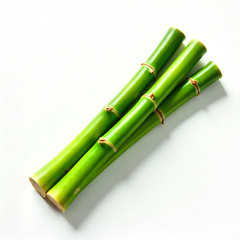
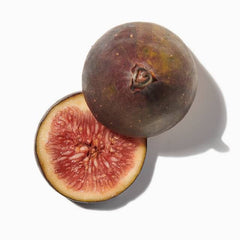
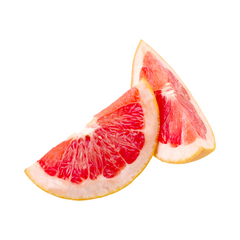
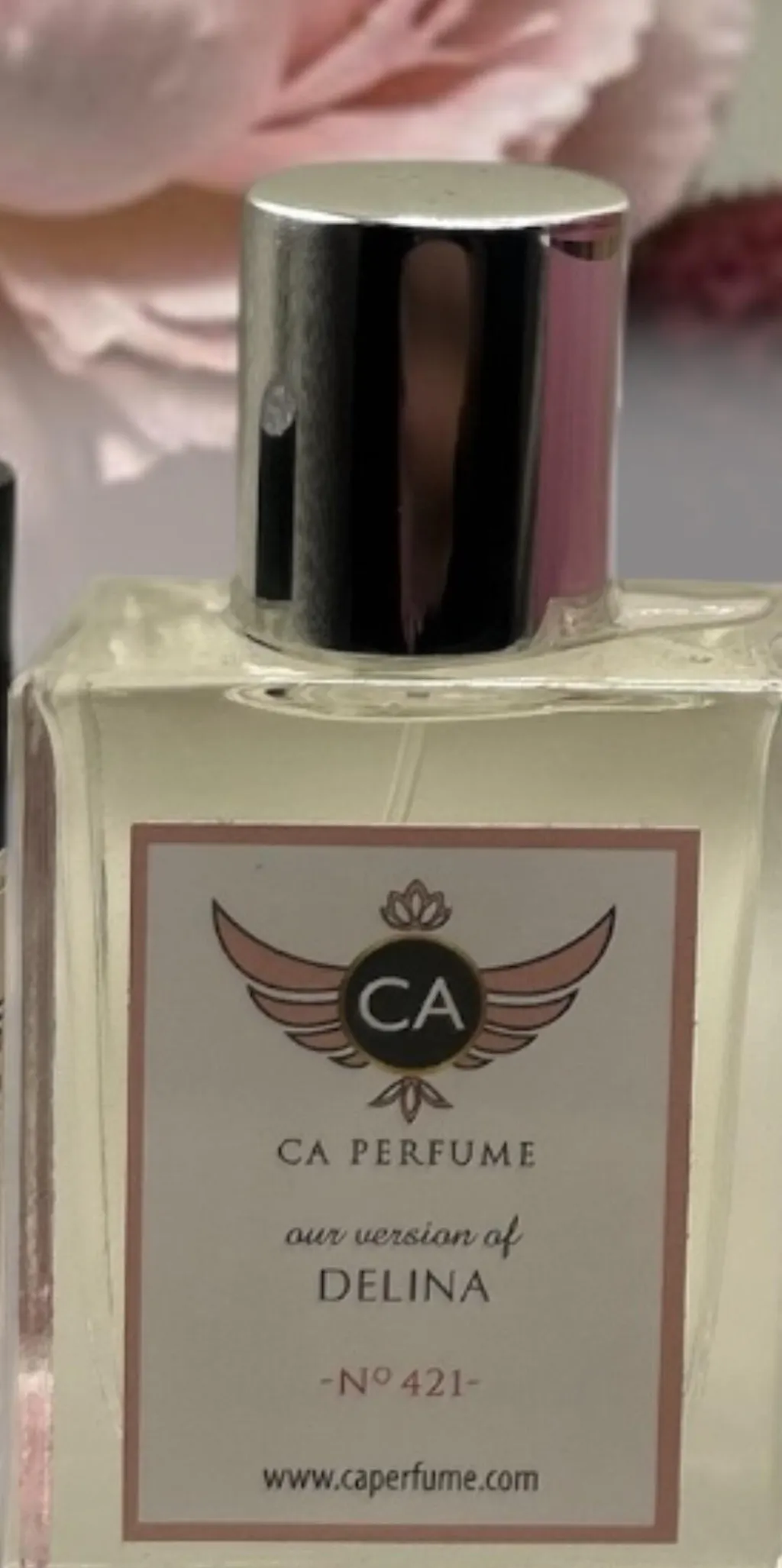
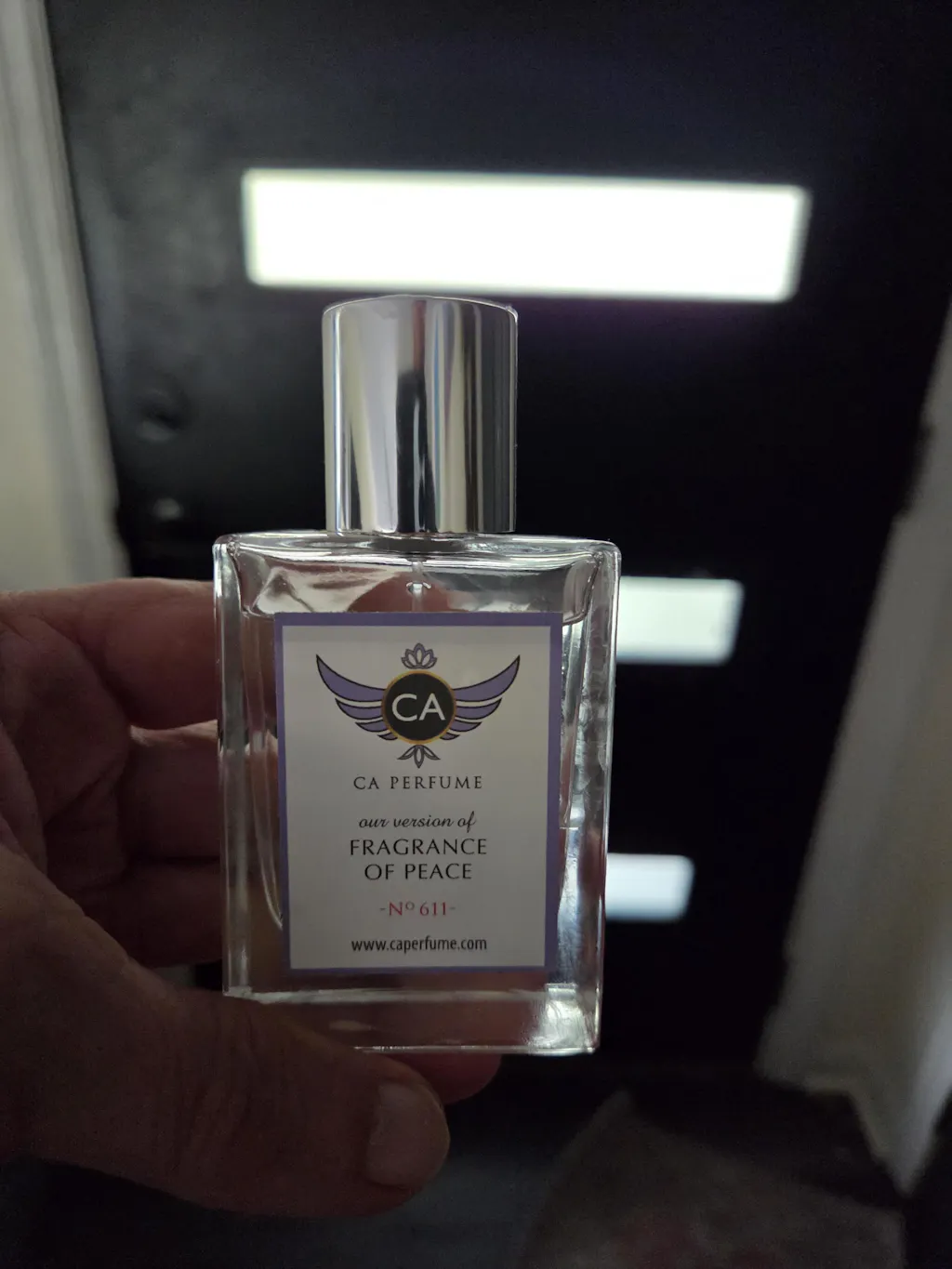
Lotus has become a defining note in modern perfumery, especially in aquatic and transparent floral compositions. One of the most influential uses is in Bvlgari Omnia Crystalline (2005, Alberto Morillas), where lotus forms the heart of a composition celebrated for its crystalline, watery clarity, paired with bamboo and pear. Hermès Un Jardin Sur Le Nil (2005, Jean-Claude Ellena) uses lotus to evoke the lush, riverine landscapes of Egypt, blending it with green mango, grapefruit, and sycamore wood for a meditative, aquatic effect. Issey Miyake L’Eau d’Issey (1992, Jacques Cavallier) is another landmark, with lotus providing an airy, watery floral accent in a composition that helped popularize the aquatic floral genre. Jo Malone London Fig & Lotus Flower (2020, Sophie Labbé) demonstrates lotus’s compatibility with green fig and vetiver for a fresh, modern floral. Versace Bright Crystal (2006, Alberto Morillas) employs lotus as a supporting note, adding a watery, luminous quality to peony and yuzu. These fragrances illustrate lotus’s versatility: as a dominant note (Omnia Crystalline), a bridge (Un Jardin Sur Le Nil), or an accent (Bright Crystal). CA Perfume’s collection draws inspiration from this lineage, offering lotus-centered compositions that highlight its serene, aquatic character.
Natural vs Synthetic Lotus in Perfumery
Natural lotus absolute, whether from Nelumbo nucifera or Nymphaea caerulea, is characterized by a dense, honeyed, earthy-sweet floral aroma with green and coumarin-like undertones. The principal volatile compounds include 1,8-cineole, terpenes, and minor aldehydes, but the overall yield is extremely low—making natural lotus one of the most expensive floral materials in perfumery. In contrast, synthetic lotus notes are constructed using a blend of aroma chemicals, most notably Calone (CAS 3984-69-0), Lilial (CAS 80-54-6, now restricted), and various ozonic and ionone derivatives. These molecules provide the aquatic, airy, and slightly sweet effect associated with lotus, with greater stability and consistency across batches.
Performance-wise, synthetic lotus accords offer superior longevity, diffusion, and resistance to oxidation compared to natural absolute, which tends to be short-lived and sensitive to light and heat. Cost is a major differentiator: synthetic lotus accords can be produced for $50–$200/kg, while natural absolute exceeds $8,000–$12,000/kg. Most commercial fragrances, including Bvlgari Omnia Crystalline and Hermès Un Jardin Sur Le Nil, use synthetic lotus for both economic and sustainability reasons. The HumanSafe™ platform at CA Perfume verifies all synthetic lotus materials for transparency and safety, ensuring traceability and compliance with IFRA standards. While natural lotus offers a richer, more nuanced scent profile, its use is largely limited to niche and artisanal perfumery due to cost and supply constraints. Synthetic lotus enables broader creative expression and environmental responsibility.