Ingredient Guide · Floral
Floral Family · Perfumery Note

Lily

A study in green freshness and creamy floral depth

In perfumery, lily is a heart note prized for its radiant, green-floral character. Its signature scent is recreated with molecules like hydroxycitronellal, as true lily oil is unobtainable by extraction.

Lily
Ingredient Profile

Lily

Floral Family
Family Floral
Note Position Top Note
Usage Level 0%
Key Origins Japan, France, Netherlands
Iconic In Diorissimo, Cartier Baiser Volé
The Ingredient

What does Lily smell like and why is it significant in perfumery?

Lily in perfumery is not a single scent, but a spectrum of white floral nuances ranging from fresh, green, and watery to creamy, spicy, and even slightly indolic. The scent profile of lily is shaped by the species—Oriental lilies (Lilium orientalis) are known for their powerful, creamy, spicy-sweet aroma, while Madonna lily (Lilium candidum) is cooler and more transparent. Key aroma molecules used to recreate lily’s scent include hydroxycitronellal (CAS 107-75-5), lilial (CAS 80-54-6, now restricted), and lyral (CAS 31906-04-4, also restricted), as well as supporting notes from rose, jasmine, and muguet-type aldehydes. What does lily smell like? It is often described as green, dewy, slightly soapy, with a creamy floral core and a subtle spicy or clove-like undertone. Lily in perfumery is almost always a heart (middle) note, bridging lighter citrus or green top notes with deeper woody or musky bases. Typical concentrations in finished fragrances range from 0.5% to 5% of the total formula, depending on the desired prominence. Because natural lily oil cannot be extracted (lily is a “mute” flower), all lily notes in perfumery are constructed from synthetic molecules and accords. Lily’s interaction with skin chemistry is generally stable, but its green facets may become more pronounced on acidic skin, while the creamy, sweet aspects are enhanced by warmer, more alkaline skin. Lily’s role in perfumery is exemplified by Diorissimo (Dior, 1956, perfumer Edmond Roudnitska), which set the standard for muguet/lily soliflores using hydroxycitronellal and supporting florals. Cartier Baiser Volé (2011, Mathilde Laurent) is a modern interpretation, focusing on the green, powdery, and creamy facets of lily. These fragrances demonstrate how lily can serve as both a luminous centerpiece and a supporting note in complex floral bouquets, making it indispensable in both classic and contemporary compositions.

0%
Natural lily oil is not present in commercial perfumery—lily is a mute flower, so all notes are synthetic reconstructions.
4–8 Hours
Typical longevity for lily-centered Eau de Parfum fragrances, due to the persistence of hydroxycitronellal and supporting white florals.
<1.5%
Maximum IFRA-allowed concentration for hydroxycitronellal in finished products, ensuring safety and compliance.
Origin & Extraction

Where Lily Comes From — Origin & Extraction

Lily’s scent character is shaped by species and geography—Japanese lilies offer a golden, spicy nuance, while French-grown Madonna lilies are cooler and more transparent. Soil composition, climate, and altitude influence the aromatic profile, even though the perfumery note is synthetic.

The lily fragrance note in perfumery is derived from various species in the Lilium genus, including Lilium candidum (Madonna lily), Lilium longiflorum (Easter lily), Lilium auratum (golden-rayed lily), and numerous Oriental hybrids. However, true essential oil or absolute cannot be obtained from lily flowers by conventional means. Lily is classified as a 'mute' flower: steam distillation, solvent extraction, and even supercritical CO2 extraction yield either no scent or an unpleasant, non-representative oil. For example, attempts to extract concrete from Convallaria majalis (lily of the valley) flowers yield only 0.9–1.05% by weight, but the resulting material lacks the characteristic fresh, green-floral aroma. Modern lily notes are therefore constructed entirely from synthetic aroma chemicals. The first major breakthrough was hydroxycitronellal, synthesized by Givaudan and commercialized as Laurine in 1906. Other key molecules include lilial (now banned in the EU due to allergenicity), lyral, cyclamen aldehyde, and supporting materials like phenyl ethyl alcohol, methyl anthranilate, and various ionones. The cost of synthetic lily aroma chemicals is typically $30–$200 per kg, compared to natural absolutes (if available) which would be orders of magnitude higher and still not olfactively accurate. The primary producers of lily aroma chemicals are large fragrance houses and chemical companies in Switzerland (Givaudan), Germany (Symrise, BASF), and France (Firmenich, IFF). Sustainability is a key advantage of synthetic lily: it avoids agricultural land use, overharvesting, and biodiversity loss associated with natural extraction. The HumanSafe™ platform at CA Perfume ensures that all lily materials used are fully IFRA-compliant and traceable, with transparency on allergen status and regulatory updates.

JP

Japan

Hokkaido and Honshu are known for Lilium auratum and Oriental hybrids, which yield a spicy, golden scent. Japanese lilies are prized for their intensity and complexity, with local horticultural traditions emphasizing large, fragrant blooms. Japan accounts for a significant share of global lily bulb production.

FR

France

The Grasse region historically cultivated Madonna lilies (Lilium candidum) for ornamental and symbolic use. French lilies are noted for their cool, transparent aroma, influenced by limestone-rich soils and Mediterranean climate. While not used for extraction, these lilies set the standard for the 'classic' lily scent in perfumery.

NL

Netherlands

The Netherlands is the world’s largest producer of lily bulbs, supplying over 70% of the global market. Dutch lilies, grown in sandy soils with high rainfall, are valued for their uniformity and export quality, though their scent is less intense than Japanese or French varieties.

US

United States

California’s coastal regions produce Easter lilies (Lilium longiflorum), known for their fresh, sweet, and slightly green aroma. The region’s mild climate and well-drained soils yield blooms with a distinctive, approachable scent, widely used in ornamental horticulture.

Chemistry

Natural vs Synthetic Lily in Perfumery

Natural lily oil is not commercially available due to the flower’s mute status—no extraction method yields a true lily scent. All lily notes in perfumery are therefore synthetic reconstructions. The most important synthetic molecules are hydroxycitronellal (CAS 107-75-5), which provides a green, dewy, muguet-like freshness; lilial (CAS 80-54-6), which imparts a creamy, powdery floral note (now restricted under EU regulations); and lyral (CAS 31906-04-4), which adds a sweet, slightly woody nuance but is also restricted. Other supporting molecules include cyclamen aldehyde (CAS 103-95-7), phenyl ethyl alcohol, and methyl anthranilate. Synthetic lily accords offer superior performance in terms of longevity (typically 4–8 hours in EDP formats), diffusion, and batch-to-batch consistency compared to natural floral extracts. Cost is significantly lower—synthetic lily aroma chemicals range from $30–$200/kg, while natural absolutes (if available) would be prohibitively expensive and not olfactively accurate. Famous fragrances such as Diorissimo (Dior, 1956), Baiser Volé (Cartier, 2011), and Lys Méditerranée (Frédéric Malle, 2000) all rely on synthetic lily accords. Sustainability is enhanced by the use of synthetics, as no agricultural land or wild populations are impacted. CA Perfume’s HumanSafe™ platform ensures all lily materials are IFRA-compliant and allergen status is transparently disclosed.

Natural
Lily Absolute
Cost $3,000–6,000/kg
Method Solvent / CO₂
Character Complex, variable
vs
Synthetic
Safranal & Analogues
Cost $50–200/kg
Method Lab synthesis
Character Consistent, stable
Hall of Fame

Famous Fragrances That Define Lily in Perfumery

1956
dominant note

Diorissimo

Dior
by Edmond Roudnitska
jasmineylang-ylangamarylliscivetsandalwood
2011
dominant note

Cartier Baiser Volé

Cartier
by Mathilde Laurent
green leavescitruspowdery notes
2006
dominant note

Donna Karan Gold

Donna Karan
by Rodrigo Flores-Roux, Yann Vasnier, Calice Becker
amberpatchouliacaciawhite clove
2013
dominant note

Tom Ford Shanghai Lily

Tom Ford
by Antoine Maisondieu
pink pepperclovetuberoseincense
2000
dominant note

Lys Méditerranée

Frédéric Malle
by Edouard Fléchier
orange blossommarine notesmusk

Lily has served as both a dominant and supporting note in some of the most iconic fragrances of the 20th and 21st centuries. Diorissimo by Dior (1956, perfumer Edmond Roudnitska) is the archetype of the lily soliflore, using hydroxycitronellal and supporting florals to recreate the scent of Christian Dior’s favorite flower. Cartier Baiser Volé (2011, Mathilde Laurent) offers a modern, powdery-green interpretation, focusing on the creamy and fresh facets of lily. Donna Karan Gold (2006, Rodrigo Flores-Roux, Yann Vasnier, Calice Becker) is a lush, golden lily composition, pairing lily with amber and patchouli for warmth and depth. Tom Ford Shanghai Lily (2013, Antoine Maisondieu) explores the spicy, exotic side of lily, blending it with pink pepper, clove, and tuberose. Lys Méditerranée by Frédéric Malle (2000, Edouard Fléchier) is a radiant, aquatic lily, combining the note with salty marine accords and orange blossom. These fragrances demonstrate the versatility of lily, from luminous soliflores to complex bouquets. CA Perfume’s collection draws inspiration from this lineage, offering lily-centered scents that balance tradition with modernity.

The Accord

How is a captivating Lily accord crafted?

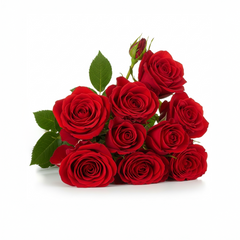
A lily accord is typically constructed from hydroxycitronellal (30–35%), which provides the core green-dewy floral note; rose (20–25%) for its sweet, petal-like nuance; jasmine (20–25%) to add creamy, indolic depth; and orange blossom (20–25%) for its luminous, slightly citrusy lift. Each component is selected for its molecular compatibility with hydroxycitronellal, creating a seamless, radiant white floral accord.

35%

Lily (Hydroxycitronellal Accord)

30–35% of blend

Hydroxycitronellal delivers the signature green, dewy, muguet-like freshness essential to a true lily accord.

25%

Rose

20–25% of blend

Rose adds a sweet, petal-like nuance, with phenyl ethyl alcohol bridging the gap between green and creamy facets.

25%

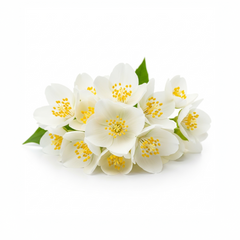
Jasmine

20–25% of blend

Jasmine introduces indolic, creamy depth, reinforcing the white floral character and enhancing sillage.

25%

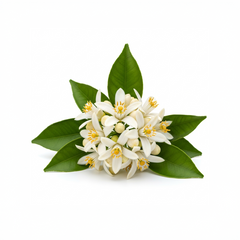
Orange Blossom

20–25% of blend

Orange blossom imparts a luminous, slightly citrusy lift, thanks to linalool and nerolidol, brightening the accord.

The Olfactory Layers

How Lily Evolves on Skin

Lily fragrances evolve from a crisp, green opening to a creamy, powdery floral heart, settling into a soft, musky base. High-volatility molecules like hydroxycitronellal dominate the top, while indolic and musky notes emerge in the drydown.

I
Top notes
0–15 min
Green Dew

The initial impression is green, dewy, and slightly citrusy, driven by hydroxycitronellal and supporting aldehydes. These high-volatility molecules evaporate quickly, creating a sparkling, fresh opening reminiscent of cut stems and morning dew.

GreenFreshDewy
II
Heart notes
20–60 min
Creamy Petals

The heart reveals the core lily accord: creamy, floral, and slightly spicy. Indolic compounds from jasmine and supporting white florals add depth, while rose and orange blossom round out the bouquet. This stage is persistent and defines the fragrance’s character.

CreamyFloralPowdery
III
Base notes
Several hours
Soft Musk

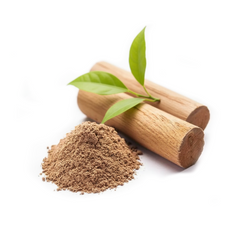
As the fragrance dries down, musky and woody molecules like ambrettolide and sandalwood emerge, anchoring the lily accord. The base is soft, slightly sweet, and skin-like, with lingering traces of floralcy from residual heart notes.

MuskySoftSkin-like
TOP NOTES Green Dew 0–15 minutes HEART NOTES Creamy Petals 20–60 minutes BASE NOTES Soft Musk Several hours
Through the Ages

The Story of Lily in Perfumery

Lily’s journey in perfumery spans from ancient symbolism to modern synthetic mastery, with key milestones in fragrance chemistry and iconic launches.

Ancient Egypt

Lily in Ritual and Symbolism

Lily motifs appear in tomb paintings from 1570 BC, symbolizing purity and rebirth. The flower is used in ceremonial garlands and religious iconography, though not as a fragrance extract.

1906

Hydroxycitronellal Synthesis

Givaudan commercializes hydroxycitronellal (Laurine), enabling the first realistic synthetic lily accords. This molecule becomes foundational for muguet and lily notes in perfumery.

1956

Diorissimo Launches

Edmond Roudnitska creates Diorissimo for Christian Dior, using hydroxycitronellal and supporting florals to evoke the scent of lily of the valley. The fragrance sets a new standard for white floral soliflores.

2000

Lys Méditerranée Debuts

Frédéric Malle releases Lys Méditerranée (Edouard Fléchier), a modern aquatic lily fragrance that highlights the versatility of synthetic lily accords in contemporary perfumery.

2022

Regulatory Shifts in Lily Molecules

The EU restricts lilial and lyral due to allergenicity, prompting perfumers to reformulate lily accords with alternative molecules and reinforcing the importance of regulatory compliance.

The Art of Layering

How to Layer Lily

Understanding how to layer lily is key to creating personalized scent profiles. Molecular compatibility—shared aldehydes, indoles, and phenyl ethyl alcohol—enables seamless blending with other florals, woods, and musks.

01

Enhance Freshness

Layering lily with citrus notes (bergamot, lemon) leverages shared aldehydic and green molecules, amplifying the dewy, sparkling top. Maison Francis Kurkdjian Aqua Universalis demonstrates this synergy, where lily’s freshness is brightened by citrus.

02

Add Creamy Depth

Pairing lily with sandalwood or musk introduces lactonic and musky molecules that soften the floral heart and extend longevity. Donna Karan Gold blends lily with amber and patchouli for a warm, enveloping base.

03

Create a Lush Bouquet

Combining lily with rose and jasmine exploits shared phenyl ethyl alcohol and indoles, producing a seamless, multi-dimensional floral accord. Cartier Baiser Volé and Lys Méditerranée are examples of this lush, layered effect.

Wear It Right

How to Wear Lily Like a Pro

Seasonal Guide

Fall & Winter

Cooler temperatures suppress volatility, allowing lily’s creamy, powdery heart to linger. Apply to pulse points and under clothing to maximize warmth-driven diffusion. Layer with woody or amber notes for added depth.

Spring

Spring’s mild climate enhances lily’s green, dewy freshness. Apply sparingly to avoid overwhelming the senses, and pair with other florals or green notes for a harmonious seasonal bouquet.

Summer

Heat increases volatility, making lily’s top notes project more strongly but fade faster. Opt for lighter concentrations (EDT) and reapply as needed. Pair with citrus or aquatic notes for a refreshing effect.

Year-Round Tip

Adjust application based on climate and humidity—more in cold, less in heat. Layer with musk or woods for longevity, and avoid overapplication in high humidity to prevent olfactory fatigue.

Application Points

Strategic application enhances lily’s evolution and projection, allowing you to tailor its presence to your preferences.

1

Neck

Pulse points on the neck generate heat, accelerating the evaporation of green top notes and revealing the creamy heart more quickly. Ideal for a luminous, immediate impression.

2

Behind the Ears

This area is slightly cooler, allowing lily’s floral heart to develop more slowly and persist longer. Subtle sillage is achieved as the fragrance warms gradually.

3

Inner Wrists

Frequent movement and warmth help project lily’s green and creamy facets. Avoid rubbing wrists together to preserve the integrity of volatile molecules.

4

Hair

Spraying on hair provides a gentle, sustained release of lily’s bouquet. The scent lingers as hair moves, but avoid overapplication to prevent dryness.

Pro Tip

Layer lily fragrances with unscented lotion to lock in moisture and extend longevity. This technique slows evaporation and enhances the creamy, powdery drydown.

Mood Architecture™

Top Lily Fragrances by Mood Score

These Lily-based fragrances scored highest on the MEI™ Mood Architecture Framework — measuring how a scent may influence your emotional state.

Highest MEI Score
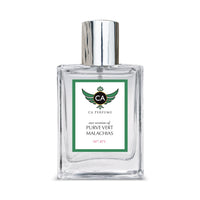
Purve Vert Malachias — Prive Vert Malachite Alternative Perfume
8.62
MEI™
Primary Romantic
Secondary Confident
Confidence
7.56
Presence
8.39
Mood Lift
9.5
Identity
8.03
Warmth
9.5
Social Ease
9.5
Energy
3.9
" I am beautiful.
View full mood profile →
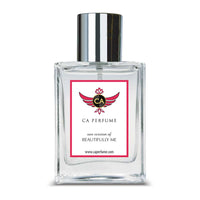
Beautifully Me — Estee Lauder Beautiful Alternative Perfume
8.56
MEI™
Primary Romantic
Secondary Confident
Confidence
7.87
Presence
8.75
Mood Lift
9.5
Identity
8.27
Warmth
9.49
Social Ease
8.35
Energy
4.5
" I am beautiful.
View full mood profile →
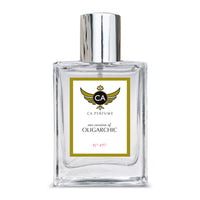
Oligarchic — Oligarch Alternative Cologne
8.2
MEI™
Primary Fresh
Secondary Energizing
Confidence
8.04
Presence
8.04
Mood Lift
9.5
Identity
7.82
Warmth
7.22
Social Ease
7.98
Energy
6.7
" I am radiant.
View full mood profile →
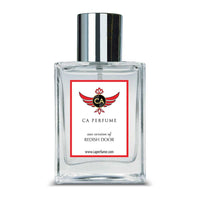
Redish Door — Elizabeth Arden Redish Door Alternative Perfume
8.08
MEI™
Primary Fresh
Secondary Romantic
Confidence
7.19
Presence
7.8
Mood Lift
9.5
Identity
7.78
Warmth
8.92
Social Ease
8.03
Energy
3.1
" I am radiant.
View full mood profile →
HumanSafe™

Top Lily Fragrances by HumanSafe™ Score

These Lily-based fragrances have the highest product-level HumanSafe™ scores in this ingredient collection.

Highest HumanSafe™ Score
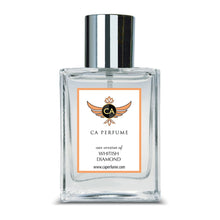
Whitish Diamond — White Diamonds Alternative Perfume
A-
HumanSafe™ Score Generally Safe
Safest Evaluated Ingredients EDP
AQUA Solvent / Carrier ISS 10.0
ACETIC ACID, PHENYLMETHYL ESTER Evaluated ingredient ISS 10.0
BENZYL SALICYLATE EYE IRRITATION - CAT.2B [H320] Evaluated ingredient ISS 9.0
OCTANAL, 2-(PHENYLMETHYLENE)- Evaluated ingredient ISS 8.0
2H-1-BENZOPYRAN-2-ONE Evaluated ingredient ISS 8.0
LINALYL ACETATE Evaluated ingredient ISS 7.0
View full safety profile →
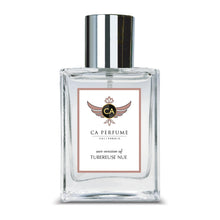
Tubereuse Nue — Tubéreuse Nue Alternative Perfume
A-
HumanSafe™ Score Generally Safe
Safest Evaluated Ingredients EDP
AQUA Solvent / Carrier ISS 10.0
ACETIC ACID, PHENYLMETHYL ESTER Evaluated ingredient ISS 10.0
1,4-DIOXACYCLOHEPTADECANE-5,17-DIONE Evaluated ingredient ISS 10.0
BENZYL SALICYLATE Evaluated ingredient ISS 9.0
BENZOIC ACID, 2-AMINO-, METHYL ESTER Evaluated ingredient ISS 9.0
View full safety profile →
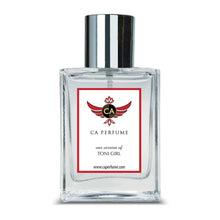
Toni Girl — Tommy Girl Alternative Perfume
A-
HumanSafe™ Score Generally Safe
Safest Evaluated Ingredients EDP
AQUA Solvent / Carrier ISS 10.0
ACETIC ACID, PHENYLMETHYL ESTER Evaluated ingredient ISS 10.0
1,4-DIOXACYCLOHEPTADECANE-5,17-DIONE Evaluated ingredient ISS 10.0
LINALOOL Evaluated ingredient ISS 7.0
CITRONELLOL Evaluated ingredient ISS 7.0
ALCOHOL DENAT. Solvent / Carrier ISS 7.0
View full safety profile →
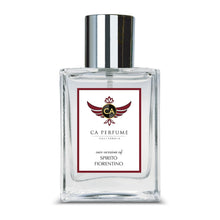
Spirito Fiorentino — Tiziana Terenzi Spirito Fiorentino Alternative Perfume
A-
HumanSafe™ Score Generally Safe
Safest Evaluated Ingredients EDP
AQUA Solvent / Carrier ISS 10.0
CYCLOHEXANEPROPANOL, 2,2,6-TRIMETHYL-.ALPHA.-PROPYL- Evaluated ingredient ISS 7.0
BENZOIC ACID, 2,4-DIHYDROXY-3,6-DIMETHYL-, METHYL Evaluated ingredient ISS 7.0
ALCOHOL DENAT. Solvent / Carrier ISS 7.0
1-[(2-TERT-BUTYL)CYCLOHEXYLOXY]-2-BUTANOL Evaluated ingredient ISS 7.0
D-LIMONENE Evaluated ingredient ISS 6.8
View full safety profile →
Expert Voices

What Masters Say About Lily

The scent of a fresh lily bloom is simultaneously creamy, balmy, spicy (carnation/clove-like), waxy, earthy-sweet, pungent and meaty indolic. These older oriental/oriental hybrid cultivars are often far more fragrant than modern hybrids.
Fragrantica Club Forum
Because the flower produces the scent only at the point of release—none is stored in the flower—so it cannot be extracted. The flower itself only contains pre-cursor chemicals from which the scent is formed directly into the air.
CA Perfume Editorial
Common Questions

Frequently Asked Questions

Answers to common questions about lily in perfumery, from scent character to layering and seasonal use.

Lily in perfume is typically described as fresh, green, creamy, and slightly spicy. The scent profile is shaped by synthetic molecules like hydroxycitronellal, which provide a dewy, muguet-like freshness, and supporting notes from rose, jasmine, and orange blossom. Depending on the species, lily can also exhibit powdery, indolic, or even clove-like nuances. Iconic fragrances such as Diorissimo and Cartier Baiser Volé showcase the full spectrum of lily’s olfactory character.

Lily is almost always used as a heart (middle) note in perfumery. Its molecular weight and volatility place it between lighter citrus or green top notes and deeper woody or musky bases. In some compositions, lily’s green facets may be perceptible in the top, but its creamy, powdery floral heart is the defining feature.

Lily’s versatility and complexity—ranging from fresh and green to creamy and spicy—make it a favorite among niche perfumers seeking to create luminous, multi-dimensional floral compositions. Its synthetic reconstruction allows for precise control over scent profile and performance, enabling innovative blends that stand out in the market.

Lily fragrance uses often involve pairing with other white florals (jasmine, orange blossom), green notes (galbanum, violet leaf), and soft woods (sandalwood, cedar). These combinations exploit shared molecules like phenyl ethyl alcohol and indoles, creating harmonious bouquets. Citrus and musk are also common partners for added freshness or depth.

Yes, lily’s fresh, green facets make it well-suited for summer and warm climates, especially in lighter concentrations (EDT). The dewy, sparkling top notes are uplifting and refreshing, though they may fade more quickly in heat. For longevity, choose EDP or layer with citrus and aquatic notes.

Lily-centered Eau de Parfum fragrances typically last 4–8 hours, depending on concentration and supporting notes. The longevity is driven by the persistence of hydroxycitronellal and indolic compounds, with the creamy floral heart lingering longest on skin.

Yes, lily is highly versatile for layering. Its molecular compatibility with other florals, woods, and musks allows for seamless blending. For example, layering with citrus enhances freshness, while pairing with sandalwood or musk adds creamy depth. Test combinations on skin to find your preferred balance.

For those new to lily, Diorissimo (Dior), Cartier Baiser Volé, and Lys Méditerranée (Frédéric Malle) are excellent starting points. These fragrances showcase lily’s core character, from green and dewy to creamy and radiant, and are widely regarded as benchmarks in the genre.

Consider your preferred scent profile—fresh and green, creamy and powdery, or spicy and exotic. CA Perfume’s collection offers a range of lily-centered fragrances, each crafted with IFRA-compliant materials and transparent ingredient disclosure via the HumanSafe™ platform. Sampling is recommended to find your ideal match.

Lily can exhibit both sweet and spicy facets, depending on the species and composition. Oriental lilies are known for their creamy, spicy (clove-like) aroma, while Madonna lilies are cooler and more transparent. Synthetic lily accords can be tailored to emphasize either aspect, making the note adaptable to a wide range of fragrance styles.

Floral Collection

Explore Our Top Lily Fragrances

Discover CA Perfume’s most popular lily-centered scents, each crafted to showcase the note’s radiant, creamy, and green facets.

Shop all lily fragrances at CA Perfume →

Where Lily Comes From — Origin & Extraction

The lily fragrance note in perfumery is derived from various species in the Lilium genus, including Lilium candidum (Madonna lily), Lilium longiflorum (Easter lily), Lilium auratum (golden-rayed lily), and numerous Oriental hybrids. However, true essential oil or absolute cannot be obtained from lily flowers by conventional means. Lily is classified as a 'mute' flower: steam distillation, solvent extraction, and even supercritical CO2 extraction yield either no scent or an unpleasant, non-representative oil. For example, attempts to extract concrete from Convallaria majalis (lily of the valley) flowers yield only 0.9–1.05% by weight, but the resulting material lacks the characteristic fresh, green-floral aroma. Modern lily notes are therefore constructed entirely from synthetic aroma chemicals. The first major breakthrough was hydroxycitronellal, synthesized by Givaudan and commercialized as Laurine in 1906. Other key molecules include lilial (now banned in the EU due to allergenicity), lyral, cyclamen aldehyde, and supporting materials like phenyl ethyl alcohol, methyl anthranilate, and various ionones. The cost of synthetic lily aroma chemicals is typically $30–$200 per kg, compared to natural absolutes (if available) which would be orders of magnitude higher and still not olfactively accurate. The primary producers of lily aroma chemicals are large fragrance houses and chemical companies in Switzerland (Givaudan), Germany (Symrise, BASF), and France (Firmenich, IFF). Sustainability is a key advantage of synthetic lily: it avoids agricultural land use, overharvesting, and biodiversity loss associated with natural extraction. The HumanSafe™ platform at CA Perfume ensures that all lily materials used are fully IFRA-compliant and traceable, with transparency on allergen status and regulatory updates.

Famous Fragrances That Define Lily in Perfumery

Lily has served as both a dominant and supporting note in some of the most iconic fragrances of the 20th and 21st centuries. Diorissimo by Dior (1956, perfumer Edmond Roudnitska) is the archetype of the lily soliflore, using hydroxycitronellal and supporting florals to recreate the scent of Christian Dior’s favorite flower. Cartier Baiser Volé (2011, Mathilde Laurent) offers a modern, powdery-green interpretation, focusing on the creamy and fresh facets of lily. Donna Karan Gold (2006, Rodrigo Flores-Roux, Yann Vasnier, Calice Becker) is a lush, golden lily composition, pairing lily with amber and patchouli for warmth and depth. Tom Ford Shanghai Lily (2013, Antoine Maisondieu) explores the spicy, exotic side of lily, blending it with pink pepper, clove, and tuberose. Lys Méditerranée by Frédéric Malle (2000, Edouard Fléchier) is a radiant, aquatic lily, combining the note with salty marine accords and orange blossom. These fragrances demonstrate the versatility of lily, from luminous soliflores to complex bouquets. CA Perfume’s collection draws inspiration from this lineage, offering lily-centered scents that balance tradition with modernity.

Natural vs Synthetic Lily in Perfumery

Natural lily oil is not commercially available due to the flower’s mute status—no extraction method yields a true lily scent. All lily notes in perfumery are therefore synthetic reconstructions. The most important synthetic molecules are hydroxycitronellal (CAS 107-75-5), which provides a green, dewy, muguet-like freshness; lilial (CAS 80-54-6), which imparts a creamy, powdery floral note (now restricted under EU regulations); and lyral (CAS 31906-04-4), which adds a sweet, slightly woody nuance but is also restricted. Other supporting molecules include cyclamen aldehyde (CAS 103-95-7), phenyl ethyl alcohol, and methyl anthranilate. Synthetic lily accords offer superior performance in terms of longevity (typically 4–8 hours in EDP formats), diffusion, and batch-to-batch consistency compared to natural floral extracts. Cost is significantly lower—synthetic lily aroma chemicals range from $30–$200/kg, while natural absolutes (if available) would be prohibitively expensive and not olfactively accurate. Famous fragrances such as Diorissimo (Dior, 1956), Baiser Volé (Cartier, 2011), and Lys Méditerranée (Frédéric Malle, 2000) all rely on synthetic lily accords. Sustainability is enhanced by the use of synthetics, as no agricultural land or wild populations are impacted. CA Perfume’s HumanSafe™ platform ensures all lily materials are IFRA-compliant and allergen status is transparently disclosed.