
Ingredient Guide · Citrus Aromatic
Citrus Aromatic Family · Perfumery Note

Lemon Musk

Fresh citrus meets soft musk in a vibrant heart note

Lemon Musk is a heart note in perfumery combining the zesty brightness of lemon with a subtle musky warmth. It is typically used at concentrations below 3%, offering a balanced, uplifting scent.

Ingredient Profile

Lemon Musk

Citrus Aromatic Family
Family Citrus Aromatic
Note Position Heart Note
Usage Level <3%
Key Origins Italy, United States, Spain
Iconic In Lemon Musk, Devotion
The Ingredient

What does Lemon Musk smell like and why is it so captivating?

Lemon Musk in perfumery is a vibrant blend that harmonizes the citrusy brightness of fresh lemons with the subtle warmth of musk. The scent profile opens with an effervescent burst of citrus, primarily driven by limonene and citral compounds, followed by soft, skin-like musk that wraps the fruitiness in an elegant embrace. This combination creates a fresh, energizing, yet comforting aroma that is both playful and sophisticated. As a heart note, Lemon Musk is used at concentrations typically below 3% in fragrance formulations. It bridges the initial citrus top notes and the musky base, providing longevity and a smooth transition in the scent pyramid. The musk component interacts with skin chemistry to enhance diffusion and warmth, adapting uniquely to individual wearers' pH and body heat. Notable fragrances demonstrating Lemon Musk's use include Taif Al Emarat's Lemon Musk (2025), where lemon and musk form the bright opening, supported by peony and incense, and Dolce&Gabbana's Devotion, which uses lemon musk to balance gourmand sweetness with freshness. These examples highlight Lemon Musk's versatility and its role in modern perfumery.

1–3 Sprays
Optimal application amount for noticeable yet balanced freshness without overwhelming the wearer.
4–6 Hours
Typical longevity of Lemon Musk fragrances on skin, balancing citrus volatility and musk fixation.
<3%
Common concentration range of Lemon Musk in perfume formulations to maintain olfactory balance and regulatory compliance.
Origin & Extraction

Where Lemon Musk Comes From — Origin & Extraction

Lemon Musk's scent profile is shaped by the geography of lemon cultivation and musk production. Mediterranean climates with abundant sunshine and fertile soils yield lemons with bright, aromatic oils. The musk component is primarily synthetic, produced in chemical manufacturing hubs with advanced lab synthesis capabilities.

Lemon Musk's character is significantly influenced by its citrus origins and the musk component. The lemon aspect derives from Citrus limon, primarily cultivated in Mediterranean climates such as Italy's Amalfi Coast, California in the United States, and Spain. These regions contribute approximately 70% of the global lemon oil supply, with Italy and California known for their high-quality, aromatic lemon peels rich in limonene (up to 70% of the oil composition). Lemon oil is extracted mainly by cold expression of the lemon peel, a mechanical pressing method that preserves volatile compounds like limonene, citral, and pinene. This process occurs at ambient temperatures to avoid degradation of sensitive molecules. Typical yields are about 1-3% oil by weight of fresh peel. The musk component in Lemon Musk is usually synthetic, derived from lab-created molecules such as galaxolide (CAS 1222-05-5) and ambrettolide (CAS 6540-58-1), which replicate the warm, skin-like musky scent. Natural musk from animal sources is no longer used due to ethical and regulatory restrictions. Natural Lemon Musk absolute, when produced, involves solvent extraction or supercritical CO2 extraction of lemon peel combined with musk-like natural isolates from plants such as ambrette seeds. The cost of natural Lemon Musk absolute ranges from $3,000 to $6,000 per kilogram, while synthetic musk analogues cost between $50 and $200 per kilogram. Sustainability efforts focus on ethical sourcing of lemon crops and replacing animal musk with synthetic alternatives.

IT

Italy

The Amalfi Coast region produces lemons with intense aromatic oils due to volcanic soil and sunny climate. Italian lemons contribute significantly to Lemon Musk's bright citrus character, with a production share of approximately 25% globally.

US

United States

California's lemon orchards yield high-quality lemon oil with juicy sweetness and fragrant zest. The state's advanced agricultural practices ensure consistent oil quality, accounting for about 20% of global lemon oil production.

ES

Spain

Spanish lemons, especially from Murcia and Valencia, are prized for their tangy brightness and aromatic complexity. Spain contributes roughly 15% of the world's lemon oil supply, supporting Lemon Musk's zesty allure.

CN

China

China is a key producer of synthetic musk molecules used in Lemon Musk accords. Chemical manufacturing centers in Jiangsu and Zhejiang provinces synthesize musks like galaxolide and ambrettolide with high purity and consistency.

Chemistry

Natural vs Synthetic Lemon Musk in Perfumery

Natural Lemon Musk is typically produced by solvent or supercritical CO2 extraction of lemon peel combined with natural musky compounds like ambrettolide derived from ambrette seeds. This natural absolute is complex and variable in character due to botanical and seasonal variations. It offers a rich, nuanced scent but comes at a higher cost ($3,000–6,000/kg) and supply limitations. Synthetic Lemon Musk relies on molecules such as safranal (CAS 116-26-7), galaxolide (CAS 1222-05-5), and ambrettolide (CAS 6540-58-1) to replicate the citrus brightness and musky warmth with greater consistency, stability, and affordability ($50–200/kg). These synthetics provide longer-lasting diffusion and are cruelty-free, aligning with modern sustainability and ethical standards. Famous fragrances like Taif Al Emarat's Lemon Musk use a blend of natural lemon oil and synthetic musks to achieve a balanced scent profile. The HumanSafe™ platform ensures transparency in sourcing and formulation, with CA Perfume favoring blends that maximize safety and environmental responsibility while maintaining olfactory quality.

Natural
Lemon Musk Absolute
Cost $3,000–6,000/kg
Method Solvent / CO₂
Character Complex, variable
vs
Synthetic
Safranal & Analogues
Cost $50–200/kg
Method Lab synthesis
Character Consistent, stable
Hall of Fame

Famous Fragrances That Define Lemon Musk in Perfumery

2025
dominant note

Lemon Musk

Taif Al Emarat
PeonyIncensePatchouliSandalwood
2023
supporting note

Devotion

Dolce&Gabbana
Sweet gourmand notesVanilla
2019
heart note

Under The Lemon Trees

Maison Margiela Replica
CitrusMuskFloral
2026
heart note

Lemon Rush

Aura Me
MandarinMusk
2025
dominant note

Citrus Musk

Agua
BergamotSicilian OrangeWhite Musk

Lemon Musk has appeared in several notable fragrances in recent years, showcasing its versatility as a fresh yet musky heart note. Taif Al Emarat's Lemon Musk (2025) is a landmark Arabic fragrance blending lemon and musk at the top, with peony and incense in the heart, and patchouli and sandalwood as a warm base. This fragrance exemplifies Lemon Musk's ability to balance brightness with sensual warmth. Dolce&Gabbana's Devotion (2023) incorporates Lemon Musk to counterbalance gourmand sweetness with a fresh citrus-musk accord, creating a modern, wearable scent. Maison Margiela's Replica Under The Lemon Trees (2019) uses lemon and musk to evoke a sunny, uplifting atmosphere. Other examples include Aura Me's Lemon Rush (2026), which pairs lemon zest with musky undertones and mandarin, and Agua's Citrus Musk (2025), combining Calabrian bergamot, Sicilian orange, lemon, and white musk for a fresh, zesty fragrance. These fragrances demonstrate Lemon Musk's role as both a dominant and supporting note, often paired with florals like peony and jasmine, woods such as sandalwood, and spices or incense to add depth. CA Perfume's collection reflects this lineage by offering fragrances that highlight Lemon Musk's fresh yet comforting character.

The Accord

How is a captivating Lemon Musk accord crafted?

A balanced Lemon Musk accord typically consists of 20-25% Lemon oil, providing the bright, zesty citrus top; 25-30% Musk (synthetic musks like galaxolide and ambrettolide) to impart a soft, skin-like warmth and longevity; 20-25% Peony or Jasmine to add floral depth and complexity, bridging citrus and musk; and 25-30% Sandalwood or Patchouli as a woody base to ground the accord and enhance diffusion. Each ingredient is selected for molecular compatibility: limonene and citral in lemon provide volatility and freshness, musks offer fixative properties and smoothness, florals contribute damascenone and other aroma chemicals for richness, and woods add vanillin-like sweetness and tenacity.

25%

Lemon

20–25% of blend

Lemon oil supplies the zesty, volatile top notes rich in limonene and citral, creating the fresh citrus burst essential to the accord.

30%

Musk

25–30% of blend

Synthetic musks like galaxolide provide a soft, skin-like warmth and fixative effect, extending the accord's longevity and smoothing transitions.

25%

Peony

20–25% of blend

Peony adds floral complexity and richness through aroma chemicals such as damascenone, bridging the citrus and musky elements.

30%

Sandalwood

25–30% of blend

Sandalwood contributes woody, creamy vanillin-like notes that ground the accord and enhance diffusion and depth.

The Olfactory Layers

How Lemon Musk Evolves on Skin

Lemon Musk evolves from an initial bright citrus burst to a musky, floral heart and finally a warm woody base. The volatile limonene and citral molecules evaporate within the first 15 minutes, delivering freshness. Heart notes of peony and musk emerge between 20 to 60 minutes, providing complexity and softness. Base notes of sandalwood and patchouli unfold over several hours, adding depth and longevity.

I
Top notes
0–15 min
Zesty Citrus Spark

The top notes feature a sharp, zesty lemon character dominated by limonene and citral molecules. These highly volatile compounds evaporate quickly, creating an immediate fresh and sparkling impression.

BrightZestyEffervescent
II
Heart notes
20–60 min
Soft Musky Floral

Heart notes reveal the soft musk and floral peony, with damascenone and muscone molecules providing a smooth, skin-like warmth and floral richness. This stage balances freshness with subtle sensuality.

SoftMuskyFloral
III
Base notes
Several hours
Warm Woody Depth

The base notes develop into creamy sandalwood and earthy patchouli, with vanillin and patchoulol compounds delivering depth, warmth, and lasting diffusion on the skin.

WoodyWarmLong-lasting
TOP NOTES Zesty Citrus Spark 0–15 minutes HEART NOTES Soft Musky Floral 20–60 minutes BASE NOTES Warm Woody Depth Several hours
Through the Ages

The Story of Lemon Musk in Perfumery

Lemon Musk's history in perfumery spans from the ancient use of lemon oils to modern synthetic musk innovations, reflecting evolving extraction and formulation techniques.

Antiquity

Early Use of Lemon in Fragrance

Lemon (Citrus limon) was cultivated in northeastern India and Burma and spread to the Mediterranean by ancient trade routes. Its aromatic peel was prized in early perfumery and medicinal applications.

18th Century

Rise of Lemon in Eau de Cologne

Lemon oil became a key ingredient in Eau de Cologne formulations, valued for its fresh, sparkling top notes that contrasted with heavier resins and musks.

1970s

Synthetic Musk Development

Due to ethical concerns over animal musk extraction, synthetic musks like galaxolide and ambrettolide were developed and adopted widely in perfumery.

2015

Modern Use in Niche Perfumery

Lemon Musk gained prominence as a heart note in niche fragrances, combining natural lemon oils with synthetic musks for balanced freshness and longevity.

2025

Launch of Taif Al Emarat Lemon Musk

Taif Al Emarat released Lemon Musk, a fragrance exemplifying the harmonious blend of lemon and musk with floral and woody accords, marking a contemporary milestone.

The Art of Layering

How to Layer Lemon Musk

Understanding how to layer Lemon Musk enhances its versatility. Layering leverages molecular compatibility and olfactory synergy to create personalized scent profiles.

01

Enhance Sweetness

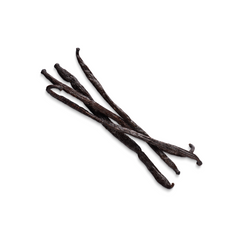
Pair Lemon Musk with vanilla or honey to soften the citrus sharpness through olfactory masking, where vanillin's sweetness balances limonene's brightness. This combination is exemplified in Dolce&Gabbana's Devotion.

02

Add Depth

Combine Lemon Musk with woody notes like sandalwood or patchouli, which share vanillin and patchoulol compounds, creating a warm, grounded base that extends longevity and smooths transitions, as seen in Taif Al Emarat's Lemon Musk.

03

Lighten the Glow

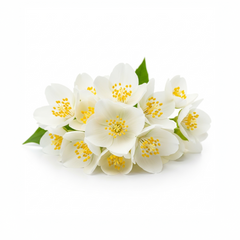
Layer Lemon Musk with florals such as jasmine or rose, which contain damascenone, providing a molecular bridge that enhances brightness and complexity without overpowering the citrus freshness.

Wear It Right

How to Wear Lemon Musk Like a Pro

Seasonal Guide

Fall & Winter

Cooler temperatures reduce citrus volatility, allowing musky and woody notes to dominate. Apply more liberally for warmth and lasting presence.

Spring

Moderate weather balances citrus freshness and musk warmth. Light application enhances the uplifting, vibrant character.

Summer

Heat increases lemon volatility, making the scent brighter but shorter-lived. Layer with musk-based products to extend longevity.

Year-Round Tip

Use fragrance layering to adjust Lemon Musk's intensity and balance according to temperature and humidity for optimal performance.

Application Points

Strategic application enhances Lemon Musk's scent projection and longevity.

1

Neck

Pulse points on the neck emit heat, helping to diffuse the citrus and musk notes effectively.

2

Behind the Ears

Warmth behind the ears aids in releasing the fragrance subtly throughout the day.

3

Inner Wrists

Wrists provide a natural pulse point for scent activation and easy reapplication.

4

Hair

Hair holds fragrance longer and releases it gently with movement, enhancing sillage.

★

Pro Tip

Layer Lemon Musk with unscented moisturizer to boost longevity and prevent dryness.

HumanSafe™

Lemon Musk Safety Profile in Our Fragrances

No ingredient collection was found for lemon-musk.

Create or connect a collection with the same handle as this ingredient, then add products that contain this ingredient.

Expert Voices

What Masters Say About Lemon Musk

“
Lemon Musk combines the invigorating zest of lemon with a soft, musky undertone, creating a refreshing and uplifting fragrance experience. This dynamic fusion embodies joy and lightness, making it an irresistible addition to any fragrance wardrobe.
CA Perfume Editorial
“
The scent profile opens with an effervescent burst of citrus, followed by soft, skin-like musk that wraps the fruitiness in an elegant embrace. Lemon Musk in perfume is renowned for its ability to evoke a sense of happiness and vitality.
CA Perfume Editorial
Common Questions

Frequently Asked Questions

Answers to common questions about Lemon Musk in perfumery.

Lemon Musk in perfume smells like a bright, zesty lemon combined with a soft, musky undertone. The initial citrus burst is primarily due to limonene and citral molecules, which provide a fresh and invigorating aroma. The musk adds a warm, skin-like softness that balances the sharpness of the lemon, resulting in a fragrance that is both energizing and comforting. Notable perfumes featuring Lemon Musk include Taif Al Emarat's Lemon Musk and Dolce&Gabbana's Devotion.

Lemon Musk is primarily used as a heart note in fragrance compositions. It bridges the fresh, volatile citrus top notes and the warm, long-lasting musky or woody base notes. While lemon itself is a top note due to its volatility, the combined Lemon Musk accord typically occupies the heart, providing balance and longevity.

Lemon Musk is favored in niche perfumery for its unique balance of freshness and warmth. Its ability to combine the uplifting brightness of lemon with the sensual softness of musk allows perfumers to create complex, versatile fragrances that appeal to modern tastes. Additionally, the use of synthetic musks ensures ethical sourcing and consistent quality, aligning with niche brands' focus on craftsmanship and sustainability.

Lemon Musk fragrance uses often include pairing with florals such as jasmine and rose, which share aroma chemicals like damascenone that harmonize with the citrus and musk. Sweet notes like vanilla and honey provide olfactory masking to soften the citrus sharpness. Woody notes like sandalwood and patchouli add depth and fixative qualities, enhancing longevity and complexity.

Yes, Lemon Musk is ideal for summer and hot weather due to its bright, refreshing citrus top notes that evoke the spirit of sunny days. However, heat can increase volatility, causing the lemon to evaporate faster. Layering with musk and woody notes can help extend longevity and maintain a balanced scent throughout the day.

Lemon Musk fragrances typically last between 4 to 6 hours on the skin. The citrus components provide an initial burst of freshness, while the musk and woody base notes contribute to moderate longevity and sillage. Proper layering and application can enhance lasting power.

Absolutely. How to layer Lemon Musk involves combining it with complementary notes such as florals (jasmine, rose) to enhance brightness, sweet notes (vanilla, honey) to soften sharpness, or woody bases (sandalwood, patchouli) to add depth. Layering allows customization and extended wear.

Beginners may appreciate Lemon Musk perfumes with lighter, balanced compositions that highlight the citrus freshness without overwhelming musk. Examples include Taif Al Emarat's Lemon Musk and Maison Margiela Replica Under The Lemon Trees, which offer approachable, versatile scents suitable for daily wear.

Choosing the right Lemon Musk fragrance involves considering your preference for citrus intensity, musk warmth, and complementary notes. CA Perfume offers discovery sets and detailed ingredient profiles to help you explore combinations and find a scent that matches your style and occasion.

Lemon Musk primarily smells bright and zesty rather than spicy. The musk component adds a soft, slightly sweet warmth, but the overall profile remains fresh and citrusy with subtle musky undertones rather than overt spiciness.

Citrus Aromatic Collection

Explore Our Top Lemon Musk Fragrances

Discover a curated selection of Lemon Musk perfumes showcasing fresh citrus and musky warmth.

Shop all lemon musk fragrances at CA Perfume →

Where Lemon Musk Comes From — Origin & Extraction

Lemon Musk's character is significantly influenced by its citrus origins and the musk component. The lemon aspect derives from Citrus limon, primarily cultivated in Mediterranean climates such as Italy's Amalfi Coast, California in the United States, and Spain. These regions contribute approximately 70% of the global lemon oil supply, with Italy and California known for their high-quality, aromatic lemon peels rich in limonene (up to 70% of the oil composition). Lemon oil is extracted mainly by cold expression of the lemon peel, a mechanical pressing method that preserves volatile compounds like limonene, citral, and pinene. This process occurs at ambient temperatures to avoid degradation of sensitive molecules. Typical yields are about 1-3% oil by weight of fresh peel. The musk component in Lemon Musk is usually synthetic, derived from lab-created molecules such as galaxolide (CAS 1222-05-5) and ambrettolide (CAS 6540-58-1), which replicate the warm, skin-like musky scent. Natural musk from animal sources is no longer used due to ethical and regulatory restrictions. Natural Lemon Musk absolute, when produced, involves solvent extraction or supercritical CO2 extraction of lemon peel combined with musk-like natural isolates from plants such as ambrette seeds. The cost of natural Lemon Musk absolute ranges from $3,000 to $6,000 per kilogram, while synthetic musk analogues cost between $50 and $200 per kilogram. Sustainability efforts focus on ethical sourcing of lemon crops and replacing animal musk with synthetic alternatives.

Famous Fragrances That Define Lemon Musk in Perfumery

Lemon Musk has appeared in several notable fragrances in recent years, showcasing its versatility as a fresh yet musky heart note. Taif Al Emarat's Lemon Musk (2025) is a landmark Arabic fragrance blending lemon and musk at the top, with peony and incense in the heart, and patchouli and sandalwood as a warm base. This fragrance exemplifies Lemon Musk's ability to balance brightness with sensual warmth. Dolce&Gabbana's Devotion (2023) incorporates Lemon Musk to counterbalance gourmand sweetness with a fresh citrus-musk accord, creating a modern, wearable scent. Maison Margiela's Replica Under The Lemon Trees (2019) uses lemon and musk to evoke a sunny, uplifting atmosphere. Other examples include Aura Me's Lemon Rush (2026), which pairs lemon zest with musky undertones and mandarin, and Agua's Citrus Musk (2025), combining Calabrian bergamot, Sicilian orange, lemon, and white musk for a fresh, zesty fragrance. These fragrances demonstrate Lemon Musk's role as both a dominant and supporting note, often paired with florals like peony and jasmine, woods such as sandalwood, and spices or incense to add depth. CA Perfume's collection reflects this lineage by offering fragrances that highlight Lemon Musk's fresh yet comforting character.

Natural vs Synthetic Lemon Musk in Perfumery

Natural Lemon Musk is typically produced by solvent or supercritical CO2 extraction of lemon peel combined with natural musky compounds like ambrettolide derived from ambrette seeds. This natural absolute is complex and variable in character due to botanical and seasonal variations. It offers a rich, nuanced scent but comes at a higher cost ($3,000–6,000/kg) and supply limitations. Synthetic Lemon Musk relies on molecules such as safranal (CAS 116-26-7), galaxolide (CAS 1222-05-5), and ambrettolide (CAS 6540-58-1) to replicate the citrus brightness and musky warmth with greater consistency, stability, and affordability ($50–200/kg). These synthetics provide longer-lasting diffusion and are cruelty-free, aligning with modern sustainability and ethical standards. Famous fragrances like Taif Al Emarat's Lemon Musk use a blend of natural lemon oil and synthetic musks to achieve a balanced scent profile. The HumanSafe™ platform ensures transparency in sourcing and formulation, with CA Perfume favoring blends that maximize safety and environmental responsibility while maintaining olfactory quality.