Ingredient Guide · Citrus Aromatic
Citrus Aromatic Family · Perfumery Note

Lemon Zest

Awaken your senses with vibrant citrus energy

Lemon Zest is a vivid, zesty heart note derived from fresh lemon peel, known for its sharp, bright, and fruity character. It contains key molecules like limonene and citral, used at concentrations below 5%.

Lemon Zest
Ingredient Profile

Lemon Zest

Citrus Aromatic Family
Family Citrus Aromatic
Note Position Heart Note
Usage Level <5%
Key Origins Italy, United States, Spain
Iconic In Bvlgari Man Wood Essence, Bleu de Chanel Parfum
The Ingredient

What does Lemon Zest smell like and how is it used in perfumery?

Lemon Zest is derived from the outer peel of Citrus limon, primarily composed of aromatic compounds such as limonene and citral, which impart its sharp, bright, and fruity scent profile. This note is characterized by a clean, zesty aroma with subtle bitter undertones, evoking freshly grated lemon peel and sunlit citrus groves. In perfumery, Lemon Zest functions predominantly as a heart note, typically used at concentrations below 5%. Its volatility and fresh character make it ideal for creating uplifting citrus blends that enhance brightness and energy. Lemon Zest interacts with skin chemistry by providing a lively, effervescent freshness that can vary slightly depending on individual skin pH and moisture. Notable fragrances featuring Lemon Zest include Bvlgari Man Wood Essence (Bvlgari, 2018), where it bridges woody and citrus accords, and Bleu de Chanel Parfum (Chanel, 2018), where it adds a sparkling freshness to the aromatic composition.

<5%
Typical maximum usage concentration of Lemon Zest in perfume formulations to balance freshness with safety and avoid phototoxicity.
1–2 Sprays
Recommended application amount to achieve a bright, fresh effect without overwhelming the wearer or environment.
3–5 Hours
Average longevity of Lemon Zest’s zesty freshness on skin, often extended by supporting base notes and fixatives.
Origin & Extraction

Where Lemon Zest Comes From — Origin & Extraction

Lemon Zest’s olfactory character is shaped by its geographic origin, with soil composition, climate, and cultivation methods influencing aroma intensity and nuance. Mediterranean regions with volcanic soils produce zest with sweeter, sharper notes, while warmer, drier climates yield brighter, more vibrant citrus profiles.

Lemon Zest is sourced from the outer peel of the lemon fruit, Citrus limon, a hybrid species originating from northeastern India and Burma. Today, major producers include Italy (notably the Amalfi Coast), the United States (California), and Spain. Italy's Amalfi Coast lemons are prized for their sweet-sharp zestiness, benefiting from volcanic soil and Mediterranean climate. California's lemon groves yield bright, full-bodied citrus profiles due to warm temperatures and rich soil. Spain contributes robust, intensely fragrant lemons widely used in both culinary and perfumery applications. Extraction of Lemon Zest oils is primarily achieved through cold pressing, a mechanical process that preserves the volatile aromatic compounds such as limonene (CAS 5989-27-5) and citral (CAS 5392-40-5). This method avoids heat degradation, ensuring the bright, fresh character remains intact. Solvent extraction and supercritical CO2 extraction are also used to obtain lemon absolute, which offers a more complex and variable aroma. Natural Lemon Zest absolute costs approximately $3,000–6,000 per kilogram, reflecting its labor-intensive production and limited yield. Synthetic aroma chemicals replicating lemon zest notes, such as limonene and citral, are produced at significantly lower costs, around $50–200 per kilogram. Sustainability considerations include the environmental impact of citrus agriculture and solvent use in extraction, with increasing interest in CO2 methods to reduce solvent residues.

IT

Italy

The Amalfi Coast region produces lemons with a unique sweet-sharp zestiness due to volcanic soil and Mediterranean climate. This origin accounts for a significant share of high-quality lemon zest used in perfumery, prized for its complex aromatic profile.

US

United States

California’s lemon groves benefit from warm temperatures and rich soil, producing lemons with a bright, full-bodied citrus aroma. The region contributes substantially to global lemon zest supply, with mechanical cold pressing as the primary extraction method.

ES

Spain

Spanish lemons are known for their intense flavor and fragrance, often harvested for both culinary and perfumery uses. The zest is robust and sparkling, reflecting the country’s warm climate and traditional agricultural practices.

Chemistry

Natural vs Synthetic Lemon Zest in Perfumery

Natural Lemon Zest absolute is a complex mixture of volatile compounds, primarily limonene, citral, and other terpenes, extracted via cold pressing or solvent extraction. It offers a dynamic and evolving scent profile that can vary with terroir and extraction method. However, natural lemon zest oils tend to have lower longevity and are sensitive to oxidation, limiting their shelf life and projection. Synthetic substitutes include pure limonene (CAS 5989-27-5), citral (CAS 5392-40-5), and citronellal (CAS 106-23-0). These molecules provide consistent, stable, and long-lasting lemon-like freshness with enhanced diffusion and projection. Synthetic lemon aroma chemicals cost significantly less and allow perfumers to achieve precise scent effects unattainable with natural extracts alone. Famous fragrances such as Bleu de Chanel Parfum utilize a blend of natural and synthetic lemon components for balanced freshness and longevity. The HumanSafe™ platform ensures transparency in ingredient sourcing and safety, with CA Perfume favoring a hybrid approach to maximize both authenticity and performance.

Natural
Lemon Zest Absolute
Cost $3,000–6,000/kg
Method Solvent / CO₂
Character Complex, variable
vs
Synthetic
Safranal & Analogues
Cost $50–200/kg
Method Lab synthesis
Character Consistent, stable
Hall of Fame

Famous Fragrances That Define Lemon Zest in Perfumery

2018
bridge note

Bvlgari Man Wood Essence

Bvlgari
by Alberto Morillas
woody notescitrus accords
2018
heart note

Bleu de Chanel Parfum

Chanel
by Jacques Polge, Christopher Sheldrake
grapefruitincensearomatic notes
2019
accent

Après l’Amour

Thomas Kosmala
by Thomas Kosmala
floral noteswoody notes
2021
accent

Phantom

Rabanne
aromatic notesfresh accords
2023
dominant note

Lemon Rush

Aura Me
muskmandarin

Lemon Zest has been a defining note in numerous landmark fragrances, valued for its ability to impart brightness and vivacity. Bvlgari Man Wood Essence (Bvlgari, 2018) by perfumer Alberto Morillas uses Lemon Zest as a bridge note, harmonizing woody and citrus accords to create a fresh yet grounded scent. Bleu de Chanel Parfum (Chanel, 2018), crafted by Jacques Polge and Christopher Sheldrake, features Lemon Zest as a sparkling heart note, enhancing the aromatic freshness alongside grapefruit and incense. Thomas Kosmala’s Après l’Amour (2019) employs Lemon Zest as an accent to soften floral and woody elements, while Rabanne's Phantom (2021) integrates Lemon Zest to add a zesty edge to its aromatic composition. Aura Me’s Lemon Rush (2023) highlights Lemon Zest prominently, pairing it with musk and mandarin for a clean, fresh effect. CA Perfume’s collection embraces this lineage by incorporating Lemon Zest in accords that balance freshness with complexity, reflecting its versatile role in contemporary perfumery.

The Accord

How is a captivating Lemon Zest accord crafted?

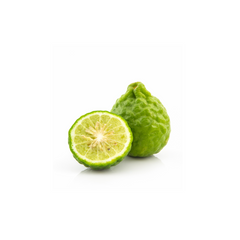
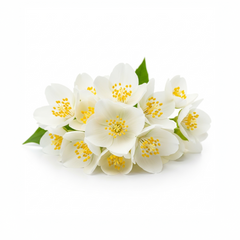
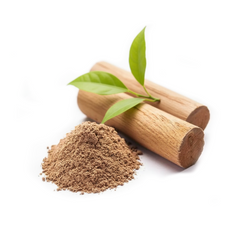
A balanced Lemon Zest accord typically includes Lemon Zest (25-30%) for its bright, zesty freshness, Bergamot (20-25%) to add a slightly sweeter citrus complexity, Jasmine (15-20%) for floral lift and molecular synergy via shared aromatic esters, and Sandalwood (25-30%) to provide creamy, woody depth that anchors the volatile citrus molecules and extends longevity.

30%

Lemon Zest

25–30% of blend

Provides the sharp, bright citrus character dominated by limonene and citral, essential for the accord's freshness.

25%

Bergamot

20–25% of blend

Adds a sweeter, slightly floral citrus facet with linalyl acetate, complementing lemon zest’s sharpness.

20%

Jasmine

15–20% of blend

Contributes floral complexity and shares aromatic esters that create a molecular bridge with lemon zest.

30%

Sandalwood

25–30% of blend

Provides creamy, woody depth that stabilizes the volatile citrus molecules and enhances longevity.

The Olfactory Layers

How Lemon Zest Evolves on Skin

Lemon Zest’s olfactory evolution begins with highly volatile molecules like limonene and citral evaporating rapidly within the first 15 minutes, delivering an immediate bright and zesty impression. The heart phase (20–60 minutes) softens slightly as the sharper citrus notes blend with floral and herbal undertones. Base notes emerge over several hours, where woody and musky elements balance the fading citrus, extending the fragrance’s presence.

I
Top notes
0–15 min
Bright Citrus Spark

Dominated by limonene and citral, the top notes provide a sharp, bright, and effervescent citrus burst. These high-volatility compounds evaporate quickly, creating the initial fresh and zesty impression.

BrightZestyEffervescent
II
Heart notes
20–60 min
Softened Citrus & Floral

The heart phase reveals a softened citrus character with subtle green and floral undertones, as less volatile esters and terpenes emerge, adding complexity and balance to the fragrance.

FreshFloralBalanced
III
Base notes
Several hours
Woody Warmth

Woody and musky base notes provide depth and longevity, anchoring the fading citrus with creamy and warm accords that linger on the skin.

WoodyCreamyLong-lasting
TOP NOTES Bright Citrus Spark 0–15 minutes HEART NOTES Softened Citrus & Floral 20–60 minutes BASE NOTES Woody Warmth Several hours
Through the Ages

The Story of Lemon Zest in Perfumery

Lemon Zest’s journey in perfumery spans from ancient cultivation to modern fragrance innovation, reflecting its enduring appeal and evolving extraction techniques.

Antiquity

Early Cultivation of Lemons

Lemons (Citrus limon) originated as hybrids in northeastern India and Burma, with cultivation spreading westward through trade routes into the Mediterranean by Roman times, where lemons were luxury items.

Renaissance

Medicinal and Perfumery Use Expands

During the Renaissance, lemon oil extracted from peel gained importance for medicinal and aromatic uses, with sailors using lemon juice to prevent scurvy, linking lemons to vitality.

18th Century

Rise of Eau de Cologne

Lemon’s sparkling quality became central in Eau de Cologne compositions, contrasting heavier resins and musks, establishing fresh citrus as a perfumery staple.

20th Century

Advances in Extraction Techniques

Cold pressing and solvent extraction methods improved the quality and availability of lemon zest oils, enabling broader use in perfumery and flavor industries.

2010s–Present

Modern Perfumes Featuring Lemon Zest

Fragrances like Bvlgari Man Wood Essence (2018) and Bleu de Chanel Parfum (2018) highlight Lemon Zest’s role as a fresh, bright heart note, with synthetic aroma chemicals enhancing longevity and stability.

The Art of Layering

How to Layer Lemon Zest

Understanding how to layer Lemon Zest involves molecular compatibility and olfactory synergy. Layering enhances complexity and personalizes fragrance expression.

01

Enhance Sweetness

Pairing Lemon Zest with vanilla or caramel softens its tartness through olfactory masking, where vanillin’s sweet threshold overrides lemon’s sharpness. This creates a cozy gourmand effect, as seen in Kayali’s Lemon Sugar.

02

Add Depth

Combining Lemon Zest with light woods like sandalwood introduces creamy, long-lasting base notes that stabilize citrus volatility. The woody lactones complement lemon’s brightness, exemplified in Bvlgari Man Wood Essence.

03

Lighten the Glow

Layering Lemon Zest with fresh florals such as jasmine or orange blossom leverages shared aromatic esters, creating a seamless molecular bridge that elevates brightness and sophistication, demonstrated in Bleu de Chanel Parfum.

Wear It Right

How to Wear Lemon Zest Like a Pro

Seasonal Guide

Fall & Winter

Cooler temperatures reduce Lemon Zest’s volatility, softening its sharpness and projection. Layering with warm woods or spices enhances longevity and adds seasonal depth. Apply more liberally to compensate for reduced diffusion.

Spring

Moderate temperatures allow Lemon Zest to shine with balanced freshness and brightness. Ideal for daytime wear, it pairs well with florals and fresh herbs to reflect spring’s renewal.

Summer

Heat increases Lemon Zest’s volatility, intensifying its zesty brightness but shortening longevity. Use lighter applications and consider layering with aquatic or green notes to maintain freshness without overwhelming.

Year-Round Tip

Store Lemon Zest fragrances in cool, dark places to preserve volatile compounds. Adjust application based on climate and skin type to maintain optimal scent balance.

Application Points

Strategic application enhances Lemon Zest’s fresh impact and longevity.

1

Neck

Pulse points like the neck emit heat that activates Lemon Zest’s volatile molecules, intensifying its bright citrus aroma for immediate freshness.

2

Behind the Ears

This area’s warmth and subtle movement help diffuse Lemon Zest gradually, creating a soft, inviting citrus aura.

3

Inner Wrists

Applying Lemon Zest here allows for easy scent diffusion and reapplication, as the skin’s warmth enhances projection.

4

Hair

Hair holds fragrance longer; spritzing Lemon Zest on hair provides a lingering fresh citrus trail with gentle evaporation.

★

Pro Tip

Layer Lemon Zest with unscented or lightly scented moisturizers to extend longevity and soften sharp edges without diluting the freshness.

Mood Architecture™

Top Lemon Zest Fragrances by Mood Score

These Lemon Zest-based fragrances scored highest on the MEI™ Mood Architecture Framework — measuring how a scent may influence your emotional state.

Highest MEI Score
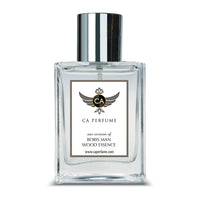
Boris Man Wood Essence — Bvlgari Boris Man Wood Essence Alternative Cologne
5.7
MEI™
Primary Fresh
Secondary Energizing
Confidence
5.38
Presence
5.4
Mood Lift
6.45
Identity
5.6
Warmth
5.8
Social Ease
5.35
Energy
4.75
" I am radiant.
View full mood profile →
HumanSafe™

Top Lemon Zest Fragrances by HumanSafe™ Score

These Lemon Zest-based fragrances have the highest product-level HumanSafe™ scores in this ingredient collection.

Highest HumanSafe™ Score
Boris Man Wood Essence — Bvlgari Boris Man Wood Essence Alternative Cologne
A-
HumanSafe™ Score Generally Safe
Safest Evaluated Ingredients EDP
AQUA Solvent / Carrier ISS 10.0
1,4-DIOXACYCLOHEPTADECANE-5,17-DIONE Evaluated ingredient ISS 10.0
BENZYL SALICYLATE Evaluated ingredient ISS 9.0
4H-INDEN-4-ONE, 1,2,3,5,6,7-HEXAHYDRO-1,1,2,3,3- Evaluated ingredient ISS 9.0
3-CYCLOPENTENE-1-ACETALDEHYDE, 2,2,3-TRIMETHYL-, Evaluated ingredient ISS 9.0
2H-1-BENZOPYRAN-2-ONE Evaluated ingredient ISS 8.0
View full safety profile →
Expert Voices

What Masters Say About Lemon Zest

“
A single touch of lemon zest can transform an entire composition, bringing freshness, balance, and a sparkling first impression to some of perfumery’s most loved creations.
Pairfum Digital
“
Lemon Zest’s complex profile, rich in limonene and citral, makes it an incredibly dynamic and sought-after note in fine perfumery, evoking sunshine and clean energy.
CA Perfume Editorial
Common Questions

Frequently Asked Questions

Answers to common questions about Lemon Zest in perfumery.

Lemon Zest smells sharp, bright, and fruity, with a clean, zesty aroma featuring limonene and citral as primary molecules. It evokes freshly grated lemon peel and sunlit citrus groves, providing an uplifting freshness commonly used in heart notes of citrus blends like Bvlgari Man Wood Essence and Bleu de Chanel Parfum.

Lemon Zest is primarily used as a heart note in perfumery. Its volatility is lower than typical top notes, allowing it to provide a sustained fresh citrus character beyond the initial burst, usually at concentrations below 5%.

Lemon Zest is favored in niche perfumery for its ability to add brightness and vivacity with a complex, dynamic profile. Its natural variability and molecular richness allow perfumers to create unique fresh accords that stand out in sophisticated compositions.

Lemon Zest fragrance uses often include pairing with bergamot, jasmine, sandalwood, vanilla, and musk. These combinations balance its sharpness with floral, woody, or sweet elements, enhancing complexity and longevity.

Yes, Lemon Zest is ideal for summer and hot weather due to its bright, refreshing, and energizing character. However, heat increases volatility, so lighter applications or layering with aquatic notes can optimize wear.

Lemon Zest fragrances typically last 3–5 hours on skin, with longevity influenced by supporting base notes and fixatives that extend the fresh citrus impression.

Absolutely. How to layer Lemon Zest involves combining it with complementary notes like vanilla for sweetness, sandalwood for depth, or jasmine for floral brightness, creating personalized and complex scent profiles.

Beginner-friendly Lemon Zest perfumes include Bvlgari Man Wood Essence and Aura Me’s Lemon Rush, which showcase fresh, balanced citrus accords that are easy to wear and versatile.

Consider your preference for freshness intensity, longevity, and complementary notes. CA Perfume offers a range of Lemon Zest fragrances verified by the HumanSafe™ platform, ensuring quality and transparency.

Lemon Zest primarily smells sharp and bright with a subtle sweet undertone from citral, but it is not spicy. Its freshness can be softened by sweet or floral layers to create a more rounded scent.

Citrus Aromatic Collection

Explore Our Top Lemon Zest Fragrances

Discover a curated selection of fragrances featuring vibrant Lemon Zest notes, perfect for fresh and uplifting scent experiences.

Shop all lemon-zest fragrances at CA Perfume →

Where Lemon Zest Comes From — Origin & Extraction

Lemon Zest is sourced from the outer peel of the lemon fruit, Citrus limon, a hybrid species originating from northeastern India and Burma. Today, major producers include Italy (notably the Amalfi Coast), the United States (California), and Spain. Italy's Amalfi Coast lemons are prized for their sweet-sharp zestiness, benefiting from volcanic soil and Mediterranean climate. California's lemon groves yield bright, full-bodied citrus profiles due to warm temperatures and rich soil. Spain contributes robust, intensely fragrant lemons widely used in both culinary and perfumery applications. Extraction of Lemon Zest oils is primarily achieved through cold pressing, a mechanical process that preserves the volatile aromatic compounds such as limonene (CAS 5989-27-5) and citral (CAS 5392-40-5). This method avoids heat degradation, ensuring the bright, fresh character remains intact. Solvent extraction and supercritical CO2 extraction are also used to obtain lemon absolute, which offers a more complex and variable aroma. Natural Lemon Zest absolute costs approximately $3,000–6,000 per kilogram, reflecting its labor-intensive production and limited yield. Synthetic aroma chemicals replicating lemon zest notes, such as limonene and citral, are produced at significantly lower costs, around $50–200 per kilogram. Sustainability considerations include the environmental impact of citrus agriculture and solvent use in extraction, with increasing interest in CO2 methods to reduce solvent residues.

Famous Fragrances That Define Lemon Zest in Perfumery

Lemon Zest has been a defining note in numerous landmark fragrances, valued for its ability to impart brightness and vivacity. Bvlgari Man Wood Essence (Bvlgari, 2018) by perfumer Alberto Morillas uses Lemon Zest as a bridge note, harmonizing woody and citrus accords to create a fresh yet grounded scent. Bleu de Chanel Parfum (Chanel, 2018), crafted by Jacques Polge and Christopher Sheldrake, features Lemon Zest as a sparkling heart note, enhancing the aromatic freshness alongside grapefruit and incense. Thomas Kosmala’s Après l’Amour (2019) employs Lemon Zest as an accent to soften floral and woody elements, while Rabanne's Phantom (2021) integrates Lemon Zest to add a zesty edge to its aromatic composition. Aura Me’s Lemon Rush (2023) highlights Lemon Zest prominently, pairing it with musk and mandarin for a clean, fresh effect. CA Perfume’s collection embraces this lineage by incorporating Lemon Zest in accords that balance freshness with complexity, reflecting its versatile role in contemporary perfumery.

Natural vs Synthetic Lemon Zest in Perfumery

Natural Lemon Zest absolute is a complex mixture of volatile compounds, primarily limonene, citral, and other terpenes, extracted via cold pressing or solvent extraction. It offers a dynamic and evolving scent profile that can vary with terroir and extraction method. However, natural lemon zest oils tend to have lower longevity and are sensitive to oxidation, limiting their shelf life and projection. Synthetic substitutes include pure limonene (CAS 5989-27-5), citral (CAS 5392-40-5), and citronellal (CAS 106-23-0). These molecules provide consistent, stable, and long-lasting lemon-like freshness with enhanced diffusion and projection. Synthetic lemon aroma chemicals cost significantly less and allow perfumers to achieve precise scent effects unattainable with natural extracts alone. Famous fragrances such as Bleu de Chanel Parfum utilize a blend of natural and synthetic lemon components for balanced freshness and longevity. The HumanSafe™ platform ensures transparency in ingredient sourcing and safety, with CA Perfume favoring a hybrid approach to maximize both authenticity and performance.