Ingredient Guide · Floral Fruity
Floral Fruity Family · Perfumery Note

Japanese Osmanthus

A golden autumnal bloom with apricot, suede, and tea nuances.

Japanese Osmanthus is a heart-to-base note in perfumery, prized for its apricot-like, floral, and suede-soft character. Its key aroma molecules—gamma-decalactone, beta-ionone, and linalool—create a complex, multi-layered scent profile used at 0.5–3% in fine fragrance.

Japanese Osmanthus
Ingredient Profile

Japanese Osmanthus

Floral Fruity Family
Family Floral Fruity
Note Position Base Note
Usage Level 0.5–3% Concentration
Key Origins Japan, China, South Korea
Iconic In Jean Patou 1000, Hermès Osmanthe Yunnan
The Ingredient

What does Japanese Osmanthus smell like and why is it revered in perfumery?

Japanese Osmanthus (Osmanthus fragrans var. aurantiacus, known as kinmokusei in Japan) is celebrated for its paradoxical scent profile: a luminous blend of sweet apricot, ripe peach, and honeyed fruit, underpinned by a subtle suede-leather nuance and a faint tea-like bitterness. This distinctive aroma is driven by key molecules including gamma-decalactone (apricot/peach lactone), beta-ionone (violet/berry), and linalool (floral). Trace amounts of cis-jasmone and damascones add further complexity, giving the flower its signature blend of fruit, floral, and leathery facets. The result is a scent that is simultaneously nostalgic and novel, evoking autumnal air and the fleeting bloom of kinmokusei trees in Japanese cities. In perfumery, Japanese Osmanthus is classified as a heart-to-base note, typically used at concentrations of 0.5–3% of the total composition. Its tenacity and multi-layered character allow it to bridge top citrus notes and deeper woody or amber bases. The osmanthus note interacts with skin chemistry in complex ways: on warmer, more acidic skin, its fruity facets are amplified, while on cooler or more alkaline skin, the leathery and powdery undertones become more pronounced. This variability makes Japanese Osmanthus a favorite among perfumers seeking a nuanced, evolving floral accent. Japanese Osmanthus in perfumery is exemplified by fragrances such as Ormonde Jayne Osmanthus (2004, Geza Schoen), which highlights the tea and citrus facets, and L’Artisan Parfumeur Fleur de Lune (2025), where apricot and suede notes are balanced with soft floral pollen. Both fragrances demonstrate how osmanthus can serve as either a dominant note or a subtle bridge, depending on its concentration and pairing.

1,000:1 Yield
It takes approximately 1,000 kg of fresh osmanthus flowers to produce just 1 kg of absolute, underscoring its rarity and high cost in perfumery.
0.5–3% Concentration
Japanese Osmanthus is typically used at 0.5–3% of a fragrance formula, balancing its tenacity and complexity without overpowering the composition.
6–8 Hours
Osmanthus-centered fragrances generally last 6–8 hours on skin, with the suede and powdery base persisting long after the fruity top notes fade.
Origin & Extraction

Where Japanese Osmanthus Comes From — Origin & Extraction

The scent character of Japanese Osmanthus is shaped by regional soil and climate. Volcanic soils, autumnal humidity, and cool nights in Japan’s Kansai and Kanto regions yield kinmokusei with heightened apricot and suede notes, while Guilin, China, produces osmanthus with a denser, honeyed aroma.

Japanese Osmanthus, botanically Osmanthus fragrans var. aurantiacus, belongs to the Oleaceae family and is native to East Asia, with primary cultivation in China (notably Guilin and Sichuan), Japan (Kansai, Kanto, and Kyushu regions), and South Korea. In Japan, kinmokusei is a cultural icon, blooming in mid-autumn and perfuming entire neighborhoods for a brief window—sometimes as short as one day in northern regions. The Aurantiacus cultivar, with its deep orange flowers, is most prized for fragrance extraction due to its high concentration of volatile aroma compounds. Extraction of osmanthus for perfumery relies exclusively on solvent extraction, typically using hexane to produce a concrete, followed by ethanol washing to yield the absolute. Steam distillation is not viable, as the delicate flowers lose their aromatic compounds rapidly under heat. The yield is exceptionally low: approximately 1,000 kg of fresh flowers are required to produce 1 kg of absolute, making osmanthus one of the most costly floral materials in perfumery. Market prices for natural osmanthus absolute range from $3,000 to $6,000 per kg, compared to $50–200 per kg for synthetic analogues. China accounts for over 90% of global osmanthus absolute production, but Japanese kinmokusei is highly sought after for its nuanced aroma, though rarely exported at scale. Sustainability is a growing concern: wild harvesting is discouraged in favor of cultivated groves, and some fragrance houses are exploring biotechnology to replicate key osmanthus molecules. The brief, weather-dependent bloom and labor-intensive hand-harvesting contribute to the rarity and value of Japanese Osmanthus in perfumery.

JP

Japan

Kansai and Kanto regions are famed for kinmokusei (Osmanthus fragrans var. aurantiacus), blooming in mid-autumn. Volcanic soils and cool, humid nights intensify the apricot-suede aroma. Japanese osmanthus is rarely exported, with most production for domestic use in perfumery and culinary traditions.

CN

China

Guilin (Guangxi) and Sichuan are global centers for osmanthus cultivation, producing over 90% of the world’s absolute. Guilin’s limestone-rich soils and subtropical climate yield osmanthus with pronounced honey and floral notes. Annual production exceeds 10 metric tons of absolute.

KR

South Korea

Jeolla and Gyeongsang provinces grow osmanthus for both tea and fragrance. Korean osmanthus is lighter, with a fresh, green-floral profile. Production is smaller, focused on local markets and traditional uses.

FR

France

Grasse imports osmanthus absolute for high-end perfumery. French houses blend Chinese and Japanese osmanthus, seeking balance between apricot, floral, and leather facets. No domestic cultivation; focus is on blending and extraction expertise.

Chemistry

Natural vs Synthetic Japanese Osmanthus in Perfumery

Natural Japanese Osmanthus absolute is chemically complex, with gamma-decalactone (CAS 706-14-9), beta-ionone (CAS 14901-07-6), and linalool (CAS 78-70-6) as principal aroma molecules. Synthetic osmanthus accords are constructed using a combination of gamma-decalactone for the apricot-peach note, ionones and damascones for violet and berry nuances, and theaspirane (CAS 63500-71-0) for tea-like facets. While natural absolute offers greater olfactory depth and subtlety, synthetics provide consistency, stability, and cost efficiency—$50–200/kg versus $3,000–6,000/kg for the absolute. Performance-wise, natural osmanthus absolute is prized for its tenacity and evolving character, but it can be challenging to work with due to batch variability and potential off-notes from oxidation. Synthetic versions offer greater stability and are widely used in mainstream perfumery, especially where cost or supply chain reliability is a concern. Notable fragrances using natural osmanthus include Ormonde Jayne Osmanthus and L’Artisan Parfumeur Fleur de Lune, while many commercial blends rely on synthetic accords. Sustainability and transparency are increasingly prioritized: the HumanSafe™ platform verifies sourcing and allergen disclosure for both natural and synthetic osmanthus materials. CA Perfume’s approach emphasizes traceability and responsible sourcing, favoring sustainable cultivation and full ingredient transparency.

Natural
Japanese Osmanthus Absolute
Cost $3,000–6,000/kg
Method Solvent / CO₂
Character Complex, variable
vs
Synthetic
Safranal & Analogues
Cost $50–200/kg
Method Lab synthesis
Character Consistent, stable
Hall of Fame

Famous Fragrances That Define Japanese Osmanthus in Perfumery

1972
dominant note

Jean Patou 1000

Jean Patou
by Jean Kerléo
Rose de MaiJasmineIris
2005
bridge note

Hermès Osmanthe Yunnan

Hermès
by Jean-Claude Ellena
TeaApricotLeather
2004
dominant note

Ormonde Jayne Osmanthus

Ormonde Jayne
by Geza Schoen
PomeloDavanaJasmine Sambac
2025
dominant note

L’Artisan Parfumeur Fleur de Lune

L’Artisan Parfumeur
ApricotSuedeFloral pollen
2023
accent

Gucci The Alchemist’s Garden Osmanthus Nectar

Gucci
by Natalie Lorson
TeaApricotWoody notes
2025
heart note

Virelle Japanese Osmanthus

Virelle
Orange BlossomOrrisVanillaPatchouli

Japanese Osmanthus has inspired a lineage of fragrances that showcase its apricot, suede, and tea-like facets. Jean Patou 1000 (1972, Jean Kerléo) was among the first to use osmanthus absolute, pairing it with rose de mai and jasmine for a jewel-box floral effect. Hermès Osmanthe Yunnan (2005, Jean-Claude Ellena) introduced a translucent osmanthus-tea accord, highlighting the flower’s green and leathery sides. Ormonde Jayne Osmanthus (2004, Geza Schoen) offers a modern interpretation, blending Japanese osmanthus with pomelo, davana, and jasmine sambac for a bright, tea-inspired floral. L’Artisan Parfumeur Fleur de Lune (2025) presents a limited-edition soliflore with pronounced apricot and suede notes, while Gucci The Alchemist’s Garden Osmanthus Nectar (2023, Natalie Lorson) uses Nature Print® technology to capture the flower’s fruity-leather signature. Japanese Osmanthus also features in niche launches such as Virelle Japanese Osmanthus (2025), where it is paired with orange blossom, orris, and vanilla for a floral-amber profile. CA Perfume’s collection draws on this tradition, offering osmanthus-centered compositions that emphasize transparency and ingredient integrity.

The Accord

How is a captivating Japanese Osmanthus accord crafted?

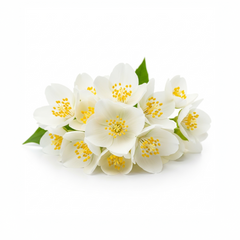
A Japanese Osmanthus accord typically blends Osmanthus absolute (30–35%), Apricot or Peach lactones (20–25%), Jasmine absolute (20–25%), and Suede or Leather accord (20–25%). Osmanthus provides the core apricot-leather character via gamma-decalactone and ionones. Apricot/peach lactones amplify the fruity facet, jasmine introduces floral indole and linalool for radiance, and suede/leather accords (using isobutyl quinoline or soft musks) reinforce the soft, animalic undertone.

35%

Japanese Osmanthus Absolute

30–35% of blend

Provides the core apricot, peach, and suede-leather aroma via gamma-decalactone, beta-ionone, and linalool. Essential for the signature kinmokusei profile.

25%

Apricot/Peach Lactones

20–25% of blend

Gamma-undecalactone and related lactones reinforce the fruity, juicy top note and extend the osmanthus’s natural apricot impression.

25%

Jasmine Absolute

20–25% of blend

Adds floral radiance and complexity through linalool and indole, echoing the natural floral heart of osmanthus.

25%

Suede/Leather Accord

20–25% of blend

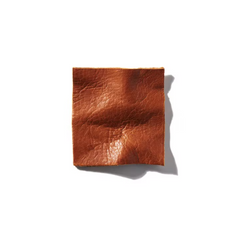
Softens the fruitiness and adds depth with isobutyl quinoline and musks, mirroring the suede-like undertone of kinmokusei.

The Olfactory Layers

How Japanese Osmanthus Evolves on Skin

Japanese Osmanthus fragrances evolve from bright, fruity-citrus top notes to a velvety, apricot-floral heart, finishing with a suede-leather drydown. Gamma-decalactone and linalool evaporate quickly, while ionones and musks anchor the base for hours.

I
Top notes
0–15 min
Apricot Radiance

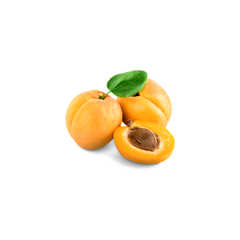
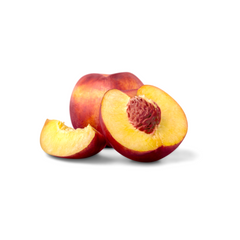
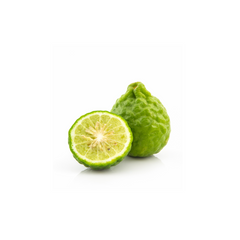
The opening reveals a burst of apricot, peach, and citrus—primarily from gamma-decalactone and linalool. These high-volatility compounds create an immediate impression of juicy fruit and floral brightness, often supported by bergamot or mandarin. The effect is luminous but fleeting, as these molecules evaporate rapidly.

ApricotCitrusBright
II
Heart notes
20–60 min
Floral Suede

The heart is dominated by osmanthus absolute, where beta-ionone, cis-jasmone, and damascones emerge. These molecules provide a floral-violet and tea nuance, with the signature suede-leather undertone developing as the fruitiness softens. Jasmine or other white florals may amplify the radiance and complexity.

FloralTea-likeSuede
III
Base notes
Several hours
Powdered Warmth

The drydown is anchored by musks, patchouli, and soft woods, with the osmanthus’s leathery and powdery facets lingering. Isobutyl quinoline and musky fixatives extend the suede impression, while benzoin or vanilla may add warmth and subtle sweetness. The scent remains soft, powdery, and subtly spicy for hours.

SuedePowderyWarm
TOP NOTES Apricot Radiance 0–15 minutes HEART NOTES Floral Suede 20–60 minutes BASE NOTES Powdered Warmth Several hours
Through the Ages

The Story of Japanese Osmanthus in Perfumery

Japanese Osmanthus has a rich history, from ancient moon legends to its modern role in niche perfumery.

Edo Period (1603–1868)

Kinmokusei Introduced to Japan

Osmanthus fragrans var. aurantiacus is introduced from China to Japan, where it becomes known as kinmokusei. The flower is celebrated in poetry and autumn festivals, symbolizing nostalgia and the fleeting beauty of the season.

1920s

Early Use in French Perfumery

French perfumers experiment with osmanthus tinctures, though the absolute remains rare. Jean Patou 1000 (1972) later becomes a benchmark for osmanthus in Western fragrance.

1972

Jean Patou 1000 Launches

Jean Kerléo creates Jean Patou 1000, one of the first major fragrances to feature osmanthus absolute, paired with rose de mai and jasmine for a jewel-box floral effect.

2005

Hermès Osmanthe Yunnan Debuts

Jean-Claude Ellena’s Hermès Osmanthe Yunnan introduces a translucent osmanthus-tea accord, highlighting the flower’s green and leathery sides and sparking renewed interest in osmanthus among niche perfumers.

2025

L’Artisan Parfumeur Fleur de Lune

L’Artisan Parfumeur releases Fleur de Lune, a limited-edition soliflore that captures the apricot and suede signature of Japanese kinmokusei. The fragrance exemplifies the modern soliflore trend and the technical challenges of working with osmanthus absolute.

The Art of Layering

How to Layer Japanese Osmanthus

Understanding how to layer Japanese Osmanthus involves molecular compatibility: lactones, ionones, and musks interact to create seamless transitions. Knowing how to layer Japanese Osmanthus unlocks new olfactory dimensions.

01

Enhance Fruity Brightness

Layer with citrus (bergamot, mandarin) or green tea notes. Citrus aldehydes and green tea’s theaspirane create a molecular bridge with osmanthus’s lactones, amplifying the apricot and peach facets. Ormonde Jayne Osmanthus and Hermès Osmanthe Yunnan both demonstrate this synergy.

02

Deepen Suede and Leather

Pair with soft leather or suede accords (isobutyl quinoline, musks) to reinforce the kinmokusei’s signature drydown. This combination enhances the powdery, animalic undertone, as seen in L’Artisan Parfumeur Fleur de Lune.

03

Add Floral Complexity

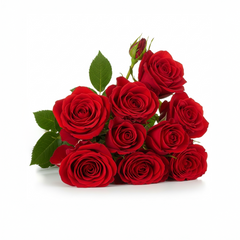
Layer with jasmine, rose, or ylang-ylang. Shared indole and linalool molecules create a seamless floral heart, expanding the radiance and longevity of osmanthus. Jean Patou 1000 is a classic example of this floral synergy.

Wear It Right

How to Wear Japanese Osmanthus Like a Pro

Seasonal Guide

Fall & Winter

Cool, dry air slows the evaporation of volatile lactones and ionones, preserving the suede and powdery base. Apply to pulse points and under clothing for a cocooning, long-lasting effect. The autumnal character of kinmokusei is especially evocative in these seasons.

Spring

Mild temperatures allow both fruity and floral facets to shine. Apply lightly to neck and wrists to experience the full evolution from apricot top notes to floral heart. Humidity can amplify the tea-like nuance.

Summer

Heat increases volatility, causing the fruity top notes to dominate and fade quickly. Apply sparingly to avoid overwhelming projection, and consider layering with green or citrus notes for freshness.

Year-Round Tip

Layer Japanese Osmanthus with woody or musky bases to anchor its volatility in warm weather, or with citrus and tea notes for added brightness in cooler months. Adjust application to pulse points for optimal diffusion.

Application Points

Strategic application enhances Japanese Osmanthus’s nuanced evolution. Pulse points and hair maximize projection and longevity.

1

Neck

Applying to the neck leverages body heat to accelerate the fruity top note diffusion, allowing the apricot and peach facets to bloom before settling into the suede heart.

2

Behind the Ears

This area retains warmth and moisture, extending the longevity of osmanthus’s powdery and floral heart. Subtle sillage is maintained throughout the day.

3

Inner Wrists

Pulse points on the wrists intensify the scent’s evolution, with frequent movement aiding in projection and the transition from fruit to floral-leather.

4

Hair

Spraying on hair or a hairbrush allows osmanthus’s lighter molecules to diffuse gradually, prolonging the apricot and tea-like notes with every movement.

★

Pro Tip

Layer Japanese Osmanthus over a musky or woody base lotion to anchor its volatility and enhance the suede drydown, especially in warm climates.

Mood Architecture™

Top Japanese Osmanthus Fragrances by Mood Score

These Japanese Osmanthus-based fragrances scored highest on the MEI™ Mood Architecture Framework — measuring how a scent may influence your emotional state.

Highest MEI Score
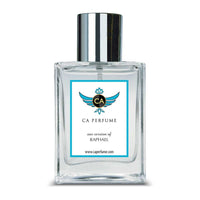
Raphael — Ralph Alternative Perfume
#1
Raphael — Ralph Alternative Perfume
Starting from $14.99
6.1
MEI™
Primary Fresh
Secondary Romantic
Confidence
5.65
Presence
5.8
Mood Lift
6.72
Identity
6.5
Warmth
5.9
Social Ease
6.72
Energy
2.88
" I am radiant.
View full mood profile →
HumanSafe™

Top Japanese Osmanthus Fragrances by HumanSafe™ Score

These Japanese Osmanthus-based fragrances have the highest product-level HumanSafe™ scores in this ingredient collection.

Highest HumanSafe™ Score
Raphael — Ralph Alternative Perfume
#1
Raphael — Ralph Alternative Perfume
Starting from $14.99
A-
HumanSafe™ Score Generally Safe
Safest Evaluated Ingredients EDP
OXACYCLOHEPTADEC-10-EN-2-ONE Evaluated ingredient ISS 10.0
AQUA Solvent / Carrier ISS 10.0
ACETIC ACID, PHENYLMETHYL ESTER Evaluated ingredient ISS 10.0
7-OCTEN-2-OL, 2,6-DIMETHYL- Evaluated ingredient ISS 9.0
3-CYCLOPENTENE-1-ACETALDEHYDE, 2,2,3-TRIMETHYL-, Evaluated ingredient ISS 9.0
3-DECEN-5-OL, 4-METHYL- Evaluated ingredient ISS 8.0
View full safety profile →
Expert Voices

What Masters Say About Japanese Osmanthus

“
"Osmanthus’s scent is a paradox: honeyed and luminous, yet with a leathery undertone that lends it mystery and depth."
Victoria Frolova, Bois de Jasmin
“
Japanese Osmanthus’s apricot, suede, and tea-like facets create a multi-layered olfactory experience, evolving uniquely on each wearer’s skin.
CA Perfume Editorial
Common Questions

Frequently Asked Questions

Answers to the most common questions about Japanese Osmanthus in perfumery.

Japanese Osmanthus in perfume is characterized by a luminous blend of apricot and peach, floral pollen, and a signature suede-leather undertone. The scent profile is driven by gamma-decalactone, beta-ionone, and linalool, resulting in a multi-layered experience that evolves from fruity-bright top notes to a powdery, leathery drydown. Notable fragrances such as Ormonde Jayne Osmanthus and L’Artisan Parfumeur Fleur de Lune capture this complexity.

Japanese Osmanthus is primarily classified as a heart-to-base note in perfumery. Its moderate volatility allows it to bridge the transition from bright citrus top notes to deeper woody or amber bases. Typically, osmanthus is used at 0.5–3% concentration, providing both radiance and lasting depth in a composition.

Japanese Osmanthus is favored in niche perfumery for its unique blend of fruity, floral, and suede-leather facets, which cannot be replicated by any other single ingredient. Its rarity, technical complexity, and evolving scent profile make it a signature note for perfumers seeking depth and originality. Niche brands value its ability to evoke nostalgia, autumnal air, and cultural resonance.

Japanese Osmanthus fragrance uses often involve pairing with citrus (bergamot, mandarin), tea, jasmine, rose, and soft leather or suede accords. These combinations enhance the apricot, floral, and powdery facets of osmanthus, creating seamless transitions and expanding the olfactory complexity of the composition.

Japanese Osmanthus can be worn year-round, but in hot weather, its fruity top notes become more pronounced and may evaporate quickly. To optimize performance in summer, apply sparingly and consider layering with green or citrus notes for added freshness. Cooler weather preserves the suede and powdery base, making osmanthus especially evocative in autumn.

Japanese Osmanthus fragrances generally last 6–8 hours on skin, with the suede and powdery base persisting long after the fruity top notes fade. Longevity depends on concentration (Parfum and EDP formats last longest) and skin chemistry, as osmanthus binds well to natural skin oils.

Yes, Japanese Osmanthus is highly versatile for layering. It pairs well with citrus, tea, floral, and leather notes. Layering enhances specific facets—citrus for brightness, leather for depth, and florals for complexity. Molecular compatibility (lactones, ionones, musks) ensures seamless blending and a personalized scent evolution.

Recommended entry points include Ormonde Jayne Osmanthus, Hermès Osmanthe Yunnan, and L’Occitane Osmanthus. These fragrances showcase the apricot, floral, and suede facets of osmanthus in accessible, well-balanced compositions. Sampling decants is advised due to the ingredient’s complexity and cost.

At CA Perfume, filter by concentration (EDP, Parfum), note pyramid (fruity, floral, suede), and complementary ingredients (citrus, jasmine, leather) to find a Japanese Osmanthus fragrance that matches your preferences. All options are HumanSafe™ verified for ingredient transparency and allergen disclosure.

Japanese Osmanthus is both sweet and floral, with the sweetness derived from gamma-decalactone (apricot/peach) and the floral aspect from linalool and beta-ionone. The scent profile balances fruit, floral, and suede-leather nuances, making it versatile and appealing to a wide range of fragrance preferences.

Floral Fruity Collection

Explore Our Top Japanese Osmanthus Fragrances

Discover the most sought-after Japanese Osmanthus perfumes, each highlighting the apricot, floral, and suede nuances of kinmokusei. Curated for both newcomers and connoisseurs.

Shop all japanese osmanthus fragrances at CA Perfume →

Where Japanese Osmanthus Comes From — Origin & Extraction

Japanese Osmanthus, botanically Osmanthus fragrans var. aurantiacus, belongs to the Oleaceae family and is native to East Asia, with primary cultivation in China (notably Guilin and Sichuan), Japan (Kansai, Kanto, and Kyushu regions), and South Korea. In Japan, kinmokusei is a cultural icon, blooming in mid-autumn and perfuming entire neighborhoods for a brief window—sometimes as short as one day in northern regions. The Aurantiacus cultivar, with its deep orange flowers, is most prized for fragrance extraction due to its high concentration of volatile aroma compounds. Extraction of osmanthus for perfumery relies exclusively on solvent extraction, typically using hexane to produce a concrete, followed by ethanol washing to yield the absolute. Steam distillation is not viable, as the delicate flowers lose their aromatic compounds rapidly under heat. The yield is exceptionally low: approximately 1,000 kg of fresh flowers are required to produce 1 kg of absolute, making osmanthus one of the most costly floral materials in perfumery. Market prices for natural osmanthus absolute range from $3,000 to $6,000 per kg, compared to $50–200 per kg for synthetic analogues. China accounts for over 90% of global osmanthus absolute production, but Japanese kinmokusei is highly sought after for its nuanced aroma, though rarely exported at scale. Sustainability is a growing concern: wild harvesting is discouraged in favor of cultivated groves, and some fragrance houses are exploring biotechnology to replicate key osmanthus molecules. The brief, weather-dependent bloom and labor-intensive hand-harvesting contribute to the rarity and value of Japanese Osmanthus in perfumery.

Famous Fragrances That Define Japanese Osmanthus in Perfumery

Japanese Osmanthus has inspired a lineage of fragrances that showcase its apricot, suede, and tea-like facets. Jean Patou 1000 (1972, Jean Kerléo) was among the first to use osmanthus absolute, pairing it with rose de mai and jasmine for a jewel-box floral effect. Hermès Osmanthe Yunnan (2005, Jean-Claude Ellena) introduced a translucent osmanthus-tea accord, highlighting the flower’s green and leathery sides. Ormonde Jayne Osmanthus (2004, Geza Schoen) offers a modern interpretation, blending Japanese osmanthus with pomelo, davana, and jasmine sambac for a bright, tea-inspired floral. L’Artisan Parfumeur Fleur de Lune (2025) presents a limited-edition soliflore with pronounced apricot and suede notes, while Gucci The Alchemist’s Garden Osmanthus Nectar (2023, Natalie Lorson) uses Nature Print® technology to capture the flower’s fruity-leather signature. Japanese Osmanthus also features in niche launches such as Virelle Japanese Osmanthus (2025), where it is paired with orange blossom, orris, and vanilla for a floral-amber profile. CA Perfume’s collection draws on this tradition, offering osmanthus-centered compositions that emphasize transparency and ingredient integrity.

Natural vs Synthetic Japanese Osmanthus in Perfumery

Natural Japanese Osmanthus absolute is chemically complex, with gamma-decalactone (CAS 706-14-9), beta-ionone (CAS 14901-07-6), and linalool (CAS 78-70-6) as principal aroma molecules. Synthetic osmanthus accords are constructed using a combination of gamma-decalactone for the apricot-peach note, ionones and damascones for violet and berry nuances, and theaspirane (CAS 63500-71-0) for tea-like facets. While natural absolute offers greater olfactory depth and subtlety, synthetics provide consistency, stability, and cost efficiency—$50–200/kg versus $3,000–6,000/kg for the absolute. Performance-wise, natural osmanthus absolute is prized for its tenacity and evolving character, but it can be challenging to work with due to batch variability and potential off-notes from oxidation. Synthetic versions offer greater stability and are widely used in mainstream perfumery, especially where cost or supply chain reliability is a concern. Notable fragrances using natural osmanthus include Ormonde Jayne Osmanthus and L’Artisan Parfumeur Fleur de Lune, while many commercial blends rely on synthetic accords. Sustainability and transparency are increasingly prioritized: the HumanSafe™ platform verifies sourcing and allergen disclosure for both natural and synthetic osmanthus materials. CA Perfume’s approach emphasizes traceability and responsible sourcing, favoring sustainable cultivation and full ingredient transparency.