Ingredient Guide · Citrus
Citrus Family · Perfumery Note

Italian Orange

Vivid, juicy, and effervescent — the essence of Mediterranean citrus.

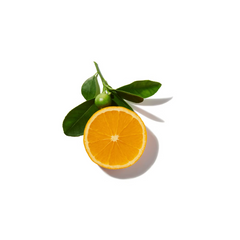
Italian Orange is a top note in perfumery, prized for its luminous, juicy, and zesty character. Its essential oil, cold-expressed from Citrus sinensis peel, is dominated by limonene (up to 95%), imparting a sparkling citrus freshness at concentrations of 2–10% in compositions.

Italian Orange
Ingredient Profile

Italian Orange

Citrus Family
Family Citrus
Note Position Top Note
Usage Level 2–10% of formula
Key Origins Italy, Brazil, United States
Iconic In Arancia di Capri, Dior Homme Parfum
The Ingredient

What does Italian Orange smell like and why is it so prized in perfumery?

Italian Orange, derived from the peel of Citrus sinensis cultivated in Italy, is renowned in perfumery for its vivid, juicy, and effervescent scent. The primary molecular contributor to its aroma is (R)-limonene (CAS 5989-27-5), which can comprise 90–96% of the essential oil. This compound is responsible for the unmistakable bright, sweet-citrus character, while minor constituents such as myrcene, linalool, and decanal add subtle green, floral, and waxy nuances. The overall Italian Orange scent profile is described as sparkling, zesty, juicy, and slightly sweet, with a clean, sun-drenched freshness that is instantly recognizable. This makes it a cornerstone for the question: what does Italian Orange smell like? In perfumery, Italian Orange is classified as a top note due to its high volatility and rapid evaporation rate. It is typically used at concentrations ranging from 2–10% of the total formula, imparting an immediate burst of freshness that defines the opening of many citrus, floral, and cologne-style fragrances. Its interaction with skin chemistry is notable: on warmer, more acidic skin, the volatile terpenes may dissipate faster, while on cooler or less acidic skin, the note can linger slightly longer. Italian Orange in perfumery is often paired with other citrus oils, aromatic herbs, and light florals to amplify its radiant effect. Several iconic fragrances showcase Italian Orange’s impact. Acqua di Parma’s Arancia di Capri (1999, perfumer Bertrand Duchaufour) uses Italian Orange as a dominant top note, supported by mandarin and lemon for a photorealistic Mediterranean citrus accord. Dior Homme Parfum (2014, François Demachy) employs Italian Orange to provide a juicy, vibrant opening that segues into leathery and woody depths. These examples illustrate how Italian Orange defines the opening moments and sets the tone for both classic and modern compositions.

2–10% of formula
Typical concentration of Italian Orange oil in fragrance compositions, providing a vivid, juicy top note without overpowering the blend.
0.3–0.5% yield
Essential oil yield from cold-expressed orange peel by weight, reflecting the efficiency of the extraction process.
5–8% global share
Italy’s contribution to global orange oil production, with Sicily and Calabria recognized for premium quality in fine fragrance.
Origin & Extraction

Where Italian Orange Comes From — Origin & Extraction

The terroir of Italian Orange is defined by Mediterranean climate, volcanic soils, and traditional cultivation in Sicily and Calabria. These conditions yield oranges with higher limonene and subtle floral undertones, prized in fine perfumery.

Italian Orange essential oil is obtained from the peel of Citrus sinensis L. Osbeck, a member of the Rutaceae family. Italy, particularly Sicily and Calabria, is renowned for producing high-quality orange oil for fine perfumery, with Sicily alone accounting for approximately 5–8% of global sweet orange oil production (global output: ~60,000 metric tons/year, with Brazil and the USA as the largest producers). Italian Orange is prized for its nuanced aroma, attributed to the unique volcanic soils and Mediterranean climate of southern Italy. Extraction is performed by cold expression (mechanical pressing) of the fresh fruit peel, a process that preserves the delicate, volatile aromatic compounds. The peel is separated from the fruit, then subjected to mechanical abrasion and centrifugation to separate the essential oil from juice and pulp. No heat is applied, which prevents degradation of limonene and preserves the true-to-fruit scent. Typical yield is 0.3–0.5% by weight of fresh peel. The resulting oil is clear to pale orange, with a refractive index of 1.470–1.474 at 20°C. Natural Italian Orange oil costs approximately $20–40/kg (2026 market), while synthetic limonene (nature-identical, CAS 5989-27-5) is available for $6–12/kg. Sustainability concerns include the need for integrated pest management and responsible water use in citrus groves. Most Italian producers are shifting toward organic and low-input agriculture to maintain soil health and biodiversity. The essential oil is a byproduct of the juice industry, making its production relatively resource-efficient compared to other perfumery materials.

IT

Italy

Sicily and Calabria produce premium orange oil for perfumery, with volcanic soils and warm, dry summers yielding fruit rich in limonene and nuanced floral notes. Italy supplies 5–8% of global orange oil, with strict quality standards for essential oil destined for fragrance.

BR

Brazil

São Paulo state is the world’s largest orange oil producer (~70% global share), but the oil is typically less nuanced than Italian due to different soil and climate. Used mainly for industrial and flavor applications.

US

United States

Florida and California produce significant orange oil volumes, with Florida’s sandy soils yielding a sweeter, less zesty oil. US production is primarily for food and beverage, with some perfumery use.

ES

Spain

Valencia and Andalusia regions grow oranges for both juice and essential oil. Spanish orange oil is bright and juicy, with a slightly greener undertone compared to Italian.

Chemistry

Natural vs Synthetic Italian Orange in Perfumery

Natural Italian Orange oil is a complex mixture dominated by (R)-limonene (CAS 5989-27-5), with minor components such as myrcene (CAS 123-35-3), linalool (CAS 78-70-6), and decanal (CAS 112-31-2) contributing to its nuanced scent. Synthetic alternatives typically use pure limonene, sometimes blended with nature-identical linalool and citral (CAS 5392-40-5) to mimic the complexity of the natural oil. Synthetic versions offer greater batch-to-batch consistency, improved stability, and reduced allergen content, but may lack the subtle green and floral undertones of true Italian Orange oil. Performance-wise, synthetic limonene provides similar volatility and projection but can feel flatter and less dimensional compared to the natural extract. Cost is a major differentiator: natural Italian Orange oil ranges from $20–40/kg, while synthetic limonene is $6–12/kg. Notable fragrances such as Acqua di Parma Colonia (1916) and Atelier Cologne Orange Sanguine (2010, Ralf Schwieger) use natural Italian Orange oil for authenticity, while many mainstream colognes employ synthetic blends for cost and stability. Sustainability is a key factor: synthetics reduce pressure on citrus agriculture and offer a lower carbon footprint. CA Perfume’s HumanSafe™ platform provides full transparency on sourcing, ensuring that both natural and synthetic Italian Orange ingredients meet rigorous safety and traceability standards.

Natural
Italian Orange Absolute
Cost $3,000–6,000/kg
Method Solvent / CO₂
Character Complex, variable
vs
Synthetic
Safranal & Analogues
Cost $50–200/kg
Method Lab synthesis
Character Consistent, stable
Hall of Fame

Famous Fragrances That Define Italian Orange in Perfumery

1999
dominant note

Arancia di Capri

Acqua di Parma
by Bertrand Duchaufour
MandarinLemonCardamomCaramelMusk
2014
accent note

Dior Homme Parfum

Dior
by François Demachy
Tuscan IrisLeatherSandalwoodCedar
2010
dominant note

Orange Sanguine

Atelier Cologne
by Ralf Schwieger
Bitter OrangeJasmineGeraniumSandalwood
2015
bridge note

Symphonium

Xerjoff
by Chris Maurice
ChocolateOudVanillaMusk
2018
dominant note

Orange x Santal

Essential Parfums
by Nathalie Gracia-Cetto
SandalwoodBasilOakmoss

Italian Orange has been a defining top note in both classic and contemporary fragrance compositions. Acqua di Parma Arancia di Capri (1999, Bertrand Duchaufour) is a benchmark, using Italian Orange as the dominant opening note, paired with mandarin and lemon to evoke the Mediterranean coast. Dior Homme Parfum (2014, François Demachy) features Italian Orange in the top, providing a juicy, photorealistic citrus burst that transitions into iris and leather. Atelier Cologne Orange Sanguine (2010, Ralf Schwieger) is renowned for its hyper-realistic orange note, achieved through a high concentration of natural Italian Orange oil, supported by geranium and sandalwood. Xerjoff Symphonium (2015, Chris Maurice) uses Italian Orange to balance dark chocolate and oud, demonstrating its versatility beyond fresh colognes. Essential Parfums Orange x Santal (2018, Nathalie Gracia-Cetto) combines Italian Orange with sandalwood and basil for a modern, creamy citrus-woody accord. CA Perfume’s collection draws inspiration from this lineage, offering Italian Orange-centered fragrances that highlight both its sparkling freshness and its ability to bridge into floral, woody, or gourmand structures.

The Accord

How is a captivating Italian Orange accord crafted?

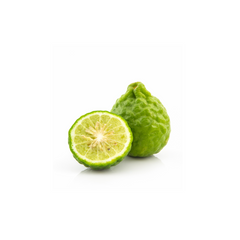
A classic Italian Orange accord balances citrus brightness with aromatic, floral, and woody facets. Typical proportions: Italian Orange 30–35%, Bergamot 20–25%, Neroli 20–25%, Sandalwood 20–25%. Bergamot amplifies the zesty freshness via shared limonene and linalool. Neroli introduces floral-green nuances through linalool and nerolidol, while sandalwood provides creamy, long-lasting support, smoothing the volatility of the citrus top.

35%

Italian Orange

30–35% of blend

Provides the juicy, sweet, photorealistic citrus top via high limonene content; forms the accord’s vivid opening.

25%

Bergamot

20–25% of blend

Adds tart, slightly bitter freshness; its linalool and limonene reinforce the citrus sparkle and extend the top note.

25%

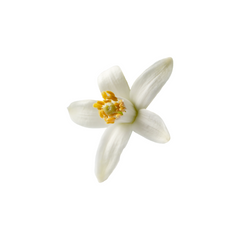
Neroli

20–25% of blend

Brings floral-green facets and subtle indolic warmth; linalool and nerolidol bridge citrus and floral notes for complexity.

25%

Sandalwood

20–25% of blend

Acts as a creamy, woody fixative; santalol molecules slow citrus evaporation, prolonging the accord’s radiance.

The Olfactory Layers

How Italian Orange Evolves on Skin

Italian Orange’s olfactory evolution is rapid: the top note projects for 10–20 minutes, dominated by highly volatile monoterpenes (limonene, myrcene). As these evaporate, floral and woody heart and base notes emerge, with the citrus brightness lingering as a subtle accent.

I
Top notes
0–15 min
Juicy Citrus Burst

A vivid burst of juicy, sweet orange, driven by limonene’s high volatility (boiling point 176°C). Subtle green and zesty facets from myrcene and decanal add realism. The initial impression is photorealistic, sparkling, and effervescent.

Juicy CitrusZestyEffervescent
II
Heart notes
20–60 min
Floral Citrus Veil

As the top fades, floral and slightly waxy nuances emerge from linalool and decanal, with neroli or jasmine often supporting. The citrus remains as a soft, sweet echo, blending with aromatic or floral heart notes.

Floral CitrusSoftGreen
III
Base notes
Several hours
Creamy Citrus Residue

The citrus brightness recedes, leaving a faint sweet, resinous trace. Woody and musky fixatives (e.g., sandalwood, musk) anchor the composition, while trace aldehydes from the orange oil may contribute a subtle creamy finish.

CreamyWoodySubtle Sweetness
TOP NOTES Juicy Citrus Burst 0–15 minutes HEART NOTES Floral Citrus Veil 20–60 minutes BASE NOTES Creamy Citrus Residue Several hours
Through the Ages

The Story of Italian Orange in Perfumery

Italian Orange has shaped perfumery from the early days of Eau de Cologne to modern niche compositions, with each era refining its extraction and olfactory use.

16th Century

Introduction to the Mediterranean

Sweet orange (Citrus sinensis) is introduced to Italy from Asia via Portuguese and Spanish trade routes, quickly becoming a symbol of abundance and luxury in Italian gardens.

1916

Acqua di Parma Colonia Launch

Acqua di Parma releases Colonia, a fragrance built on Sicilian citrus including Italian Orange, establishing the citrus cologne as an icon of Italian style.

1950s

Industrialization of Citrus Oil Extraction

Cold expression and centrifugation methods are refined in Sicily and Calabria, allowing for large-scale, high-quality orange oil production for perfumery.

1999

Arancia di Capri Debuts

Acqua di Parma launches Arancia di Capri, showcasing Italian Orange as the star note and inspiring a new wave of Mediterranean citrus fragrances.

2010s–2020s

Niche and Gourmand Citrus

Fragrances like Atelier Cologne Orange Sanguine (2010) and Xerjoff Symphonium (2015) use Italian Orange in innovative pairings, from photorealistic colognes to gourmand blends with chocolate and oud.

The Art of Layering

How to Layer Italian Orange

Understanding how to layer Italian Orange is key to creating a signature scent. At a molecular level, limonene and linalool in Italian Orange harmonize with floral, woody, and spicy notes via shared terpenoid pathways and olfactory masking.

01

Enhance Floral Radiance

Layer Italian Orange with neroli or jasmine fragrances. Linalool and nerolidol in both notes create a seamless, radiant floral-citrus bridge. This synergy is exemplified in Atelier Cologne Orange Sanguine, where orange and jasmine blend for a luminous, long-lasting effect.

02

Deepen with Woods

Pair Italian Orange with sandalwood or cedar-based scents. The creamy, high-molecular-weight santalol in sandalwood slows the evaporation of limonene, extending the citrus impression and adding depth, as seen in Essential Parfums Orange x Santal.

03

Add Gourmand Warmth

Combine Italian Orange with vanilla or chocolate notes. Vanillin’s sweet threshold masks the sharpness of limonene, creating a rounded, gourmand effect. Xerjoff Symphonium demonstrates this, balancing orange with dark chocolate and oud.

Wear It Right

How to Wear Italian Orange Like a Pro

Seasonal Guide

Fall & Winter

In cooler weather, Italian Orange’s volatility is suppressed, resulting in a softer, more subdued projection. Layer with woody or spicy notes to enhance warmth and longevity. Apply to pulse points under clothing for a subtle, uplifting effect.

Spring

Spring’s moderate temperatures allow Italian Orange to shine, with balanced diffusion and a natural, sunlit freshness. Pair with florals or green notes for a light, invigorating signature. Apply to exposed skin for optimal projection.

Summer

Heat increases molecular volatility, causing Italian Orange to project intensely but fade quickly. Reapply as needed, and consider layering with neroli or aquatic notes for a refreshing, long-lasting effect. Avoid direct sun exposure if using high concentrations.

Year-Round Tip

For consistent performance, apply Italian Orange fragrances to well-moisturized skin and layer with complementary notes. Adjust application frequency based on temperature and humidity to maintain the desired sillage.

Application Points

Strategic application enhances Italian Orange’s projection and longevity, leveraging pulse points and layering techniques.

1

Neck

Pulse points on the neck emit heat, accelerating the evaporation of limonene and amplifying the citrus burst. Ideal for immediate freshness.

2

Behind the Ears

This area is less exposed to sunlight and heat, allowing the citrus note to linger and evolve gradually, revealing floral and creamy undertones.

3

Inner Wrists

Frequent movement and warmth enhance diffusion, making the juicy orange note more perceptible. Avoid rubbing to prevent rapid evaporation.

4

Hair

Spraying on hair provides a sustained, gentle release of the citrus aroma, as the oil molecules adhere to hair fibers and evaporate slowly.

Pro Tip

Layer Italian Orange with a moisturizer or unscented oil base to slow evaporation and extend the top note’s presence, especially in dry climates.

Mood Architecture™

Top Italian Orange Fragrances by Mood Score

These Italian Orange-based fragrances scored highest on the MEI™ Mood Architecture Framework — measuring how a scent may influence your emotional state.

Highest MEI Score
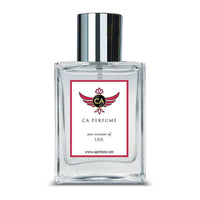
Live — Jennifer Lopez Live Alternative Perfume
6.33
MEI™
Primary Romantic
Secondary Grounding
Confidence
5.05
Presence
5.09
Mood Lift
7.4
Identity
5.14
Warmth
8.66
Social Ease
6.6
Energy
3.4
" I am beautiful.
View full mood profile →
HumanSafe™

Top Italian Orange Fragrances by HumanSafe™ Score

These Italian Orange-based fragrances have the highest product-level HumanSafe™ scores in this ingredient collection.

Highest HumanSafe™ Score
Live — Jennifer Lopez Live Alternative Perfume
A-
HumanSafe™ Score Generally Safe
Safest Evaluated Ingredients EDP
AQUA Solvent / Carrier ISS 10.0
1,4-DIOXACYCLOHEPTADECANE-5,17-DIONE Evaluated ingredient ISS 10.0
BENZYL SALICYLATE Evaluated ingredient ISS 9.0
7-OCTEN-2-OL, 2,6-DIMETHYL- Evaluated ingredient ISS 9.0
LINALOOL Evaluated ingredient ISS 7.0
View full safety profile →
Expert Voices

What Masters Say About Italian Orange

Sweet orange oil is extracted by cold expression from the zest of the sweet orange (Citrus sinensis), without distillation, to preserve its fresh, sweet, zesty notes.
Wikiparfum Ingredient Guide
Italian Orange’s vivid, juicy aroma is driven by limonene, with subtle floral and green undertones shaped by terroir and extraction method.
CA Perfume Editorial
Common Questions

Frequently Asked Questions

Answers to common questions about Italian Orange in perfumery.

Italian Orange in perfume delivers a vivid, juicy, and photorealistic citrus scent. Its primary molecule, limonene, imparts a sweet, zesty, and slightly tangy aroma, while minor components add green and floral nuances. The result is a sparkling, sunlit freshness that defines the top note of many classic and modern fragrances, such as Acqua di Parma Arancia di Capri and Atelier Cologne Orange Sanguine.

Italian Orange is classified as a top note due to its high volatility and rapid evaporation. Its limonene-rich essential oil provides an immediate burst of freshness that typically lasts 10–20 minutes before transitioning to heart and base notes. It is rarely used as a base note, as its molecules dissipate quickly.

Italian Orange is favored in niche perfumery for its photorealistic, juicy citrus profile and its ability to evoke Mediterranean landscapes. Its versatility allows it to bridge fresh, floral, woody, and gourmand accords. Niche brands often use high-quality Italian Orange oil for its nuanced aroma and terroir-driven complexity.

Italian Orange fragrance uses include pairing with bergamot, neroli, jasmine, sandalwood, and vanilla. These notes share molecular affinities (e.g., linalool, santalol) that create harmonious, long-lasting blends. Woody and gourmand notes can also provide contrast and depth.

Yes, Italian Orange is ideal for summer due to its refreshing, uplifting character and high volatility. In hot weather, its projection is amplified, though longevity may be reduced. Reapplication or layering with fixative notes can help maintain the citrus effect throughout the day.

The citrus top note of Italian Orange typically lasts 10–20 minutes, depending on skin chemistry and environmental conditions. In well-constructed compositions, its effect can linger as a subtle accent for up to an hour, especially when anchored by floral or woody heart notes.

Yes, Italian Orange is highly layerable. It blends well with florals (neroli, jasmine), woods (sandalwood, cedar), and gourmands (vanilla, chocolate). Layering enhances complexity and can extend the citrus impression, as demonstrated in fragrances like Xerjoff Symphonium and Essential Parfums Orange x Santal.

Beginner-friendly Italian Orange fragrances include Acqua di Parma Arancia di Capri, Atelier Cologne Orange Sanguine, and Essential Parfums Orange x Santal. These compositions showcase the note’s juicy, photorealistic character in accessible, versatile formats.

Explore CA Perfume’s Italian Orange collection by considering your preferred style: pure citrus, floral-citrus, or citrus-woody. Sample sets allow you to experience different pairings and concentrations, helping you find the blend that best suits your skin chemistry and seasonal preferences.

Italian Orange is both sweet and zesty. The limonene-rich oil provides a juicy, sweet orange impression, while minor terpenes and aldehydes add a zesty, tangy edge. The balance depends on extraction quality and the composition’s supporting notes.

Citrus Collection

Explore Our Top Italian Orange Fragrances

Discover CA Perfume’s most popular Italian Orange-centered fragrances, each capturing the note’s juicy, sunlit brilliance in a range of citrus, floral, and woody compositions.

Shop all Italian Orange fragrances at CA Perfume →

Where Italian Orange Comes From — Origin & Extraction

Italian Orange essential oil is obtained from the peel of Citrus sinensis L. Osbeck, a member of the Rutaceae family. Italy, particularly Sicily and Calabria, is renowned for producing high-quality orange oil for fine perfumery, with Sicily alone accounting for approximately 5–8% of global sweet orange oil production (global output: ~60,000 metric tons/year, with Brazil and the USA as the largest producers). Italian Orange is prized for its nuanced aroma, attributed to the unique volcanic soils and Mediterranean climate of southern Italy. Extraction is performed by cold expression (mechanical pressing) of the fresh fruit peel, a process that preserves the delicate, volatile aromatic compounds. The peel is separated from the fruit, then subjected to mechanical abrasion and centrifugation to separate the essential oil from juice and pulp. No heat is applied, which prevents degradation of limonene and preserves the true-to-fruit scent. Typical yield is 0.3–0.5% by weight of fresh peel. The resulting oil is clear to pale orange, with a refractive index of 1.470–1.474 at 20°C. Natural Italian Orange oil costs approximately $20–40/kg (2026 market), while synthetic limonene (nature-identical, CAS 5989-27-5) is available for $6–12/kg. Sustainability concerns include the need for integrated pest management and responsible water use in citrus groves. Most Italian producers are shifting toward organic and low-input agriculture to maintain soil health and biodiversity. The essential oil is a byproduct of the juice industry, making its production relatively resource-efficient compared to other perfumery materials.

Famous Fragrances That Define Italian Orange in Perfumery

Italian Orange has been a defining top note in both classic and contemporary fragrance compositions. Acqua di Parma Arancia di Capri (1999, Bertrand Duchaufour) is a benchmark, using Italian Orange as the dominant opening note, paired with mandarin and lemon to evoke the Mediterranean coast. Dior Homme Parfum (2014, François Demachy) features Italian Orange in the top, providing a juicy, photorealistic citrus burst that transitions into iris and leather. Atelier Cologne Orange Sanguine (2010, Ralf Schwieger) is renowned for its hyper-realistic orange note, achieved through a high concentration of natural Italian Orange oil, supported by geranium and sandalwood. Xerjoff Symphonium (2015, Chris Maurice) uses Italian Orange to balance dark chocolate and oud, demonstrating its versatility beyond fresh colognes. Essential Parfums Orange x Santal (2018, Nathalie Gracia-Cetto) combines Italian Orange with sandalwood and basil for a modern, creamy citrus-woody accord. CA Perfume’s collection draws inspiration from this lineage, offering Italian Orange-centered fragrances that highlight both its sparkling freshness and its ability to bridge into floral, woody, or gourmand structures.

Natural vs Synthetic Italian Orange in Perfumery

Natural Italian Orange oil is a complex mixture dominated by (R)-limonene (CAS 5989-27-5), with minor components such as myrcene (CAS 123-35-3), linalool (CAS 78-70-6), and decanal (CAS 112-31-2) contributing to its nuanced scent. Synthetic alternatives typically use pure limonene, sometimes blended with nature-identical linalool and citral (CAS 5392-40-5) to mimic the complexity of the natural oil. Synthetic versions offer greater batch-to-batch consistency, improved stability, and reduced allergen content, but may lack the subtle green and floral undertones of true Italian Orange oil. Performance-wise, synthetic limonene provides similar volatility and projection but can feel flatter and less dimensional compared to the natural extract. Cost is a major differentiator: natural Italian Orange oil ranges from $20–40/kg, while synthetic limonene is $6–12/kg. Notable fragrances such as Acqua di Parma Colonia (1916) and Atelier Cologne Orange Sanguine (2010, Ralf Schwieger) use natural Italian Orange oil for authenticity, while many mainstream colognes employ synthetic blends for cost and stability. Sustainability is a key factor: synthetics reduce pressure on citrus agriculture and offer a lower carbon footprint. CA Perfume’s HumanSafe™ platform provides full transparency on sourcing, ensuring that both natural and synthetic Italian Orange ingredients meet rigorous safety and traceability standards.