Where Italian Lemon Comes From — Origin & Extraction
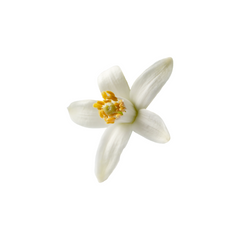
Italian Lemon essential oil is derived from the peel of Citrus limon (L.) Burm., a species native to the Far East but cultivated in the Mediterranean since the 12th century. Italy—particularly Sicily and the Amalfi Coast—remains a leading producer, with the 'Femminello' cultivar accounting for approximately 75% of Italian production. Sicily alone produces around 90% of Italy’s lemon crop, with annual yields exceeding 500,000 metric tons. The Sorrento and Amalfi varieties are prized for their intense aromatic profile, attributed to the region’s volcanic soil and temperate coastal climate.
Extraction is performed by cold expression (mechanical pressing) of the fresh peel, a process that preserves the full complexity of the oil’s volatile compounds. Approximately 1,200 lemons are required to yield 1 kg of essential oil, with typical yields of 4–6% by weight of peel. No heat is applied, as this would degrade citral and other key odorants. Steam distillation is sometimes used for lower-grade oil, but it produces a softer, less complex aroma. The cost of cold-pressed Italian Lemon oil ranges from $30–60/kg, while synthetic lemon aroma chemicals (such as limonene, CAS 138-86-3, and citral, CAS 5392-40-5) are available for $5–15/kg, offering greater consistency and stability.
Sustainability is a growing concern: cold-pressed lemon oil production is energy-intensive and subject to agricultural variability. Italian producers have adopted integrated pest management and organic certification to reduce environmental impact. The use of byproducts (such as lemon juice and pulp) in the food industry further supports circular economy practices. The majority of natural lemon oil used in fine fragrance is sourced from certified groves in Sicily and the Amalfi Coast, with traceability increasingly verified through platforms like HumanSafe™.
Famous Fragrances That Define Italian Lemon in Perfumery
Italian Lemon has been a cornerstone of citrus perfumery since the early 20th century. In Acqua di Parma Colonia (1916), perfumer Carlo Magnani established the archetype of Mediterranean freshness, with Italian Lemon as the dominant top note, supported by lavender and vetiver. Guerlain Eau de Cologne Impériale (1853), composed by Pierre-François-Pascal Guerlain, features Italian Lemon in its opening, paired with bergamot and rosemary for an uplifting, aristocratic effect.
In contemporary perfumery, Dolce & Gabbana Light Blue Italian Zest (2018) by Olivier Cresp showcases Italian Lemon as a sparkling, photorealistic top note, balanced by cedar and apple. Maison Margiela Replica Under the Lemon Trees (2018) uses Italian Lemon to evoke the sensation of a sunlit citrus grove, with green tea and coriander providing aromatic depth. Versace Pour Homme (2008), created by Alberto Morillas, employs Italian Lemon in the opening to create a crisp, aquatic freshness, blending it with neroli and hyacinth.
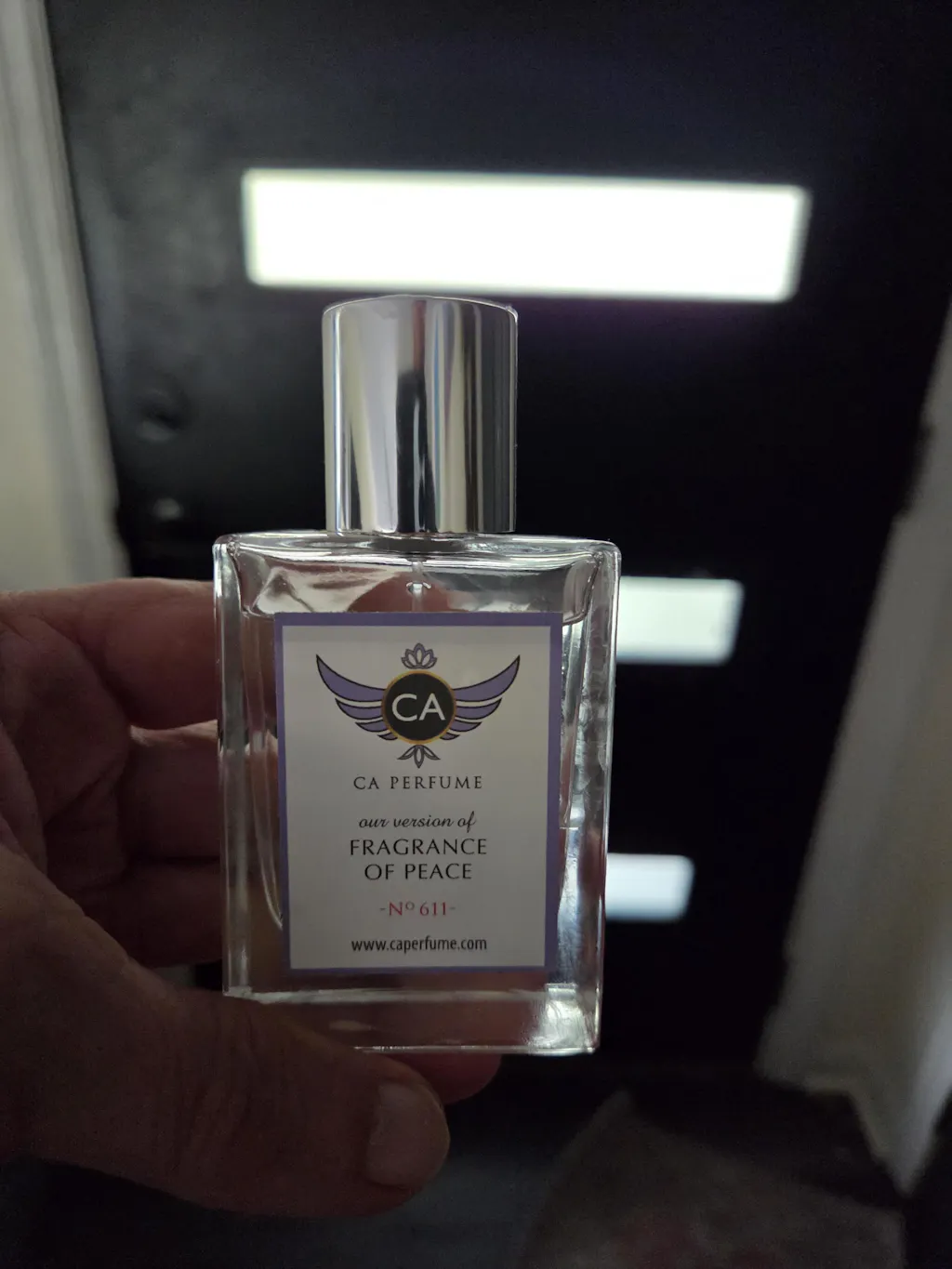
Other notable examples include Mancera Lemon Line (2014), which leverages synthetic and natural lemon for a long-lasting, linear citrus effect, and Chanel Allure Homme Edition Blanche (2008), where Italian Lemon is paired with sandalwood and vanilla for a creamy, gourmand twist. CA Perfume’s collection draws inspiration from this lineage, offering both classic and modern interpretations of Italian Lemon’s effervescent character.
Natural vs Synthetic Italian Lemon in Perfumery
Natural Italian Lemon oil is composed of a complex mixture of volatile compounds, with D-limonene (CAS 138-86-3) as the dominant constituent, accompanied by beta-pinene (CAS 127-91-3), gamma-terpinene (CAS 99-85-4), and citral (CAS 5392-40-5). Synthetic versions typically use isolated limonene and citral, sometimes blended with nature-identical beta-pinene, to replicate the fresh, zesty profile of natural lemon oil. While natural oil offers nuanced complexity and subtle variations based on terroir, synthetics provide greater batch-to-batch consistency, improved stability, and reduced allergenic potential.
Performance-wise, synthetic lemon aroma chemicals are more stable to light and oxidation, resulting in longer shelf life and more predictable behavior in finished fragrances. However, they may lack the subtle, waxy undertones and secondary aldehydes present in cold-pressed oil. Cost is a significant differentiator: natural Italian Lemon oil can cost $30–60/kg, while synthetic limonene and citral are available for $5–15/kg. Notable fragrances such as Acqua di Parma Colonia and Guerlain Eau de Cologne Impériale use natural Italian Lemon oil, while many mainstream designer scents rely on synthetics for cost and stability reasons.
From a sustainability perspective, synthetics reduce pressure on lemon agriculture and minimize land and water use. CA Perfume’s HumanSafe™ platform ensures transparency in sourcing, with all natural Italian Lemon oils traceable to certified Mediterranean groves and all synthetic components fully disclosed for consumer safety.