Where Patchouli Comes From — Origin & Extraction
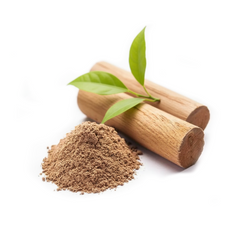
Patchouli is derived from the leaves of Pogostemon cablin, a perennial herbaceous plant in the mint family. The plant is native to tropical regions of Southeast Asia, with primary cultivation in Indonesia (accounting for over 80% of global supply), India, Malaysia, Vietnam, and China. Indonesia alone produces approximately 1,200–1,500 metric tons of patchouli oil annually, with the Aceh and Sulawesi regions being the most significant contributors.
Cultivation begins with propagation from cuttings, which are planted in well-drained, organically rich soil. Plants are harvested 6–12 months after planting, with the highest quality oil obtained from the top 3–4 pairs of mature leaves. After harvest, leaves are partially dried and fermented for several days to enhance oil yield and complexity. The primary extraction method is steam distillation, conducted at temperatures between 100–110°C for 6–10 hours. This process yields 2–3% essential oil by dry weight. Solvent extraction (using hexane or ethanol) and CO2 extraction are used for producing patchouli absolute, which is darker, more viscous, and richer in balsamic and sweet facets.
Natural patchouli oil prices fluctuate between $120–$200 per kg, depending on origin and quality, while patchouli absolute commands higher prices ($400–$600/kg). Synthetic patchouli aroma chemicals, such as patchoulol and norpatchoulenol, are significantly cheaper ($30–$50/kg) and offer batch-to-batch consistency. Sustainability concerns include soil depletion, overharvesting, and the environmental impact of solvent use. Some producers employ agroforestry and organic certification to mitigate these issues. Biotechnological production of patchoulol via engineered yeast (notably by Firmenich and Ginkgo Bioworks) is emerging as a scalable, lower-impact alternative, with the first commercial batches released in 2022.
Famous Fragrances That Define Patchouli in Perfumery
Patchouli has anchored some of the most influential fragrances in perfumery, from classic chypres to modern gourmands. In Guerlain’s Shalimar (1925, Jacques Guerlain), patchouli forms the backbone of the oriental base, paired with vanilla, opoponax, and iris. Chanel Coco Mademoiselle (2001, Jacques Polge) reinterprets the chypre structure with a luminous patchouli-rose accord, while Mugler Angel (1992, Olivier Cresp and Yves de Chirin) pioneered the gourmand genre by combining patchouli with praline and red fruits. Serge Lutens’ Borneo 1834 (2005, Christopher Sheldrake) showcases patchouli’s dark, chocolatey facets, contrasted with galbanum and white flowers. Diptyque Tempo (2018, Olivier Pescheux) highlights patchouli’s green, camphoraceous side using a triple-distilled Indonesian oil. More recently, Matiere Premiere Radical Rose (2019, Aurélien Guichard) pairs patchouli with Turkish rose for a contemporary floral-woody signature.
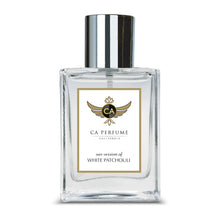
Patchouli’s versatility is evident in its roles as a dominant note (Angel, Borneo 1834), a bridge note (Coco Mademoiselle), or a fixative (Shalimar). CA Perfume’s patchouli-inspired collection draws on this lineage, offering both classic and modern interpretations.
Natural vs Synthetic Patchouli in Perfumery
Natural patchouli oil is composed primarily of patchoulol (CAS 5986-55-0), pogostol, and bulnesol, resulting in a complex, evolving scent profile with earthy, woody, and sweet nuances. Synthetic patchouli ingredients include patchoulol (produced via chemical synthesis or fermentation), norpatchoulenol (CAS 27304-00-5), and patchouli alcohol acetate (CAS 93-04-9). These molecules replicate key facets of the natural oil but lack the full spectrum of minor sesquiterpenes, resulting in a cleaner, more linear aroma.
Performance-wise, natural patchouli offers greater olfactory complexity and a dynamic evolution on skin, while synthetics provide superior batch consistency, stability, and allergen control. Synthetic patchouli is favored in mass-market perfumery for cost efficiency and regulatory compliance, especially in IFRA-restricted markets. Iconic fragrances such as Chanel Coco Mademoiselle and Mugler Angel use natural patchouli fractions, while many designer scents employ synthetic patchoulol for clarity and diffusion.
Cost differences are substantial: natural patchouli oil ranges from $120–$200/kg, while synthetic patchoulol is $30–$50/kg. Sustainability is a critical consideration; natural patchouli cultivation can lead to deforestation and soil degradation, while synthetic production reduces land use but may rely on petrochemical feedstocks. Biotechnological patchoulol (via yeast fermentation) offers a promising, lower-impact alternative. CA Perfume’s HumanSafe™ platform ensures full ingredient traceability and prioritizes sustainable, IFRA-compliant patchouli sources, whether natural or biotech-derived.