Ingredient Guide · Floral
Floral Family · Perfumery Note

Hedione

The molecule that redefined modern perfumery’s floral heart.

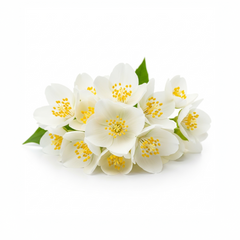
Hedione is a synthetic heart note in perfumery, prized for its airy, jasmine-like radiance and green-citrus nuance. Its defining quality comes from methyl dihydrojasmonate, used at 2–15% to impart luminous diffusion and floral lift.

Hedione
Ingredient Profile

Hedione

Floral Family
Family Floral
Note Position Heart Note
Usage Level 2–15%
Key Origins Switzerland, France, United States
Iconic In Eau Sauvage, Acqua di Gio
The Ingredient

What does Hedione smell like and why is it pivotal in modern perfumery?

Hedione, chemically known as methyl dihydrojasmonate (C13H22O3, CAS 24851-98-7), is a synthetic aroma molecule inspired by the natural volatiles of jasmine absolute. Its scent profile is defined by a transparent, luminous floral character reminiscent of jasmine, but with a distinctly airy, green-citrus freshness and none of the indolic heaviness typical of natural jasmine. The molecule’s structure, particularly its cis isomer, imparts a radiant, space-creating effect that perfumers describe as 'the air around a flower on a warm morning.' This effect is due to its low odor threshold and high volatility, which allow it to diffuse and bloom in a composition without overwhelming other notes. In perfumery, Hedione is classified as a heart (middle) note and is typically used at concentrations ranging from 2% to 15%, though some compositions feature it at 30% or higher. Its primary function is to enhance diffusion, imparting a sense of volume and radiance to floral accords, especially white flowers. On skin, Hedione interacts with body heat and pH to create an impression of blooming freshness, often described as 'second skin' luminosity. It is notable for its ability to activate the hypothalamus, a unique property among aroma chemicals, confirmed by neuroscientific research in 2015. Hedione in perfumery is exemplified by its debut in Dior Eau Sauvage (1966, Edmond Roudnitska), where it transformed the fragrance landscape with its unprecedented transparency. Other landmark uses include Giorgio Armani Acqua di Gio (1996, Alberto Morillas), where Hedione’s airy floralcy bridges citrus and marine notes, and Mugler Alien (2005), which uses Hedione to amplify the radiant aspect of jasmine sambac. These examples demonstrate the molecule’s versatility and enduring significance in both classic and contemporary fragrance design.

2–15%
Typical usage concentration of Hedione in fine fragrance. At these levels, it imparts luminous diffusion without dominating the composition.
>70 hours
Longevity of Hedione on a smelling strip, reflecting its persistent, diffusive nature despite high volatility.
$50–$300/kg
Approximate cost range for standard and high-cis Hedione, significantly lower than natural jasmine absolute, enabling widespread use in modern perfumery.
Origin & Extraction

Where Hedione Comes From — Origin & Extraction

Hedione’s scent character is not tied to geography, as it is a synthetic molecule produced in controlled laboratory conditions. However, the molecule’s inspiration—jasmine absolute—originates from Mediterranean and Indian regions, where soil, climate, and harvesting methods influence natural jasmine’s complexity.

Hedione is a fully synthetic aroma chemical, with no significant natural occurrence, though trace amounts are present in jasmine absolute and certain teas. It was first synthesized in 1958 by Edouard Demole at Firmenich, following research into the microcomponents of Mediterranean jasmine (Jasminum grandiflorum). The industrial synthesis of Hedione is petrochemical-based: it involves the condensation of cyclopentanone and pentanal, followed by isomerization and a Michael reaction with dimethyl malonate to yield methyl dihydrojasmonate. This process is designed for high purity and scalability, with modern production centered in Switzerland and other Firmenich facilities globally. The initial production cost of Hedione exceeded 7,500 Swiss francs per kilogram in the 1960s, but advances in synthesis have reduced costs to approximately $50–$100/kg for standard grades and $150–$300/kg for high-cis Hedione HC. All commercial Hedione is synthetic; extraction from jasmine is economically impractical due to the extremely low natural abundance (less than 0.1% in jasmine absolute). Sustainability considerations favor synthetic production, as it avoids the agricultural and ecological pressures associated with large-scale jasmine cultivation. The molecule’s CAS number is 24851-98-7, and it is permitted at up to 100% in finished fragrance products under IFRA standards. The discovery and commercialization of Hedione marked a turning point in perfumery, enabling the creation of transparent, diffusive floral accords without reliance on costly natural absolutes.

CH

Switzerland

Firmenich’s Geneva facility is the historic site of Hedione’s discovery and remains a leading production center. Swiss manufacturing ensures high purity and batch consistency, with annual output estimated in the hundreds of metric tons for global fragrance supply.

FR

France

France, particularly Grasse, is a hub for both jasmine cultivation and synthetic aroma chemical production. French perfumers pioneered Hedione’s use, and local expertise in both natural and synthetic materials shapes the molecule’s integration into fine fragrance.

US

United States

Major fragrance manufacturers in the US, such as IFF and Givaudan, produce Hedione for the North American market. US facilities emphasize large-scale, sustainable synthesis and supply chain transparency.

Chemistry

Natural vs Synthetic Hedione in Perfumery

Hedione (methyl dihydrojasmonate, CAS 24851-98-7) is a synthetic molecule inspired by the natural volatiles of jasmine but does not occur in significant quantities in nature. While theoretically derivable from natural methyl jasmonate via hydrogenation, all commercial Hedione is produced via petrochemical synthesis for cost and purity reasons. The standard form contains roughly 10% cis isomer and 90% trans isomer, while Hedione HC (High Cis) contains approximately 75% cis isomer, resulting in a detection threshold seventy times lower and a richer, more jasmine-adjacent character. Other related aroma chemicals include methyl jasmonate (CAS 39924-52-2), jasmolactone (CAS 27519-02-4), and Splendione (Firmenich’s methyl jasmonate derivative). Synthetic Hedione offers superior performance in terms of diffusion, stability, and batch consistency compared to natural jasmine absolute, which contains hundreds of additional compounds (including potential allergens such as benzyl acetate and indole). Cost is a major differentiator: jasmine absolute can exceed $10,000/kg, while Hedione is available at $50–$300/kg depending on grade. Sustainability and safety also favor the synthetic, as it is hypoallergenic and avoids the environmental impact of large-scale jasmine farming. Many modern fragrances, including Dior Eau Sauvage and Armani Acqua di Gio, rely on synthetic Hedione for their signature radiance. CA Perfume’s HumanSafe™ platform ensures full transparency and IFRA compliance in sourcing and usage of Hedione.

Natural
Hedione Absolute
Cost $3,000–6,000/kg
Method Solvent / CO₂
Character Complex, variable
vs
Synthetic
Safranal & Analogues
Cost $50–200/kg
Method Lab synthesis
Character Consistent, stable
Hall of Fame

Famous Fragrances That Define Hedione in Perfumery

1966
bridge note

Eau Sauvage

Dior
by Edmond Roudnitska
lemonbasiljasmineoakmoss
1996
dominant note

Acqua di Gio

Giorgio Armani
by Alberto Morillas
marine notesbergamotjasminepatchouli
2005
accent

Alien

Mugler
by Dominique Ropion, Laurent Bruyère
jasmine sambaccashmeranamber
2017
dominant note

Psychedelic Love

Initio Parfums Prives
almondheliotroperosemyrrh
2017
accent

You Or Someone Like You

Etat Libre d’Orange
by Caroline Sabas, Chandler Burr
mintrosecitrusgreen notes

Hedione’s transformative impact on perfumery began with Dior Eau Sauvage (1966, Edmond Roudnitska), which used it at 1.8% to create unprecedented transparency and radiance in a masculine citrus-floral structure. The molecule’s ability to impart airy, luminous floralcy led to its widespread adoption in both men’s and women’s fragrances. In Giorgio Armani Acqua di Gio (1996, Alberto Morillas), Hedione forms the heart of the composition, bridging marine, citrus, and floral notes with its diffusive, jasmine-like character. Mugler Alien (2005, Dominique Ropion and Laurent Bruyère) employs Hedione to amplify the radiant, solar aspect of jasmine sambac, while Initio Parfums Prives Psychedelic Love (2017) uses Hedione at high concentrations for a narcotic, enveloping floral effect. Etat Libre d’Orange You Or Someone Like You (2017, Chandler Burr and Caroline Sabas) showcases Hedione’s ability to create a photorealistic, green-citrus floral accord. These landmark fragrances illustrate Hedione’s versatility as both a dominant note and a supporting bridge, often paired with citrus, marine, or white floral notes. CA Perfume’s collection draws inspiration from this lineage, offering Hedione-rich compositions that highlight its unique radiance.

The Accord

How is a captivating Hedione accord crafted?

A Hedione accord is typically constructed with Hedione (30–35%), Jasmine Absolute (20–25%), Bergamot (20–25%), and Musk (20–25%). Hedione provides the radiant, airy floralcy; Jasmine Absolute reinforces the naturalistic floral backbone via shared jasmonate molecules; Bergamot adds green-citrus lift through limonene and linalyl acetate; Musk anchors the accord, enhancing diffusion and skin affinity through olfactory masking and fixative properties.

35%

Hedione

30–35% of blend

Delivers the signature transparent jasmine-like radiance and diffusion via methyl dihydrojasmonate, creating space and volume in the accord.

25%

Jasmine Absolute

20–25% of blend

Provides the natural floral backbone, reinforcing Hedione’s structure through shared jasmonate and indole compounds for realism.

25%

Bergamot

20–25% of blend

Adds green-citrus freshness and top note lift via limonene and linalyl acetate, synergizing with Hedione’s airy qualities.

25%

Musk

20–25% of blend

Acts as a fixative and softener, enhancing Hedione’s diffusion and skin affinity through olfactory masking and slow-release properties.

The Olfactory Layers

How Hedione Evolves on Skin

Hedione’s olfactory evolution is marked by its high volatility and diffusive nature. In the top notes (0–15 minutes), it imparts a fleeting, airy freshness as lighter molecules evaporate rapidly. During the heart (20–60 minutes), Hedione’s core floralcy blooms, interacting with skin chemistry for maximum radiance. In the base (several hours), its subtle, persistent jasmine-like aura lingers, supported by fixatives and musks.

I
Top notes
0–15 min
Green Airiness

The initial impression is a burst of green-citrus freshness, driven by Hedione’s high volatility and synergy with top-note molecules like limonene and linalool. This stage is characterized by a transparent, airy quality that sets the stage for the heart.

airygreen-citrustransparent
II
Heart notes
20–60 min
Radiant Jasmine

Hedione’s signature luminous floralcy emerges, dominated by the cis isomer’s low odor threshold and high diffusion. The molecule interacts with skin heat to create a blooming, jasmine-like radiance, often described as 'the air around a flower.'

radiantjasmine-likefloral
III
Base notes
Several hours
Soft Persistence

As volatility decreases, Hedione’s persistent, subtle floral aura remains, supported by musks and fixatives. This stage is marked by a soft, skin-like diffusion, with the molecule’s low molecular weight allowing for gentle, long-lasting presence.

persistentskin-likesoft floral
TOP NOTES Green Airiness 0–15 minutes HEART NOTES Radiant Jasmine 20–60 minutes BASE NOTES Soft Persistence Several hours
Through the Ages

The Story of Hedione in Perfumery

Hedione’s history traces the evolution of modern perfumery, from its discovery in the late 1950s to its role in transparent, diffusive fragrance design.

1957–1958

Discovery and Synthesis

Edouard Demole at Firmenich isolates methyl jasmonate from jasmine absolute and synthesizes its dihydro analogue, Hedione, marking the birth of a new class of aroma chemicals.

1962

Patent and Intellectual Protection

Hedione is patented by Firmenich, securing its commercial future and enabling exclusive early use in fine fragrance.

1966

First Commercial Use: Dior Eau Sauvage

Edmond Roudnitska employs Hedione at 1.8% in Dior Eau Sauvage, revolutionizing perfumery with a transparent, radiant floral heart.

1996

Mainstream Adoption: Acqua di Gio

Alberto Morillas uses Hedione as a dominant note in Giorgio Armani Acqua di Gio, cementing its status as a staple in both masculine and unisex fragrances.

2015

Neuroscientific Discovery

German researchers demonstrate that Hedione activates the human hypothalamus, the only aroma chemical proven to influence hormonal and sexual response.

The Art of Layering

How to Layer Hedione

Understanding how to layer Hedione involves leveraging its molecular compatibility with florals, citruses, and musks. The question of how to layer Hedione centers on using it as a radiant bridge that amplifies and diffuses other notes, creating seamless, blooming accords.

01

Amplify Florals

Layer Hedione-rich fragrances with jasmine, tuberose, or orange blossom scents. The shared jasmonate compounds create molecular bridges, enhancing the naturalistic floralcy and diffusive radiance. Example: Pair with Mugler Alien or Gucci Bloom for intensified white floral bloom.

02

Boost Citrus Freshness

Combine Hedione with bergamot, lemon, or grapefruit-based fragrances. Hedione’s green-citrus facets synergize with monoterpenes like limonene, extending the freshness and projection. Example: Layer with Dior Eau Sauvage or Atelier Cologne Bergamote Soleil.

03

Soften with Musks

Pair Hedione with clean musks or soft ambers. The musks provide olfactory masking, rounding out Hedione’s sharpness and enhancing its skin-like persistence. Example: Layer with Narciso Rodriguez For Her or Juliette Has A Gun Not A Perfume.

Wear It Right

How to Wear Hedione Like a Pro

Seasonal Guide

Fall & Winter

In cooler weather, Hedione’s diffusion is reduced, resulting in a more intimate, skin-like floral aura. Apply to pulse points and layer with richer florals or musks to enhance projection and persistence.

Spring

Spring’s moderate temperatures and humidity levels allow Hedione’s green-citrus freshness and blooming radiance to shine. Pair with other green or white floral notes for a photorealistic, uplifting effect.

Summer

Heat increases Hedione’s volatility, amplifying its airy, diffusive qualities. Apply lightly and consider layering with citrus or aquatic notes for a refreshing, transparent effect that projects well in warm conditions.

Year-Round Tip

Hedione’s adaptability makes it suitable for year-round use. Adjust application quantity and layering partners based on climate and desired projection, leveraging its molecular compatibility with both florals and citruses.

Application Points

Strategic application enhances Hedione’s diffusion and blooming effect.

1

Neck

Pulse points on the neck provide warmth, accelerating Hedione’s diffusion and maximizing its radiant, airy floralcy.

2

Behind the Ears

This area retains warmth and moisture, allowing Hedione’s subtle jasmine-like aura to linger and gently project.

3

Inner Wrists

Body heat and movement at the wrists promote evaporation, releasing Hedione’s green-citrus freshness with each gesture.

4

Hair

Applying to hair extends Hedione’s diffusion, as the molecule clings to hair fibers and is released gradually with movement.

Pro Tip

Layer Hedione-rich fragrances over unscented moisturizer to slow evaporation and enhance longevity, especially in dry climates.

Mood Architecture™

Top Hedione Fragrances by Mood Score

These Hedione-based fragrances scored highest on the MEI™ Mood Architecture Framework — measuring how a scent may influence your emotional state.

Highest MEI Score
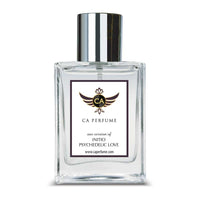
Initio Psychedelic Love — Psychedelic Love Alternative Perfume
7.78
MEI™
Primary Romantic
Secondary Confident
Confidence
7.18
Presence
7.97
Mood Lift
8.37
Identity
7.84
Warmth
9.5
Social Ease
7.31
Energy
3.0
" I am beautiful.
View full mood profile →
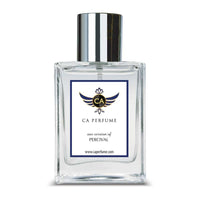
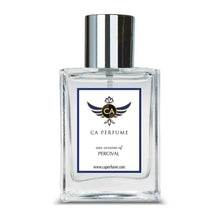
Percival — Parfums De Marly Percival Alternative Perfume
7.61
MEI™
Primary Romantic
Secondary Confident
Confidence
7.22
Presence
7.58
Mood Lift
8.24
Identity
7.14
Warmth
8.05
Social Ease
7.69
Energy
4.9
" I am beautiful.
View full mood profile →
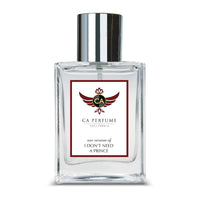
I Don't Need A Prince — Alternative Fragrance Inspired by I Don't Need A Prince By My Side To Be A Princess
7.4
MEI™
Primary Romantic
Secondary Grounding
Confidence
6.64
Presence
6.09
Mood Lift
8.32
Identity
6.43
Warmth
9.13
Social Ease
7.27
Energy
5.7
" I am beautiful.
View full mood profile →
HumanSafe™

Top Hedione Fragrances by HumanSafe™ Score

These Hedione-based fragrances have the highest product-level HumanSafe™ scores in this ingredient collection.

Highest HumanSafe™ Score
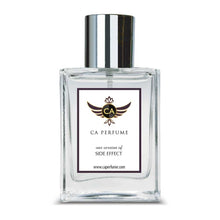
Side Effect — Side Effect Alternative Perfume
A-
HumanSafe™ Score Generally Safe
Safest Evaluated Ingredients EDP
AQUA Solvent / Carrier ISS 10.0
1,4-DIOXACYCLOHEPTADECANE-5,17-DIONE Evaluated ingredient ISS 10.0
7-OCTEN-2-OL, 2,6-DIMETHYL- Evaluated ingredient ISS 9.0
LINALYL ACETATE Evaluated ingredient ISS 7.0
LINALOOL Evaluated ingredient ISS 7.0
BULNESIA SARMIENTI, EXT., ACETATE Evaluated ingredient ISS 7.0
View full safety profile →
Percival — Parfums De Marly Percival Alternative Perfume
A-
HumanSafe™ Score Generally Safe
Safest Evaluated Ingredients EDP
AQUA Solvent / Carrier ISS 10.0
7-OCTEN-2-OL, 2,6-DIMETHYL- Evaluated ingredient ISS 9.0
4H-INDEN-4-ONE, 1,2,3,5,6,7-HEXAHYDRO-1,1,2,3,3- Evaluated ingredient ISS 9.0
LINALYL ACETATE Evaluated ingredient ISS 7.0
LINALOOL Evaluated ingredient ISS 7.0
CITRONELLOL Evaluated ingredient ISS 7.0
View full safety profile →
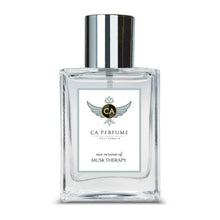
Musk Therapy — Musk Therapy Alternative Perfume
A-
HumanSafe™ Score Generally Safe
Safest Evaluated Ingredients EDP
AQUA Solvent / Carrier ISS 10.0
AMBROXID Evaluated ingredient ISS 10.0
1,4-DIOXACYCLOHEPTADECANE-5,17-DIONE Evaluated ingredient ISS 10.0
3-BUTEN-2-ONE, 3-METHYL-4-(2,6,6-TRIMETHYL-2- Evaluated ingredient ISS 8.0
2H-1-BENZOPYRAN-2-ONE Evaluated ingredient ISS 8.0
LINALYL ACETATE Evaluated ingredient ISS 7.0
View full safety profile →
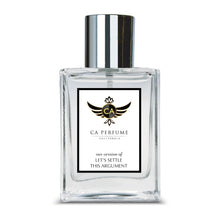
Let's Settle This Argument — In The Bedroom Let's Settle This Argument Like Adults Naked Alt. Perfume
A-
HumanSafe™ Score Generally Safe
Safest Evaluated Ingredients EDP
AQUA Solvent / Carrier ISS 10.0
1,4-DIOXACYCLOHEPTADECANE-5,17-DIONE Evaluated ingredient ISS 10.0
BENZYL SALICYLATE Evaluated ingredient ISS 9.0
3-BUTEN-2-ONE, 3-METHYL-4-(2,6,6-TRIMETHYL-2- Evaluated ingredient ISS 8.0
LINALYL ACETATE Evaluated ingredient ISS 7.0
View full safety profile →
Expert Voices

What Masters Say About Hedione

Hedione is probably the most important molecule most people have never heard of. Chemically, it is methyl dihydrojasmonate, a synthetic analogue of one of the 900 volatile compounds found in jasmine absolute.
Première Peau Editorial
Hedione’s signature is a luminous, transparent floralcy that creates space and radiance in a composition, making it indispensable for modern perfumers.
CA Perfume Editorial
Common Questions

Frequently Asked Questions

Frequently asked questions about Hedione in perfumery.

Hedione in perfume smells like a transparent, airy jasmine floral with subtle green-citrus and creamy undertones. Unlike natural jasmine, it lacks indolic heaviness and instead imparts a luminous, diffusive radiance. Its scent profile is often described as 'the air around a flower,' with a persistent, skin-like quality that enhances the overall volume and freshness of a fragrance.

Hedione is classified as a heart (middle) note in perfumery. Its volatility and molecular weight allow it to bloom after the initial top notes dissipate, providing a radiant floralcy that bridges the transition to the base. It is typically used at 2–15% concentration, though some modern fragrances feature it at even higher levels.

Hedione is favored in niche perfumery for its ability to impart luminous diffusion, create space in dense compositions, and enhance the naturalistic quality of floral accords. Its unique property of activating the hypothalamus adds a subtle, subconscious allure, making it a staple in innovative and transparent fragrance designs.

Hedione fragrance uses include pairing with jasmine, orange blossom, rose, bergamot, and musk. These notes share molecular affinities or complementary volatiles, allowing Hedione to amplify their radiance and diffusion. It also works well with green and citrus notes for a fresh, uplifting effect.

Yes, Hedione’s high volatility and airy diffusion make it particularly suitable for summer and hot weather. Heat amplifies its projection and blooming effect, while its transparent floralcy remains light and refreshing. Apply sparingly in warm conditions to avoid overwhelming the senses.

Hedione itself has a longevity of over 70 hours on a smelling strip, but in a finished fragrance, its effect is most prominent for 2–6 hours, depending on concentration and composition. Its persistent, skin-like aura can linger for several hours, especially when supported by musks and fixatives.

Yes, Hedione is highly compatible for layering due to its molecular structure and diffusive properties. It can amplify florals, boost citrus freshness, or soften with musks. For best results, layer with fragrances containing jasmine, bergamot, or clean musks to create seamless, blooming accords.

Recommended entry points include Dior Eau Sauvage, Giorgio Armani Acqua di Gio, and Mugler Alien. These fragrances showcase Hedione’s luminous floralcy in accessible, well-balanced compositions, making them ideal for those new to this note.

Consider your preferred scent profile—whether you favor airy florals, green-citrus freshness, or soft musks. CA Perfume’s collection offers Hedione-rich fragrances across these profiles, with detailed note breakdowns and layering guides to help you select the ideal composition for your style.

Hedione is primarily perceived as fresh and airy, with only a subtle underlying sweetness. Its green-citrus and jasmine-like facets dominate, creating a luminous, non-sweet floral impression that is more radiant than sugary.

Floral Collection

Explore Our Top Hedione Fragrances

Discover CA Perfume’s curated selection of Hedione-rich fragrances, each highlighting the molecule’s luminous floralcy and diffusive radiance.

Shop all hedione fragrances at CA Perfume →

Where Hedione Comes From — Origin & Extraction

Hedione is a fully synthetic aroma chemical, with no significant natural occurrence, though trace amounts are present in jasmine absolute and certain teas. It was first synthesized in 1958 by Edouard Demole at Firmenich, following research into the microcomponents of Mediterranean jasmine (Jasminum grandiflorum). The industrial synthesis of Hedione is petrochemical-based: it involves the condensation of cyclopentanone and pentanal, followed by isomerization and a Michael reaction with dimethyl malonate to yield methyl dihydrojasmonate. This process is designed for high purity and scalability, with modern production centered in Switzerland and other Firmenich facilities globally. The initial production cost of Hedione exceeded 7,500 Swiss francs per kilogram in the 1960s, but advances in synthesis have reduced costs to approximately $50–$100/kg for standard grades and $150–$300/kg for high-cis Hedione HC. All commercial Hedione is synthetic; extraction from jasmine is economically impractical due to the extremely low natural abundance (less than 0.1% in jasmine absolute). Sustainability considerations favor synthetic production, as it avoids the agricultural and ecological pressures associated with large-scale jasmine cultivation. The molecule’s CAS number is 24851-98-7, and it is permitted at up to 100% in finished fragrance products under IFRA standards. The discovery and commercialization of Hedione marked a turning point in perfumery, enabling the creation of transparent, diffusive floral accords without reliance on costly natural absolutes.

Famous Fragrances That Define Hedione in Perfumery

Hedione’s transformative impact on perfumery began with Dior Eau Sauvage (1966, Edmond Roudnitska), which used it at 1.8% to create unprecedented transparency and radiance in a masculine citrus-floral structure. The molecule’s ability to impart airy, luminous floralcy led to its widespread adoption in both men’s and women’s fragrances. In Giorgio Armani Acqua di Gio (1996, Alberto Morillas), Hedione forms the heart of the composition, bridging marine, citrus, and floral notes with its diffusive, jasmine-like character. Mugler Alien (2005, Dominique Ropion and Laurent Bruyère) employs Hedione to amplify the radiant, solar aspect of jasmine sambac, while Initio Parfums Prives Psychedelic Love (2017) uses Hedione at high concentrations for a narcotic, enveloping floral effect. Etat Libre d’Orange You Or Someone Like You (2017, Chandler Burr and Caroline Sabas) showcases Hedione’s ability to create a photorealistic, green-citrus floral accord. These landmark fragrances illustrate Hedione’s versatility as both a dominant note and a supporting bridge, often paired with citrus, marine, or white floral notes. CA Perfume’s collection draws inspiration from this lineage, offering Hedione-rich compositions that highlight its unique radiance.

Natural vs Synthetic Hedione in Perfumery

Hedione (methyl dihydrojasmonate, CAS 24851-98-7) is a synthetic molecule inspired by the natural volatiles of jasmine but does not occur in significant quantities in nature. While theoretically derivable from natural methyl jasmonate via hydrogenation, all commercial Hedione is produced via petrochemical synthesis for cost and purity reasons. The standard form contains roughly 10% cis isomer and 90% trans isomer, while Hedione HC (High Cis) contains approximately 75% cis isomer, resulting in a detection threshold seventy times lower and a richer, more jasmine-adjacent character. Other related aroma chemicals include methyl jasmonate (CAS 39924-52-2), jasmolactone (CAS 27519-02-4), and Splendione (Firmenich’s methyl jasmonate derivative). Synthetic Hedione offers superior performance in terms of diffusion, stability, and batch consistency compared to natural jasmine absolute, which contains hundreds of additional compounds (including potential allergens such as benzyl acetate and indole). Cost is a major differentiator: jasmine absolute can exceed $10,000/kg, while Hedione is available at $50–$300/kg depending on grade. Sustainability and safety also favor the synthetic, as it is hypoallergenic and avoids the environmental impact of large-scale jasmine farming. Many modern fragrances, including Dior Eau Sauvage and Armani Acqua di Gio, rely on synthetic Hedione for their signature radiance. CA Perfume’s HumanSafe™ platform ensures full transparency and IFRA compliance in sourcing and usage of Hedione.