Ingredient Guide · Floral
Floral Family · Perfumery Note

Hawthorn

A quietly distinctive floral with powdery, almond-like nuances.

Hawthorn is a heart note in perfumery, valued for its powdery, sweet, and subtly almond-like character. Its signature scent comes from anisic aldehyde, which imparts both floral and creamy facets, typically used at 0.5–4% in compositions.

Hawthorn
Ingredient Profile

Hawthorn

Floral Family
Family Floral
Note Position Heart Note
Usage Level 0.5–4.4%
Key Origins United Kingdom, France, Germany
Iconic In Après l’Ondée, Les Exclusifs de Chanel Beige
The Ingredient

What does Hawthorn smell like and why is it significant in perfumery?

Hawthorn (Crataegus monogyna and related species) presents a quietly distinctive scent profile in perfumery. The flowers emit a powdery, faintly sweet, and green aroma, with subtle watery and anisic nuances reminiscent of a spring garden after rain. The primary molecular contributor is anisic aldehyde (para-methoxybenzaldehyde, CAS 123-11-5), which imparts a floral, sweet, powdery, and slightly woody character. Trace amounts of skatole (3-methylindole) at extreme dilution add a creamy, narcotic floral undertone, while minor aldehydic and almond-like notes round out the profile. This unique combination results in a scent that is both elegant and evocative of vintage face powder and fresh May blossoms. In perfumery, hawthorn is classified as a heart note due to its moderate volatility and ability to bridge top and base notes. It is typically used at concentrations ranging from 0.5% to 4.4% of the finished composition, depending on IFRA guidelines. Hawthorn interacts with skin chemistry by revealing its powdery and creamy facets more strongly on warmer, slightly acidic skin, while the green and anisic aspects are more pronounced on cooler or alkaline skin. Its olfactory impact is subtle yet persistent, providing atmosphere and specificity without dominating the overall fragrance structure. Notable fragrances that exemplify hawthorn in perfumery include Guerlain Après l’Ondée (1906, Jacques Guerlain), which pioneered the use of anisic aldehyde to recreate the powdery freshness of hawthorn blossom, and Chanel Les Exclusifs de Chanel Beige (2008, Jacques Polge), where hawthorn is paired with frangipani and honey for a creamy, luminous effect. In Kenzo Flower by Kenzo (2000, Alberto Morillas), hawthorn is blended with violet and rose to create a soft, powdery heart, while Frederic Malle L’Eau d’Hiver (2003, Jean-Claude Ellena) uses hawthorn to evoke the delicate transition between winter and spring. These examples highlight hawthorn’s role in lending both vintage charm and modern subtlety to floral compositions.

0.5–4.4%
Typical concentration of anisic aldehyde (hawthorn’s key molecule) in finished fragrances, as permitted by IFRA 51. This range ensures a noticeable but not overpowering powdery floral effect.
186+ hours
Longevity of hawthorn accord (as Hawthorn Extra) on a smelling strip, demonstrating the persistence of synthetic aldehydes and musks in controlled conditions.
$30–60/kg
Approximate cost of synthetic anisic aldehyde, the main hawthorn aroma chemical. Natural extraction is not commercially viable due to infinitesimal yield and high cost.
Origin & Extraction

Where Hawthorn Comes From — Origin & Extraction

Hawthorn’s scent is shaped by the temperate climates and diverse soils of Europe, Asia, and North America, where Crataegus species thrive in hedgerows and woodland edges. The terroir influences the subtle balance of powdery, green, and sweet facets.

Hawthorn is derived from the blossoms of the Crataegus genus, particularly Crataegus monogyna, native to temperate regions of Europe, Asia, and North America. The tree is renowned for its dense, thorny hedgerows and profuse white blooms in late spring. Major producing regions include the hedgerow landscapes of England, the Loire Valley in France, and parts of Eastern Europe, though hawthorn is not cultivated on a commercial scale for perfumery due to the extremely low yield of its flowers. Extraction of hawthorn’s fragrance is not feasible via traditional steam distillation, as the delicate flowers yield an infinitesimal amount of essential oil and are highly susceptible to heat degradation. Even advanced headspace techniques fail to capture the full complexity of the natural scent. As a result, the hawthorn note in perfumery is constructed almost entirely from synthetic aroma chemicals, primarily anisic aldehyde (para-methoxybenzaldehyde, C8H8O2, CAS 123-11-5), discovered in the late 19th century. This compound is produced via methylation of p-hydroxybenzaldehyde, a process that is both scalable and cost-effective, with the synthetic material costing approximately $30–60/kg compared to the prohibitive cost of attempting to extract natural hawthorn. Other key molecules used in hawthorn accords include cyclamen aldehyde (CAS 103-95-7) for watery-green nuances and minute traces of skatole (CAS 83-34-1) for creamy, animalic undertones. Sustainability is enhanced by the exclusive use of synthetics, as no wild harvesting or monoculture is required, and the supply chain is stable. The IFRA currently permits up to 4.4% anisic aldehyde in finished fragrance products (IFRA 51), with no known restrictions for natural hawthorn extracts due to their rarity in commercial use.

GB

United Kingdom

The English Midlands and southern counties are renowned for dense hawthorn hedgerows. Chalky soils and cool, moist springs yield blossoms with pronounced powdery and green notes. No commercial extraction, but the region’s hawthorn is celebrated in traditional May Day festivals.

FR

France

The Loire Valley and Normandy feature hawthorn in mixed hedgerows. Loamy soils and moderate rainfall produce blossoms with a balanced sweet and almond-like aroma. French perfumery tradition references hawthorn as 'aubépine,' often in classic floral blends.

DE

Germany

Bavaria and the Rhine Valley support wild hawthorn populations. Blossoms are noted for a slightly greener, less sweet profile, attributed to higher soil mineral content and cooler spring temperatures.

US

United States

Eastern states such as Pennsylvania and New York have native Crataegus species. Blossoms are smaller and less fragrant, with a more pronounced green note due to acidic soils and variable spring weather.

Chemistry

Natural vs Synthetic Hawthorn in Perfumery

Natural hawthorn absolute is virtually absent from the market due to the minuscule yield and instability of the extracted oil. The scent is instead recreated through a blend of synthetic molecules, most notably anisic aldehyde (CAS 123-11-5), which provides the core powdery, sweet, and almond-like facets. Cyclamen aldehyde (CAS 103-95-7) is frequently added to impart watery-green freshness, while minute quantities of skatole (CAS 83-34-1) introduce a creamy, narcotic floral undertone at extreme dilution. These synthetics offer superior stability, consistency, and cost-effectiveness compared to natural extraction attempts. Performance-wise, synthetic hawthorn accords display moderate longevity and projection, with anisic aldehyde persisting for several hours as a heart note. Iconic fragrances such as Guerlain Après l’Ondée and Chanel Beige rely on these synthetics to achieve their signature powdery floral effects. The cost differential is significant: synthetic anisic aldehyde is available at $30–60/kg, while natural extraction would be prohibitively expensive and unsustainable. From a sustainability perspective, reliance on synthetics eliminates the need for large-scale harvesting and supports traceability, as exemplified by the HumanSafe™ platform’s transparency standards. CA Perfume utilizes only IFRA-compliant, HumanSafe™-verified synthetics for hawthorn notes, ensuring both safety and environmental responsibility.

Natural
Hawthorn Absolute
Cost $3,000–6,000/kg
Method Solvent / CO₂
Character Complex, variable
vs
Synthetic
Safranal & Analogues
Cost $50–200/kg
Method Lab synthesis
Character Consistent, stable
Hall of Fame

Famous Fragrances That Define Hawthorn in Perfumery

1906
dominant heart note

Après l’Ondée

Guerlain
by Jacques Guerlain
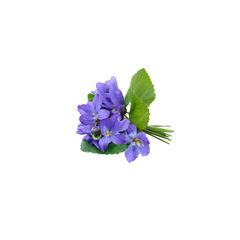
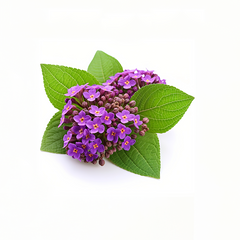
violetirisaniseheliotrope
2008
heart note, bridge

Les Exclusifs de Chanel Beige

Chanel
by Jacques Polge
frangipanihoneyfreesia
2000
heart note, accent

Flower by Kenzo

Kenzo
by Alberto Morillas
rosevioletmusk
2003
supporting note, bridge

L’Eau d’Hiver

Frederic Malle
by Jean-Claude Ellena
heliotropeirishoney
1998
accent, almondy note

Rahat Loukoum

Serge Lutens
by Christopher Sheldrake
cherryrosevanilla

Hawthorn’s powdery, sweet, and subtly almond-like character has shaped the identity of several landmark fragrances. Guerlain Après l’Ondée (1906, Jacques Guerlain) is widely credited as the first to harness anisic aldehyde for a delicate, rain-washed floral effect, with hawthorn at its heart. Chanel Les Exclusifs de Chanel Beige (2008, Jacques Polge) uses hawthorn in tandem with frangipani and honey, creating a creamy, luminous floral bouquet. Kenzo Flower by Kenzo (2000, Alberto Morillas) features hawthorn alongside violet and rose, producing a soft, powdery core that evokes springtime in bloom. Frederic Malle L’Eau d’Hiver (2003, Jean-Claude Ellena) employs hawthorn to bridge the transition from winter to spring, blending it with heliotrope and iris for a transparent, powdery effect. Serge Lutens Rahat Loukoum (1998, Christopher Sheldrake) integrates hawthorn’s almondy facet with cherry and rose, referencing the confectionery note of Turkish delight. These compositions demonstrate hawthorn’s versatility as a bridge note, dominant heart, or supporting accent, often paired with violet, rose, heliotrope, and creamy musks. CA Perfume’s collection draws inspiration from this lineage, offering hawthorn-centered fragrances that honor both classic and contemporary interpretations.

The Accord

How is a captivating Hawthorn accord crafted?

A classic hawthorn accord is built from anisic aldehyde (35–40%), cyclamen aldehyde (20–25%), violet leaf absolute (15–20%), and heliotrope (20–25%). Anisic aldehyde provides the powdery, sweet, almond-like core; cyclamen aldehyde imparts watery-green freshness; violet leaf adds a subtle green, ionone-driven floralcy; and heliotrope delivers creamy, vanillic nuances for a rounded, nostalgic finish.

40%

Anisic Aldehyde

35–40% of blend

The primary molecule responsible for hawthorn’s powdery, sweet, and almond-like scent. It anchors the accord with floral and slightly woody facets.

25%

Cyclamen Aldehyde

20–25% of blend

Adds watery-green freshness and subtle aldehydic lift, mimicking the dewy, rain-washed aspect of hawthorn blossom.

20%

Violet Leaf Absolute

15–20% of blend

Provides ionone-driven green and floral notes, enhancing the naturalistic, springtime character of the accord.

25%

Heliotrope

20–25% of blend

Contributes creamy, vanillic, and slightly almondy nuances, rounding out the accord with a nostalgic, powdery finish.

The Olfactory Layers

How Hawthorn Evolves on Skin

Hawthorn’s olfactory evolution is marked by a gentle transition from fresh, green top notes to a powdery, sweet heart and a creamy, musky base. Anisic aldehyde and cyclamen aldehyde drive the heart, while subtle ionones and musks linger in the drydown.

I
Top notes
0–15 min
Dewy Green Prelude

The initial impression is fresh, green, and slightly watery, driven by cyclamen aldehyde and minor green leaf volatiles. These high-volatility compounds evaporate quickly, providing a fleeting sense of dew and spring foliage.

fresh greenwateryaldehydic
II
Heart notes
20–60 min
Powdery Floral Heart

The heart reveals hawthorn’s signature powdery, sweet, and almond-like character, dominated by anisic aldehyde and supported by heliotropin and violet ionones. This phase is persistent and defines the overall floral impression.

powderysweetalmond-like
III
Base notes
Several hours
Creamy Musky Drydown

As the fragrance dries down, creamy musks and traces of heliotrope and orris emerge, creating a soft, skin-like finish. Low-volatility musks and vanillic molecules provide subtle warmth and longevity.

creamymuskysoft
TOP NOTES Dewy Green Prelude 0–15 minutes HEART NOTES Powdery Floral Heart 20–60 minutes BASE NOTES Creamy Musky Drydown Several hours
Through the Ages

The Story of Hawthorn in Perfumery

Hawthorn’s journey in perfumery spans folklore, early 20th-century innovation, and modern niche compositions, reflecting its enduring appeal as a powdery floral note.

Antiquity

Hawthorn in European Folklore

Hawthorn is celebrated in Celtic and Roman traditions as a symbol of fertility, marriage, and protection. Its May blossoms are woven into spring festivals and rural rituals across Europe.

Late 19th Century

Discovery of Anisic Aldehyde

Para-methoxybenzaldehyde (anisic aldehyde) is synthesized and identified as the key molecule behind hawthorn’s powdery, sweet scent, enabling its use in modern perfumery.

1906

Après l’Ondée by Guerlain

Jacques Guerlain pioneers the use of anisic aldehyde to recreate hawthorn’s delicate, rain-washed floralcy in Après l’Ondée, establishing the powdery floral genre.

2000

Kenzo Flower by Kenzo Launches

Alberto Morillas incorporates hawthorn with violet and rose, creating a modern, powdery floral heart that becomes a signature of the early 21st century.

2008–Present

Hawthorn in Niche and Contemporary Perfumes

Hawthorn appears in Chanel Beige, Frederic Malle L’Eau d’Hiver, and Serge Lutens Rahat Loukoum, demonstrating its versatility as both a bridge and accent note in complex floral compositions.

The Art of Layering

How to Layer Hawthorn

Understanding how to layer hawthorn involves molecular compatibility—shared powdery, green, and creamy compounds allow seamless blending. Here’s how to layer hawthorn for maximum effect.

01

Enhance Powderiness

Layer hawthorn with violet or iris-based fragrances. Both share ionone and aldehydic molecules, reinforcing the powdery, vintage effect. Frederic Malle L’Eau d’Hiver demonstrates this synergy, where hawthorn and heliotrope create a soft, enveloping aura.

02

Add Freshness

Pair hawthorn with green or citrus notes—cyclamen aldehyde and citrus terpenes mask the creamy sweetness, resulting in a more transparent, modern profile. Kenzo Flower by Kenzo shows how hawthorn and violet combine with citrus for a balanced, airy effect.

03

Deepen Creaminess

Layer with vanilla or heliotrope-rich scents. Vanillin and heliotropin interact with anisic aldehyde, amplifying the gourmand, almond-like undertone. Serge Lutens Rahat Loukoum is a prime example, blending hawthorn with cherry and vanilla for a confectionery finish.

Wear It Right

How to Wear Hawthorn Like a Pro

Seasonal Guide

Fall & Winter

Cooler temperatures suppress volatility, allowing hawthorn’s powdery and creamy notes to linger. Apply to pulse points and layer with vanilla or musk for added warmth. The scent feels nostalgic and comforting, ideal for cozy settings.

Spring

Spring’s mild climate enhances hawthorn’s fresh, green, and powdery qualities. The scent projects well in moderate humidity, evoking the natural bloom of May hedgerows. Apply lightly to avoid overwhelming the senses as temperatures rise.

Summer

Heat increases volatility, causing top notes to evaporate quickly and revealing the powdery heart sooner. Apply sparingly to cooler areas like the inner elbows or behind the knees for a subtle, refreshing effect. Avoid overapplication to prevent cloying sweetness.

Year-Round Tip

Adjust application based on climate and activity. In humid conditions, hawthorn’s creamy musks persist longer, while dry air emphasizes green and powdery facets. Layer with citrus or green notes for freshness, or with vanilla for added comfort.

Application Points

Strategic application enhances hawthorn’s powdery heart and creamy drydown, optimizing projection and longevity.

1

Neck

The warmth of the neck accelerates the transition from green top notes to powdery heart, maximizing the floral impact. Ideal for moderate projection in close encounters.

2

Behind the Ears

This pulse point retains heat, helping the creamy, musky base notes to linger. Subtle sillage is maintained as the scent diffuses gradually throughout the day.

3

Inner Wrists

Frequent movement and warmth on the wrists amplify hawthorn’s evolution, allowing the wearer to experience the full transition from fresh to powdery to creamy.

4

Hair

Spraying on hair provides a gentle, continuous release of hawthorn’s powdery and sweet notes, as hair fibers trap and slowly diffuse the fragrance.

★

Pro Tip

Layer hawthorn-based fragrances over unscented moisturizer to prolong longevity and enhance the creamy, musky drydown. Avoid direct application to clothing, as aldehydes may stain delicate fabrics.

Mood Architecture™

Top Hawthorn Fragrances by Mood Score

These Hawthorn-based fragrances scored highest on the MEI™ Mood Architecture Framework — measuring how a scent may influence your emotional state.

Highest MEI Score
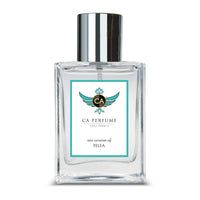
Telea — Tiziana Terenzi Telea Alternative Perfume
7.0
MEI™
Primary Magnetic
Secondary Confident
Confidence
7.03
Presence
7.6
Mood Lift
7.35
Identity
7.05
Warmth
7.15
Social Ease
6.53
Energy
2.92
" I am bold.
View full mood profile →
Flower — Kenzo Flower Alternative Perfume
6.9
MEI™
Primary Romantic
Secondary Confident
Confidence
6.33
Presence
6.7
Mood Lift
7.52
Identity
6.6
Warmth
7.4
Social Ease
7.36
Energy
4.1
" I am beautiful.
View full mood profile →
Metallique — Tom Ford Metallique Alternative Perfume
6.8
MEI™
Primary Romantic
Secondary Confident
Confidence
5.96
Presence
6.05
Mood Lift
7.25
Identity
6.2
Warmth
8.74
Social Ease
7.08
Energy
2.97
" I am beautiful.
View full mood profile →
Killing Me Slowly — By Kilian Killing Me Slowly Alternative Perfume
6.5
MEI™
Primary Romantic
Secondary Confident
Confidence
5.71
Presence
5.88
Mood Lift
7.25
Identity
6.45
Warmth
7.15
Social Ease
7.06
Energy
3.02
" I am beautiful.
View full mood profile →
HumanSafe™

Top Hawthorn Fragrances by HumanSafe™ Score

These Hawthorn-based fragrances have the highest product-level HumanSafe™ scores in this ingredient collection.

Highest HumanSafe™ Score
Telea — Tiziana Terenzi Telea Alternative Perfume
A-
HumanSafe™ Score Generally Safe
Safest Evaluated Ingredients EDP
OXACYCLOHEPTADEC-10-EN-2-ONE Evaluated ingredient ISS 10.0
AQUA Solvent / Carrier ISS 10.0
1,4-DIOXACYCLOHEPTADECANE-5,17-DIONE Evaluated ingredient ISS 10.0
BENZYL SALICYLATE Evaluated ingredient ISS 9.0
LINALYL ACETATE Evaluated ingredient ISS 7.0
LINALOOL Evaluated ingredient ISS 7.0
View full safety profile →
Metallique — Tom Ford Metallique Alternative Perfume
A-
HumanSafe™ Score Generally Safe
Safest Evaluated Ingredients EDP
AQUA Solvent / Carrier ISS 10.0
1,4-DIOXACYCLOHEPTADECANE-5,17-DIONE Evaluated ingredient ISS 10.0
LINALYL ACETATE Evaluated ingredient ISS 7.0
LINALOOL Evaluated ingredient ISS 7.0
ALCOHOL DENAT. Solvent / Carrier ISS 7.0
1-[(2-TERT-BUTYL)CYCLOHEXYLOXY]-2-BUTANOL Evaluated ingredient ISS 7.0
View full safety profile →
Killing Me Slowly — By Kilian Killing Me Slowly Alternative Perfume
A-
HumanSafe™ Score Generally Safe
Safest Evaluated Ingredients EDP
AQUA Solvent / Carrier ISS 10.0
AMBROXID Evaluated ingredient ISS 10.0
3-BUTEN-2-ONE, 3-METHYL-4-(2,6,6-TRIMETHYL-2- Evaluated ingredient ISS 8.0
2H-1-BENZOPYRAN-2-ONE Evaluated ingredient ISS 8.0
LINALOOL Evaluated ingredient ISS 7.0
ALCOHOL DENAT. Solvent / Carrier ISS 7.0
View full safety profile →
Flower — Kenzo Flower Alternative Perfume
A-
HumanSafe™ Score Generally Safe
Safest Evaluated Ingredients EDP
AQUA Solvent / Carrier ISS 10.0
ACETIC ACID, PHENYLMETHYL ESTER Evaluated ingredient ISS 10.0
1,4-DIOXACYCLOHEPTADECANE-5,17-DIONE Evaluated ingredient ISS 10.0
AMBROXIDE Evaluated ingredient ISS 9.0
LINALYL ACETATE Evaluated ingredient ISS 7.0
LINALOOL Evaluated ingredient ISS 7.0
View full safety profile →
Expert Voices

What Masters Say About Hawthorn

“
Anisic aldehyde has a scent that is simultaneously floral, sweet, powdery, and softly woody. It captures the anisic and slightly heady aspects of hawthorn blossom while contributing the powdery, almost face-powder quality that makes hawthorn-based fragrances feel so elegantly old-fashioned.
Fragrenza Editorial
“
Hawthorn functions as a modifier in niche compositions, adding botanical specificity and naturalistic character. Its role is supportive rather than structural.
CA Perfume Editorial
Common Questions

Frequently Asked Questions

Answers to common questions about hawthorn’s scent, use, and performance in perfumery.

Hawthorn in perfume is characterized by a powdery, sweet, and almond-like floral scent with subtle green and creamy undertones. The main molecule responsible is anisic aldehyde, which imparts a vintage face powder quality. Depending on the composition, hawthorn can also reveal watery-green and slightly woody nuances, especially when paired with violet, heliotrope, or iris. This unique scent profile is most prominent in classic floral fragrances such as Guerlain Après l’Ondée and Chanel Beige.

Hawthorn is classified as a heart note in perfumery. Its moderate volatility allows it to bridge the transition between fresh top notes and deeper base notes. The powdery, sweet, and creamy aspects of hawthorn become most apparent 20–60 minutes after application, persisting for several hours before fading into the musky, vanillic base.

Hawthorn is prized in niche perfumery for its ability to impart a distinctive, powdery floral character that evokes nostalgia and elegance. Its subtle complexity—combining sweetness, almond, and creamy notes—makes it ideal for creating vintage-inspired or modern transparent florals. The use of anisic aldehyde and related synthetics allows perfumers to achieve consistency and stability, which is particularly valued in artisanal and niche compositions.

Hawthorn fragrance uses include pairing with violet, iris, heliotrope, rose, and vanilla to reinforce its powdery and creamy facets. For freshness, it is blended with green notes like cyclamen or citrus such as bergamot. In gourmand or vintage-inspired fragrances, hawthorn is often combined with cherry, almond, or musk for added depth and comfort.

Hawthorn can be worn in summer, but its powdery and creamy qualities may become more pronounced in heat, potentially feeling heavier. To adapt, apply sparingly and layer with citrus or green fragrances to enhance freshness. In high humidity, the creamy musks in hawthorn-based scents may linger, while dry heat emphasizes the powdery core.

Hawthorn fragrances, especially those built on anisic aldehyde, typically last 4–7 hours on skin, with the powdery heart persisting for most of that duration. Longevity is influenced by concentration (EDP and Parfum formats last longer), skin chemistry, and environmental factors. On smelling strips, hawthorn accords can persist for up to 186 hours.

Yes, hawthorn is highly versatile for layering. It blends seamlessly with violet, iris, and heliotrope for enhanced powderiness, or with citrus and green notes for freshness. Layering with vanilla or musk deepens the creamy, comforting aspects. Notable examples include Frederic Malle L’Eau d’Hiver and Serge Lutens Rahat Loukoum, which use hawthorn as a bridge or accent.

For those new to hawthorn, recommended entry points include Kenzo Flower by Kenzo (powdery, modern floral), Chanel Beige (creamy, honeyed heart), and Guerlain Après l’Ondée (delicate, vintage powder). These fragrances showcase hawthorn’s signature character in both classic and contemporary contexts.

Start by considering your preferred style: if you enjoy powdery, vintage-inspired florals, look for hawthorn-dominant blends with violet and iris. For a fresher, more modern take, seek out compositions that pair hawthorn with citrus or green notes. CA Perfume’s collection includes both classic and innovative hawthorn fragrances, all HumanSafe™ verified for transparency and safety.

Hawthorn’s sweetness is balanced by powdery and green facets, preventing it from becoming cloying in most compositions. When blended with violet, iris, or citrus, hawthorn-based fragrances feel light and wearable for daily use. For those sensitive to sweetness, opt for EDT concentrations or layer with fresher notes to maintain balance.

Floral Collection

Explore Our Top Hawthorn Fragrances

Discover hawthorn’s powdery, sweet, and almond-like charm in our curated selection of floral heart note fragrances.

Shop all hawthorn fragrances at CA Perfume →

Where Hawthorn Comes From — Origin & Extraction

Hawthorn is derived from the blossoms of the Crataegus genus, particularly Crataegus monogyna, native to temperate regions of Europe, Asia, and North America. The tree is renowned for its dense, thorny hedgerows and profuse white blooms in late spring. Major producing regions include the hedgerow landscapes of England, the Loire Valley in France, and parts of Eastern Europe, though hawthorn is not cultivated on a commercial scale for perfumery due to the extremely low yield of its flowers. Extraction of hawthorn’s fragrance is not feasible via traditional steam distillation, as the delicate flowers yield an infinitesimal amount of essential oil and are highly susceptible to heat degradation. Even advanced headspace techniques fail to capture the full complexity of the natural scent. As a result, the hawthorn note in perfumery is constructed almost entirely from synthetic aroma chemicals, primarily anisic aldehyde (para-methoxybenzaldehyde, C8H8O2, CAS 123-11-5), discovered in the late 19th century. This compound is produced via methylation of p-hydroxybenzaldehyde, a process that is both scalable and cost-effective, with the synthetic material costing approximately $30–60/kg compared to the prohibitive cost of attempting to extract natural hawthorn. Other key molecules used in hawthorn accords include cyclamen aldehyde (CAS 103-95-7) for watery-green nuances and minute traces of skatole (CAS 83-34-1) for creamy, animalic undertones. Sustainability is enhanced by the exclusive use of synthetics, as no wild harvesting or monoculture is required, and the supply chain is stable. The IFRA currently permits up to 4.4% anisic aldehyde in finished fragrance products (IFRA 51), with no known restrictions for natural hawthorn extracts due to their rarity in commercial use.

Famous Fragrances That Define Hawthorn in Perfumery

Hawthorn’s powdery, sweet, and subtly almond-like character has shaped the identity of several landmark fragrances. Guerlain Après l’Ondée (1906, Jacques Guerlain) is widely credited as the first to harness anisic aldehyde for a delicate, rain-washed floral effect, with hawthorn at its heart. Chanel Les Exclusifs de Chanel Beige (2008, Jacques Polge) uses hawthorn in tandem with frangipani and honey, creating a creamy, luminous floral bouquet. Kenzo Flower by Kenzo (2000, Alberto Morillas) features hawthorn alongside violet and rose, producing a soft, powdery core that evokes springtime in bloom. Frederic Malle L’Eau d’Hiver (2003, Jean-Claude Ellena) employs hawthorn to bridge the transition from winter to spring, blending it with heliotrope and iris for a transparent, powdery effect. Serge Lutens Rahat Loukoum (1998, Christopher Sheldrake) integrates hawthorn’s almondy facet with cherry and rose, referencing the confectionery note of Turkish delight. These compositions demonstrate hawthorn’s versatility as a bridge note, dominant heart, or supporting accent, often paired with violet, rose, heliotrope, and creamy musks. CA Perfume’s collection draws inspiration from this lineage, offering hawthorn-centered fragrances that honor both classic and contemporary interpretations.

Natural vs Synthetic Hawthorn in Perfumery

Natural hawthorn absolute is virtually absent from the market due to the minuscule yield and instability of the extracted oil. The scent is instead recreated through a blend of synthetic molecules, most notably anisic aldehyde (CAS 123-11-5), which provides the core powdery, sweet, and almond-like facets. Cyclamen aldehyde (CAS 103-95-7) is frequently added to impart watery-green freshness, while minute quantities of skatole (CAS 83-34-1) introduce a creamy, narcotic floral undertone at extreme dilution. These synthetics offer superior stability, consistency, and cost-effectiveness compared to natural extraction attempts. Performance-wise, synthetic hawthorn accords display moderate longevity and projection, with anisic aldehyde persisting for several hours as a heart note. Iconic fragrances such as Guerlain Après l’Ondée and Chanel Beige rely on these synthetics to achieve their signature powdery floral effects. The cost differential is significant: synthetic anisic aldehyde is available at $30–60/kg, while natural extraction would be prohibitively expensive and unsustainable. From a sustainability perspective, reliance on synthetics eliminates the need for large-scale harvesting and supports traceability, as exemplified by the HumanSafe™ platform’s transparency standards. CA Perfume utilizes only IFRA-compliant, HumanSafe™-verified synthetics for hawthorn notes, ensuring both safety and environmental responsibility.