Ingredient Guide · Citrus Aromatic
Citrus Aromatic Family · Perfumery Note

Green Mandarin

Zesty, tart, and green — the essence of unripe citrus in perfumery.

Green mandarin is a top note in perfumery, prized for its tart, herbaceous, and sparkling citrus character. Its essential oil, rich in limonene and gamma-terpinene, is typically used at 0.5–2% of a fragrance formula for a vivid, uplifting effect.

Green Mandarin
Ingredient Profile

Green Mandarin

Citrus Aromatic Family
Family Citrus Aromatic
Note Position Top Note
Usage Level 0.94%
Key Origins Italy, Spain, Brazil
Iconic In Aqua Allegoria Mandarine Basilic, Mandarino di Sicilia
The Ingredient

What does Green Mandarin smell like and why is it prized in perfumery?

Green mandarin (Citrus reticulata) essential oil is extracted from the unripe fruit’s peel, resulting in a scent profile that is markedly different from its ripe counterparts. What does green mandarin smell like? Its aroma is fresh, tart, and distinctly green, with sharp citrus facets and a subtle herbaceous undertone. The dominant molecular components are limonene (typically 65–75%), which imparts a juicy, zesty brightness, and gamma-terpinene, contributing to the slightly bitter, green edge. Unlike red mandarin, which is sweet and syrupy, green mandarin’s scent is reminiscent of the moment a citrus peel is first broken open — raw, pulpy, and invigorating. The green mandarin scent profile also includes faint floral and almost aldehydic nuances, making it more complex than standard citrus oils. In perfumery, green mandarin is classified as a top note due to its high volatility and rapid evaporation rate. It is typically used at concentrations ranging from 0.5% to 2% of the total formula, depending on the desired intensity and the composition’s structure. Green mandarin in perfumery is valued for its ability to provide an immediate burst of freshness and energy, often setting the tone for citrus, aromatic, and aquatic fragrances. Its interaction with skin chemistry is notable: on acidic skin, the tartness and green facets are accentuated, while on more alkaline skin, the sweetness and floral undertones become more pronounced. This variability makes green mandarin a dynamic ingredient that can shift subtly between wearers. Notable fragrances that exemplify green mandarin’s use include Acqua di Parma Mandarino di Sicilia (2022), where it forms the lively, effervescent opening alongside bergamot and lemon, and JMP Artisan Perfumes Green Mandarin (2025, perfumer Jakub Pietrynka), which pairs the note with grapefruit, ginger, and marine accords for a modern, energetic effect. In both cases, green mandarin’s role is to introduce a vivid, uplifting character that persists into the heart of the fragrance before yielding to deeper notes.

0.94%
The maximum IFRA-recommended concentration for green mandarin oil in fine fragrance (Category 4) to minimize phototoxicity and skin sensitivity risks.
2–4 Hours
Typical longevity of green mandarin’s top note on skin, reflecting the rapid evaporation of limonene and other volatile compounds. Longevity can be extended by layering with fixatives.
$150–300/kg
Average cost of natural green mandarin essential oil, reflecting the limited harvest window and labor-intensive extraction process. Synthetics cost $15–40/kg.
Origin & Extraction

Where Green Mandarin Comes From — Origin & Extraction

The terroir of green mandarin is shaped by Mediterranean climates, with soil composition and harvest timing influencing the oil’s tartness and aromatic complexity. Calabria’s volcanic soils yield oils with pronounced green, floral facets, while Spain’s coastal groves produce sweeter, more rounded profiles.

Green mandarin essential oil is derived from the unripe fruit of Citrus reticulata, harvested 1–2 months before full ripening. The primary producing countries are Italy (notably Calabria), Spain, Brazil, and Argentina, with Italy’s Calabria region recognized for high-quality, organically farmed green mandarins. Annual global production of mandarin oils (all types) is estimated at over 1,500 metric tons, with green mandarin representing a smaller, premium segment due to its early harvest and limited window. Extraction is performed via cold pressing (expression) of the green peel, a mechanical process that preserves the delicate, volatile aroma compounds. The process operates at ambient temperatures (below 30°C) to avoid thermal degradation of limonene and gamma-terpinene. The yield from fresh green mandarin peels is approximately 0.5–1.2% by weight, meaning 100 kg of fruit yields 0.5–1.2 kg of essential oil. After pressing, the oil is separated from the aqueous phase and filtered to remove waxes and impurities. Some producers may use steam distillation for a more concentrated, less volatile oil, but this method can alter the scent profile, reducing the characteristic tartness. Natural green mandarin oil typically sells for $150–300/kg, reflecting the labor-intensive harvest and limited supply. Synthetic alternatives, based on aroma molecules like limonene (CAS 138-86-3), gamma-terpinene (CAS 99-85-4), and octanal (CAS 124-13-0), are significantly less expensive ($15–40/kg) and offer greater batch-to-batch consistency. Sustainability concerns focus on agricultural practices, water use, and the impact of citrus greening disease (Candidatus Liberibacter asiaticus), which threatens global citrus crops. Certified organic and fair-trade initiatives are increasingly common in Calabria and Spain to ensure responsible sourcing and traceability.

IT

Italy

Calabria is the leading region, producing green mandarin with sharp, floral-green nuances due to volcanic soils and organic farming. Annual output is limited, but highly prized for its aromatic intensity and traceability. No formal PDO/PGI, but several organic certifications apply.

ES

Spain

Valencia’s coastal orchards yield green mandarin oil with a sweeter, less bitter profile. The region’s sandy soils and mild winters support high yields, accounting for 25–30% of European production. Harvesting is mechanized, with a focus on sustainability.

BR

Brazil

São Paulo state produces green mandarin oil with a pronounced zesty, juicy character. The subtropical climate and red clay soils contribute to a robust, energetic aroma. Brazil supplies a growing share of the global market, especially for industrial perfumery.

FR

France

Corsica and Provence cultivate green mandarin for niche perfumery, emphasizing small-batch, organic production. The oils are noted for their delicate, floral-green top notes and are often used in luxury compositions.

Chemistry

Natural vs Synthetic Green Mandarin in Perfumery

Natural green mandarin oil is composed primarily of limonene (CAS 138-86-3), gamma-terpinene (CAS 99-85-4), and small amounts of alpha-pinene (CAS 80-56-8), myrcene (CAS 123-35-3), and octanal (CAS 124-13-0). These molecules provide the tart, green, and slightly floral facets unique to the unripe fruit. Synthetic green mandarin is typically reconstructed using a blend of limonene, gamma-terpinene, and aldehydes such as octanal and decanal, allowing for precise control over the scent profile and improved stability. Performance-wise, synthetic versions offer greater longevity and resistance to oxidation, as natural citrus oils are prone to degradation and photoreactivity. Natural green mandarin, however, is prized for its nuanced, multidimensional aroma and subtle variations between harvests. Cost is a major differentiator: natural oil ranges from $150–300/kg, while synthetics are $15–40/kg. Iconic fragrances such as Acqua di Parma Mandarino di Sicilia and Guerlain Aqua Allegoria Mandarine Basilic use natural green mandarin for authenticity, while more mass-market or stable formulas may rely on synthetic blends for consistency. Sustainability is a growing concern: natural green mandarin production is limited by agricultural yields and environmental factors, while synthetics reduce pressure on citrus groves but may rely on petrochemical feedstocks. The HumanSafe™ platform at CA Perfume verifies the provenance and safety of both natural and synthetic green mandarin ingredients, ensuring transparency and compliance with IFRA guidelines.

Natural
Green Mandarin Absolute
Cost $3,000–6,000/kg
Method Solvent / CO₂
Character Complex, variable
vs
Synthetic
Safranal & Analogues
Cost $50–200/kg
Method Lab synthesis
Character Consistent, stable
Hall of Fame

Famous Fragrances That Define Green Mandarin in Perfumery

2007
dominant note

Aqua Allegoria Mandarine Basilic

Guerlain
by Thierry Wasser
BasilLight floralsAmberMusk
2022
dominant note

Mandarino di Sicilia

Acqua di Parma
BergamotLemonPetitgrainSpearmint
2025
dominant note

Green Mandarin

JMP Artisan Perfumes
by Jakub Pietrynka
GrapefruitGingerGreen TeaMarine notesSandalwood
2023
accent

Black Opium Over Red

Yves Saint Laurent
CherryJasmine SambacCinnamonPear
2013
dominant note

Green Mandarin

Acca Kappa
OrangeBergamotLemonJasmineRoseMusk

Green mandarin has emerged as a signature note in both niche and designer perfumery, celebrated for its ability to impart a fresh, tart, and green opening. One of the earliest and most influential uses is in Guerlain Aqua Allegoria Mandarine Basilic (2007, perfumer Thierry Wasser), where green mandarin is paired with basil and light florals for a sparkling, aromatic effect. Acqua di Parma Mandarino di Sicilia (2022) showcases the note’s Mediterranean character, blending it with bergamot, lemon, and petitgrain for a vivid, sunlit impression. JMP Artisan Perfumes Green Mandarin (2025, Jakub Pietrynka) modernizes the note, combining it with grapefruit, ginger, green tea, and marine accords to evoke a breezy, energetic landscape. Designer fragrances such as Yves Saint Laurent Black Opium Over Red (2023) and Versace Eros (2012) use green mandarin as a top note to add a zesty, youthful twist to otherwise rich, gourmand, or woody compositions. In niche perfumery, Ffern’s seasonal releases (e.g., Summer 21) and Acca Kappa Green Mandarin (2013) highlight the ingredient’s versatility, employing it as both a dominant and accent note. In each case, green mandarin functions as a top note, setting the stage for heart and base notes such as jasmine, rose, sandalwood, and marine accords. CA Perfume’s collection draws inspiration from this lineage, offering green mandarin compositions that balance authenticity, freshness, and technical precision.

The Accord

How is a captivating Green Mandarin accord crafted?

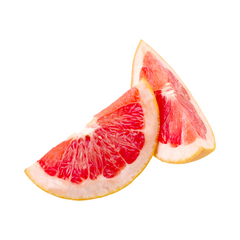
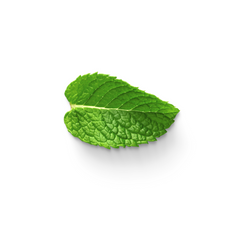
A green mandarin accord is built by blending green mandarin oil (30–35%), grapefruit (20–25%), lemon (20–25%), and mint (20–25%). Green mandarin provides tart, herbaceous freshness via limonene and gamma-terpinene. Grapefruit adds sharp, bitter-green facets through nootkatone and limonene, amplifying the zest. Lemon introduces a bright, aldehydic lift with citral and limonene, enhancing the top note’s radiance. Mint supplies menthol and carvone, which cool and extend the citrus impact, creating a lively, modern citrus accord.

35%

Green Mandarin

30–35% of blend

Provides tart, herbaceous freshness through high limonene and gamma-terpinene content. Sets the accord’s green, zesty signature.

25%

Grapefruit

20–25% of blend

Adds sharp, bitter-green facets via nootkatone and limonene, amplifying the zest and extending the citrus impact.

25%

Lemon

20–25% of blend

Introduces bright, aldehydic lift with citral and limonene, enhancing radiance and volatility in the top note.

25%

Mint

20–25% of blend

Supplies menthol and carvone, cooling the blend and extending the freshness of the citrus molecules.

The Olfactory Layers

How Green Mandarin Evolves on Skin

Green mandarin’s olfactory evolution is rapid and dynamic. The top note explodes within the first 5–10 minutes, driven by high-volatility molecules like limonene and gamma-terpinene. As these evaporate, the heart reveals subtle floral and herbal facets, while the base is fleeting, leaving a soft, musky trace.

I
Top notes
0–15 min
Zesty Citrus Burst

A vivid burst of tart, green citrus, dominated by limonene and gamma-terpinene. The initial impression is sharp, juicy, and mouthwatering, with a pulpy, almost aldehydic brightness that mimics the scent released when peeling a fresh, unripe mandarin.

ZestyTartGreen
II
Heart notes
20–60 min
Herbaceous Green

As the most volatile components dissipate, the heart reveals herbaceous and floral nuances, supported by minor constituents like myrcene and alpha-pinene. The scent softens, becoming slightly sweet and more rounded, with a hint of green tea or aromatic herbs.

HerbaceousFloralSoft
III
Base notes
Several hours
Clean Skin Finish

The base is subtle and short-lived, characterized by faint musky and woody undertones. Trace amounts of aldehydes and residual terpenes linger, providing a clean, skin-like finish that fades within 2–4 hours.

CleanMuskyFleeting
TOP NOTES Zesty Citrus Burst 0–15 minutes HEART NOTES Herbaceous Green 20–60 minutes BASE NOTES Clean Skin Finish Several hours
Through the Ages

The Story of Green Mandarin in Perfumery

Green mandarin’s history in perfumery is recent, but its parent species, Citrus reticulata, has been cultivated for centuries in Asia and the Mediterranean. Its use as a distinct note has grown with advances in extraction and global citrus trade.

Antiquity

Mandarin Cultivation in China

Citrus reticulata is cultivated in China as early as the Tang dynasty (7th–10th centuries CE), valued for its medicinal and aromatic properties. The fruit’s spread to the Mediterranean follows centuries later.

19th Century

Mandarin Introduced to Europe

Mandarin trees are introduced to Italy and Spain, where selective breeding leads to the development of green and red varieties. Citrus oils become prized in cologne and eau de toilette formulations.

1950s

Cold Pressing Revolutionizes Citrus Extraction

Mechanical cold pressing enables large-scale extraction of citrus oils, including green mandarin, preserving delicate top notes and expanding their use in perfumery.

2007

Guerlain Aqua Allegoria Mandarine Basilic Launches

Thierry Wasser’s composition brings green mandarin to prominence as a dominant note, paired with basil and light florals. The fragrance sets a new standard for citrus-aromatic blends.

2022

Acqua di Parma Mandarino di Sicilia Debuts

Acqua di Parma highlights green mandarin’s Mediterranean character, using fruit from Sicily’s Castelvetrano region. The fragrance underscores terroir and early-harvest sourcing.

2025

JMP Artisan Perfumes Green Mandarin

Jakub Pietrynka’s modern interpretation pairs green mandarin with grapefruit, ginger, and marine notes, reflecting contemporary trends in fresh, energetic perfumery.

The Art of Layering

How to Layer Green Mandarin

Understanding how to layer green mandarin is key to maximizing its fresh, tart signature. At the molecular level, green mandarin’s limonene and gamma-terpinene interact synergistically with floral, woody, and herbal notes, creating complex, multidimensional blends.

01

Enhance Sweetness

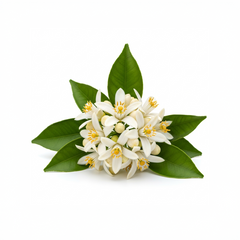
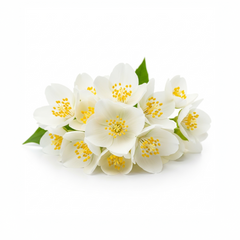
Pair green mandarin with white florals such as jasmine or orange blossom. Both share trace indole and linalool, which bridge citrus and floral facets, softening tartness and adding a creamy undertone. This technique is demonstrated in Guerlain Aqua Allegoria Mandarine Basilic.

02

Add Depth

Layer with woody notes like sandalwood or vetiver. The sesquiterpenes in woods slow the evaporation of citrus molecules, extending the green mandarin’s presence and adding a grounding, earthy counterpoint. Acqua di Parma Mandarino di Sicilia uses this approach for a balanced drydown.

03

Brighten Aromatics

Combine with herbal notes such as basil or mint. The shared terpenoid compounds (e.g., eucalyptol, menthol) amplify the green, fresh facets, creating a lively, modern accord. JMP Artisan Perfumes Green Mandarin pairs the note with green tea and marine accords for a breezy effect.

Wear It Right

How to Wear Green Mandarin Like a Pro

Seasonal Guide

Fall & Winter

In cooler weather, green mandarin’s volatility is suppressed, leading to a more subtle, longer-lasting citrus effect. Apply to pulse points under clothing for a gentle, uplifting presence. Layer with woody or spicy notes to add warmth and depth, compensating for reduced projection.

Spring

Spring’s moderate temperatures enhance green mandarin’s brightness without causing it to evaporate too quickly. The note’s green, herbaceous facets pair well with florals and light woods, creating a fresh, optimistic signature. Apply to exposed skin for maximum diffusion.

Summer

High heat accelerates the evaporation of limonene and other top-note molecules, making green mandarin burst forth with intensity but fade rapidly. Reapply as needed, and consider layering with aquatic or mint notes to extend freshness. Avoid direct sun exposure to minimize phototoxicity risk.

Year-Round Tip

For consistent performance, apply green mandarin fragrances to well-moisturized skin and layer with fixatives such as musk or light woods. This helps anchor the volatile top note, ensuring a more balanced evolution regardless of season.

Application Points

Strategic application enhances green mandarin’s projection and longevity, maximizing its fresh, zesty impact.

1

Neck

Applying to the neck leverages body heat to volatilize limonene, creating a vivid citrus aura that is immediately noticeable. The thin skin in this area accelerates evaporation, ideal for a quick, uplifting effect.

2

Behind the Ears

This area is slightly cooler, allowing the green mandarin note to linger longer. The proximity to hair and skin creases helps trap volatile molecules, extending the fresh, tart impression.

3

Inner Wrists

Pulse points on the wrists provide warmth and movement, diffusing the citrus aroma with every gesture. The skin here is thin and vascular, enhancing both projection and evolution.

4

Hair

Spraying on hair offers a sustained release of green mandarin molecules, as the porous hair fibers hold onto the scent. This technique is especially effective for maintaining freshness throughout the day.

★

Pro Tip

Layer green mandarin with a neutral, long-lasting base (such as musk or light woods) on the skin before applying the citrus fragrance. This anchors the volatile top note, increasing both projection and longevity.

Mood Architecture™

Top Green Mandarin Fragrances by Mood Score

These Green Mandarin-based fragrances scored highest on the MEI™ Mood Architecture Framework — measuring how a scent may influence your emotional state.

Highest MEI Score
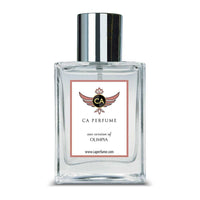
Bianco Puro — Tiziana Terenzi Bianco Puro Alternative Perfume
7.7
MEI™
Primary Romantic
Secondary Confident
Confidence
7.35
Presence
8.1
Mood Lift
7.6
Identity
7.8
Warmth
9.5
Social Ease
7.46
Energy
4.5
" I am beautiful.
View full mood profile →
Olimpia — Olympea Alternative Perfume for Women
6.9
MEI™
Primary Romantic
Secondary Confident
Confidence
6.4
Presence
6.9
Mood Lift
6.9
Identity
6.78
Warmth
9.27
Social Ease
6.6
Energy
3.9
" I am beautiful.
View full mood profile →
Aqua Di Giorgi Profondo — Acqua Di Gio Profondo Alternative Cologne
6.7
MEI™
Primary Romantic
Secondary Grounding
Confidence
6.43
Presence
6.6
Mood Lift
7.0
Identity
6.47
Warmth
7.3
Social Ease
6.55
Energy
5.9
" I am beautiful.
View full mood profile →
HumanSafe™

Top Green Mandarin Fragrances by HumanSafe™ Score

These Green Mandarin-based fragrances have the highest product-level HumanSafe™ scores in this ingredient collection.

Highest HumanSafe™ Score
Olimpia — Olympea Alternative Perfume for Women
A-
HumanSafe™ Score Generally Safe
Safest Evaluated Ingredients EDP
AQUA Solvent / Carrier ISS 10.0
BENZYL SALICYLATE Evaluated ingredient ISS 9.0
BENZENEPROPANAL, 4-METHOXY-.ALPHA.-METHYL- Evaluated ingredient ISS 9.0
4H-INDEN-4-ONE, 1,2,3,5,6,7-HEXAHYDRO-1,1,2,3,3- Evaluated ingredient ISS 9.0
2,6-DI-TERT-BUTYL-P-CRESOL Evaluated ingredient ISS 8.0
LINALOOL Evaluated ingredient ISS 7.0
View full safety profile →
Bianco Puro — Tiziana Terenzi Bianco Puro Alternative Perfume
A-
HumanSafe™ Score Generally Safe
Safest Evaluated Ingredients EDP
AQUA Solvent / Carrier ISS 10.0
1,4-DIOXACYCLOHEPTADECANE-5,17-DIONE Evaluated ingredient ISS 10.0
3-BUTEN-2-ONE, 3-METHYL-4-(2,6,6-TRIMETHYL-2- Evaluated ingredient ISS 8.0
2H-1-BENZOPYRAN-2-ONE Evaluated ingredient ISS 8.0
1,6,10-DODECATRIEN-3-OL, 3,7,11-TRIMETHYL- Evaluated ingredient ISS 8.0
LINALYL ACETATE Evaluated ingredient ISS 7.0
View full safety profile →
Aqua Di Giorgi Profondo — Acqua Di Gio Profondo Alternative Cologne
A-
HumanSafe™ Score Generally Safe
Safest Evaluated Ingredients EDP
AQUA Solvent / Carrier ISS 10.0
1,4-DIOXACYCLOHEPTADECANE-5,17-DIONE Evaluated ingredient ISS 10.0
7-OCTEN-2-OL, 2,6-DIMETHYL- Evaluated ingredient ISS 9.0
AMBERKETAL Evaluated ingredient ISS 8.0
3-BUTEN-2-ONE, 3-METHYL-4-(2,6,6-TRIMETHYL-2- Evaluated ingredient ISS 8.0
LINALYL ACETATE Evaluated ingredient ISS 7.0
View full safety profile →
Expert Voices

What Masters Say About Green Mandarin

“
Green mandarin is the scent of citrus groves in early summer — tart, sparkling, and full of energy. Its freshness is unmatched among citrus notes.
CA Perfume Editorial
“
The essential oil of green mandarin, with its high limonene content, delivers a uniquely vibrant, green citrus effect that perfumers value for its ability to uplift and energize a composition.
CA Perfume Editorial
Common Questions

Frequently Asked Questions

Frequently asked questions about green mandarin’s scent, use, and performance in perfumery.

Green mandarin in perfume smells tart, fresh, and distinctly green, with a pulpy citrus character and subtle herbaceous undertones. The aroma is shaped by limonene and gamma-terpinene, which create a zesty, mouthwatering effect reminiscent of freshly peeled unripe mandarin. Depending on the composition, it may also display faint floral or aldehydic nuances, making it more complex than standard citrus notes.

Green mandarin is classified as a top note due to its high volatility and rapid evaporation rate. It is typically among the first aromas perceived after application, providing an immediate burst of freshness and energy. While it can influence the heart of a fragrance, its primary impact is in the opening moments.

Green mandarin is favored in niche perfumery for its unique tart, herbaceous profile, which differentiates it from sweeter citrus notes like orange or red mandarin. Its ability to impart a vivid, natural freshness and its compatibility with both floral and woody accords make it a versatile tool for modern, energetic compositions.

Green mandarin fragrance uses often involve pairing with other citrus notes (grapefruit, bergamot), white florals (jasmine, orange blossom), and aromatic herbs (mint, basil, rosemary). These combinations create multidimensional accords, balancing tartness with sweetness or adding depth and complexity.

Yes, green mandarin is ideal for summer and hot weather due to its refreshing, uplifting character. Its high volatility means it projects well in warmth, though it may fade more quickly. Layering with fixatives or reapplying throughout the day can help maintain its presence.

Green mandarin’s top note typically lasts 2–4 hours on skin, depending on concentration and environmental factors. Its longevity can be extended by layering with fixatives such as musk or woods, or by applying to pulse points and hair for sustained diffusion.

Yes, green mandarin is highly layerable. It blends well with florals, woods, and other citrus notes. For best results, start with a woody or musky base and apply green mandarin on top, or combine with herbal notes for added freshness. Layering allows you to customize the scent’s evolution and projection.

Recommended entry points include Guerlain Aqua Allegoria Mandarine Basilic, Acqua di Parma Mandarino di Sicilia, and Acca Kappa Green Mandarin. These fragrances showcase green mandarin’s tart, fresh signature in accessible, well-balanced compositions.

Consider your preferred scent profile: pure citrus, citrus-floral, or citrus-woody. CA Perfume offers green mandarin compositions that highlight different facets, from sparkling freshness to aromatic complexity. Sampling is recommended to find the blend that best matches your style and skin chemistry.

Green mandarin is primarily tart and fresh, with only a subtle underlying sweetness. Its aroma is sharper and more herbaceous than red or yellow mandarin, making it ideal for those who prefer a zesty, invigorating citrus note over a syrupy or gourmand effect.

Citrus Aromatic Collection

Explore Our Top Green Mandarin Fragrances

Discover green mandarin’s tart, sparkling signature in our curated collection, featuring both pure citrus and complex aromatic blends.

Shop all green mandarin fragrances at CA Perfume →

Where Green Mandarin Comes From — Origin & Extraction

Green mandarin essential oil is derived from the unripe fruit of Citrus reticulata, harvested 1–2 months before full ripening. The primary producing countries are Italy (notably Calabria), Spain, Brazil, and Argentina, with Italy’s Calabria region recognized for high-quality, organically farmed green mandarins. Annual global production of mandarin oils (all types) is estimated at over 1,500 metric tons, with green mandarin representing a smaller, premium segment due to its early harvest and limited window. Extraction is performed via cold pressing (expression) of the green peel, a mechanical process that preserves the delicate, volatile aroma compounds. The process operates at ambient temperatures (below 30°C) to avoid thermal degradation of limonene and gamma-terpinene. The yield from fresh green mandarin peels is approximately 0.5–1.2% by weight, meaning 100 kg of fruit yields 0.5–1.2 kg of essential oil. After pressing, the oil is separated from the aqueous phase and filtered to remove waxes and impurities. Some producers may use steam distillation for a more concentrated, less volatile oil, but this method can alter the scent profile, reducing the characteristic tartness. Natural green mandarin oil typically sells for $150–300/kg, reflecting the labor-intensive harvest and limited supply. Synthetic alternatives, based on aroma molecules like limonene (CAS 138-86-3), gamma-terpinene (CAS 99-85-4), and octanal (CAS 124-13-0), are significantly less expensive ($15–40/kg) and offer greater batch-to-batch consistency. Sustainability concerns focus on agricultural practices, water use, and the impact of citrus greening disease (Candidatus Liberibacter asiaticus), which threatens global citrus crops. Certified organic and fair-trade initiatives are increasingly common in Calabria and Spain to ensure responsible sourcing and traceability.

Famous Fragrances That Define Green Mandarin in Perfumery

Green mandarin has emerged as a signature note in both niche and designer perfumery, celebrated for its ability to impart a fresh, tart, and green opening. One of the earliest and most influential uses is in Guerlain Aqua Allegoria Mandarine Basilic (2007, perfumer Thierry Wasser), where green mandarin is paired with basil and light florals for a sparkling, aromatic effect. Acqua di Parma Mandarino di Sicilia (2022) showcases the note’s Mediterranean character, blending it with bergamot, lemon, and petitgrain for a vivid, sunlit impression. JMP Artisan Perfumes Green Mandarin (2025, Jakub Pietrynka) modernizes the note, combining it with grapefruit, ginger, green tea, and marine accords to evoke a breezy, energetic landscape. Designer fragrances such as Yves Saint Laurent Black Opium Over Red (2023) and Versace Eros (2012) use green mandarin as a top note to add a zesty, youthful twist to otherwise rich, gourmand, or woody compositions. In niche perfumery, Ffern’s seasonal releases (e.g., Summer 21) and Acca Kappa Green Mandarin (2013) highlight the ingredient’s versatility, employing it as both a dominant and accent note. In each case, green mandarin functions as a top note, setting the stage for heart and base notes such as jasmine, rose, sandalwood, and marine accords. CA Perfume’s collection draws inspiration from this lineage, offering green mandarin compositions that balance authenticity, freshness, and technical precision.

Natural vs Synthetic Green Mandarin in Perfumery

Natural green mandarin oil is composed primarily of limonene (CAS 138-86-3), gamma-terpinene (CAS 99-85-4), and small amounts of alpha-pinene (CAS 80-56-8), myrcene (CAS 123-35-3), and octanal (CAS 124-13-0). These molecules provide the tart, green, and slightly floral facets unique to the unripe fruit. Synthetic green mandarin is typically reconstructed using a blend of limonene, gamma-terpinene, and aldehydes such as octanal and decanal, allowing for precise control over the scent profile and improved stability. Performance-wise, synthetic versions offer greater longevity and resistance to oxidation, as natural citrus oils are prone to degradation and photoreactivity. Natural green mandarin, however, is prized for its nuanced, multidimensional aroma and subtle variations between harvests. Cost is a major differentiator: natural oil ranges from $150–300/kg, while synthetics are $15–40/kg. Iconic fragrances such as Acqua di Parma Mandarino di Sicilia and Guerlain Aqua Allegoria Mandarine Basilic use natural green mandarin for authenticity, while more mass-market or stable formulas may rely on synthetic blends for consistency. Sustainability is a growing concern: natural green mandarin production is limited by agricultural yields and environmental factors, while synthetics reduce pressure on citrus groves but may rely on petrochemical feedstocks. The HumanSafe™ platform at CA Perfume verifies the provenance and safety of both natural and synthetic green mandarin ingredients, ensuring transparency and compliance with IFRA guidelines.