Where Green Apple Comes From — Origin & Extraction
The green apple note in perfumery is a synthetic construction, as no commercially viable essential oil or absolute can be extracted from Malus domestica, the botanical species of the common apple. Natural apple aroma compounds, such as ethyl-2-methylbutyrate, hexyl acetate, and butyl acetate, occur in trace concentrations (parts per million) and are highly water-soluble and heat-sensitive, making traditional extraction methods (steam distillation, solvent extraction) ineffective. Headspace analysis of fresh apples, especially Granny Smith cultivars, guides the formulation of green apple accords by identifying the key volatile molecules responsible for the fruit's characteristic scent.
The primary molecules used in green apple accords are synthesized industrially. Ethyl-2-methylbutyrate provides the signature fruity-green note, while hexyl acetate imparts a waxy, pear-apple freshness. Verdox (2-tert-butylcyclohexyl acetate) adds a woody-green nuance, and cis-3-hexenol introduces a leafy, cut-grass effect. These compounds are produced by leading aroma chemical manufacturers in Europe (notably IFF, Givaudan, and Symrise), with production sites in Switzerland, France, and Germany. The cost of these synthetics is relatively low: ethyl-2-methylbutyrate and hexyl acetate are available at $20–$50/kg, while Verdox and Fructone (another green apple molecule) are in the $100–$300/kg range. By contrast, attempts to create natural apple extracts yield negligible material and are not commercially pursued.
Sustainability is a key advantage of synthetic green apple notes. Their production does not rely on agricultural land or seasonal harvests, and the environmental impact is minimized through closed-loop chemical processes. All major green apple aroma chemicals are IFRA-compliant and widely regarded as safe at typical usage levels. The discovery of damascenone's role in apple aroma in the late 20th century was pivotal for realistic apple accords, and modern green apple notes are now a staple in global fragrance manufacturing.
Famous Fragrances That Define Green Apple in Perfumery
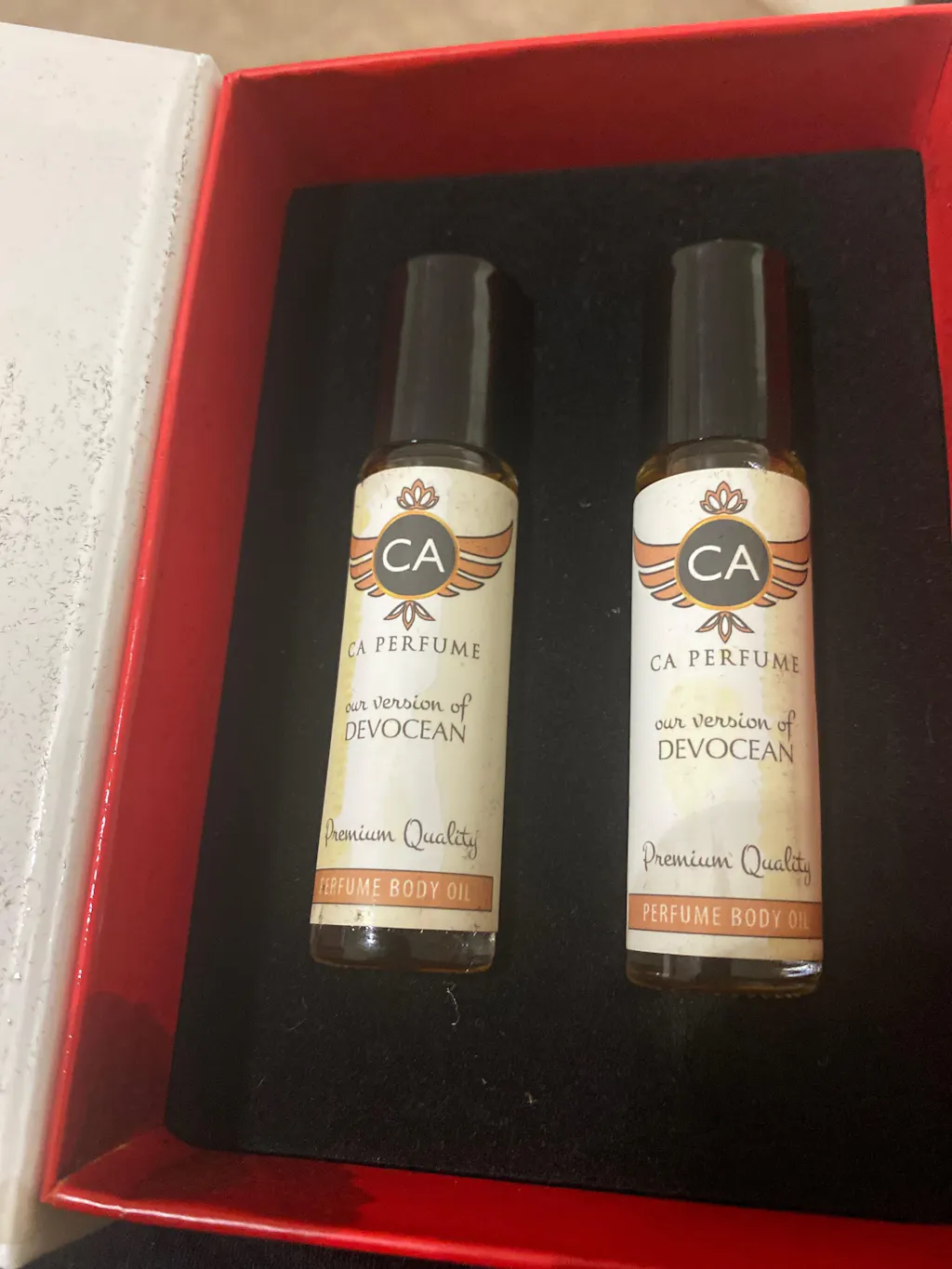
Green apple has become a defining note in contemporary perfumery, especially since the early 2000s. Its photorealistic, crisp freshness has been central to several landmark fragrances. DKNY Be Delicious by Donna Karan (2004, Maurice Roucel) is perhaps the most iconic, using a synthetic green apple accord to evoke the energy of New York City. The note is paired with cucumber, grapefruit, and floral heart notes, creating a modern, urban freshness. Parfums de Marly Greenley (2020, Alexandra Carlin) showcases green apple as a sparkling, unisex top note, balanced by petitgrain, cashmeran, and oakmoss for a refined, long-lasting effect. Hugo Boss Boss Bottled (1998, Annick Menardo) integrates green apple with cinnamon and woods, providing a sweet-tart opening that transitions to a warm, masculine base. Nautica Voyage (2006, Maurice Roucel) combines green apple with aquatic and leafy notes for a breezy, casual scent. Nina by Nina Ricci (2006, Olivier Cresp and Jacques Cavallier) uses green apple alongside praline and peony for a playful, gourmand twist. These fragrances illustrate the versatility of green apple as both a dominant and supporting note, often paired with florals, woods, and musks. CA Perfume's collection draws inspiration from this lineage, offering green apple-centered compositions that highlight the note's modern appeal.
Natural vs Synthetic Green Apple in Perfumery
Green apple as a perfume note is almost entirely synthetic, as there is no viable natural extraction method for apple essential oil or absolute. The volatile compounds that define green apple's scent—ethyl-2-methylbutyrate (CAS 7452-79-1), hexyl acetate (CAS 142-92-7), and Verdox/Fructone (CAS 81803-58-1)—are synthesized in laboratories. In real apples, these esters and aldehydes are present at trace levels, but their volatility and water solubility make direct extraction impractical. Headspace analysis and gas chromatography are used to identify and replicate the natural aroma profile.
Synthetic green apple molecules offer consistent quality, high odor strength, and excellent stability. They perform well as top notes, providing immediate projection and freshness, but their volatility means they dissipate within 30–60 minutes. Cost is a major advantage: synthetic apple esters are available for $20–$300/kg, whereas a hypothetical natural apple extract would be prohibitively expensive and unstable. Notable fragrances using synthetic green apple include DKNY Be Delicious (Donna Karan, 2004), Parfums de Marly Greenley (2020), and Hugo Boss Boss Bottled (1998). These synthetics are also more sustainable, as they do not require agricultural resources or generate significant waste.
CA Perfume's HumanSafe™ platform ensures full transparency regarding the use of synthetic green apple notes, with all aroma chemicals sourced from IFRA-compliant suppliers. The platform provides detailed safety and allergen information for each batch. Other key molecules in green apple accords include cis-3-hexenol (CAS 928-96-1), butyl acetate (CAS 123-86-4), and alpha-damascone (CAS 23726-91-2), each contributing specific facets to the overall scent profile.