Ingredient Guide · Fruity
Fruity Family · Perfumery Note

Grapes

A vivid, sweet aromatic note in perfumery

Grapes in perfumery serve as a fruity, sweet aromatic note often used in heart and top accords. The key molecule methyl anthranilate defines its characteristic grape scent, typically used at low concentrations of 0.1–0.5%.

Grapes
Ingredient Profile

Grapes

Fruity Family
Family Fruity
Note Position Top Note
Usage Level 0.1–0.5%
Key Origins Italy, France, United States
Iconic In Golden Drop, Cuir Venenum 03
The Ingredient

What does Grapes smell like and why is it significant in perfumery?

Grapes (genus Vitis) impart a distinctive fruity and sweet aromatic scent in perfumery, primarily due to the molecule methyl anthranilate (Methyl 2-aminobenzoate), which produces a characteristic grape-like aroma reminiscent of Concord grape candy and soda. Other key compounds include cis-3-hexen-1-ol, contributing green, freshly cut grass notes, and hexanal, which adds a sharp, green facet. This complex molecular profile gives grapes a kaleidoscopic scent that can range from juicy and sweet to slightly musty and berry-like depending on concentration and dilution. In perfumery, grapes are typically used as a heart or top note at concentrations around 0.1–0.5%, where they provide a fresh, sweet, and vibrant facet that interacts variably with skin chemistry, often enhancing fruity accords and adding a naturalistic freshness. The grape note can be amplified or softened depending on the supporting ingredients and the wearer's skin pH and temperature. Notable fragrances featuring grapes include Golden Drop by Reichenbach (where grapes evoke sun-warmed dessert grapes blended with amber and smoky dried fruits) and Karagoz by Nishane, which uses dark dessert grapes alongside jasmine and patchouli to create a harvest-festival ambiance. Pierre Guillaume Paris’s Cuir Venenum 03 also showcases the Isabella grape aroma, combining juicy grapes with orange blossom and subtle smoky undertones.

0.1–0.5%
Typical concentration range of grape accord in perfume formulations to achieve a balanced fruity note without overpowering.
5–7 hours
Average longevity of grape accords in eau de parfum concentrations, supported by musks and woody bases.
2000+
Approximate number of volatile compounds identified in grapes, contributing to their complex scent profile.
Origin & Extraction

Where Grapes Come From — Origin & Extraction

Grapes’ olfactory character is influenced by geography, with soil composition, climate, and cultivation methods shaping their aroma profile. Regions with warm, sunny climates and well-drained soils produce grapes with richer, sweeter scents, while cooler regions yield fresher, greener notes.

Grapes used in perfumery primarily derive from the species Vitis vinifera, the cultivated grapevine, and occasionally from Vitis labrusca varieties such as Concord and Isabella grapes, known for their distinctive aromatic profiles. Major grape-producing countries include Italy, France, Spain, and the United States, with the U.S. Concord grape variety being particularly noted for its intense grape aroma used in flavor and fragrance industries. Extraction of grape aroma for perfumery is typically achieved through solvent extraction or headspace techniques rather than direct distillation, as heat can degrade key aromatic compounds like methyl anthranilate. Solvent extraction using ethanol or supercritical CO2 preserves the delicate fruity and green notes. The yield of grape absolute or extract is relatively low, making natural grape aroma ingredients moderately expensive. Synthetic grape aroma chemicals such as methyl anthranilate are widely used due to cost-effectiveness and consistency. Natural grape extracts can cost several thousand dollars per kilogram, whereas synthetic methyl anthranilate is available at a fraction of that cost. Sustainability concerns focus on agricultural practices and solvent use, with organic and non-GMO grape alcohol gaining attention for eco-friendly perfume bases.

IT

Italy

Regions like Tuscany and Piedmont produce grapes with rich, sun-ripened sweetness due to warm Mediterranean climate and calcareous soils. Italy accounts for approximately 20% of global grape production, with traditional harvesting methods emphasizing quality.

FR

France

Bordeaux and Burgundy regions offer diverse terroirs with clay-limestone soils and temperate climates, producing grapes with balanced fruity and mineral notes. France is a leading producer of wine grapes, influencing perfumery grape accords.

US

United States

California’s Napa Valley and Washington State cultivate Concord and Isabella grapes, known for their intense grape aroma used in flavor and fragrance industries. The U.S. produces about 7% of the world’s grapes, with modern mechanized harvesting.

ES

Spain

Regions like La Rioja and Catalonia produce grapes with bright acidity and fruity aromas due to continental climate and varied soils. Spain contributes roughly 15% of global grape production, with a focus on both table and wine grapes.

Chemistry

Natural vs Synthetic Grapes in Perfumery

The primary synthetic molecule replicating grape aroma is methyl anthranilate (CAS 134-20-3), which reproduces the sweet, fruity, and slightly musky grape scent characteristic of Concord grapes. Other aroma chemicals used include hexanal (CAS 66-25-1) for green, sharp notes, and cis-3-hexen-1-ol (CAS 928-96-1) for fresh, leafy nuances. Natural grape extracts contain a complex mixture of over 2,000 volatile compounds, including esters, aldehydes, alcohols, ketones, and terpenes, which provide a richer and more nuanced scent but with variability in quality and supply. Synthetic grape aroma chemicals offer greater stability, consistency, and affordability, with methyl anthranilate costing approximately $50–200/kg compared to natural extracts costing upwards of $3,000/kg. Famous fragrances such as Golden Drop Reichenbach and Karagoz Nishane utilize natural or natural-inspired grape accords, while synthetic grape aroma chemicals are common in mass-market fruity perfumes and flavor applications. The HumanSafe™ platform ensures transparency and safety in sourcing and formulation for both natural and synthetic grape ingredients, emphasizing skin safety and allergen management.

Natural
Grapes Absolute
Cost $3,000–6,000/kg
Method Solvent / CO₂
Character Complex, variable
vs
Synthetic
Safranal & Analogues
Cost $50–200/kg
Method Lab synthesis
Character Consistent, stable
Hall of Fame

Famous Fragrances That Define Grapes in Perfumery

accent

Golden Drop

Reichenbach
ambercivetsmoky dried fruits
dominant note

Cuir Venenum 03

Pierre Guillaume Paris
orange blossomsmoke
2019
dominant note

Karagoz

Nishane
jasminepatchoulivetiverred wine
2020
accent

Malbec Magnetic

O Boticário
woody notesfruity notes
2021
heart note

Glass Blooms

Régime des Fleurs
dewy floralstransparent musks

Grapes have been featured in a variety of notable perfumes, often as a fresh, fruity accent or a defining accord. Golden Drop by Reichenbach (launch year unknown) uses grapes as a sun-warmed dessert note blending with amber, civet, and smoky dried fruits, creating a rich gourmand character. Pierre Guillaume Paris’s Cuir Venenum 03 (circa 2010s) prominently features Isabella grapes with radiant orange blossom and smoky undertones, offering a complex yet fresh interpretation. Karagoz by Nishane (2019) officially incorporates dark dessert grapes, paired with jasmine, patchouli, and vetiver, evoking a harvest festival atmosphere. Malbec Magnetic by O Boticário (2020) uses grape accords to complement woody and fruity notes, while Glass Blooms by Régime des Fleurs (2021) presents a dewy, floral grape scent that is light and ethereal. These examples illustrate the versatility of grapes in perfumery, from fresh and green to rich and sweet. CA Perfume’s collection reflects this lineage by offering fragrances that explore the multifaceted nature of grape accords without relying on synthetic clichés.

The Accord

How is a captivating Grapes accord crafted?

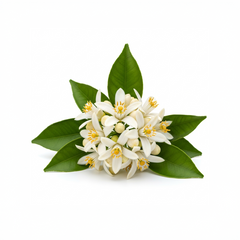
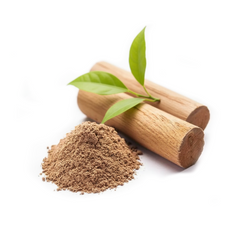
A well-balanced grape accord typically includes 25–30% grape accord (methyl anthranilate-rich), 20–25% orange blossom to provide a floral bridge sharing aromatic esters, 20–25% transparent musk to soften and enhance longevity, and 25–30% sandalwood for a creamy woody base that complements the fruity facets. The orange blossom shares common aromatic esters with grape, creating a seamless olfactory transition. Musk acts as a fixative and masks any sharpness, while sandalwood’s creamy lactones round out the accord, providing depth and warmth.

30%

Grapes

25–30% of blend

Provides the core fruity, sweet grape aroma through methyl anthranilate and related esters.

25%

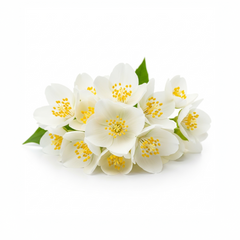
Orange Blossom

20–25% of blend

Shares aromatic esters with grapes, creating a floral-fruity bridge enhancing harmony.

25%

Transparent Musk

20–25% of blend

Softens the sharp edges of grape aroma and extends longevity through olfactory masking.

30%

Sandalwood

25–30% of blend

Adds creamy, woody depth that balances the sweetness and provides a lasting base.

The Olfactory Layers

How Grapes Evolves on Skin

The olfactory evolution of grape accords begins with high-volatility esters and aldehydes that evaporate quickly, delivering a fresh, fruity burst in the first 15 minutes. As these top notes fade, heart notes of floral and green terpenes emerge, lasting up to an hour. Base notes of musk and woody lactones provide a creamy, lingering foundation for several hours, stabilizing the grape accord’s sweetness.

I
Top notes
0–15 min
Juicy Freshness

Dominated by methyl anthranilate and hexanal, these high-volatility molecules impart a bright, sweet grape and green freshly cut grass aroma. Their rapid evaporation creates an immediate juicy and fresh impression.

FruityFreshGreen
II
Heart notes
20–60 min
Floral-Green Harmony

Floral esters and cis-3-hexen-1-ol contribute a soft, leafy, and slightly musty grape scent, blending with orange blossom and light musks. This stage balances sweetness with green freshness.

FloralLeafySweet
III
Base notes
Several hours
Creamy Woody Musk

Woody lactones from sandalwood and transparent musks provide a creamy, smooth, and persistent base that supports the fading grape sweetness, ensuring longevity and depth.

WoodyCreamyMusky
TOP NOTES Juicy Freshness 0–15 minutes HEART NOTES Floral-Green Harmony 20–60 minutes BASE NOTES Creamy Woody Musk Several hours
Through the Ages

The Story of Grapes in Perfumery

Grapes have a long history in perfumery, from ancient Egyptian rituals to modern niche fragrances, evolving from raw fruit use to sophisticated synthetic aroma chemicals.

Antiquity

Grapes in Egyptian Perfumes

Ancient Egyptians used grapes in pastille-like fumum perfumes such as Kyphi, combining mashed grapes with honey, myrrh, and wine for ritualistic and funerary purposes.

Roman Empire

Grapes in Roman Fragrances

Romans incorporated grapes and unripe grape juice in olive oil-based perfumes, blending with herbs like rosemary and lavender, expanding the use of grape aroma in personal scents.

1921

Identification of Methyl Anthranilate

Methyl anthranilate was first identified in grape juice, later becoming the principal synthetic molecule to replicate grape aroma in perfumery and flavor industries.

Late 20th Century

Synthetic Grape Aroma Emergence

Synthetic methyl anthranilate and related esters became widely used in perfumes and candies, enabling consistent and affordable grape scent reproduction.

2010s–2020s

Modern Niche Perfumes Featuring Grapes

Fragrances like Pierre Guillaume Paris’s Cuir Venenum 03 and Nishane’s Karagoz prominently feature grape accords, showcasing the note’s versatility and renewed interest.

The Art of Layering

How to Layer Grapes

Understanding how to layer grapes involves molecular compatibility with complementary notes to enhance or soften its facets.

01

Enhance Sweetness

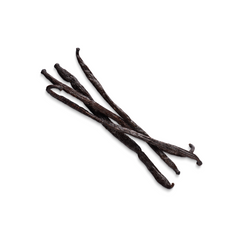
Layer grapes with vanilla or tonka bean to soften sharpness via olfactory masking. Vanillin’s sweet threshold overrides grape’s metallic edge, producing a warm, rounded sweetness. This pairing is exemplified in Vanille Fruitee Eau de Parfum by Molinard.

02

Add Depth

Combine grapes with sandalwood or cedarwood to introduce creamy, woody lactones that stabilize the volatile grape esters, extending longevity and adding complexity. Purple Oud by Christian Dior demonstrates this synergy.

03

Lighten the Glow

Pair grapes with citrus notes like bergamot or neroli, which share common esters, creating a bright, fresh accord that highlights grape’s juicy facets. This technique is used in Glass Blooms by Régime des Fleurs.

Wear It Right

How to Wear Grapes Like a Pro

Seasonal Guide

Fall & Winter

Cooler temperatures reduce volatility, softening grape top notes and emphasizing woody and musky bases. Apply more liberally or layer with warm spices to maintain presence.

Spring

Moderate temperatures highlight the fresh, floral, and fruity facets of grapes. Layer with light florals or citrus to enhance brightness and freshness.

Summer

Heat increases volatility, causing rapid evaporation of grape top notes. Use lighter applications or combine with aquatic or green notes to maintain freshness without overwhelming.

Year-Round Tip

Layer grape accords with musks or sandalwood to extend longevity and balance freshness regardless of season.

Application Points

Strategic application enhances grape note projection and longevity.

1

Neck

Pulse points like the neck emit heat, accelerating evaporation of grape top notes for immediate freshness.

2

Behind the Ears

Warmth behind ears supports scent diffusion, allowing the grape accord to unfold naturally.

3

Inner Wrists

Wrists provide a warm, mobile surface enhancing scent projection and interaction with skin chemistry.

4

Hair

Hair fibers retain fragrance molecules longer, releasing grape notes subtly with movement.

Pro Tip

Layer grape perfumes over unscented moisturizers to hydrate skin and prolong scent longevity.

Mood Architecture™

Top Grapes Fragrances by Mood Score

These Grapes-based fragrances scored highest on the MEI™ Mood Architecture Framework — measuring how a scent may influence your emotional state.

Highest MEI Score
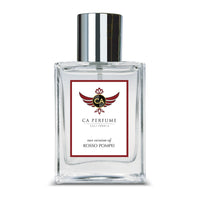
Rosso Pompei — Tiziana Terenzi Rosso Pompei Alternative Perfume
7.62
MEI™
Primary Fresh
Secondary Confident
Confidence
7.2
Presence
7.99
Mood Lift
8.96
Identity
7.59
Warmth
7.65
Social Ease
6.82
Energy
4.7
" I am radiant.
View full mood profile →
HumanSafe™

Top Grapes Fragrances by HumanSafe™ Score

These Grapes-based fragrances have the highest product-level HumanSafe™ scores in this ingredient collection.

Highest HumanSafe™ Score
Rosso Pompei — Tiziana Terenzi Rosso Pompei Alternative Perfume
A-
HumanSafe™ Score Generally Safe
Safest Evaluated Ingredients EDP
AQUA Solvent / Carrier ISS 10.0
1,4-DIOXACYCLOHEPTADECANE-5,17-DIONE Evaluated ingredient ISS 10.0
1H-3A,7-METHANOAZULENE, OCTAHYDRO-6-METHOXY-3,6,8,8- Evaluated ingredient ISS 9.0
2-HEXENE, 6,6-DIMETHOXY-2,5,5-TRIMETHYL- Evaluated ingredient ISS 8.0
LINALYL ACETATE Evaluated ingredient ISS 7.0
LINALOOL Evaluated ingredient ISS 7.0
View full safety profile →
Expert Voices

What Masters Say About Grapes

Methyl anthranilate is the quintessential molecule used to recreate the typical grape-like scent, providing a fruity, sweet, and concord grape aroma essential in many perfumes and flavorings.
Fulvio Ciccolo, Perfume Chemist
Grapes present one of the most interesting, complex, and kaleidoscopic facets in perfumery, capable of becoming a formidable asset in the hands of a master perfumer despite their aromatic flexibility.
CA Perfume Editorial
Common Questions

Frequently Asked Questions

Frequently asked questions about grapes in perfumery.

Grapes in perfume smell fruity, sweet, and aromatic, primarily due to methyl anthranilate, which imparts a characteristic Concord grape candy scent. Additional compounds like cis-3-hexen-1-ol add fresh green notes, creating a complex, juicy profile found in fragrances such as Golden Drop and Karagoz.

Grapes are typically used as a top or heart note in fragrances, appearing in the initial to mid stages of scent evolution at concentrations around 0.1–0.5%. Their volatile esters provide fresh, fruity brightness that gradually transitions to floral and woody bases.

Grapes offer a unique, multifaceted aroma that can evoke freshness, sweetness, and complexity, making them attractive for niche perfumers seeking distinctive fruity accords. Their chemical complexity allows creative layering with florals, musks, and woods, enhancing originality.

Grapes pair well with orange blossom, vanilla, sandalwood, musk, jasmine, bergamot, patchouli, amber, and cinnamon. These combinations balance grape’s fruity sweetness with floral, woody, and spicy nuances, broadening the fragrance’s olfactory depth.

Yes, grape perfumes are suitable for summer due to their fresh, juicy character. However, heat increases volatility, so lighter applications or layering with aquatic or green notes can maintain freshness without overwhelming the wearer.

Grape accords typically last 5–7 hours in eau de parfum concentrations, supported by musks and woody bases that extend longevity beyond the initial volatile fruity burst.

Yes, layering grapes with vanilla or tonka bean softens sharpness, sandalwood adds depth, and citrus notes like bergamot brighten the accord. These molecular compatibilities enhance the overall scent experience.

Beginner-friendly grape perfumes include Glass Blooms by Régime des Fleurs for a light floral grape scent, and Malbec Magnetic by O Boticário for a fruity-woody blend. These offer approachable, balanced grape accords.

Consider your preference for fresh, sweet, or woody grape accords. CA Perfume offers a curated selection emphasizing natural complexity and layering potential, supported by the HumanSafe™ platform for ingredient transparency.

Grapes primarily smell sweet and fruity, but when combined with spices like cinnamon or amber, they can acquire a warm, subtly spicy facet, enriching the overall fragrance complexity.

Fruity Collection

Explore Our Top Grapes Fragrances

Discover a curated selection of fragrances featuring the fresh, sweet, and complex aroma of grapes.

Shop all grapes fragrances at CA Perfume →

Where Grapes Come From — Origin & Extraction

Grapes used in perfumery primarily derive from the species Vitis vinifera, the cultivated grapevine, and occasionally from Vitis labrusca varieties such as Concord and Isabella grapes, known for their distinctive aromatic profiles. Major grape-producing countries include Italy, France, Spain, and the United States, with the U.S. Concord grape variety being particularly noted for its intense grape aroma used in flavor and fragrance industries. Extraction of grape aroma for perfumery is typically achieved through solvent extraction or headspace techniques rather than direct distillation, as heat can degrade key aromatic compounds like methyl anthranilate. Solvent extraction using ethanol or supercritical CO2 preserves the delicate fruity and green notes. The yield of grape absolute or extract is relatively low, making natural grape aroma ingredients moderately expensive. Synthetic grape aroma chemicals such as methyl anthranilate are widely used due to cost-effectiveness and consistency. Natural grape extracts can cost several thousand dollars per kilogram, whereas synthetic methyl anthranilate is available at a fraction of that cost. Sustainability concerns focus on agricultural practices and solvent use, with organic and non-GMO grape alcohol gaining attention for eco-friendly perfume bases.

Famous Fragrances That Define Grapes in Perfumery

Grapes have been featured in a variety of notable perfumes, often as a fresh, fruity accent or a defining accord. Golden Drop by Reichenbach (launch year unknown) uses grapes as a sun-warmed dessert note blending with amber, civet, and smoky dried fruits, creating a rich gourmand character. Pierre Guillaume Paris’s Cuir Venenum 03 (circa 2010s) prominently features Isabella grapes with radiant orange blossom and smoky undertones, offering a complex yet fresh interpretation. Karagoz by Nishane (2019) officially incorporates dark dessert grapes, paired with jasmine, patchouli, and vetiver, evoking a harvest festival atmosphere. Malbec Magnetic by O Boticário (2020) uses grape accords to complement woody and fruity notes, while Glass Blooms by Régime des Fleurs (2021) presents a dewy, floral grape scent that is light and ethereal. These examples illustrate the versatility of grapes in perfumery, from fresh and green to rich and sweet. CA Perfume’s collection reflects this lineage by offering fragrances that explore the multifaceted nature of grape accords without relying on synthetic clichés.

Natural vs Synthetic Grapes in Perfumery

The primary synthetic molecule replicating grape aroma is methyl anthranilate (CAS 134-20-3), which reproduces the sweet, fruity, and slightly musky grape scent characteristic of Concord grapes. Other aroma chemicals used include hexanal (CAS 66-25-1) for green, sharp notes, and cis-3-hexen-1-ol (CAS 928-96-1) for fresh, leafy nuances. Natural grape extracts contain a complex mixture of over 2,000 volatile compounds, including esters, aldehydes, alcohols, ketones, and terpenes, which provide a richer and more nuanced scent but with variability in quality and supply. Synthetic grape aroma chemicals offer greater stability, consistency, and affordability, with methyl anthranilate costing approximately $50–200/kg compared to natural extracts costing upwards of $3,000/kg. Famous fragrances such as Golden Drop Reichenbach and Karagoz Nishane utilize natural or natural-inspired grape accords, while synthetic grape aroma chemicals are common in mass-market fruity perfumes and flavor applications. The HumanSafe™ platform ensures transparency and safety in sourcing and formulation for both natural and synthetic grape ingredients, emphasizing skin safety and allergen management.