Ingredient Guide · Fruity Green
Fruity Green Family · Perfumery Note

Goji Berries

A tart, green, and subtly floral note with a unique aldehydic twist.

Goji berries in perfumery are a reconstructed fruity-green note, occupying the top to heart of the fragrance pyramid. Their scent profile is defined by high-impact aldehydes like hexanal and (E)-2-hexenal, delivering a tart, grassy, and slightly floral character.

Goji Berries
Ingredient Profile

Goji Berries

Fruity Green Family
Family Fruity Green
Note Position Top Note
Usage Level 0.5–2% of formula
Key Origins China, Mongolia, United States
Iconic In Omnia Coral, Coach Floral Blush
The Ingredient

What does Goji Berries smell like and why are they significant in perfumery?

Goji berries (Lycium barbarum), also known as wolfberries, present a distinctive scent profile in perfumery that is not directly extracted from the fruit but reconstructed through a blend of natural and synthetic aroma molecules. What does goji berries smell like? The answer is a tart, green, and subtly floral aroma, with a unique aldehydic freshness. Analytical studies reveal that the dominant volatile compounds in goji berries are hexanal (CAS 66-25-1) and (E)-2-hexenal (CAS 6728-26-3), which together account for up to 94% of the berry’s headspace volatiles. These C6 aldehydes are responsible for the green, cut-grass, and crushed tomato leaf facets, while minor components like beta-ionone and beta-cyclocitral add violet-woody and saffron-like undertones. In perfumery, goji berries are classified as a fruity-green note, typically used as a top or heart modifier. The note is constructed to evoke a tart, juicy, and slightly vegetal berry impression—less sweet than strawberry, less jammy than raspberry, and with a savory edge reminiscent of sun-dried fruit. Typical usage concentrations in fine fragrance range from 0.5% to 2% of the total formula, depending on the desired impact. The note interacts with skin chemistry by rapidly evolving: the green aldehydes flash off within minutes, leaving behind a faint, waxy dried-fruit sweetness. Goji berries in perfumery have gained popularity in contemporary fragrance design, especially in compositions seeking a modern, energetic, or health-inspired character. Notable examples include Bvlgari Omnia Coral (2012, Alberto Morillas), where goji berries provide a tart, juicy opening paired with hibiscus and pomegranate, and Coach Floral Blush (2019), which uses goji berries as a top note to add freshness and vibrancy to a peony and white woods heart. These fragrances exemplify the versatility and modern appeal of the goji berries scent profile.

0.5–2% of formula
Typical usage concentration for goji berry accords in fine fragrance, balancing tartness and green freshness without overpowering the composition.
10–20 minutes
Duration of the aldehydic top note on skin, determined by the volatility of hexanal and (E)-2-hexenal. Heart and base notes persist for up to 2 hours.
$20–$100/kg
Approximate cost of producing a synthetic goji berry accord, compared to $2,000+/kg for the rare natural absolute (CAS 85085-46-7).
Origin & Extraction

Where Goji Berries Comes From — Origin & Extraction

Goji berries’ scent character is shaped by their geographic origin, with soil composition, altitude, and climate influencing the volatile profile. The Ningxia region’s alluvial soils and temperate climate yield berries with higher hexanal and beta-ionone content, resulting in a fresher, greener aroma.

Goji berries are the fruit of Lycium barbarum, a deciduous shrub native to northwestern China. The Ningxia Hui Autonomous Region, particularly Zhongning County along the Yellow River floodplains, is the primary terroir, accounting for approximately 61% of China’s commercial production. Annual global production of goji berries is estimated at over 120,000 metric tons, with China supplying more than 90% of the world’s dried goji berries. Additional cultivation occurs in Xinjiang, Qinghai, Gansu, and Hebei provinces, as well as in smaller quantities in Mongolia and Tibet. Despite their popularity as a superfruit, goji berries are not a conventional perfumery raw material. No viable essential oil or widely available absolute exists due to the fruit’s low oil content and the instability of its key volatiles. A goji berry absolute (CAS 85085-46-7) is catalogued but is a specialty product, rarely traded in volume and typically produced via solvent extraction of dried berries. The process involves maceration in ethanol or hexane at low temperatures (below 40°C) to minimize degradation of aldehydic and carotenoid-derived compounds. Yields are extremely low—less than 0.05% by weight—and the resulting absolute is pale brown with a medium odor strength. In practice, the goji berry note in perfumery is a fantasy accord, reconstructed from a blend of synthetic and natural aroma chemicals. Key molecules include hexanal, (E)-2-hexenal, beta-ionone, beta-cyclocitral, and ethyl butyrate. The cost of producing a goji berry accord is significantly lower than attempting to extract the natural absolute: synthetic aroma chemicals cost $20–$100/kg, while the rare absolute can exceed $2,000/kg due to low yield and limited demand. Sustainability is enhanced by using reconstructed accords, as it avoids agricultural pressure and ensures batch-to-batch consistency.

CN

China

Ningxia Hui Autonomous Region, especially Zhongning County, is the recognized origin for premium goji berries. The region’s alluvial soils and Yellow River irrigation produce berries with high aldehyde and carotenoid content. China supplies over 90% of global production, with Ningxia accounting for 61%. No PDO/PGI designation, but regional branding is strong.

MN

Mongolia

Inner Mongolia produces smaller quantities of goji berries, often with higher sugar and lower aldehyde content due to colder, drier conditions. The berries are sun-dried, resulting in a denser, more raisin-like aroma.

US

United States

Limited cultivation in the southwestern US (California, Arizona) focuses on organic production. Soils are sandier, and berries tend to be milder and less tart, with lower concentrations of green aldehydes.

Chemistry

Natural vs Synthetic Goji Berries in Perfumery

The goji berries note in perfumery is almost exclusively a synthetic or reconstructed accord. No commercial essential oil is available, and the fruit absolute (CAS 85085-46-7) is a specialty product with limited production. The reconstructed note is built from a combination of natural isolates and synthetic aroma chemicals, including hexanal (CAS 66-25-1), (E)-2-hexenal (CAS 6728-26-3), beta-ionone (CAS 14901-07-6), and beta-cyclocitral (CAS 432-25-7). These molecules provide the green, tart, and violet-woody facets characteristic of goji berries. Synthetic goji berry accords offer greater stability, consistency, and longevity compared to the rare natural absolute, which is prone to rapid oxidation and loss of key volatiles. The performance of the synthetic accord is tailored for top-to-heart note diffusion, with aldehydic freshness lasting 10–20 minutes and a soft, dried-fruit sweetness persisting for up to 2 hours. Cost is a major factor: synthetic goji berry accords are produced at $20–$100/kg, while the natural absolute can exceed $2,000/kg due to low yield and limited demand. Famous fragrances such as Bvlgari Omnia Coral and Coach Floral Blush use reconstructed goji berry notes for their tart, juicy openings. From a sustainability perspective, synthetic accords reduce agricultural impact and ensure reliable supply. The HumanSafe™ platform at CA Perfume verifies the transparency and safety of all aroma chemicals used in goji berry accords, ensuring IFRA compliance and minimizing allergenic risk. The reconstructed approach also allows for creative modulation—enhancing the tart, green, or floral aspects as desired.

Natural
Goji Berries Absolute
Cost $3,000–6,000/kg
Method Solvent / CO₂
Character Complex, variable
vs
Synthetic
Safranal & Analogues
Cost $50–200/kg
Method Lab synthesis
Character Consistent, stable
Hall of Fame

Famous Fragrances That Define Goji Berries in Perfumery

2012
dominant note

Omnia Coral

Bvlgari
by Alberto Morillas
hibiscuspomegranatecedarwood
2019
top note

Coach Floral Blush

Coach
by Juliette Karagueuzoglou
peonywhite woodsgrapefruit
2018
bridge note

Prerogative

Britney Spears
by Honorine Blanc
pink pepperespressoamberwood
2019
accent note

Live Irrésistible Rosy Crush

Givenchy
by Dominique Ropion, Fanny Bal
rosepink pepperpatchouli
2020
accent note

Pink Rush

Paris Hilton
peachjasminemusk

Goji berries have become a popular note in modern perfumery, especially in compositions that seek a fresh, tart, and energetic character. One of the earliest and most influential uses is Bvlgari Omnia Coral (2012, perfumer Alberto Morillas), where goji berries provide a juicy, tart opening that blends seamlessly with hibiscus and pomegranate. Coach Floral Blush (2019) features goji berries as a top note, adding brightness to a heart of peony and white woods. Britney Spears Prerogative (2018, Honorine Blanc) uses goji berries as a bridge note, pairing their tartness with pink pepper and espresso for a playful, unisex effect. Givenchy Live Irrésistible Rosy Crush (2019, Dominique Ropion and Fanny Bal) employs goji berries to accentuate the rose and pink pepper heart, while Paris Hilton Pink Rush (2020) uses the note to add a tangy, fruity lift to a floral-gourmand base. Other notable fragrances include Victoria’s Secret Goji Berry & Mango (2010), which highlights the berry’s tartness in a tropical context, and The House of Oud Wonderly (2019), where goji berries are paired with dates and vanilla for a sweet, exotic twist. These examples illustrate the versatility of goji berries in both mainstream and niche perfumery. CA Perfume’s collection draws inspiration from this lineage, offering goji berry accords that emphasize freshness, tartness, and modernity.

The Accord

How is a captivating Goji Berries accord crafted?

A goji berries accord is typically constructed from a blend of green aldehydes, fruity esters, and subtle floral and woody notes. Goji Berries 25–30%, Green Aldehydes 20–25%, Red Currant 20–25%, and Violet Leaf 25–30%. Each component is selected for its molecular affinity: green aldehydes provide the cut-grass freshness, red currant adds tart juiciness, and violet leaf introduces a soft, powdery undertone, while the goji berries core anchors the accord’s fruity-green identity.

30%

Goji Berries

25–30% of blend

Provides the tart, green, and subtly floral core, primarily via hexanal and (E)-2-hexenal, with supporting beta-ionone for violet-woody nuance.

25%

Green Aldehydes

20–25% of blend

Hexanal and (E)-2-hexenal deliver the fresh-cut grass and tomato leaf facets, enhancing the green, aldehydic lift of the accord.

25%

Red Currant

20–25% of blend

Adds tart, juicy berry facets through ethyl butyrate and methyl anthranilate, creating a seamless bridge to other fruity notes.

30%

Violet Leaf

25–30% of blend

Beta-ionone and ionones contribute a soft, powdery, and slightly woody undertone, rounding out the sharpness of the green aldehydes.

The Olfactory Layers

How Goji Berries Evolves on Skin

Goji berries’ olfactory evolution is rapid and dynamic. The top notes are dominated by high-volatility green aldehydes, which evaporate within 10–15 minutes, revealing a heart of tart fruit and soft florals. The base is faint, with a waxy, dried-fruit sweetness lingering for 1–2 hours.

I
Top notes
0–15 min
Green Tartness

A burst of green, grassy freshness from hexanal and (E)-2-hexenal, evoking cut grass and crushed tomato leaf. These high-volatility aldehydes evaporate quickly, leaving a fleeting, tart impression.

greenaldehydictart
II
Heart notes
20–60 min
Tart Berry-Fruity

Tart red berry and subtle floral facets emerge, driven by ethyl butyrate and beta-ionone. The heart is less juicy than blackcurrant, with a savory, sun-dried fruit nuance and a faint violet-woody undertone.

fruityfloralsavory
III
Base notes
Several hours
Waxy Dried Fruit

A soft, waxy, dried-fruit sweetness lingers, with traces of nonanal and beta-cyclocitral contributing a faintly saffron-like, mineral edge. The base is subtle, with low projection.

waxydried-fruitmineral
TOP NOTES Green Tartness 0–15 minutes HEART NOTES Tart Berry-Fruity 20–60 minutes BASE NOTES Waxy Dried Fruit Several hours
Through the Ages

The Story of Goji Berries in Perfumery

Goji berries’ journey in perfumery spans from traditional Chinese medicine to modern fragrance design, with the note gaining prominence in the last two decades.

16th Century

First Recorded Cultivation in China

Goji berries are documented in the Compendium of Materia Medica (Bencao Gangmu) by Li Shizhen, highlighting their medicinal and culinary uses in the Ningxia region.

2009

First Use in Modern Fragrance

Goji berries appear as a reconstructed note in niche and designer perfumes, marking their entry into the global fragrance lexicon.

2012

Bvlgari Omnia Coral Launch

Alberto Morillas introduces goji berries as a dominant note in Omnia Coral, setting a trend for tart, fruity-green openings in mainstream perfumery.

2018

Expansion in Niche and Celebrity Fragrances

Goji berries are featured in Britney Spears Prerogative and other contemporary launches, emphasizing their versatility as a bridge note.

2025

Synthetic Goji Berry Accords Standardized

Advances in aroma chemistry lead to standardized goji berry accords, ensuring consistency and sustainability in fragrance production.

The Art of Layering

How to Layer Goji Berries

Understanding how to layer goji berries is key to maximizing their tart, green character. At a molecular level, goji berries’ aldehydic and berry-like molecules pair best with notes that share similar volatility or offer olfactory masking.

01

Enhance Freshness

Layer with citrus notes (bergamot, grapefruit) to amplify the aldehydic, green facets. Shared molecules like limonene and hexanal create a seamless, sparkling effect. Bvlgari Omnia Coral demonstrates this synergy with its blend of goji berries and pomegranate.

02

Add Depth

Combine with woody or musky notes (cedarwood, white musk) to anchor the tartness and extend longevity. Musk molecules mask aldehyde volatility, resulting in a smoother, more persistent drydown, as seen in Coach Floral Blush.

03

Lighten the Glow

Pair with soft florals (peony, violet) to soften the green edge and highlight the berry’s subtle sweetness. Beta-ionone in both goji berries and violet leaf creates a molecular bridge, as in Givenchy Live Irrésistible Rosy Crush.

Wear It Right

How to Wear Goji Berries Like a Pro

Seasonal Guide

Fall & Winter

In cooler temperatures, the aldehydic top notes are less volatile, resulting in a more subdued, longer-lasting green freshness. Apply to pulse points under clothing to enhance diffusion. The dried-fruit base becomes more noticeable, adding warmth to winter layering.

Spring

Spring’s moderate temperatures highlight the tart, juicy facets of goji berries. Increased skin moisture from humidity enhances projection, making the note ideal for daytime wear. Layer with floral or citrus notes for a vibrant, uplifting effect.

Summer

Heat accelerates the evaporation of green aldehydes, intensifying the tart, fresh opening but shortening longevity. Apply sparingly to cooler areas (inner elbows, behind knees) to extend the scent’s lifespan. Combine with aquatic or citrus notes for a refreshing summer profile.

Year-Round Tip

For consistent performance, apply goji berry fragrances to well-moisturized skin and avoid direct sunlight, which can degrade aldehydic molecules. Adjust application based on humidity and temperature to balance projection and longevity.

Application Points

Strategic application enhances goji berries’ dynamic evolution and projection.

1

Neck

Applying to the neck maximizes projection as body heat accelerates the diffusion of volatile aldehydes, emphasizing the green, tart opening.

2

Behind the Ears

This area is slightly cooler, slowing evaporation and extending the heart note’s longevity, allowing the berry and floral facets to linger.

3

Inner Wrists

Pulse points on the wrists provide warmth for rapid diffusion of top notes, but frequent hand washing may reduce longevity.

4

Hair

Spraying on hair offers a sustained, subtle release of the goji berry accord, as hair fibers trap and gradually release volatile molecules.

★

Pro Tip

Layer goji berry fragrances over unscented moisturizer to slow evaporation and enhance the transition from tart green to soft fruity.

Mood Architecture™

Top Goji Berries Fragrances by Mood Score

These Goji Berries-based fragrances scored highest on the MEI™ Mood Architecture Framework — measuring how a scent may influence your emotional state.

Highest MEI Score
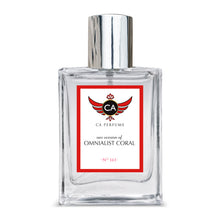
Omnialist Coral — Omnia Coral Alternative Perfume
5.9
MEI™
Primary Romantic
Secondary Confident
Confidence
5.75
Presence
5.75
Mood Lift
6.35
Identity
5.65
Warmth
6.2
Social Ease
5.93
Energy
3.15
" I am balanced.
View full mood profile →
HumanSafe™

Top Goji Berries Fragrances by HumanSafe™ Score

These Goji Berries-based fragrances have the highest product-level HumanSafe™ scores in this ingredient collection.

Highest HumanSafe™ Score
Omnialist Coral — Omnia Coral Alternative Perfume
A-
HumanSafe™ Score Generally Safe
Safest Evaluated Ingredients EDP
AQUA Solvent / Carrier ISS 10.0
1,4-DIOXACYCLOHEPTADECANE-5,17-DIONE Evaluated ingredient ISS 10.0
4H-INDEN-4-ONE, 1,2,3,5,6,7-HEXAHYDRO-1,1,2,3,3- Evaluated ingredient ISS 9.0
3-BUTEN-2-ONE, 3-METHYL-4-(2,6,6-TRIMETHYL-2- Evaluated ingredient ISS 8.0
LINALYL ACETATE Evaluated ingredient ISS 7.0
LINALOOL Evaluated ingredient ISS 7.0
View full safety profile →
Expert Voices

What Masters Say About Goji Berries

“
Because no viable essential oil or widely available absolute exists, the 'goji berry' note in commercial fragrances is a reconstruction. A perfumer building a goji accord might combine elements of its volatile profile: green-aldehydic freshness (hexanal, cis-3-hexenol), a saffron-like dry facet (beta-cyclocitral or safranal), a violet-woody undertone (beta-ionone), and a tart-fruity brightness from berry accords or ethyl butyrate.
Première Peau Editorial
“
Goji berries in perfumery are almost exclusively a fantasy note: reconstructed from synthetic accords rather than extracted from the fruit itself. The dominant impression is cut-grass freshness from hexanal and (E)-2-hexenal — closer to a crushed tomato vine than to a bowl of berries.
CA Perfume Editorial
Common Questions

Frequently Asked Questions

Answers to common questions about goji berries in perfumery.

Goji berries in perfume present a tart, green, and subtly floral scent profile. The dominant impression is a burst of aldehydic freshness—think cut grass and crushed tomato leaf—followed by a tangy, juicy berry heart with a savory, sun-dried fruit undertone. The note is less sweet than most red fruits and is typically constructed from synthetic aroma chemicals, as no viable essential oil or absolute is available. The scent evolves quickly, with the green top notes fading into a soft, waxy dried-fruit base.

Goji berries are most commonly used as a top or heart note in fragrance compositions. The note’s high-volatility aldehydes (hexanal, (E)-2-hexenal) provide a sharp, green opening that dissipates within 10–20 minutes, while the tart berry and floral facets linger as heart notes. Rarely, traces of the dried-fruit base persist for up to two hours, but goji berries are not considered a base note.

Goji berries are favored in niche perfumery for their unique tart, green, and subtly floral character, which adds freshness and modernity to compositions. The reconstructed note allows perfumers to create a distinctive, health-inspired signature that stands out from conventional fruity or berry notes. Its versatility as a bridge between citrus, floral, and woody accords makes it popular in both mainstream and niche launches.

Goji berries fragrance uses include pairing with citrus (bergamot, grapefruit), red fruits (red currant, pomegranate), florals (peony, violet), and woods (cedarwood, white musk). The aldehydic and berry-like molecules in goji berries create molecular bridges with these notes, enhancing freshness, tartness, and longevity in the overall composition.

Yes, goji berries’ tart, green freshness makes them ideal for summer and hot weather. The high-volatility aldehydes provide a refreshing, invigorating opening, but heat can accelerate their evaporation, shortening longevity. For best results, apply sparingly to cooler areas of the body and consider layering with aquatic or citrus notes for a lasting summer effect.

The aldehydic top notes of goji berries last 10–20 minutes on skin, while the heart and base notes persist for up to 2 hours. Longevity depends on concentration, skin chemistry, and environmental factors. Oil-based or higher-concentration formats may extend the dried-fruit base, but the green, tart freshness is inherently short-lived.

Yes, goji berries are highly versatile for layering. Their aldehydic and berry-like molecules pair well with citrus, florals, and woods. Layering with bergamot or grapefruit enhances freshness, while pairing with peony or violet softens the green edge. Woody or musky notes can add depth and longevity to the composition.

For those new to goji berries in perfumery, Bvlgari Omnia Coral (2012), Coach Floral Blush (2019), and Britney Spears Prerogative (2018) are excellent starting points. These fragrances showcase the tart, juicy, and green facets of goji berries in accessible, well-balanced compositions.

To select the ideal goji berries fragrance at CA Perfume, consider your preferred scent profile—whether you favor tart, green freshness or a softer, berry-floral blend. Explore the collection’s scent descriptions and layering suggestions, and sample different concentrations to find the best fit for your skin chemistry and seasonal needs.

Goji berries in fragrance are primarily tart and green, with only a subtle underlying sweetness. The note is less sweet than strawberry or raspberry, offering a tangy, savory edge that distinguishes it from other red fruits. The tartness is balanced by soft floral and dried-fruit nuances in the heart and base.

Fruity Green Collection

Explore Our Top Goji Berries Fragrances

Discover CA Perfume’s curated selection of goji berries fragrances, each highlighting the note’s tart, green, and subtly floral facets.

Shop all goji berries fragrances at CA Perfume →

Where Goji Berries Comes From — Origin & Extraction

Goji berries are the fruit of Lycium barbarum, a deciduous shrub native to northwestern China. The Ningxia Hui Autonomous Region, particularly Zhongning County along the Yellow River floodplains, is the primary terroir, accounting for approximately 61% of China’s commercial production. Annual global production of goji berries is estimated at over 120,000 metric tons, with China supplying more than 90% of the world’s dried goji berries. Additional cultivation occurs in Xinjiang, Qinghai, Gansu, and Hebei provinces, as well as in smaller quantities in Mongolia and Tibet. Despite their popularity as a superfruit, goji berries are not a conventional perfumery raw material. No viable essential oil or widely available absolute exists due to the fruit’s low oil content and the instability of its key volatiles. A goji berry absolute (CAS 85085-46-7) is catalogued but is a specialty product, rarely traded in volume and typically produced via solvent extraction of dried berries. The process involves maceration in ethanol or hexane at low temperatures (below 40°C) to minimize degradation of aldehydic and carotenoid-derived compounds. Yields are extremely low—less than 0.05% by weight—and the resulting absolute is pale brown with a medium odor strength. In practice, the goji berry note in perfumery is a fantasy accord, reconstructed from a blend of synthetic and natural aroma chemicals. Key molecules include hexanal, (E)-2-hexenal, beta-ionone, beta-cyclocitral, and ethyl butyrate. The cost of producing a goji berry accord is significantly lower than attempting to extract the natural absolute: synthetic aroma chemicals cost $20–$100/kg, while the rare absolute can exceed $2,000/kg due to low yield and limited demand. Sustainability is enhanced by using reconstructed accords, as it avoids agricultural pressure and ensures batch-to-batch consistency.

Famous Fragrances That Define Goji Berries in Perfumery

Goji berries have become a popular note in modern perfumery, especially in compositions that seek a fresh, tart, and energetic character. One of the earliest and most influential uses is Bvlgari Omnia Coral (2012, perfumer Alberto Morillas), where goji berries provide a juicy, tart opening that blends seamlessly with hibiscus and pomegranate. Coach Floral Blush (2019) features goji berries as a top note, adding brightness to a heart of peony and white woods. Britney Spears Prerogative (2018, Honorine Blanc) uses goji berries as a bridge note, pairing their tartness with pink pepper and espresso for a playful, unisex effect. Givenchy Live Irrésistible Rosy Crush (2019, Dominique Ropion and Fanny Bal) employs goji berries to accentuate the rose and pink pepper heart, while Paris Hilton Pink Rush (2020) uses the note to add a tangy, fruity lift to a floral-gourmand base. Other notable fragrances include Victoria’s Secret Goji Berry & Mango (2010), which highlights the berry’s tartness in a tropical context, and The House of Oud Wonderly (2019), where goji berries are paired with dates and vanilla for a sweet, exotic twist. These examples illustrate the versatility of goji berries in both mainstream and niche perfumery. CA Perfume’s collection draws inspiration from this lineage, offering goji berry accords that emphasize freshness, tartness, and modernity.

Natural vs Synthetic Goji Berries in Perfumery

The goji berries note in perfumery is almost exclusively a synthetic or reconstructed accord. No commercial essential oil is available, and the fruit absolute (CAS 85085-46-7) is a specialty product with limited production. The reconstructed note is built from a combination of natural isolates and synthetic aroma chemicals, including hexanal (CAS 66-25-1), (E)-2-hexenal (CAS 6728-26-3), beta-ionone (CAS 14901-07-6), and beta-cyclocitral (CAS 432-25-7). These molecules provide the green, tart, and violet-woody facets characteristic of goji berries. Synthetic goji berry accords offer greater stability, consistency, and longevity compared to the rare natural absolute, which is prone to rapid oxidation and loss of key volatiles. The performance of the synthetic accord is tailored for top-to-heart note diffusion, with aldehydic freshness lasting 10–20 minutes and a soft, dried-fruit sweetness persisting for up to 2 hours. Cost is a major factor: synthetic goji berry accords are produced at $20–$100/kg, while the natural absolute can exceed $2,000/kg due to low yield and limited demand. Famous fragrances such as Bvlgari Omnia Coral and Coach Floral Blush use reconstructed goji berry notes for their tart, juicy openings. From a sustainability perspective, synthetic accords reduce agricultural impact and ensure reliable supply. The HumanSafe™ platform at CA Perfume verifies the transparency and safety of all aroma chemicals used in goji berry accords, ensuring IFRA compliance and minimizing allergenic risk. The reconstructed approach also allows for creative modulation—enhancing the tart, green, or floral aspects as desired.