Ingredient Guide · White Floral
White Floral Family · Perfumery Note

Gardenia

The impossible flower, reimagined in scent.

Gardenia is a white floral note in perfumery, renowned for its creamy, green, and slightly earthy character. Its scent is reconstructed from jasmine, lactones, and indole, with no true essential oil available for perfumery.

Gardenia
Ingredient Profile

Gardenia

White Floral Family
Family White Floral
Note Position Heart Note
Usage Level 2–4% in formula
Key Origins China, Japan, Taiwan
Iconic In Gardénia, Gardenia
The Ingredient

What does Gardenia smell like and why is it so elusive in perfumery?

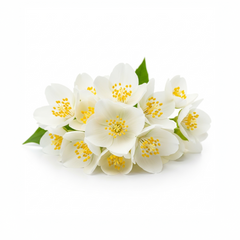
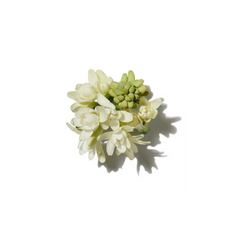
Gardenia’s scent profile is a study in complexity: it is creamy, lush, and distinctly white-floral, yet also marked by green, earthy, and faintly mushroom-like nuances. The core molecular contributors to its aroma include styrallyl acetate (gardenol), which imparts a green, dry, floral character; methyl benzoate, responsible for sweet, fruity, and faintly wintergreen facets; and jasmine lactone (jasmolactone), which lends the signature coconut-creamy depth. Indole, present in both gardenia and jasmine, adds the narcotic, slightly animalic undertone that gives gardenia its sultry, heady edge. These molecules, along with γ-nonalactone (aldehyde C-18) and methyl anthranilate, form the backbone of the gardenia scent profile. In perfumery, gardenia is classified as a heart note, though its reconstructed accords can appear in both top and base layers depending on the formula. Typical concentrations in fine fragrance range from 0.5% to 2% of the total composition, sufficient to create a dominant white floral effect without overpowering the blend. Gardenia’s interaction with skin chemistry is notable: on warmer, more acidic skin, its creamy lactonic facets are amplified, while on drier or more alkaline skin, the green and earthy nuances become more pronounced. This variability is due to the volatility and reactivity of its key synthetic components, especially indole and lactones, which shift in perception with temperature and pH. Gardenia in perfumery is exemplified by Chanel Gardénia (1925, Ernest Beaux), where the note is rendered through a blend of jasmine, tuberose, and synthetic lactones to evoke the living flower. More recently, Gucci Flora Gorgeous Gardenia (2012, 2021) and Tom Ford Velvet Gardenia (2007, now discontinued) have showcased gardenia as a central theme, pairing it with notes like pear, patchouli, and brown sugar for a modern, photorealistic effect. These fragrances demonstrate the versatility and enduring allure of the gardenia scent profile in both classic and contemporary perfumery.

2–4% in formula
Gardenia accords are typically used at 2–4% of a fragrance formula, sufficient to dominate the heart without overwhelming the blend. Higher concentrations risk excessive indolic or lactonic heaviness.
5–8 hours
A well-constructed gardenia fragrance lasts 5–8 hours on skin, with the creamy heart persisting longest due to the lower volatility of lactones and musks.
>$20,000/kg (natural absolute)
Natural gardenia absolute, produced via enfleurage, can exceed $20,000/kg, making it one of the rarest and least-used materials in perfumery. Synthetic bases cost $50–$300/kg.
Origin & Extraction

Where Gardenia Comes From — Origin & Extraction

Gardenia’s olfactory character is shaped by its native habitats—humid, subtropical regions with rich, acidic soils. The most prized species for perfumery, Gardenia jasminoides, thrives in southern China, Japan, and Taiwan, where warm nights and high humidity intensify the creamy, indolic scent.

Gardenia refers primarily to Gardenia jasminoides, a member of the Rubiaceae (coffee) family, native to southern China, Taiwan, Japan, and Vietnam. The genus was named in 1762 by Carl Linnaeus to honor Scottish-American botanist Alexander Garden. While over 128 species exist globally, including Gardenia taitensis (Tahitian gardenia), only a handful are relevant to perfumery. Historically, gardenia was cultivated in China and Japan for ornamental and medicinal uses, and reached Europe via the Dutch Cape Colony in the 18th century. Commercial extraction of gardenia scent is considered impossible at scale. Steam distillation destroys the key odorants, and solvent extraction yields products that bear little resemblance to the living flower. Traditional enfleurage—using odorless fats to absorb the aroma—was practiced in Reunion Island and Colombia, but yields are extremely low: approximately 3,000–4,000 kg of fresh flowers are required to produce 1 kg of concrete, which then yields only 0.5 kg of absolute. This process is prohibitively expensive, with natural gardenia absolute costing upwards of $20,000/kg, and is virtually extinct in modern perfumery. Experimental solvent extractions (acetone, hexane) have been reported, but the resulting extracts are rarely used in fine fragrance. As a result, all gardenia in perfumery is a synthetic reconstruction, built from aroma chemicals such as styrallyl acetate (CAS 93-92-5), methyl benzoate (CAS 93-58-3), jasmine lactone (CAS 104-50-7), and indole (CAS 120-72-9). These molecules are produced primarily in Europe (Givaudan, Firmenich), the US (IFF), and Japan (Takasago). The cost of synthetic gardenia bases ranges from $50–$300/kg, depending on the complexity and purity of the blend. Sustainability is enhanced by the use of synthetics, as no wild or cultivated gardenia populations are depleted, and the HumanSafe™ platform provides full transparency on sourcing and safety.

CN

China

Southern China (Fujian, Guangdong, Yunnan) is the primary native range for Gardenia jasminoides. The region’s acidic soils and monsoon climate yield flowers with pronounced creamy and green notes. While not used for industrial extraction, these blooms are the olfactory reference for perfumers.

JP

Japan

In Japan, gardenia (kuchinashi) is widely cultivated in Kyushu and Shikoku. Japanese gardenia is noted for its slightly fruitier, less indolic scent, attributed to cooler night temperatures and volcanic soils. No commercial extraction occurs, but local varieties are used for olfactory studies.

TW

Taiwan

Taiwanese gardenia, grown in the central and southern regions, is valued for its intense, sweet aroma. The island’s subtropical climate and high humidity enhance the lactonic, creamy facets of the flower.

PF

French Polynesia

Gardenia taitensis (Tahitian gardenia, tiaré) is the national flower of French Polynesia. Its scent is more tropical and coconut-like, used in monoi oil and as a reference for solar, beach-inspired accords.

Chemistry

Natural vs Synthetic Gardenia in Perfumery

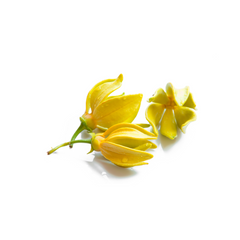
No true gardenia essential oil or absolute is available at commercial scale; all gardenia notes in perfumery are synthetic reconstructions. Key synthetic molecules include styrallyl acetate (CAS 93-92-5), which provides the green, rhubarb-like signature; jasmine lactone (CAS 104-50-7), for coconut-creamy depth; and methyl benzoate (CAS 93-58-3), for fruity sweetness. Indole (CAS 120-72-9) is also crucial for the narcotic, animalic undertone. Synthetic gardenia accords are more stable, consistent, and longer-lasting than any natural extract, with enhanced diffusion and resistance to oxidation. The cost differential is dramatic: synthetic gardenia bases are $50–$300/kg, while enfleurage-derived absolutes (if available) exceed $20,000/kg. Famous fragrances such as Chanel Gardénia and Gucci Flora Gorgeous Gardenia rely entirely on synthetic reconstructions, often blending jasmine, tuberose, and ylang-ylang fractions with lactones and indole. Sustainability is a major advantage: synthetics avoid the depletion of wild gardenia populations and reduce environmental impact. CA Perfume’s HumanSafe™ platform ensures that all gardenia materials are fully traceable, IFRA-compliant, and free from restricted allergens.

Natural
Gardenia Absolute
Cost $3,000–6,000/kg
Method Solvent / CO₂
Character Complex, variable
vs
Synthetic
Safranal & Analogues
Cost $50–200/kg
Method Lab synthesis
Character Consistent, stable
Hall of Fame

Famous Fragrances That Define Gardenia in Perfumery

1925
dominant note

Gardénia

Chanel
by Ernest Beaux
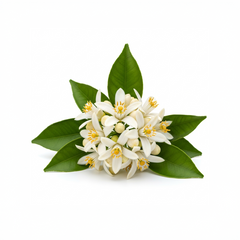
jasminetuberoseorange blossomvanilla
2003
dominant note

Gardenia

Elizabeth Taylor
lily-of-the-valleypeonyorchidmusk
2012
dominant note

Flora Gorgeous Gardenia

Gucci
pear blossomred berriesbrown sugarpatchouli
2007
dominant note

Velvet Gardenia

Tom Ford
by Rodrigo Flores-Roux
tuberosemyrrhcitrusincense
2011
bridge note

Honour Woman

Amouage
by Alexandra Carlin, Violaine Collas
jasminetuberosecarnationamber

Gardenia has inspired some of the most iconic white floral fragrances in perfumery, despite the absence of a true natural extract. Chanel Gardénia (1925, Ernest Beaux) was among the first to reconstruct the flower’s creamy, heady aroma using a blend of jasmine, tuberose, and synthetic lactones. Elizabeth Taylor Gardenia (2003) offers a green, creamy soliflore interpretation, with gardenia as the dominant note, supported by lily-of-the-valley and peony. Gucci Flora Gorgeous Gardenia (2012, relaunched 2021) modernizes the note with a blend of pear blossom, red berries, and brown sugar, creating a sweet, photorealistic gardenia effect. Tom Ford Velvet Gardenia (2007, Rodrigo Flores-Roux) is renowned for its bold, indolic, and slightly animalic take, pairing gardenia with tuberose and myrrh. Amouage Honour Woman (2011, Alexandra Carlin and Violaine Collas) uses gardenia as a bridge note, linking jasmine, tuberose, and carnation in a complex floral heart. Other notable fragrances include Goutal Gardenia Passion (1989, Isabelle Doyen) and Byredo Casablanca Lily (2019), both of which explore gardenia’s creamy, tropical facets. CA Perfume’s collection draws on this rich lineage, offering gardenia-inspired scents that balance tradition and innovation.

The Accord

How is a captivating Gardenia accord crafted?

A classic gardenia accord is built from: Styrallyl acetate (20–25%), Jasmine absolute (20–25%), Jasmine lactone (25–30%), and Tuberose absolute (25–30%). Styrallyl acetate provides the green, garden-fresh signature; jasmine absolute supplies indolic, narcotic depth; jasmine lactone imparts creamy, coconut-like richness; tuberose absolute rounds out the accord with additional white floral and buttery facets. Together, these molecules reconstruct the elusive gardenia scent in perfumery.

25%

Jasmine Absolute

20–25% of blend

Jasmine absolute provides indole and methyl anthranilate, which are essential for the narcotic, sweet, and slightly animalic undertone characteristic of gardenia.

30%

Tuberose Absolute

25–30% of blend

Tuberose absolute adds creamy, buttery facets and additional white floral lactones, enhancing the richness and volume of the gardenia accord.

25%

Styrallyl Acetate

20–25% of blend

Styrallyl acetate (gardenol) imparts the green, rhubarb-like freshness and is the primary molecule associated with the gardenia scent in perfumery.

30%

Jasmine Lactone

25–30% of blend

Jasmine lactone (jasmolactone) delivers the coconut-creamy, lactonic depth that defines the lush, tropical aspect of gardenia.

The Olfactory Layers

How Gardenia Evolves on Skin

Gardenia’s olfactory evolution is shaped by the volatility of its synthetic components. The top notes—green, fresh, and slightly fruity—evaporate within 0–15 minutes, giving way to the creamy, lactonic heart dominated by jasmine lactone and indole. The base is a lingering, musky-woody drydown, with residual lactones and musk molecules providing longevity.

I
Top notes
0–15 min
Green Dew

The initial impression is green, crisp, and slightly fruity, driven by high-volatility molecules like styrallyl acetate and methyl benzoate. These compounds evaporate quickly, creating a fresh, dewy effect reminiscent of crushed gardenia petals and green leaves.

GreenFreshFruity
II
Heart notes
20–60 min
Creamy Bloom

The heart is dominated by creamy, coconut-like lactones (jasmine lactone, γ-nonalactone) and indole, which together create the lush, narcotic white floral signature of gardenia. This stage is rich, heady, and enveloping, with a pronounced floral volume.

CreamyFloralLactonic
III
Base notes
Several hours
Earthy Musk

The drydown is musky, woody, and subtly earthy, as the heavier lactones and musk molecules persist. Indole and sandalwood or patchouli bases may be present, providing a soft, lingering finish that anchors the floral heart.

MuskyWoodyEarthy
TOP NOTES Green Dew 0–15 minutes HEART NOTES Creamy Bloom 20–60 minutes BASE NOTES Earthy Musk Several hours
Through the Ages

The Story of Gardenia in Perfumery

Gardenia’s journey in perfumery spans from 18th-century botanical discovery to its status as the archetypal 'impossible flower' of modern fragrance.

1762

Botanical Naming by Linnaeus

Swedish botanist Carl Linnaeus names the genus Gardenia in honor of Alexander Garden, establishing its place in botanical nomenclature. The flower is introduced to European horticulture via the Dutch Cape Colony.

Early 1900s

First Attempts at Extraction

Enfleurage and solvent extraction are used in Reunion Island and Colombia to obtain gardenia absolute, but yields are low and the scent differs from the living flower.

1925

Chanel Gardénia Launches

Ernest Beaux creates Chanel Gardénia, one of the earliest and most influential gardenia-themed fragrances, using a synthetic reconstruction to evoke the flower’s creamy, white floral character.

1970s–1980s

Rise of Modern Gardenia Accords

Advances in aroma chemistry (styrallyl acetate, jasmine lactone) enable more accurate gardenia reconstructions. Gardenia becomes a staple in both soliflore and complex floral compositions.

2012–2021

Contemporary Gardenia Perfumes

Gucci Flora Gorgeous Gardenia and Tom Ford Velvet Gardenia bring gardenia into the mainstream, using advanced synthetic accords to create photorealistic, versatile interpretations.

The Art of Layering

How to Layer Gardenia

Understanding how to layer gardenia involves molecular compatibility: gardenia’s lactones and indole pair synergistically with notes that share similar volatiles or provide olfactory masking. Knowing how to layer gardenia enables the creation of unique, multidimensional scent signatures.

01

Enhance Sweetness

Layering gardenia with vanilla amplifies the creamy, gourmand facets through olfactory masking: vanillin’s sweet threshold softens indole’s sharpness, resulting in a lush, dessert-like floral. This pairing is demonstrated in Gucci Flora Gorgeous Gardenia, where brown sugar and vanilla create a photorealistic, sweet gardenia effect.

02

Add Depth

Pairing gardenia with sandalwood or patchouli introduces woody, earthy molecules that anchor the volatile lactones, prolonging the creamy heart and adding complexity. Tom Ford Velvet Gardenia exemplifies this, using myrrh and sandalwood to deepen the floral accord.

03

Brighten with Citrus

Combining gardenia with citrus notes (bergamot, mandarin) leverages shared aldehydes and terpenes, enhancing the green, fresh top notes and creating a sparkling, uplifting opening. Chanel Gardénia uses orange blossom and citrus to lift the floral heart.

Wear It Right

How to Wear Gardenia Like a Pro

Seasonal Guide

Fall & Winter

In cooler temperatures, gardenia’s green and earthy notes are more pronounced, while the creamy lactones are subdued. Apply to pulse points and layer with sandalwood or vanilla to enhance warmth and longevity. Lower humidity slows evaporation, so expect a more subtle, intimate sillage.

Spring

Spring’s moderate warmth and humidity allow gardenia’s full spectrum to shine. The creamy, floral heart is balanced by fresh green top notes. Apply lightly to avoid overwhelming the senses, and consider pairing with citrus or light woods for added brightness.

Summer

Heat increases the volatility of gardenia’s lactones and indole, amplifying the creamy, tropical facets. High humidity boosts projection and sillage, but also accelerates evaporation. Apply sparingly and consider layering with coconut or citrus for a solar, beach-inspired effect.

Year-Round Tip

Adjust application based on climate: in dry, cold air, use richer concentrations or layer with musk; in hot, humid weather, opt for lighter applications and pair with green or citrus notes to maintain freshness.

Application Points

Strategic application maximizes gardenia’s evolving scent profile and optimizes projection and longevity.

1

Neck

The neck’s warmth accelerates the release of gardenia’s creamy lactones, creating a pronounced floral aura. Ideal for showcasing the heart note’s narcotic richness.

2

Behind the Ears

This pulse point offers moderate heat, allowing for a gradual evolution from green top notes to creamy heart. It also minimizes scent fatigue due to its distance from the nose.

3

Inner Wrists

The wrists’ warmth and movement enhance the volatility of green and fruity top notes, providing an immediate burst of freshness that transitions smoothly to the creamy core.

4

Hair

Applying gardenia to hair ensures a slow, sustained release of lactones and musks, prolonging the creamy, floral effect throughout the day. Alcohol-free formulas are recommended to avoid dryness.

Pro Tip

Layer gardenia fragrances over unscented moisturizer to slow evaporation and extend longevity, especially in dry or cold climates. This technique enhances the creamy, enveloping facets.

Mood Architecture™

Top Gardenia Fragrances by Mood Score

These Gardenia-based fragrances scored highest on the MEI™ Mood Architecture Framework — measuring how a scent may influence your emotional state.

Highest MEI Score
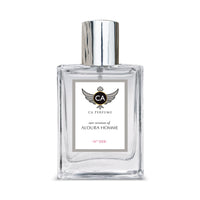
Aloura Homme — Chanel Allure Alternative Cologne
8.46
MEI™
Primary Romantic
Secondary Confident
Confidence
7.54
Presence
7.47
Mood Lift
9.5
Identity
7.67
Warmth
9.5
Social Ease
9.0
Energy
5.3
" I am beautiful.
View full mood profile →
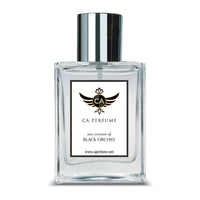
Black Orchid — Tom Ford Black Orchid Alternative Perfume
8.33
MEI™
Primary Romantic
Secondary Confident
Confidence
7.84
Presence
8.66
Mood Lift
8.87
Identity
8.98
Warmth
9.5
Social Ease
7.93
Energy
3.7
" I am beautiful.
View full mood profile →
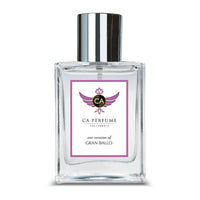
Gran Ballo — Xerjoff Gran Ballo Alternative Perfume
8.22
MEI™
Primary Romantic
Secondary Confident
Confidence
6.95
Presence
7.2
Mood Lift
9.5
Identity
7.1
Warmth
9.5
Social Ease
9.26
Energy
3.1
" I am beautiful.
View full mood profile →
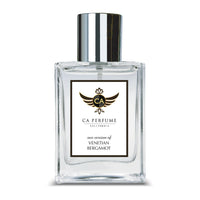
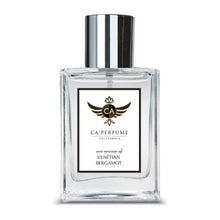
Venetian Bergamot — Tom Ford Venetian Bergamot Alternative Perfume
7.9
MEI™
Primary Fresh
Secondary Romantic
Confidence
6.95
Presence
7.78
Mood Lift
9.26
Identity
7.17
Warmth
8.53
Social Ease
8.15
Energy
3.6
" I am radiant.
View full mood profile →
HumanSafe™

Top Gardenia Fragrances by HumanSafe™ Score

These Gardenia-based fragrances have the highest product-level HumanSafe™ scores in this ingredient collection.

Highest HumanSafe™ Score
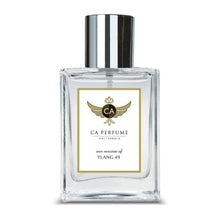
Ylang 49 — Le Labo Ylang 49 Impression Alternative Perfume
A-
HumanSafe™ Score Generally Safe
Safest Evaluated Ingredients EDP
AQUA Solvent / Carrier ISS 10.0
BENZYL SALICYLATE Evaluated ingredient ISS 9.0
LINALOOL Evaluated ingredient ISS 7.0
ALCOHOL DENAT. Solvent / Carrier ISS 7.0
1-[(2-TERT-BUTYL)CYCLOHEXYLOXY]-2-BUTANOL Evaluated ingredient ISS 7.0
View full safety profile →
Venetian Bergamot — Tom Ford Venetian Bergamot Alternative Perfume
A-
HumanSafe™ Score Generally Safe
Safest Evaluated Ingredients EDP
AQUA Solvent / Carrier ISS 10.0
2-BUTEN-1-OL, 2-METHYL-4-(2,2,3-TRIMETHYL-3- Evaluated ingredient ISS 10.0
BENZYL SALICYLATE Evaluated ingredient ISS 9.0
3-BUTEN-2-ONE, 3-METHYL-4-(2,6,6-TRIMETHYL-2- Evaluated ingredient ISS 8.0
LINALYL ACETATE Evaluated ingredient ISS 7.0
View full safety profile →
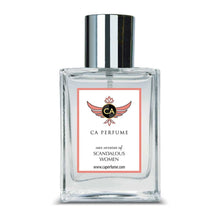
Scandalous Women — Scandal Alternative Perfume
A-
HumanSafe™ Score Generally Safe
Safest Evaluated Ingredients EDP
AQUA Solvent / Carrier ISS 10.0
ACETIC ACID, PHENYLMETHYL ESTER Evaluated ingredient ISS 10.0
BENZYL SALICYLATE Evaluated ingredient ISS 9.0
7-OCTEN-2-OL, 2,6-DIMETHYL- Evaluated ingredient ISS 9.0
LINALYL ACETATE Evaluated ingredient ISS 7.0
View full safety profile →
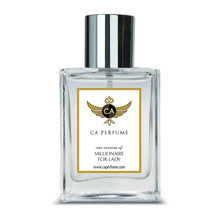
Millionaire For Lady — LADY MILLION Alternative Perfume
A-
HumanSafe™ Score Generally Safe
Safest Evaluated Ingredients EDP
AQUA Solvent / Carrier ISS 10.0
1,4-DIOXACYCLOHEPTADECANE-5,17-DIONE Evaluated ingredient ISS 10.0
BENZYL SALICYLATE Evaluated ingredient ISS 9.0
4H-INDEN-4-ONE, 1,2,3,5,6,7-HEXAHYDRO-1,1,2,3,3- Evaluated ingredient ISS 9.0
3-BUTEN-2-ONE, 3-METHYL-4-(2,6,6-TRIMETHYL-2- Evaluated ingredient ISS 8.0
View full safety profile →
Expert Voices

What Masters Say About Gardenia

Gardenia is the flower perfumery cannot capture. Steam distillation destroys it. Solvent extraction yields a product that smells almost nothing like the living bloom. There is no gardenia essential oil on any supplier's catalogue. Every gardenia fragrance you have ever smelled is a careful, beautiful, molecule-by-molecule reconstruction of something that refuses to be bottled.
Camille Sorrel, Première Peau Editorial
In perfumery, gardenia is a white floral note reconstructed from jasmine fractions, lactones, indole, and styrallyl acetate. It never means 'we extracted this from gardenias.'
CA Perfume Editorial
Common Questions

Frequently Asked Questions

Answers to the most common questions about gardenia in perfumery.

Gardenia in perfume is creamy, lush, and distinctly white-floral, with green, earthy, and faintly mushroom-like nuances. The scent is created from a blend of synthetic molecules—styrallyl acetate for green freshness, jasmine lactone for coconut creaminess, and indole for narcotic depth. No true gardenia essential oil is used; all gardenia perfumes are reconstructions. Fragrances like Chanel Gardénia and Gucci Flora Gorgeous Gardenia exemplify this complex, photorealistic profile.

Gardenia is primarily used as a heart (middle) note in perfumery, though its reconstructed accord can appear in both top and base layers depending on the formula. Its creamy, lactonic molecules persist into the drydown, while green and fruity aldehydes provide a fresh opening.

Gardenia’s complex, creamy, and heady scent profile offers both photorealistic and abstract possibilities for perfumers. Its synthetic reconstruction allows for creative flexibility, pairing well with white florals, woods, and gourmand notes. Niche brands use gardenia to evoke luxury, nostalgia, or tropical escapism.

Gardenia fragrance uses often involve pairing with jasmine, tuberose, ylang-ylang, vanilla, sandalwood, and citrus. These notes share key aroma molecules (indole, lactones, aldehydes) that create a seamless, multidimensional white floral accord.

Yes, gardenia’s creamy, tropical facets bloom in heat, making it ideal for summer. High temperatures increase the volatility of lactones and indole, amplifying projection and sillage. For hot weather, apply lightly and consider pairing with citrus or coconut for a solar effect.

A well-constructed gardenia fragrance lasts 5–8 hours on skin. The creamy, lactonic heart persists longest, while green top notes fade within 15–30 minutes. Longevity depends on concentration and the balance of fixatives in the formula.

Yes, gardenia can be layered with vanilla to enhance sweetness, sandalwood or patchouli for depth, or citrus for brightness. Layering works best when the complementary fragrance shares lactones, aldehydes, or musks for molecular compatibility.

Beginner-friendly gardenia perfumes include Gucci Flora Gorgeous Gardenia, Elizabeth Taylor Gardenia, and Chanel Gardénia. These fragrances offer balanced, photorealistic interpretations that highlight the creamy, floral core without excessive indolic heaviness.

Explore CA Perfume’s gardenia collection by considering your preferred style: creamy and gourmand (pair with vanilla), green and fresh (pair with citrus), or deep and woody (pair with sandalwood). Sample different concentrations to find the projection and longevity that suit your needs.

Gardenia is traditionally associated with feminine fragrances due to its lush, white floral character. However, modern compositions often pair gardenia with woods, citrus, or musks, making it suitable for unisex and even masculine scents. The note’s versatility depends on the overall composition.

White Floral Collection

Explore Our Top Gardenia Fragrances

Discover CA Perfume’s most popular gardenia-inspired scents, each crafted to capture the creamy, green, and opulent facets of this iconic white floral note.

Shop all gardenia fragrances at CA Perfume →

Where Gardenia Comes From — Origin & Extraction

Gardenia refers primarily to Gardenia jasminoides, a member of the Rubiaceae (coffee) family, native to southern China, Taiwan, Japan, and Vietnam. The genus was named in 1762 by Carl Linnaeus to honor Scottish-American botanist Alexander Garden. While over 128 species exist globally, including Gardenia taitensis (Tahitian gardenia), only a handful are relevant to perfumery. Historically, gardenia was cultivated in China and Japan for ornamental and medicinal uses, and reached Europe via the Dutch Cape Colony in the 18th century. Commercial extraction of gardenia scent is considered impossible at scale. Steam distillation destroys the key odorants, and solvent extraction yields products that bear little resemblance to the living flower. Traditional enfleurage—using odorless fats to absorb the aroma—was practiced in Reunion Island and Colombia, but yields are extremely low: approximately 3,000–4,000 kg of fresh flowers are required to produce 1 kg of concrete, which then yields only 0.5 kg of absolute. This process is prohibitively expensive, with natural gardenia absolute costing upwards of $20,000/kg, and is virtually extinct in modern perfumery. Experimental solvent extractions (acetone, hexane) have been reported, but the resulting extracts are rarely used in fine fragrance. As a result, all gardenia in perfumery is a synthetic reconstruction, built from aroma chemicals such as styrallyl acetate (CAS 93-92-5), methyl benzoate (CAS 93-58-3), jasmine lactone (CAS 104-50-7), and indole (CAS 120-72-9). These molecules are produced primarily in Europe (Givaudan, Firmenich), the US (IFF), and Japan (Takasago). The cost of synthetic gardenia bases ranges from $50–$300/kg, depending on the complexity and purity of the blend. Sustainability is enhanced by the use of synthetics, as no wild or cultivated gardenia populations are depleted, and the HumanSafe™ platform provides full transparency on sourcing and safety.

Famous Fragrances That Define Gardenia in Perfumery

Gardenia has inspired some of the most iconic white floral fragrances in perfumery, despite the absence of a true natural extract. Chanel Gardénia (1925, Ernest Beaux) was among the first to reconstruct the flower’s creamy, heady aroma using a blend of jasmine, tuberose, and synthetic lactones. Elizabeth Taylor Gardenia (2003) offers a green, creamy soliflore interpretation, with gardenia as the dominant note, supported by lily-of-the-valley and peony. Gucci Flora Gorgeous Gardenia (2012, relaunched 2021) modernizes the note with a blend of pear blossom, red berries, and brown sugar, creating a sweet, photorealistic gardenia effect. Tom Ford Velvet Gardenia (2007, Rodrigo Flores-Roux) is renowned for its bold, indolic, and slightly animalic take, pairing gardenia with tuberose and myrrh. Amouage Honour Woman (2011, Alexandra Carlin and Violaine Collas) uses gardenia as a bridge note, linking jasmine, tuberose, and carnation in a complex floral heart. Other notable fragrances include Goutal Gardenia Passion (1989, Isabelle Doyen) and Byredo Casablanca Lily (2019), both of which explore gardenia’s creamy, tropical facets. CA Perfume’s collection draws on this rich lineage, offering gardenia-inspired scents that balance tradition and innovation.

Natural vs Synthetic Gardenia in Perfumery

No true gardenia essential oil or absolute is available at commercial scale; all gardenia notes in perfumery are synthetic reconstructions. Key synthetic molecules include styrallyl acetate (CAS 93-92-5), which provides the green, rhubarb-like signature; jasmine lactone (CAS 104-50-7), for coconut-creamy depth; and methyl benzoate (CAS 93-58-3), for fruity sweetness. Indole (CAS 120-72-9) is also crucial for the narcotic, animalic undertone. Synthetic gardenia accords are more stable, consistent, and longer-lasting than any natural extract, with enhanced diffusion and resistance to oxidation. The cost differential is dramatic: synthetic gardenia bases are $50–$300/kg, while enfleurage-derived absolutes (if available) exceed $20,000/kg. Famous fragrances such as Chanel Gardénia and Gucci Flora Gorgeous Gardenia rely entirely on synthetic reconstructions, often blending jasmine, tuberose, and ylang-ylang fractions with lactones and indole. Sustainability is a major advantage: synthetics avoid the depletion of wild gardenia populations and reduce environmental impact. CA Perfume’s HumanSafe™ platform ensures that all gardenia materials are fully traceable, IFRA-compliant, and free from restricted allergens.