Where Flowers Comes From — Origin & Extraction
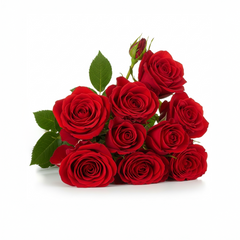
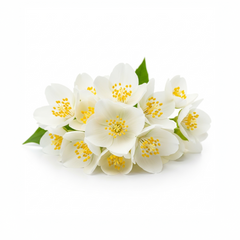
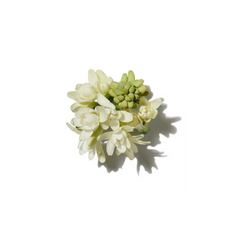
Flowers used in perfumery are sourced from a wide range of botanical species, each with distinct origins and cultivation requirements. Key floral ingredients include Rosa damascena (Damask rose) from Bulgaria and Turkey, Jasminum grandiflorum from Grasse (France), Egypt, and India, and Polianthes tuberosa from India and Mexico. The extraction of floral scent compounds depends on the fragility and chemical composition of the flower. For robust flowers like rose, both steam distillation (yielding essential oil) and solvent extraction (yielding absolute) are employed. For delicate, heat-sensitive flowers such as jasmine, tuberose, and mimosa, volatile solvent extraction (using hexane or ethanol) is preferred to preserve the full spectrum of aromatic molecules. Yields are typically low: for example, 700 kg of jasmine flowers are required to produce 1 kg of absolute, and the yield for rose oil is about 0.03–0.05% by weight.
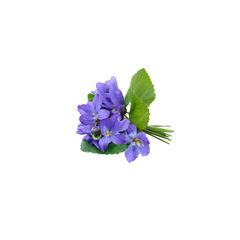
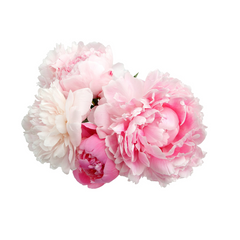
Some flowers, termed "mute flowers" (e.g., lily of the valley, lilac, peony, gardenia), do not yield extractable oils; their scents are recreated through headspace analysis and reconstruction using natural isolates and synthetic aroma chemicals. The cost of natural floral absolutes is high, with rose absolute ranging from $6,000–$12,000/kg and jasmine absolute from $8,000–$30,000/kg, depending on origin and quality. Synthetic substitutes (e.g., hedione for jasmine, ionones for violet) are far less expensive, typically $50–$200/kg. Sustainability concerns include overharvesting, water use, and labor conditions, particularly for labor-intensive crops like jasmine and rose. Modern perfumery increasingly utilizes sustainable sourcing initiatives and green chemistry to reduce environmental impact.
Famous Fragrances That Define Flowers in Perfumery
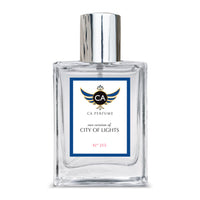
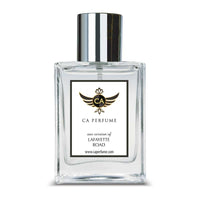
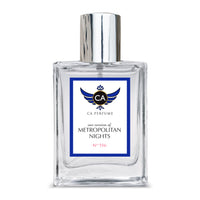
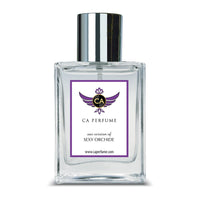
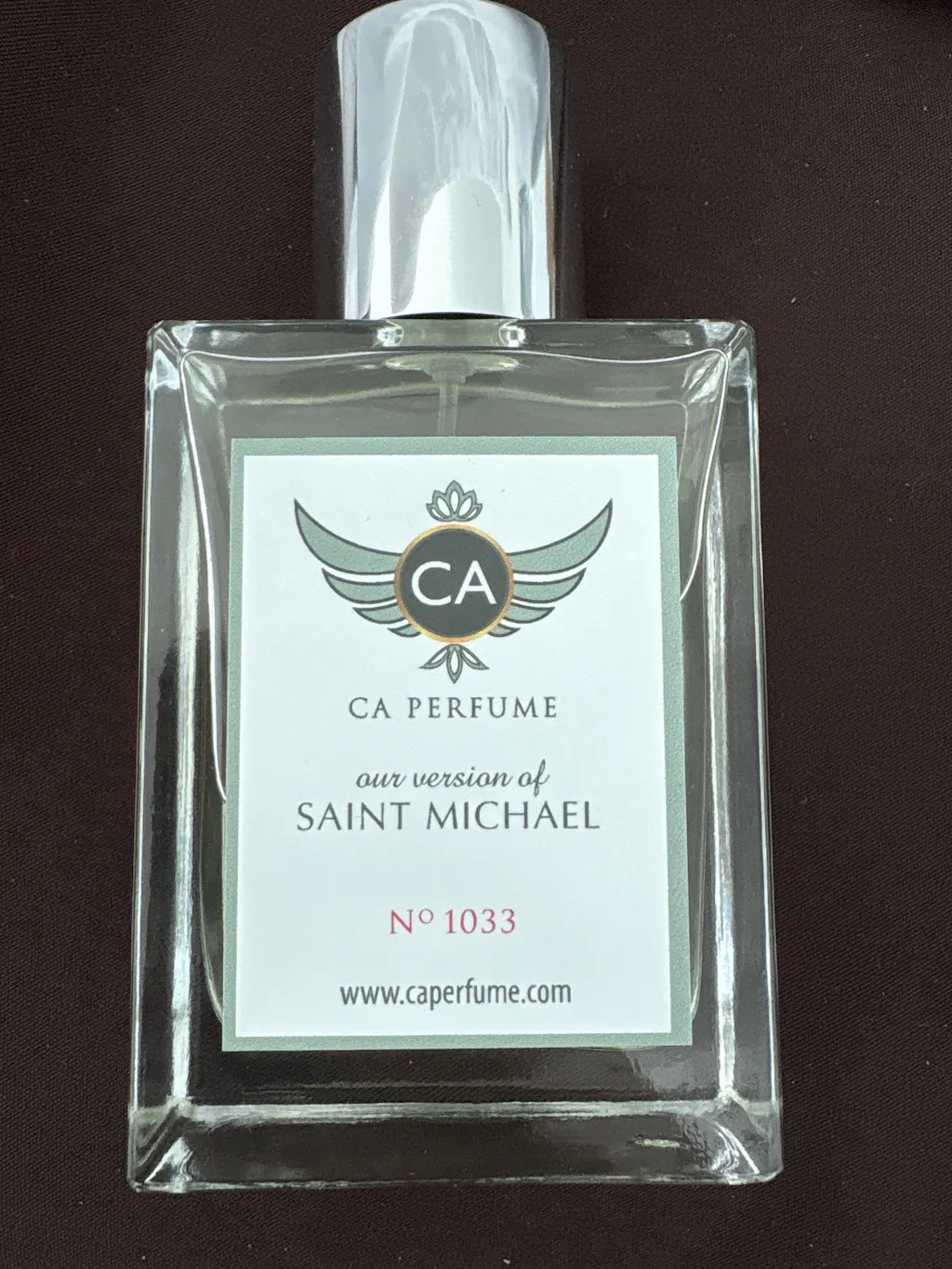
Floral notes have defined some of the most iconic fragrances in perfumery history. Chanel No. 5 (1921, Ernest Beaux) revolutionized florals by blending rose, jasmine, and ylang-ylang with aldehydes, creating an abstract, powdery bouquet. Jean Patou Joy (1929, Henri Alméras) is renowned for its opulent concentration of jasmine and rose, setting a benchmark for floral richness. Robert Piguet Fracas (1948, Germaine Cellier) is a reference tuberose fragrance, known for its creamy, narcotic white floral heart. Yves Saint Laurent Paris (1983, Sophia Grojsman) celebrates the rose, supported by violet and iris, while Gucci Bloom (2017, Alberto Morillas) exemplifies the modern white floral trend with tuberose, jasmine sambac, and Rangoon creeper. Each of these fragrances demonstrates the versatility of flowers as dominant, bridge, or accent notes, paired with aldehydes, woods, musks, or spices to create enduring olfactory signatures. CA Perfume’s floral collection draws inspiration from this lineage, offering both classic and contemporary interpretations of the floral family.
Natural vs Synthetic Flowers in Perfumery
Natural floral extracts are obtained via steam distillation, solvent extraction, or enfleurage, capturing a complex array of volatile organic compounds. However, many iconic floral notes—such as lily of the valley, lilac, and peony—are 'mute' and cannot be extracted directly. In these cases, perfumers rely on synthetic molecules to recreate the desired scent. Key aroma chemicals include hedione (methyl dihydrojasmonate, CAS 24851-98-7), which imparts a radiant, jasmine-like freshness; alpha- and beta-ionone (CAS 127-41-3, 14901-07-6), which provide violet and iris nuances; and linalool (CAS 78-70-6), a major component in many floral accords. Synthetic materials offer greater consistency, stability, and cost efficiency—synthetic hedione costs under $100/kg, while natural jasmine absolute can exceed $20,000/kg. Performance-wise, synthetics often provide superior longevity and diffusion, as seen in aldehydic florals like Chanel No. 5, where synthetic aldehydes create an abstract, long-lasting bouquet. Sustainability is a significant advantage of synthetics, reducing pressure on agricultural resources and enabling cruelty-free, vegan formulations. The HumanSafe™ platform at CA Perfume ensures transparency in sourcing and formulation, verifying both natural and synthetic floral ingredients for safety and environmental responsibility.