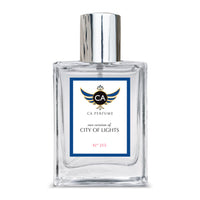
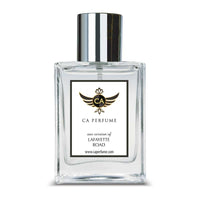
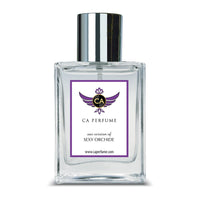
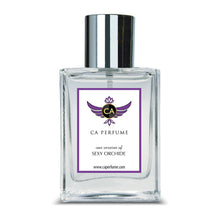
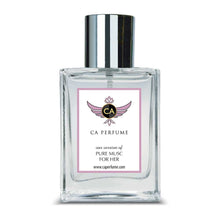
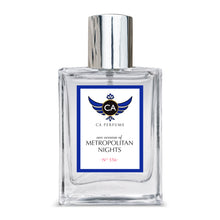
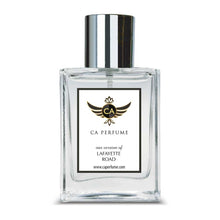
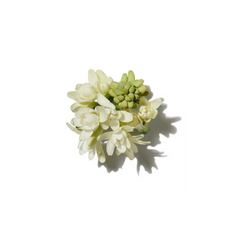
This formula was discontinued and is one of my fave perfumes. Love💜💜💜
Flowers
The heart of perfumery, from rose to jasmine to lily.
Flowers in perfumery represent the most diverse and central olfactory family, occupying heart and top note positions. Their scent profiles range from sweet and powdery to green and spicy, shaped by hundreds of volatile organic compounds unique to each bloom.
Flowers
What does Flowers smell like and why are they central to perfumery?
Flowers in perfumery encompass a vast spectrum of scent profiles, from the honeyed, green facets of Centifolia rose (Rosa centifolia) to the creamy, narcotic sweetness of tuberose (Polianthes tuberosa) and the powdery, violet-like nuance of orris (Iris pallida). The olfactory character of flowers is determined by a complex blend of volatile organic compounds: phenyl ethyl alcohol (rose), indole (jasmine), methyl anthranilate (orange blossom), and ionones (violet, iris) are among the most significant. These molecules interact to produce scents described as sweet, powdery, green, spicy, or even animalic, depending on the flower and extraction method. The question "what does flowers smell like" is thus answered by a tapestry of molecular signatures, each flower contributing its own unique accord to the perfumer’s palette. In perfumery, flowers are foundational to the heart (middle) notes, though certain floral materials such as neroli and orange blossom are also used as top notes due to their volatility. Typical concentrations of floral absolutes or essential oils in fine fragrance range from 0.1% (for potent materials like jasmine absolute) to 5% or more in soliflore compositions. Flowers in perfumery interact with skin chemistry through the volatility and reactivity of their key molecules—indole, for example, can become more pronounced on warmer, slightly acidic skin, while powdery ionones may be subdued on drier, alkaline skin. This dynamic interplay ensures that floral notes evolve and adapt, making each wear experience subtly unique. Notable fragrances that exemplify the use of flowers include Chanel No. 5 (1921, Ernest Beaux), where a bouquet of rose, jasmine, and ylang-ylang is abstracted by aldehydes, and Jean Patou Joy (1929, Henri Alméras), which famously contains an estimated 10,600 jasmine flowers and 28 dozen roses per ounce. In contemporary perfumery, Gucci Bloom (2017, Alberto Morillas) showcases a modern white floral accord built around tuberose, jasmine sambac, and Rangoon creeper. These examples illustrate the enduring centrality of flowers in perfumery, both as dominant notes and as complex supporting structures.
Where Flowers Comes From — Origin & Extraction
The scent character of floral extracts is shaped by geography, climate, and soil. Roses from Bulgaria’s Valley of Roses yield a honeyed, slightly spicy oil, while Indian jasmine is more indolic and fruity due to warmer temperatures and high humidity. French iris, grown in the chalky soils of Tuscany and Grasse, develops a powdery, woody nuance from its rhizomes.
Flowers used in perfumery are sourced from a wide range of botanical species, each with distinct origins and cultivation requirements. Key floral ingredients include Rosa damascena (Damask rose) from Bulgaria and Turkey, Jasminum grandiflorum from Grasse (France), Egypt, and India, and Polianthes tuberosa from India and Mexico. The extraction of floral scent compounds depends on the fragility and chemical composition of the flower. For robust flowers like rose, both steam distillation (yielding essential oil) and solvent extraction (yielding absolute) are employed. For delicate, heat-sensitive flowers such as jasmine, tuberose, and mimosa, volatile solvent extraction (using hexane or ethanol) is preferred to preserve the full spectrum of aromatic molecules. Yields are typically low: for example, 700 kg of jasmine flowers are required to produce 1 kg of absolute, and the yield for rose oil is about 0.03–0.05% by weight. Some flowers, termed "mute flowers" (e.g., lily of the valley, lilac, peony, gardenia), do not yield extractable oils; their scents are recreated through headspace analysis and reconstruction using natural isolates and synthetic aroma chemicals. The cost of natural floral absolutes is high, with rose absolute ranging from $6,000–$12,000/kg and jasmine absolute from $8,000–$30,000/kg, depending on origin and quality. Synthetic substitutes (e.g., hedione for jasmine, ionones for violet) are far less expensive, typically $50–$200/kg. Sustainability concerns include overharvesting, water use, and labor conditions, particularly for labor-intensive crops like jasmine and rose. Modern perfumery increasingly utilizes sustainable sourcing initiatives and green chemistry to reduce environmental impact.
Bulgaria
The Valley of Roses near Kazanlak produces over 70% of the world’s rose oil, characterized by a honeyed, spicy aroma. The region’s unique microclimate and alluvial soils yield a high citronellol content. Annual production is around 1.5–2 tons of rose oil, with PDO status ensuring quality.
India
Tamil Nadu and Uttar Pradesh are major producers of jasmine (Jasminum sambac and grandiflorum), with annual yields exceeding 1,000 metric tons. Flowers are hand-harvested at dawn for maximum indole and benzyl acetate content, resulting in a fruity, narcotic scent.
France
Grasse is renowned for jasmine, rose, and tuberose, grown in limestone-rich soils. The region’s cool nights and sunny days enhance the complexity of floral absolutes, making Grasse a benchmark for quality in perfumery.
Morocco
Morocco’s Kelaat M’gouna region specializes in Damask rose, with annual festivals celebrating the harvest. The arid climate and traditional distillation methods yield a rose oil with pronounced spicy and green facets.
Natural vs Synthetic Flowers in Perfumery
Natural floral extracts are obtained via steam distillation, solvent extraction, or enfleurage, capturing a complex array of volatile organic compounds. However, many iconic floral notes—such as lily of the valley, lilac, and peony—are 'mute' and cannot be extracted directly. In these cases, perfumers rely on synthetic molecules to recreate the desired scent. Key aroma chemicals include hedione (methyl dihydrojasmonate, CAS 24851-98-7), which imparts a radiant, jasmine-like freshness; alpha- and beta-ionone (CAS 127-41-3, 14901-07-6), which provide violet and iris nuances; and linalool (CAS 78-70-6), a major component in many floral accords. Synthetic materials offer greater consistency, stability, and cost efficiency—synthetic hedione costs under $100/kg, while natural jasmine absolute can exceed $20,000/kg. Performance-wise, synthetics often provide superior longevity and diffusion, as seen in aldehydic florals like Chanel No. 5, where synthetic aldehydes create an abstract, long-lasting bouquet. Sustainability is a significant advantage of synthetics, reducing pressure on agricultural resources and enabling cruelty-free, vegan formulations. The HumanSafe™ platform at CA Perfume ensures transparency in sourcing and formulation, verifying both natural and synthetic floral ingredients for safety and environmental responsibility.
Famous Fragrances That Define Flowers in Perfumery
Chanel No. 5
Jean Patou Joy
Fracas
Paris
Gucci Bloom
Floral notes have defined some of the most iconic fragrances in perfumery history. Chanel No. 5 (1921, Ernest Beaux) revolutionized florals by blending rose, jasmine, and ylang-ylang with aldehydes, creating an abstract, powdery bouquet. Jean Patou Joy (1929, Henri Alméras) is renowned for its opulent concentration of jasmine and rose, setting a benchmark for floral richness. Robert Piguet Fracas (1948, Germaine Cellier) is a reference tuberose fragrance, known for its creamy, narcotic white floral heart. Yves Saint Laurent Paris (1983, Sophia Grojsman) celebrates the rose, supported by violet and iris, while Gucci Bloom (2017, Alberto Morillas) exemplifies the modern white floral trend with tuberose, jasmine sambac, and Rangoon creeper. Each of these fragrances demonstrates the versatility of flowers as dominant, bridge, or accent notes, paired with aldehydes, woods, musks, or spices to create enduring olfactory signatures. CA Perfume’s floral collection draws inspiration from this lineage, offering both classic and contemporary interpretations of the floral family.
How is a captivating Flowers accord crafted?
A classic floral accord balances multiple flower extracts and complementary notes for complexity and radiance. Typical proportions: Rose absolute 25–30%, Jasmine absolute 20–25%, Violet ionones 20–25%, Sandalwood 25–30%. Rose provides a sweet, honeyed backbone via phenyl ethyl alcohol and citronellol; jasmine adds indolic, narcotic depth; violet ionones impart powdery, airy facets; sandalwood anchors the accord with creamy, woody lactones, enhancing longevity and smoothness.
Rose
Rose absolute (Rosa damascena or centifolia) provides the core floral sweetness and green, honeyed nuance, thanks to phenyl ethyl alcohol and citronellol.
Jasmine
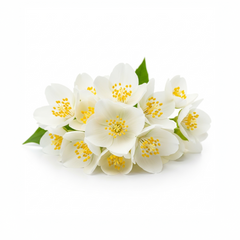
Jasmine absolute (Jasminum grandiflorum) contributes indole and benzyl acetate, adding narcotic, sensual, and slightly animalic facets to the accord.
Violet
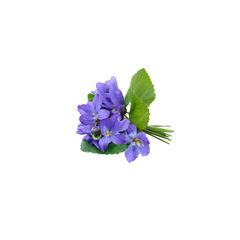
Violet accord, built from alpha- and beta-ionone, imparts powdery, airy, and slightly woody notes, enhancing the ethereal quality of the floral blend.
Sandalwood
Sandalwood (Santalum album or synthetic) acts as a fixative, providing creamy, woody lactones that extend the longevity and smooth the edges of the floral notes.
How Flowers Evolves on Skin
Floral fragrances evolve from bright, volatile top notes to a rich, complex heart and a smooth, musky base. High-volatility molecules like linalool and citral dominate the opening, while indole, ionones, and lactones emerge in the heart and base, shaping the fragrance’s longevity and depth.
The opening is shaped by highly volatile compounds such as linalool, citral, and nerol, creating a fresh, citrusy, and slightly green impression. These molecules evaporate quickly, providing the initial burst of brightness and setting the stage for the heart notes.
The heart reveals the core floral character, dominated by phenyl ethyl alcohol (rose), indole (jasmine), and methyl anthranilate (orange blossom). These molecules are less volatile, imparting a sweet, powdery, and narcotic richness that defines the floral family.
As the fragrance dries down, heavier molecules like ionones (violet, iris), musks, and sandalwood lactones emerge. These provide a creamy, woody, and musky foundation, extending the longevity and adding depth to the floral accord.
The Story of Flowers in Perfumery
Flowers have been central to perfumery from ancient Egypt to modern niche houses, with each era introducing new extraction techniques and olfactory styles.
First Use of Flower Oils
Egyptians used oils from lilies and lotus in ceremonial unguents and incense, as documented in tomb paintings and papyri dating to 1500 BCE.
Rise of Grasse as Floral Capital
Grasse, France, became the epicenter of flower cultivation and extraction, specializing in jasmine, rose, and orange blossom for European perfumery.
Chanel No. 5 and Aldehydic Florals
Ernest Beaux’s Chanel No. 5 introduced aldehydes to amplify and abstract the floral bouquet, revolutionizing modern perfumery.
Fracas and the White Floral Boom
Germaine Cellier’s Fracas for Robert Piguet set a new standard for tuberose-centric fragrances, influencing decades of white floral compositions.
Modern Florals: Gucci Bloom
Alberto Morillas’ Gucci Bloom redefined contemporary florals with a blend of tuberose, jasmine sambac, and Rangoon creeper, reflecting a trend toward naturalistic, multi-floral bouquets.
How to Layer Flowers
Understanding how to layer flowers is key to creating a personalized scent signature. Molecular compatibility—such as shared aldehydes, ionones, or lactones—enables seamless blending with complementary notes.
Enhance Sweetness
Layering floral perfumes with vanilla or tonka bean works via olfactory masking: vanillin (from vanilla) softens the sharpness of indolic or green floral notes, creating a creamy, gourmand effect. This is exemplified in Dior Addict, where jasmine and vanilla create a lush, enveloping sweetness.
Add Depth
Pairing florals with woody notes (sandalwood, patchouli) leverages the fixative properties of lactones and sesquiterpenes, extending the longevity of floral molecules. Chanel No. 19 demonstrates this synergy, with iris and galbanum anchored by vetiver and oakmoss.
Lighten the Glow
Combining florals with citrus (bergamot, neroli) introduces high-volatility terpenes, which lift and brighten the floral heart. This technique is used in Acqua di Parma’s Magnolia Nobile, where citrus top notes enhance the radiance of magnolia and rose.
How to Wear Flowers Like a Pro
Fall & Winter
In cooler weather, floral notes develop more slowly, and heavier absolutes (rose, tuberose, iris) become more prominent. Apply to pulse points and layer with woody or amber bases to enhance warmth and longevity. Lower volatility means the scent remains close to the skin, creating an intimate effect.
Spring
Spring’s moderate temperatures allow floral notes to bloom naturally, highlighting green, dewy, and powdery facets. Apply to neck and wrists for optimal diffusion. Florals are especially suited to this season, echoing the renewal of nature.
Summer
Heat increases the volatility of floral molecules, intensifying projection but reducing longevity. Opt for lighter, citrus-infused floral compositions and apply sparingly to avoid overwhelming sillage. Spritz on hair or clothing for a sustained, airy effect.
Year-Round Tip
Adjust application based on climate and occasion: use richer floral perfumes in the evening or cooler months, and fresher, more transparent florals for daytime or warm weather. Layer with complementary notes (citrus, woods) to tailor the scent to your environment.
Strategic application enhances the evolution and projection of floral notes.
Neck
Applying floral fragrances to the neck leverages body heat to diffuse volatile floral molecules, enhancing the initial bloom and sillage.
Behind the Ears
This area is slightly cooler, allowing floral notes to evolve more slowly and preserving delicate top notes like neroli and peony.
Inner Wrists
Pulse points on the wrists accelerate evaporation, emphasizing the heart and base of floral accords for a dynamic scent evolution.
Hair
Spraying on hair provides a gentle, long-lasting diffusion of floral notes, as the porous structure of hair traps and slowly releases scent molecules.
Pro Tip
Layer floral perfumes over unscented moisturizer to slow evaporation and enhance longevity, especially for lighter, citrusy florals.
Top Flowers Fragrances by Mood Score
These Flowers-based fragrances scored highest on the MEI™ Mood Architecture Framework — measuring how a scent may influence your emotional state.
Top Flowers Fragrances by HumanSafe™ Score
These Flowers-based fragrances have the highest product-level HumanSafe™ scores in this ingredient collection.
What Masters Say About Flowers
"Floral notes are an essential part of almost every perfume. They can be natural or synthetic."
Many beloved floral notes must be reconstructed as fantasy accords, as the flowers themselves do not yield applicable extracts. Even for flowers that do yield raw materials, the inclusion of synthetics often provide unparalleled versatility and performance.
Frequently Asked Questions
Answers to common questions about flowers in perfumery.
Flowers in perfume can smell sweet, powdery, green, creamy, or spicy, depending on the species and extraction method. Rose imparts a honeyed, slightly spicy aroma; jasmine is narcotic and indolic; violet is powdery and airy; tuberose is creamy and heady. The overall impression is shaped by a complex blend of volatile organic compounds, making floral perfumes highly nuanced and central to both classic and modern fragrance compositions.
Flowers are most commonly used as heart (middle) notes, forming the core of many fragrance structures. However, certain floral materials like neroli and orange blossom can function as top notes due to their volatility, while heavier florals such as iris and tuberose may persist into the base. The note position depends on the molecular weight and evaporation rate of the specific floral extract.
Flowers offer unparalleled diversity and complexity, allowing perfumers to craft both realistic soliflores and abstract bouquets. Their broad palette of natural and synthetic molecules enables endless creative expression, making them indispensable in niche perfumery where originality and olfactory storytelling are prized. Iconic niche fragrances like Frédéric Malle Carnal Flower and Byredo La Tulipe exemplify this versatility.
Flowers fragrance uses often involve pairing with woods (sandalwood, cedar), musks, vanilla, citrus, and spices. These combinations create balance and complexity: woods provide depth, vanilla adds sweetness, citrus brightens, and spices introduce warmth. For example, rose and oud, jasmine and sandalwood, or tuberose and vanilla are classic pairings.
Many floral perfumes are ideal for summer, especially those featuring lighter, fresher notes like peony, lily of the valley, or neroli. In hot weather, increased volatility enhances projection but can reduce longevity, so lighter concentrations (EDT) and application to hair or clothing are recommended. Richer florals like tuberose or rose absolute may be better suited to cooler evenings.
The longevity of a floral fragrance depends on its concentration and composition. Eau de Parfum formats with rich floral absolutes can last 6–8 hours, while lighter Eau de Toilette versions may last 3–5 hours. Base notes such as sandalwood or musk can extend the presence of floral accords on the skin.
Yes, layering floral perfumes with complementary notes (woods, vanilla, citrus) can create a personalized scent. Molecular compatibility—such as shared aldehydes or lactones—enhances harmony. For example, layering rose with vanilla softens sharpness, while pairing jasmine with sandalwood adds depth and longevity.
Beginner-friendly floral perfumes include Chanel Chance Eau Tendre (rose, jasmine), Marc Jacobs Daisy (violet, gardenia), and Gucci Bloom (tuberose, jasmine sambac). These fragrances offer balanced, approachable floral accords that are neither overly sweet nor indolic.
Consider your preferred floral style (fresh, powdery, creamy, green) and the season or occasion. CA Perfume’s collection highlights both classic and modern floral compositions, with transparent ingredient information via the HumanSafe™ platform to help you select based on scent profile and safety.
Not necessarily. While some floral perfumes are sweet and powdery, many modern florals are balanced with green, citrus, or woody notes, making them versatile for daily use. The perceived sweetness depends on the dominant floral species and the supporting ingredients in the composition.
Explore Our Top Flowers Fragrances
Discover best-selling floral perfumes at CA Perfume, from classic bouquets to modern interpretations, all HumanSafe™ verified for ingredient transparency.
Shop all flowers fragrances at CA Perfume →Where Flowers Comes From — Origin & Extraction
Flowers used in perfumery are sourced from a wide range of botanical species, each with distinct origins and cultivation requirements. Key floral ingredients include Rosa damascena (Damask rose) from Bulgaria and Turkey, Jasminum grandiflorum from Grasse (France), Egypt, and India, and Polianthes tuberosa from India and Mexico. The extraction of floral scent compounds depends on the fragility and chemical composition of the flower. For robust flowers like rose, both steam distillation (yielding essential oil) and solvent extraction (yielding absolute) are employed. For delicate, heat-sensitive flowers such as jasmine, tuberose, and mimosa, volatile solvent extraction (using hexane or ethanol) is preferred to preserve the full spectrum of aromatic molecules. Yields are typically low: for example, 700 kg of jasmine flowers are required to produce 1 kg of absolute, and the yield for rose oil is about 0.03–0.05% by weight. Some flowers, termed "mute flowers" (e.g., lily of the valley, lilac, peony, gardenia), do not yield extractable oils; their scents are recreated through headspace analysis and reconstruction using natural isolates and synthetic aroma chemicals. The cost of natural floral absolutes is high, with rose absolute ranging from $6,000–$12,000/kg and jasmine absolute from $8,000–$30,000/kg, depending on origin and quality. Synthetic substitutes (e.g., hedione for jasmine, ionones for violet) are far less expensive, typically $50–$200/kg. Sustainability concerns include overharvesting, water use, and labor conditions, particularly for labor-intensive crops like jasmine and rose. Modern perfumery increasingly utilizes sustainable sourcing initiatives and green chemistry to reduce environmental impact.
Famous Fragrances That Define Flowers in Perfumery
Floral notes have defined some of the most iconic fragrances in perfumery history. Chanel No. 5 (1921, Ernest Beaux) revolutionized florals by blending rose, jasmine, and ylang-ylang with aldehydes, creating an abstract, powdery bouquet. Jean Patou Joy (1929, Henri Alméras) is renowned for its opulent concentration of jasmine and rose, setting a benchmark for floral richness. Robert Piguet Fracas (1948, Germaine Cellier) is a reference tuberose fragrance, known for its creamy, narcotic white floral heart. Yves Saint Laurent Paris (1983, Sophia Grojsman) celebrates the rose, supported by violet and iris, while Gucci Bloom (2017, Alberto Morillas) exemplifies the modern white floral trend with tuberose, jasmine sambac, and Rangoon creeper. Each of these fragrances demonstrates the versatility of flowers as dominant, bridge, or accent notes, paired with aldehydes, woods, musks, or spices to create enduring olfactory signatures. CA Perfume’s floral collection draws inspiration from this lineage, offering both classic and contemporary interpretations of the floral family.
Natural vs Synthetic Flowers in Perfumery
Natural floral extracts are obtained via steam distillation, solvent extraction, or enfleurage, capturing a complex array of volatile organic compounds. However, many iconic floral notes—such as lily of the valley, lilac, and peony—are 'mute' and cannot be extracted directly. In these cases, perfumers rely on synthetic molecules to recreate the desired scent. Key aroma chemicals include hedione (methyl dihydrojasmonate, CAS 24851-98-7), which imparts a radiant, jasmine-like freshness; alpha- and beta-ionone (CAS 127-41-3, 14901-07-6), which provide violet and iris nuances; and linalool (CAS 78-70-6), a major component in many floral accords. Synthetic materials offer greater consistency, stability, and cost efficiency—synthetic hedione costs under $100/kg, while natural jasmine absolute can exceed $20,000/kg. Performance-wise, synthetics often provide superior longevity and diffusion, as seen in aldehydic florals like Chanel No. 5, where synthetic aldehydes create an abstract, long-lasting bouquet. Sustainability is a significant advantage of synthetics, reducing pressure on agricultural resources and enabling cruelty-free, vegan formulations. The HumanSafe™ platform at CA Perfume ensures transparency in sourcing and formulation, verifying both natural and synthetic floral ingredients for safety and environmental responsibility.
- Choosing a selection results in a full page refresh.