Ingredient Guide · Floral
Floral Family · Perfumery Note

Flower Petals

Delicate, natural floral heart notes

Flower petals in perfumery serve as heart notes, providing fresh, green, and floral nuances. Extraction methods include steam distillation and solvent extraction, preserving delicate aromatic compounds.

Flower Petals
Ingredient Profile

Flower Petals

Floral Family
Family Floral
Note Position Heart Note
Usage Level 0.1-1%
Key Origins Bulgaria, Turkey, India
Iconic In No. 5, J'adore
The Ingredient

What does Flower Petals smell like and why are they essential in perfumery?

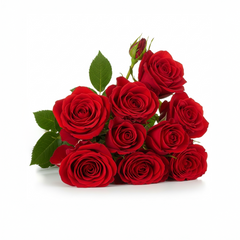
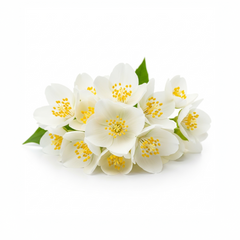
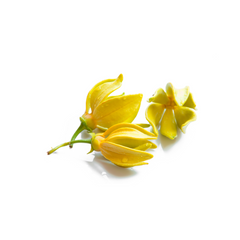
Flower petals in perfumery encompass a broad category of floral notes derived from various flowers such as rose, jasmine, tuberose, and peony. The scent profile of flower petals is characterized by fresh, green, and floral nuances, often with subtle sweet, powdery, or fruity undertones depending on the species. Key aromatic molecules include phenylethyl alcohol, citronellol, geraniol, indole, and methyl benzoate, which contribute to the complex olfactory character. In perfumery, flower petals typically function as heart notes, appearing after the initial top notes and providing the main floral character of the fragrance. Concentrations usually range from 5% to 20% in eau de parfum formulations, balancing intensity and wearability. The interaction with skin chemistry can modulate the perception of floral notes, with factors such as skin pH and temperature influencing volatility and projection. Notable fragrances featuring flower petals include Dior's J'adore (2010, Francis Kurkdjian), where jasmine and ylang-ylang create a radiant floral heart, and Gucci Bloom (2017, Alberto Morillas), which highlights tuberose and jasmine for a lush, natural floral bouquet. These examples illustrate the versatility and central role of flower petals in modern perfumery.

3-4 tons
Amount of rose petals required to produce 1 kilogram of rose essential oil, illustrating the resource intensity of natural floral extraction.
0.1-1%
Typical IFRA concentration limits for allergenic floral absolutes like jasmine and rose in fragrance formulations to ensure safety.
5-20%
Common concentration range of flower petal extracts in eau de parfum formulations, balancing scent intensity and wearability.
Origin & Extraction

Where Flower Petals Come From — Origin & Extraction

Flower petals used in perfumery are sourced from diverse regions worldwide, each imparting unique olfactory characteristics influenced by soil, climate, and cultivation methods.

Flower petals used in perfumery are sourced from a variety of botanical species, including Rosa damascena (Damask rose), Jasminum sambac (Sambac jasmine), Polianthes tuberosa (tuberose), and Paeonia lactiflora (peony). Major production regions include Bulgaria and Turkey for rose, India for jasmine, and France (Grasse) for multiple floral crops. For example, Bulgaria produces approximately 70% of the world's rose oil, requiring around 3-4 tons of rose petals to yield 1 kilogram of essential oil. Extraction methods vary by flower type. Steam distillation is commonly used for robust flowers like lavender and rose, operating at temperatures around 100°C to vaporize volatile compounds. Solvent extraction, employing hexane or ethanol, is preferred for delicate flowers such as jasmine and tuberose to avoid thermal degradation of key aroma compounds. Supercritical CO2 extraction is increasingly used for its ability to preserve heat-sensitive molecules at lower temperatures. Enfleurage, an ancient technique involving absorption of fragrance into odorless fat, is now rare due to labor intensity but historically important for jasmine and tuberose. Natural flower petal extracts are costly, with rose oil priced around $20,000 to $30,000 per kilogram, while absolutes are somewhat more economical. Synthetic aroma chemicals provide cost-effective alternatives, reducing pressure on natural resources and supporting sustainability.

BG

Bulgaria

The Rose Valley region produces Rosa damascena, known for its rich, spicy floral scent. Bulgaria accounts for about 70% of global rose oil production, harvested by hand in early summer. The soil's loamy texture and moderate rainfall contribute to the oil's distinctive quality.

TR

Turkey

Turkey cultivates Damask rose primarily in Isparta province. The region's high altitude and sunny climate yield rose petals with a fresh, green nuance. Production volume is significant, with traditional steam distillation methods preserving aromatic integrity.

IN

India

India is a major producer of jasmine (Jasminum sambac), especially in Tamil Nadu. The tropical climate and manual harvesting at night preserve the flower's delicate scent. Jasmine absolute extraction uses solvent methods to capture its narcotic, sweet aroma.

FR

France

Grasse, the historic perfume capital, grows various flowers including rose centifolia and tuberose. The Mediterranean climate and limestone-rich soil produce petals with complex, rich aromas. Extraction techniques include enfleurage and solvent extraction, maintaining traditional craftsmanship.

Chemistry

Natural vs Synthetic Flower Petals in Perfumery

Natural flower petal extracts contain complex mixtures of hundreds of aromatic compounds, such as phenylethyl alcohol (CAS 60-12-8), citronellol (CAS 106-22-9), geraniol (CAS 106-24-1), and indole (CAS 120-72-9). These contribute to the authentic, multi-dimensional scent but vary by harvest and origin, affecting consistency. Synthetic molecules like hedione (methyl dihydrojasmonate, CAS 24851-98-7), linalool (CAS 78-70-6), and beta-damascenone (CAS 23726-93-4) are used to replicate or enhance floral notes. Hedione, introduced in 1962 by Firmenich, is prized for its radiant, airy quality and diffusion. Performance-wise, synthetics offer greater longevity, projection, and batch-to-batch consistency. Natural extracts may fade faster and have softer sillage. Cost differentials are significant: natural rose oil can cost up to $30,000/kg, while synthetic aroma chemicals range from $50 to $500/kg. Sustainability concerns favor synthetics, as natural extraction requires large volumes of plant material and can impact biodiversity. CA Perfume employs the HumanSafe™ platform to ensure transparency and safety in ingredient sourcing, balancing natural and synthetic use for optimal fragrance quality and environmental responsibility.

Natural
Flower Petals Absolute
Cost $3,000–6,000/kg
Method Solvent / CO₂
Character Complex, variable
vs
Synthetic
Safranal & Analogues
Cost $50–200/kg
Method Lab synthesis
Character Consistent, stable
Hall of Fame

Famous Fragrances That Define Flower Petals in Perfumery

1921
dominant note

No. 5

Chanel
by Ernest Beaux
jasmineylang-ylangaldehydes
2010
dominant note

J'adore

Dior
by Francis Kurkdjian
jasmineylang-ylangbergamot
2017
dominant note

Gucci Bloom

Gucci
by Alberto Morillas
tuberosejasminerangoon creeper
1979
bridge note

Nahema

Guerlain
by Jean-Paul Guerlain
rosefruity notesspices
2006
accent

Black Orchid

Tom Ford
by David Apel
jasmineblack trufflepatchouli

Flower petals have been central to many iconic fragrances, shaping the floral heart of compositions across decades. Chanel No. 5 (1921, Ernest Beaux) famously used rose and jasmine absolutes to create a complex floral bouquet that remains timeless. Dior's J'adore (2010, Francis Kurkdjian) showcases jasmine and ylang-ylang as dominant floral notes, lending a radiant and sensual character. Gucci Bloom (2017, Alberto Morillas) highlights tuberose and jasmine, creating a lush, natural floral scent evocative of a blooming garden. Guerlain's Nahema (1979, Jean-Paul Guerlain) uses rose as a bridge note, combining fruity and spicy facets for depth. Tom Ford's Black Orchid (2006, David Apel) incorporates floral notes like jasmine as accents within a dark, oriental framework. These fragrances demonstrate diverse uses of flower petals, from dominant soliflore to supporting accords. CA Perfume's collection respects this lineage, offering nuanced floral interpretations that honor tradition and innovation.

The Accord

How is a captivating Flower Petals accord crafted?

A flower petals accord typically blends 40-50% rose absolute for its rich, warm floral character; 20-25% jasmine absolute to provide a sweet, exotic depth; 15-20% peony or freesia for fresh, green nuances; and 15-20% musk or woody notes to anchor and extend longevity. Rose and jasmine share aromatic compounds like phenylethyl alcohol, creating a harmonious floral bouquet, while musk softens the blend and enhances diffusion.

50%

Rose Absolute

40–50% of blend

Rose absolute provides the core floral warmth and complexity, rich in phenylethyl alcohol and citronellol, essential for authentic floral character.

25%

Jasmine Absolute

20–25% of blend

Jasmine adds sweet, narcotic facets with molecules like indole and benzyl acetate, enhancing the exotic and sensual depth of the accord.

20%

Freesia

15–20% of blend

Freesia contributes fresh, green, and slightly fruity notes, balancing the richness of rose and jasmine with lightness.

20%

White Musk

15–20% of blend

White musk anchors the accord, providing softness and longevity by blending seamlessly with floral molecules to enhance sillage.

The Olfactory Layers

How Flower Petals Evolves on Skin

Flower petals evolve through the fragrance pyramid with initial fresh green and light floral top notes evaporating within 15 minutes, followed by a rich floral heart lasting up to an hour, and a soft, musky base that lingers for hours. Molecular volatility and skin absorption influence this progression.

I
Top notes
0–15 min
Fresh and Green

The initial impression features light, fresh, and green notes from volatile compounds like cis-3-hexenol and linalool, providing a dewy, natural freshness reminiscent of freshly cut petals.

FreshGreenLight
II
Heart notes
20–60 min
Rich Floral Bouquet

The heart reveals the core floral character with molecules such as phenylethyl alcohol, geraniol, and indole creating a rich, sweet, and slightly animalic floral bouquet that defines the scent's personality.

FloralSweetNarcotic
III
Base notes
Several hours
Soft Musky Drydown

The base settles into soft musks and woody undertones, with compounds like ambrettolide and cashmeran providing warmth, longevity, and a skin-like dry down that enhances the floral heart.

MuskyWarmSoft
TOP NOTES Fresh and Green 0–15 minutes HEART NOTES Rich Floral Bouquet 20–60 minutes BASE NOTES Soft Musky Drydown Several hours
Through the Ages

The Story of Flower Petals in Perfumery

The history of flower petals in perfumery spans from ancient ritual uses to modern extraction innovations, marking milestones in fragrance development.

Antiquity

Use of Flowers in Ancient Perfumes

Ancient Egyptians used flowers like lotus and rose in oils and incense for religious and cosmetic purposes, steeping petals in fats to create fragrant unguents.

9th Century

Arab Alchemists Perfect Rose Oil Distillation

Arab alchemists in Persia and the Middle East developed steam distillation techniques to extract rose oil, laying foundations for modern perfumery.

16th Century

Enfleurage Developed in France

The enfleurage method was refined in Grasse, France, enabling extraction of delicate flower scents like jasmine and tuberose without heat damage.

1962

Introduction of Hedione

Firmenich introduced hedione (methyl dihydrojasmonate), a synthetic molecule that revolutionized floral perfumery by enhancing diffusion and radiance.

2010

J'adore by Dior Launch

Francis Kurkdjian's J'adore popularized the use of jasmine and ylang-ylang absolutes in a modern floral bouquet, influencing contemporary perfumery.

The Art of Layering

How to Layer Flower Petals

Understanding how to layer flower petals involves molecular compatibility and olfactory synergy, enhancing complexity and wear.

01

Enhance Sweetness

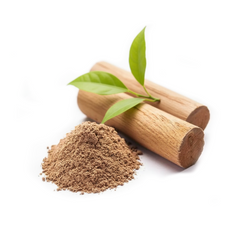
Layering flower petals with vanilla or tonka bean softens sharp floral aldehydes via olfactory masking, creating a creamy, warm sweetness as seen in Guerlain's Nahema.

02

Add Depth

Combining floral petals with woody notes like sandalwood or cedarwood introduces longevity and richness by blending complementary vanillin and woody lactones, exemplified in Tom Ford's Black Orchid.

03

Lighten the Glow

Pairing flower petals with citrus notes such as bergamot or neroli brightens the floral bouquet through shared ester compounds, enhancing freshness and vibrancy as in Dior's J'adore.

Wear It Right

How to Wear Flower Petals Like a Pro

Seasonal Guide

Fall & Winter

Cooler temperatures reduce volatility, allowing floral notes to linger longer with softer projection. Layering with warm woods or spices enhances depth and comfort.

Spring

Mild temperatures highlight fresh and green floral facets. Light application preserves delicacy and complements the season's natural bloom.

Summer

Heat increases evaporation, intensifying top floral notes but shortening longevity. Use lighter concentrations or layer with citrus to maintain freshness.

Year-Round Tip

Hydrate skin well to prolong floral scent and use hair mists for sustained diffusion without overwhelming intensity.

Application Points

Strategic application of flower petal fragrances enhances their olfactory impact and longevity.

1

Neck

Pulse points like the neck emit heat, accelerating evaporation of floral top and heart notes for immediate scent impact.

2

Behind the Ears

This area offers warmth and subtle diffusion, ideal for delicate floral notes to gently waft around.

3

Inner Wrists

Wrists provide warmth and mobility, enhancing scent projection and allowing for refreshing reapplication.

4

Hair

Hair holds fragrance molecules longer due to lower heat, releasing floral scents gradually and creating a natural aura.

★

Pro Tip

Layer floral-scented body lotions or oils under perfume to hydrate skin and extend the floral note's longevity and richness.

Mood Architecture™

Top Flower Petals Fragrances by Mood Score

These Flower Petals-based fragrances scored highest on the MEI™ Mood Architecture Framework — measuring how a scent may influence your emotional state.

Highest MEI Score
Modern Musement — Modern Muse Alternative Perfume
7.5
MEI™
Primary Fresh
Secondary Romantic
Confidence
6.49
Presence
7.0
Mood Lift
9.04
Identity
6.9
Warmth
8.4
Social Ease
7.51
Energy
3.05
" I am radiant.
View full mood profile →
HumanSafe™

Top Flower Petals Fragrances by HumanSafe™ Score

These Flower Petals-based fragrances have the highest product-level HumanSafe™ scores in this ingredient collection.

Highest HumanSafe™ Score
Modern Musement — Modern Muse Alternative Perfume
A-
HumanSafe™ Score Generally Safe
Safest Evaluated Ingredients EDP
OXACYCLOHEPTADEC-10-EN-2-ONE Evaluated ingredient ISS 10.0
AQUA Solvent / Carrier ISS 10.0
1,4-DIOXACYCLOHEPTADECANE-5,17-DIONE Evaluated ingredient ISS 10.0
HEXYL SALICYLATE Evaluated ingredient ISS 9.0
BENZYL SALICYLATE Evaluated ingredient ISS 9.0
LINALOOL Evaluated ingredient ISS 7.0
View full safety profile →
Expert Voices

What Masters Say About Flower Petals

“
Hedione revolutionized floral perfumery by imparting a radiant, airy quality that enhances diffusion and lift, making it indispensable in modern compositions.
Francis Kurkdjian, Master Perfumer
“
Flower petals provide a complex, living chord of aromatic compounds that evolve on the skin, offering a dynamic and authentic floral experience.
CA Perfume Editorial
Common Questions

Frequently Asked Questions

Frequently asked questions about flower petals in perfumery, providing detailed, expert answers.

Flower petals in perfume typically smell fresh, green, and floral with nuances depending on the flower type. Key molecules like phenylethyl alcohol and citronellol contribute to sweet, rosy facets, while indole adds a subtle animalic depth. Examples include the fresh rose in Chanel No. 5 and the lush jasmine in Dior's J'adore.

Flower petals generally function as heart notes in fragrances, appearing after the top notes and forming the main floral character. Their volatility is moderate, allowing them to last from 20 minutes to an hour or more, bridging the fresh opening and the musky or woody base.

Flower petals offer complex, multi-dimensional scent profiles that can be natural or abstract, allowing niche perfumers to create unique, expressive compositions. Their versatility and emotional resonance make them central to crafting signature floral bouquets.

Flower petals pair well with woody notes like sandalwood and cedarwood for depth, vanilla and tonka bean for sweetness, and citrus notes like bergamot for brightness. These combinations enhance floral nuances and improve longevity, as seen in Dior's J'adore and Tom Ford's Black Orchid.

Yes, but lighter concentrations or blends with citrus and green notes are preferred in hot weather to maintain freshness without overwhelming intensity. Hydrating skin before application helps prolong the scent.

Flower petal notes typically last 4-6 hours in eau de parfum concentrations, with initial freshness fading within 15 minutes and the floral heart lasting up to an hour, followed by a musky base that can linger longer.

Yes, layering flower petals with complementary notes such as musk, vanilla, or woody accords can enhance complexity and longevity. Proper layering balances molecular compatibility to avoid scent clashes.

Beginner-friendly flower petal perfumes include Dior's J'adore for its balanced floral bouquet, Gucci Bloom for its natural tuberose and jasmine, and Chanel No. 5 for classic rose and jasmine. These offer approachable yet rich floral experiences.

Consider your preference for floral intensity, complementary notes, and occasion. CA Perfume offers detailed descriptions and layering advice to help select fragrances that suit your skin chemistry and style.

Flower petals can exhibit both sweet and spicy facets depending on the flower species and extraction method. For example, Damask rose has a sweet, honeyed aroma with subtle spice, while jasmine offers a warm, slightly spicy floral scent.

Floral Collection

Explore Our Top Flower Petals Fragrances

Discover a curated selection of floral perfumes featuring exquisite flower petal notes for every occasion.

Shop all flower petals fragrances at CA Perfume →

Where Flower Petals Come From — Origin & Extraction

Flower petals used in perfumery are sourced from a variety of botanical species, including Rosa damascena (Damask rose), Jasminum sambac (Sambac jasmine), Polianthes tuberosa (tuberose), and Paeonia lactiflora (peony). Major production regions include Bulgaria and Turkey for rose, India for jasmine, and France (Grasse) for multiple floral crops. For example, Bulgaria produces approximately 70% of the world's rose oil, requiring around 3-4 tons of rose petals to yield 1 kilogram of essential oil. Extraction methods vary by flower type. Steam distillation is commonly used for robust flowers like lavender and rose, operating at temperatures around 100°C to vaporize volatile compounds. Solvent extraction, employing hexane or ethanol, is preferred for delicate flowers such as jasmine and tuberose to avoid thermal degradation of key aroma compounds. Supercritical CO2 extraction is increasingly used for its ability to preserve heat-sensitive molecules at lower temperatures. Enfleurage, an ancient technique involving absorption of fragrance into odorless fat, is now rare due to labor intensity but historically important for jasmine and tuberose. Natural flower petal extracts are costly, with rose oil priced around $20,000 to $30,000 per kilogram, while absolutes are somewhat more economical. Synthetic aroma chemicals provide cost-effective alternatives, reducing pressure on natural resources and supporting sustainability.

Famous Fragrances That Define Flower Petals in Perfumery

Flower petals have been central to many iconic fragrances, shaping the floral heart of compositions across decades. Chanel No. 5 (1921, Ernest Beaux) famously used rose and jasmine absolutes to create a complex floral bouquet that remains timeless. Dior's J'adore (2010, Francis Kurkdjian) showcases jasmine and ylang-ylang as dominant floral notes, lending a radiant and sensual character. Gucci Bloom (2017, Alberto Morillas) highlights tuberose and jasmine, creating a lush, natural floral scent evocative of a blooming garden. Guerlain's Nahema (1979, Jean-Paul Guerlain) uses rose as a bridge note, combining fruity and spicy facets for depth. Tom Ford's Black Orchid (2006, David Apel) incorporates floral notes like jasmine as accents within a dark, oriental framework. These fragrances demonstrate diverse uses of flower petals, from dominant soliflore to supporting accords. CA Perfume's collection respects this lineage, offering nuanced floral interpretations that honor tradition and innovation.

Natural vs Synthetic Flower Petals in Perfumery

Natural flower petal extracts contain complex mixtures of hundreds of aromatic compounds, such as phenylethyl alcohol (CAS 60-12-8), citronellol (CAS 106-22-9), geraniol (CAS 106-24-1), and indole (CAS 120-72-9). These contribute to the authentic, multi-dimensional scent but vary by harvest and origin, affecting consistency. Synthetic molecules like hedione (methyl dihydrojasmonate, CAS 24851-98-7), linalool (CAS 78-70-6), and beta-damascenone (CAS 23726-93-4) are used to replicate or enhance floral notes. Hedione, introduced in 1962 by Firmenich, is prized for its radiant, airy quality and diffusion. Performance-wise, synthetics offer greater longevity, projection, and batch-to-batch consistency. Natural extracts may fade faster and have softer sillage. Cost differentials are significant: natural rose oil can cost up to $30,000/kg, while synthetic aroma chemicals range from $50 to $500/kg. Sustainability concerns favor synthetics, as natural extraction requires large volumes of plant material and can impact biodiversity. CA Perfume employs the HumanSafe™ platform to ensure transparency and safety in ingredient sourcing, balancing natural and synthetic use for optimal fragrance quality and environmental responsibility.