Where Floral Comes From — Origin & Extraction
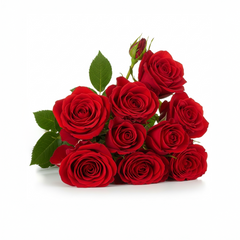
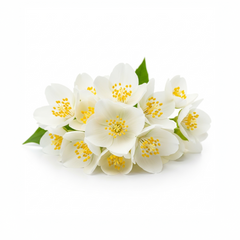
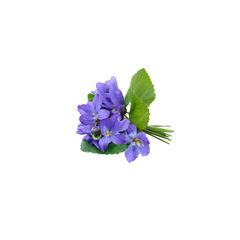
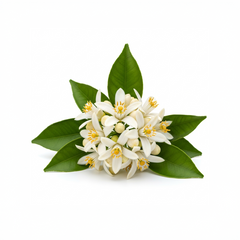
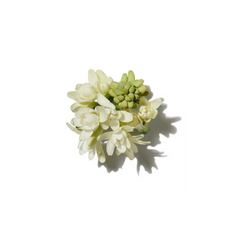
Floral notes in perfumery originate from a wide array of botanical sources, each with distinct extraction challenges and regional specialties. Key natural floral ingredients include rose (Rosa damascena, Rosa centifolia), jasmine (Jasminum grandiflorum, Jasminum sambac), tuberose (Polianthes tuberosa), orange blossom (Citrus aurantium), and narcissus (Narcissus poeticus). Major producing countries are France (Grasse region, leading in rose and jasmine with annual outputs of 30–50 metric tons of concrete), Bulgaria (notably Kazanlak for Damask rose, producing over 1,500 tons of rose petals annually), India (dominant in tuberose and jasmine sambac), and Morocco (orange blossom, rose, and neroli). Extraction methods vary: solvent extraction (using hexane or ethanol) yields floral absolutes with high fidelity to the living flower, while steam distillation is reserved for more robust blossoms (rose, lavender). Delicate flowers such as lily of the valley, lilac, and gardenia are “mute” and cannot be extracted directly; their scent is reconstructed using a blend of natural isolates and synthetic aroma chemicals.
Enfleurage, a traditional method involving fat absorption, is now largely obsolete but was historically used for jasmine and tuberose. Modern alternatives include supercritical CO2 extraction, which operates at low temperatures (31–40°C) and preserves thermolabile molecules, yielding higher quality extracts but at increased cost. Yields are low: for example, it takes approximately 700 kg of jasmine flowers to produce 1 kg of absolute, and 3,500–4,000 kg of rose petals for 1 kg of rose oil. Natural floral absolutes can cost $3,000–$10,000 per kg, while synthetic substitutes (e.g., hedione, linalool, hydroxycitronellal) are available at $50–$200 per kg. Sustainability is a growing concern: overharvesting and monoculture threaten biodiversity, while synthetic molecules offer a more consistent and less resource-intensive supply. Many modern perfumers blend both natural and synthetic floral notes for olfactory complexity and environmental responsibility.
Famous Fragrances That Define Floral in Perfumery
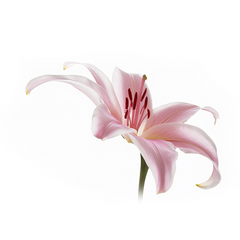
Floral notes have shaped the history of perfumery, from early soliflores to complex bouquets. Chanel No. 5 (1921, Ernest Beaux) revolutionized the genre by blending rose, jasmine, and ylang-ylang with aldehydes, creating an abstract floral signature that remains iconic. Jean Patou Joy (1930, Henri Alméras) is renowned for its opulent use of Grasse jasmine and Bulgarian rose, requiring over 10,000 jasmine flowers and 28 dozen roses for a single ounce. Estée Lauder Pleasures (1995, Annie Buzantian and Alberto Morillas) exemplifies the modern green floral, using lily, peony, and violet leaf with hedione for a transparent, dewy effect. Gucci Bloom (2017, Alberto Morillas) showcases a contemporary white floral accord, combining jasmine, tuberose, and Rangoon creeper for a creamy, radiant bouquet. Parfums de Marly Delina (2017, Quentin Bisch) features Turkish rose, peony, and lychee, demonstrating the versatility of florals in a modern, fruity context. These fragrances illustrate the evolution of floral in perfumery—from natural absolutes to sophisticated blends of naturals and synthetics. CA Perfume’s collection draws inspiration from this lineage, offering both classic and innovative interpretations of the floral family.
Natural vs Synthetic Floral in Perfumery
Natural floral ingredients are complex mixtures of volatile molecules, often containing hundreds of compounds (e.g., rose oil contains over 300 identified constituents). Key natural molecules include citronellol, geraniol, phenylethyl alcohol (rose), indole, benzyl acetate, and cis-jasmone (jasmine). However, many flowers are “mute” and cannot be extracted directly, necessitating the use of synthetic aroma chemicals. Notable synthetic floral molecules include hedione (CAS 24851-98-7), which imparts a jasmine-like, radiant freshness and is a signature of Eau Sauvage (1966, Edmond Roudnitska); hydroxycitronellal (CAS 107-75-5), used for lily of the valley and muguet accords; and linalool (CAS 78-70-6), present in both natural and synthetic forms, providing a soft, floral-green character.
Synthetic floral notes offer superior consistency, stability, and cost-effectiveness compared to naturals. They are less susceptible to batch variation and environmental factors, and their use reduces pressure on endangered plant species. However, some synthetic molecules (e.g., certain nitro musks and polycyclic musks) have raised environmental and health concerns, leading to tighter IFRA regulations. Iconic fragrances such as Chanel No. 5 and Estée Lauder Pleasures rely on a blend of natural and synthetic florals for their signature effects. CA Perfume’s HumanSafe™ platform ensures transparency in sourcing and formulation, verifying that all floral ingredients meet rigorous safety and sustainability standards. The modern perfumery palette is a hybrid: naturals provide depth and nuance, while synthetics offer creative freedom and environmental stewardship.