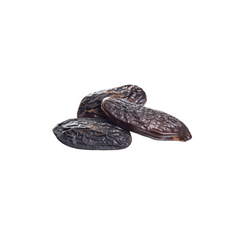
Where Fig Comes From — Origin & Extraction
Fig fragrance notes derive from the Ficus carica tree, a subtropical deciduous plant native to the Mediterranean region, including Turkey, southern Arabia, Egypt, Syria, and the broader Mediterranean basin. The tree produces figs enclosed in a syconium, a hollow structure lined with flowers. The fig fruit itself has a short shelf life and is often dried or preserved.
Natural extraction of fig scent is limited because fig leaf absolute production ceased due to its irritant properties and phototoxicity risks. Historically, fig leaf absolute was produced in France using sequential extraction with petroleum ether and ethanol, yielding a dark green material with honeyed, tobacco-like, and woody nuances. However, this production never exceeded 200 kg annually and is now discontinued.
Today, fig scent in perfumery is primarily created through synthetic accords combining aroma chemicals such as stemone (a green, minty molecule), gamma-octalactone (creamy, coconut-like), and labienoxime or damascones (fruity, blackcurrant-like). These synthetic molecules allow consistent reproduction of fig’s complex scent profile without seasonal or supply constraints.
Synthetic fig accords are cost-effective compared to natural materials, with prices ranging from $100 to $500 per kilogram depending on purity and supplier. Sustainability considerations favor synthetic production, avoiding overharvesting and ecological impact on fig trees. The International Fragrance Association (IFRA) prohibits fig leaf absolute due to dermal sensitization and phototoxicity concerns, making synthetic fig accords the standard in modern perfumery.
Famous Fragrances That Define Fig in Perfumery
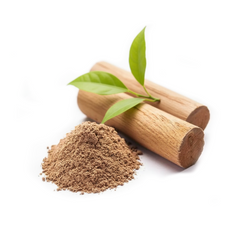
Fig has become a defining note in modern perfumery, especially within niche and artisanal brands. L’Artisan Parfumeur’s Premier Figuier (1994), created by Olivia Giacobetti, is widely regarded as the first true fig fragrance, featuring fig leaf as a top note, fig fruit in the heart, and creamy sandalwood in the base. This fragrance set the standard for fig accords, emphasizing the green, milky, and woody facets.
Diptyque’s Philosykos (1996), also by Giacobetti, is a cult classic that captures the entire fig tree experience, blending leafy fig leaves, milky sap, and ripe fruit with cedar and woody notes. Philosykos remains one of the most recognizable fig perfumes worldwide.
Acqua di Parma’s Blu Mediterraneo - Fico di Amalfi (2018) evokes the sunny Mediterranean with juicy fig, sparkling lemon, and almond wood, offering a fresh and vibrant interpretation.
Tom Ford’s Figue Érotique (2007) presents a richer, more sensual fig accord combined with floral and woody notes, highlighting the fruit’s honeyed and gourmand aspects.
Phlur’s Father Figure (2017) uses fig as a bridge note, blending it with woody and aromatic accords for a modern masculine scent.
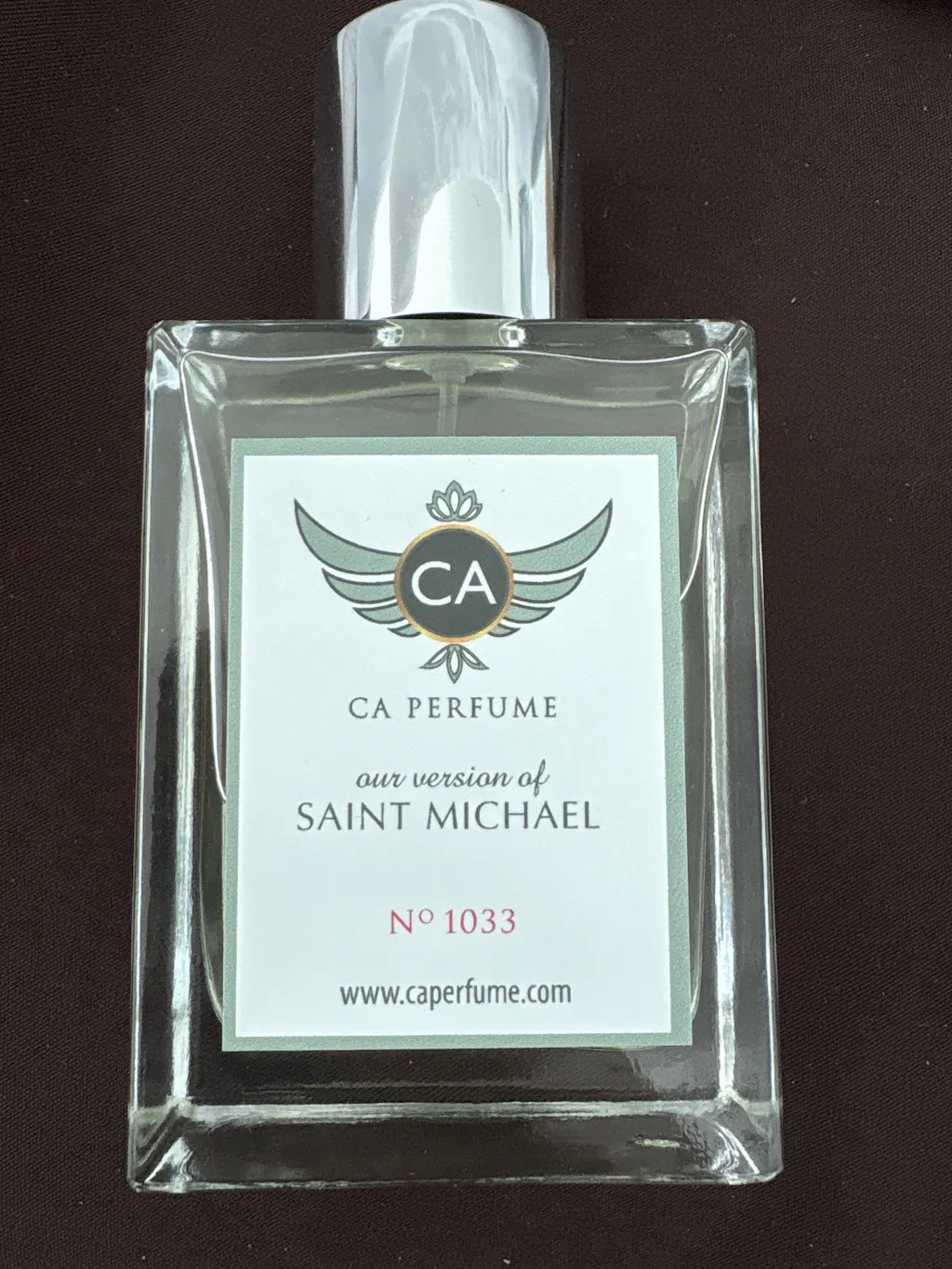
These fragrances illustrate fig’s versatility, from fresh and green to creamy and gourmand. CA Perfume’s collection honors this lineage by offering fig accords that reflect these diverse olfactory expressions without compromising safety or sustainability.
Natural vs Synthetic Fig in Perfumery
Natural fig materials are scarce and largely unavailable due to safety concerns. Fig leaf absolute, once produced in limited quantities, is no longer used because of its phototoxic and irritant properties. The milky sap of the fig tree also poses dermal sensitization risks, leading to IFRA restrictions that prohibit its use in fragrances.
Synthetic fig accords are constructed from aroma chemicals such as stemone (CAS 133747-75-1), gamma-octalactone (CAS 706-14-9), labienoxime, and damascones. Stemone provides the green, fresh, and slightly minty facet, while gamma-octalactone contributes creamy, lactonic notes reminiscent of coconut milk. Labienoxime and damascones add fruity and floral nuances that evoke ripe fig fruit.
Performance-wise, synthetic fig accords offer superior stability, longevity, and diffusion compared to natural fig materials, which are limited and unstable. Synthetic accords also allow perfumers to tailor the scent profile precisely, balancing green, fruity, and creamy facets.
Cost differentials are significant: natural fig leaf absolute historically cost several thousand dollars per kilogram, whereas synthetic aroma chemicals range from $100 to $500 per kilogram. Sustainability is enhanced by synthetic production, reducing pressure on fig tree populations and avoiding ecological damage.
CA Perfume sources fig accords verified through the HumanSafe™ platform, ensuring transparency and compliance with safety standards. This approach guarantees high-quality, safe, and sustainable fig fragrance ingredients.