Ingredient Guide · Fruity
Fruity Family · Perfumery Note

Fig Nectar

Explore the sweet and creamy allure of fig nectar.

Fig nectar is a heart note in perfumery, known for its sweet, fruity, and creamy character. The key molecule contributing to its scent is 2,4-hexadienal, typically used at concentrations of 5-15%.

Fig Nectar
Ingredient Profile

Fig Nectar

Fruity Family
Family Fruity
Note Position Heart Note
Usage Level 5-15%
Key Origins Turkey, Egypt, Greece
Iconic In Diptyque Philosykos, Marc Jacobs Daisy Eau So Fresh
The Ingredient

What does Fig Nectar smell like and why is it significant in perfumery?

Fig nectar, derived from the fruit of the Ficus carica tree, presents a unique scent profile characterized by its sweet, fruity, and creamy notes. The primary chemical components contributing to this scent include 2,4-hexadienal and 1-octen-3-ol, which provide the characteristic fruity aroma. Fig nectar is classified as a heart note, typically used in concentrations ranging from 5% to 15% in perfumery. This ingredient interacts with skin chemistry to create a warm, inviting scent that evolves beautifully over time. In perfumery, fig nectar plays a crucial role in creating fruity and gourmand compositions. Its creamy sweetness can soften sharper notes, making it a versatile ingredient. It often pairs well with other fruits and florals, enhancing the overall fragrance experience. Notable fragrances that exemplify its use include Diptyque's Philosykos and Marc Jacobs' Daisy Eau So Fresh. Fig nectar's ability to evoke the essence of summer and lush gardens makes it a sought-after note in modern perfumery, appealing to those who enjoy fresh, fruity scents.

5-15%
Fig nectar is typically used in concentrations of 5-15% in fragrances, allowing its sweet and creamy character to shine without overpowering other notes.
30%
Turkey accounts for approximately 30% of global fig production, making it a key player in the fig market.
100$
Natural fig nectar can cost around $100 per liter, reflecting its value and the labor-intensive extraction process.
Origin & Extraction

Where Fig Nectar Comes From — Origin & Extraction

The Ficus carica tree thrives in Mediterranean climates, where the warm, dry conditions contribute to the rich sweetness of the figs. The soil composition, often clay or limestone, enhances the fruit's flavor profile, making Mediterranean figs particularly prized in perfumery.

TR

Turkey

Turkey is one of the largest producers of figs, particularly in the Aegean region. The warm climate and fertile soil contribute to the high quality of Turkish figs, which are known for their sweetness and rich flavor. Turkey accounts for approximately 30% of global fig production.

EG

Egypt

Egypt is renowned for its fig cultivation, especially in the Nile Delta region. The unique climate and irrigation practices result in figs that are exceptionally sweet and aromatic. Egypt contributes around 20% of the world's fig supply.

GR

Greece

Greece has a long history of fig cultivation, particularly in regions like Crete and the Peloponnese. The figs from these areas are celebrated for their intense sweetness and flavor, making them a favorite in both culinary and perfumery applications. Greece produces about 15% of the world's figs.

Chemistry

Natural vs Synthetic Fig Nectar in Perfumery

Natural
Fig Nectar Absolute
Cost $3,000–6,000/kg
Method Solvent / CO₂
Character Complex, variable
vs
Synthetic
Safranal & Analogues
Cost $50–200/kg
Method Lab synthesis
Character Consistent, stable
Hall of Fame

Famous Fragrances That Define Fig Nectar in Perfumery

1996
dominant note

Diptyque Philosykos

Diptyque
by Olivia Giacobetti
green leaveswoody notes
2011
heart note

Marc Jacobs Daisy Eau So Fresh

Marc Jacobs
wild roseraspberry
1994
dominant note

L'Artisan Parfumeur Premier Figuier

L'Artisan Parfumeur
almondcoconut
2003
supporting note

Hermès Un Jardin En Méditerranée

Hermès
citrusfloral notes
2008
accent

Byredo Gypsy Water

Byredo
woody notesaromatic notes

Fig nectar has become a defining note in several notable fragrances, showcasing its versatility and appeal. Here are some key examples: 1. **Diptyque Philosykos** (1996) - Created by perfumer Olivia Giacobetti, this fragrance features fig nectar as a dominant note, complemented by green leaves and woody undertones, evoking the essence of a fig tree in the Mediterranean. 2. **Marc Jacobs Daisy Eau So Fresh** (2011) - This playful fragrance includes fig nectar as a heart note, paired with wild rose and raspberry, creating a bright and fruity composition. 3. **L'Artisan Parfumeur Premier Figuier** (1994) - A classic fig fragrance that highlights the creamy and sweet aspects of fig nectar, blended with almond and coconut for a tropical feel. 4. **Hermès Un Jardin En Méditerranée** (2003) - This fragrance captures the essence of a Mediterranean garden, featuring fig nectar alongside citrus and floral notes, creating a refreshing and uplifting scent. 5. **Byredo Gypsy Water** (2008) - A modern classic that uses fig nectar to add a sweet, fruity layer to its woody and aromatic composition, enhancing its overall complexity. These fragrances demonstrate how fig nectar can serve as a bridge note, enhancing the overall character of a fragrance while providing a unique olfactory experience.

The Accord

How is a captivating Fig Nectar accord crafted?

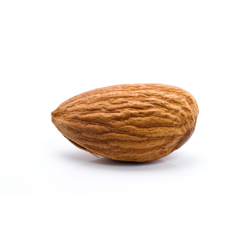
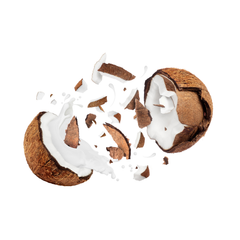
Creating a fig nectar accord involves balancing sweet, fruity, and creamy notes to achieve a harmonious blend. The following ingredients work together to create this captivating accord: - Fig Nectar 30-35%: The core of the accord, providing sweetness and creaminess. - Green Leaves 20-25%: Adds a fresh, green aspect that complements the fruitiness. - Almond 15-20%: Introduces a nutty, creamy texture that enhances the overall richness. - Coconut 20-25%: Contributes a tropical, creamy note that rounds out the accord, creating a lush experience.

35%

Fig Nectar

30–35% of blend

The core of the accord, providing sweetness and creaminess.

25%

Green Leaves

20–25% of blend

Adds a fresh, green aspect that complements the fruitiness.

20%

Almond

15–20% of blend

Introduces a nutty, creamy texture that enhances the overall richness.

25%

Coconut

20–25% of blend

Contributes a tropical, creamy note that rounds out the accord.

The Olfactory Layers

How Fig Nectar Evolves on Skin

The olfactory evolution of fig nectar unfolds in three distinct phases, showcasing its complexity and richness.

I
Top notes
0–15 min
Opening

In the initial phase, fig nectar presents a bright, juicy sweetness, primarily from high-volatility compounds like 2,4-hexadienal. This creates an immediate impression of ripe fruit, drawing you in with its inviting aroma.

juicybrightsweet
II
Heart notes
20–60 min
Heart

As the fragrance develops, the heart reveals a creamy, smooth texture, enhanced by the presence of 1-octen-3-ol. This phase deepens the fruity character, making it richer and more complex, reminiscent of fresh figs.

creamysmoothrich
III
Base notes
Several hours
Drydown

In the dry-down, fig nectar settles into a warm, slightly woody base, where the sweetness remains but is balanced by subtle earthy undertones. This lasting impression provides depth and longevity to the fragrance.

warmwoodyearthy
TOP NOTES Opening 0–15 minutes HEART NOTES Heart 20–60 minutes BASE NOTES Drydown Several hours
Through the Ages

The Story of Fig Nectar in Perfumery

The history of fig nectar in perfumery is rich and varied, reflecting its longstanding cultural significance.

Antiquity

Historical Use

Figs have been cultivated since ancient times, with references found in texts from Mesopotamia and Egypt, where they were prized for their sweetness and nutritional value.

16th Century

Introduction to Europe

Figs were introduced to Europe by traders and explorers, becoming popular in Mediterranean cuisine and later in perfumery for their unique scent.

19th Century

Fig in Fragrance

The use of fig in perfumery began to gain traction, with early fragrances incorporating fig notes to evoke a sense of freshness and fruitiness.

1994

L'Artisan Parfumeur Premier Figuier

This fragrance marked a significant moment in perfumery, showcasing fig nectar as a central note and influencing many subsequent compositions.

2000s

Modern Popularity

Fig nectar became a staple in modern perfumery, featured in numerous fragrances that highlight its versatility and appeal in fruity and gourmand compositions.

The Art of Layering

How to Layer Fig Nectar

Layering fig nectar with complementary notes can enhance its olfactory profile.

01

Enhance Freshness

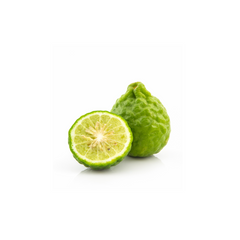
Pairing fig nectar with citrus notes like bergamot or lemon creates a refreshing and invigorating scent. The shared fruity characteristics enhance the overall brightness of the fragrance.

02

Add Depth

Layering fig nectar with woody notes such as sandalwood or cedar adds depth and complexity. The contrast between the creamy sweetness of fig and the earthiness of wood creates a balanced fragrance experience.

03

Lighten the Creaminess

Combining fig nectar with green notes like basil or mint can lighten its creamy profile. This pairing brings a fresh, herbal aspect that complements the fruitiness.

Wear It Right

How to Wear Fig Nectar Like a Pro

Seasonal Guide

Fall & Winter

In cooler months, fig nectar's warmth and creaminess shine, making it a comforting choice. Layer it with deeper, spicier notes for a cozy fragrance experience.

Spring

During spring, fig nectar's fruity sweetness complements blooming florals, creating a fresh and uplifting scent profile. Pair it with light floral notes for a vibrant fragrance.

Summer

In the heat of summer, fig nectar offers a refreshing burst of sweetness. Its lightness makes it perfect for daytime wear, especially when layered with citrus notes.

Year-Round Tip

Fig nectar's versatility allows it to be worn year-round. For a balanced fragrance, consider layering it with woody or green notes to enhance its complexity.

Application Points

Strategic application of fig nectar enhances its olfactory experience.

1

Neck

Applying fig nectar to the neck allows body heat to enhance its fruity top notes, creating a vibrant and inviting aura.

2

Behind the Ears

This pulse point is ideal for fig nectar, as the warmth here helps diffuse the fragrance subtly throughout the day.

3

Inner Wrists

Applying to the inner wrists allows for easy reapplication and enhances the scent's projection when you gesture.

4

Hair

Spraying fig nectar on hair provides a long-lasting scent trail, as hair retains fragrance well and releases it gradually.

Pro Tip

For a layered effect, consider applying a complementary fragrance alongside fig nectar to create a unique scent experience.

HumanSafe™

Top Fig Nectar Fragrances by HumanSafe™ Score

These Fig Nectar-based fragrances have the highest product-level HumanSafe™ scores in this ingredient collection.

Highest HumanSafe™ Score
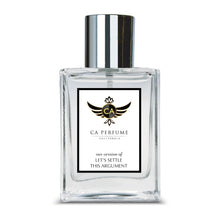
Let's Settle This Argument — In The Bedroom Let's Settle This Argument Like Adults Naked Alt. Perfume
A-
HumanSafe™ Score Generally Safe
Safest Evaluated Ingredients EDP
AQUA Solvent / Carrier ISS 10.0
1,4-DIOXACYCLOHEPTADECANE-5,17-DIONE Evaluated ingredient ISS 10.0
BENZYL SALICYLATE Evaluated ingredient ISS 9.0
3-BUTEN-2-ONE, 3-METHYL-4-(2,6,6-TRIMETHYL-2- Evaluated ingredient ISS 8.0
LINALYL ACETATE Evaluated ingredient ISS 7.0
View full safety profile →
Expert Voices

What Masters Say About Fig Nectar

Fig is a note that brings a unique sweetness and creaminess, making it a favorite among perfumers.
CA Perfume Editorial
The versatility of fig nectar allows it to blend beautifully with both fruity and floral notes.
CA Perfume Editorial
Common Questions

Frequently Asked Questions

Frequently asked questions about fig nectar in perfumery.

Fig nectar in perfume typically smells sweet, fruity, and creamy, evoking the scent of ripe figs. Its unique profile is characterized by the presence of compounds like 2,4-hexadienal, which contribute to its inviting aroma.

Fig nectar is primarily used as a heart note in fragrances, providing a sweet and creamy character that enhances the overall composition. It evolves beautifully over time, making it a versatile ingredient.

Fig nectar is popular in niche perfumes due to its unique scent profile that combines sweetness and creaminess. It adds a distinctive character to fruity and gourmand compositions, appealing to those seeking something different.

Fig nectar pairs well with citrus notes like bergamot, woody notes such as sandalwood, and floral notes like jasmine. These combinations enhance its fruity sweetness while adding depth and complexity to the fragrance.

Yes, fig nectar is suitable for summer and hot weather due to its light and refreshing character. Its fruity sweetness can evoke a sense of summer, making it a great choice for daytime wear.

The longevity of a fig nectar fragrance can vary, but it typically lasts around 4-6 hours on the skin, depending on individual skin chemistry and the concentration of the fragrance.

Yes, fig nectar can be layered with other fragrances to create a unique scent experience. Its versatility allows it to complement both fruity and floral notes, enhancing the overall fragrance profile.

For beginners, fragrances like Marc Jacobs Daisy Eau So Fresh and Diptyque Philosykos are excellent choices. They showcase fig nectar beautifully and are approachable for those new to fruity scents.

To choose the right fig nectar fragrance, consider your personal scent preferences and the occasion. Look for fragrances that highlight the sweetness and creaminess of fig nectar for a delightful experience.

Fig nectar smells sweet in fragrance, characterized by its fruity and creamy notes. It does not typically have a spicy profile, making it a pleasant choice for those who enjoy sweet scents.

Fruity Collection

Explore Our Top Fig Nectar Fragrances

Discover the best fragrances featuring fig nectar.

Shop all fig nectar fragrances at CA Perfume →

Where Fig Nectar Comes From — Origin & Extraction

Famous Fragrances That Define Fig Nectar in Perfumery

Fig nectar has become a defining note in several notable fragrances, showcasing its versatility and appeal. Here are some key examples: 1. **Diptyque Philosykos** (1996) - Created by perfumer Olivia Giacobetti, this fragrance features fig nectar as a dominant note, complemented by green leaves and woody undertones, evoking the essence of a fig tree in the Mediterranean. 2. **Marc Jacobs Daisy Eau So Fresh** (2011) - This playful fragrance includes fig nectar as a heart note, paired with wild rose and raspberry, creating a bright and fruity composition. 3. **L'Artisan Parfumeur Premier Figuier** (1994) - A classic fig fragrance that highlights the creamy and sweet aspects of fig nectar, blended with almond and coconut for a tropical feel. 4. **Hermès Un Jardin En Méditerranée** (2003) - This fragrance captures the essence of a Mediterranean garden, featuring fig nectar alongside citrus and floral notes, creating a refreshing and uplifting scent. 5. **Byredo Gypsy Water** (2008) - A modern classic that uses fig nectar to add a sweet, fruity layer to its woody and aromatic composition, enhancing its overall complexity. These fragrances demonstrate how fig nectar can serve as a bridge note, enhancing the overall character of a fragrance while providing a unique olfactory experience.

Natural vs Synthetic Fig Nectar in Perfumery