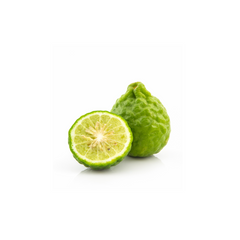
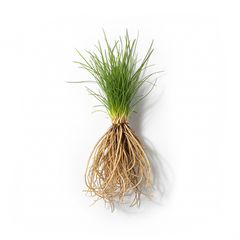
Green Leaves in perfumery are defined by their crisp, dewy, and plant-like scent profile, closely resembling the aroma of freshly cut grass, crushed foliage, and living stems. The primary molecular contributors are cis-3-hexenol (leaf alcohol, CAS 928-96-1), cis-3-hexenal, and their esters, which are classified as green leaf volatiles (GLVs). These molecules are released by plants when leaves are damaged, producing a sharp, airy, and slightly sweet aroma that is immediately recognizable as 'green.' Supporting compounds such as galbanum-derived undecatrienes and methyl heptine carbonate (folione) add further depth, with nuances ranging from bitter and herbal to watery and ozonic. The result is a scent that bridges the gap between citrus brightness and woody depth, evoking the sensation of walking through a garden after rain.
In perfumery, green leaves are most often used as top or heart notes, providing an initial burst of freshness and realism. Their volatility is higher than woody or resinous notes, but they last longer than most citrus components. Typical usage concentrations range from 0.1% for subtle freshness to 2% for a dominant green effect. Green leaves interact dynamically with skin chemistry—on warmer, more acidic skin, the green facets become sharper and more pronounced, while on drier or more alkaline skin, the note can appear softer and more herbal. This variability makes green leaves a versatile tool for perfumers seeking to add a natural, clean, and lively dimension to a fragrance.
Notable fragrances that exemplify the use of green leaves include Diptyque L’Ombre Dans L’Eau (1983, Serge Kalouguine), where blackcurrant leaf and rose are anchored by a vivid green accord, and Creed Green Irish Tweed (1985, Olivier Creed), which uses green notes alongside lemon verbena and violet leaf to create a classic, sporty freshness. In both, green leaves serve as a bridge between citrus, floral, and woody elements, enhancing the overall realism and vibrancy of the composition. The question "what does green leaves smell like" is central to understanding their role in perfumery: they provide the olfactory illusion of nature itself, making them indispensable in both traditional and modern fragrance design.