Ingredient Guide · Floral Amber
Floral Amber Family · Perfumery Note

Egyptian Tuberose

A heady, creamy white floral with intoxicating complexity

Egyptian Tuberose is a prized white floral note in perfumery, known for its rich, narcotic, and creamy character. Extracted primarily by solvent extraction, it contains key molecules like methyl isoeugenol and jasmin lactone that define its scent.

Egyptian Tuberose
Ingredient Profile

Egyptian Tuberose

Floral Amber Family
Family Floral Amber
Note Position Heart Note
Usage Level 0.1–1%
Key Origins Egypt, India, Morocco
Iconic In My Way, L'Interdit Eau de Parfum
The Ingredient

What does Egyptian Tuberose smell like and why is it significant in perfumery?

Egyptian Tuberose, derived from the flower of Polianthes tuberosa, is a white floral note renowned for its rich, intoxicating scent profile. Its aroma is characterized by a complex blend of sweet honeyed nuances, creamy lactones such as jasmin lactone, and green, medicinal facets from methyl salicylate. The presence of phenylpropanoids like methyl isoeugenol (over 40%) and indolic compounds contribute to its narcotic and animalic undertones, making it a deeply sensual and opulent note. In perfumery, Egyptian Tuberose functions primarily as a heart or middle note, though its powerful sillage allows it to linger into the base. It is typically used at concentrations ranging from 0.1% to 1% in fine fragrances due to its potency. The note interacts dynamically with skin chemistry, where body heat enhances its creamy and narcotic facets, while skin pH can influence the perception of its green or animalic nuances. Notable fragrances featuring Egyptian Tuberose include Giorgio Armani's My Way (2020), where it is blended with orange blossom and cedarwood to create a fresh yet creamy floral heart, and Givenchy's L'Interdit Eau de Parfum (2018) by François Demachy, which uses tuberose as a sensual white floral accent paired with jasmine and patchouli. These examples demonstrate Egyptian Tuberose's versatility in both modern and classic compositions, highlighting its importance in perfumery.

1000 flowers/kg
Approximately 1000 freshly harvested tuberose flowers are required to produce 1 kilogram of absolute, reflecting the ingredient's rarity and cost.
$300–450/oz
The market price range for natural Egyptian Tuberose absolute per ounce, indicating its premium status among floral absolutes.
0.1–1%
Typical concentration range of Egyptian Tuberose absolute in fine fragrance formulations to balance potency and safety.
Origin & Extraction

Where Egyptian Tuberose Comes From — Origin & Extraction

Egyptian Tuberose thrives in warm, dry climates with well-drained soils, which influence its rich, narcotic scent profile. The country's arid conditions and high sunlight intensity enhance the flower's aromatic compound concentration, resulting in a potent absolute prized in perfumery.

Egyptian Tuberose is sourced from the flowers of Polianthes tuberosa, a perennial bulbous plant native to Mexico and India but extensively cultivated in Egypt, South India, Morocco, Tunisia, and the Comoros. Egypt is a significant producer, with cultivation focused on warm, dry climates ideal for the flower's development. The plant blooms from May to December, with peak harvesting in August. Flowers are hand-picked early in the morning as the corollas open to maximize aromatic compound retention. Extraction of Egyptian Tuberose absolute is primarily achieved through solvent extraction using volatile solvents such as hexane or ethanol. This method preserves the delicate and complex aromatic profile better than steam distillation, which can degrade key molecules. Traditional enfleurage, once common in Grasse, France, is now largely replaced by solvent extraction and modern supercritical CO2 extraction techniques, which offer higher yield and purity. The extraction process involves saturating purified fat or solvent with the flower's fragrance, followed by solvent recovery and ethanol washing to produce the absolute. The yield is low, requiring approximately 1000 flowers to produce 1 kg of absolute, contributing to its high cost, typically $300–450 per ounce for the absolute. Sustainability concerns focus on labor-intensive harvesting and the environmental impact of solvent use, prompting interest in greener extraction technologies. Synthetic aroma chemicals are often used to supplement or replace natural extracts due to cost and supply variability.

EG

Egypt

Cultivated mainly in the Nile Delta region, Egyptian tuberose benefits from sandy loam soils and a hot, dry climate. The flowers are hand-harvested at dawn to preserve aromatic integrity. Egypt is a key global supplier, contributing significantly to the market for high-quality tuberose absolute.

IN

India

South India, particularly Tamil Nadu and Karnataka, produces tuberose with a slightly greener and more camphoraceous character due to higher humidity and soil composition. Harvesting occurs from May to December, with labor-intensive manual picking.

MA

Morocco

Morocco's semi-arid climate and mineral-rich soils produce tuberose with a balanced floral and earthy profile. Cultivation is smaller scale but valued for its unique aromatic nuances.

FR

France (Grasse)

Grasse, the historic perfume capital, cultivates tuberose primarily for niche perfumery. The Mediterranean climate imparts a refined floral character. Extraction traditionally used enfleurage but now relies on solvent extraction.

Chemistry

Natural vs Synthetic Egyptian Tuberose in Perfumery

Natural Egyptian Tuberose absolute is prized for its complex, multi-layered scent profile, including green-camphoraceous top notes, a narcotic floral heart, and a creamy lactonic base. Key natural constituents include methyl isoeugenol (40.8%), jasmin lactone (13.3%), methyl salicylate (4.6%), and methyl anthranilate (4.4%). This complexity is difficult to replicate synthetically. Synthetic aroma chemicals such as methyl tuberate (CAS 123-66-0), jasmolactone (CAS 65447-77-0), and indole (CAS 120-72-9) are employed to recreate tuberose's facets in modern perfumery. These synthetics provide cost-effective, stable, and consistent alternatives, allowing perfumers to emphasize specific facets like creaminess or narcotic intensity. Natural absolute is expensive, with prices around $300–450 per ounce, while synthetics cost significantly less. Natural extracts offer superior longevity and diffusion but are susceptible to batch variability and supply constraints. Synthetic molecules provide enhanced stability and ethical sourcing. Famous fragrances like Frederic Malle's Carnal Flower use natural tuberose absolute for authenticity, while many commercial perfumes rely on synthetic blends for affordability and consistency. The HumanSafe™ platform advocates transparency in ingredient sourcing and safety, guiding CA Perfume's approach to balancing natural and synthetic tuberose use.

Natural
Egyptian Tuberose Absolute
Cost $3,000–6,000/kg
Method Solvent / CO₂
Character Complex, variable
vs
Synthetic
Safranal & Analogues
Cost $50–200/kg
Method Lab synthesis
Character Consistent, stable
Hall of Fame

Famous Fragrances That Define Egyptian Tuberose in Perfumery

2020
heart note

My Way

Giorgio Armani
by Carlos Benaim
Orange BlossomCedarwoodBergamot
2018
accent note

L'Interdit Eau de Parfum

Givenchy
by François Demachy
JasminePatchouliOrange Blossom
2019
dominant note

Love Tuberose

Amouage
by Daniel Maurel
GardeniaMuskVanilla
2017
dominant note

Tubéreuse Astrale

Maison Crivelli
Orange BlossomVanillaMusk
2010
heart note

Do Son Eau de Parfum

Diptyque
by Fabrice Pellegrin
Orange BlossomMuskNeroli

Egyptian Tuberose has been a defining note in numerous landmark fragrances, showcasing its versatility and sensuality. Giorgio Armani's My Way (2020), crafted by perfumer Carlos Benaim, features Egyptian Tuberose as a creamy floral heart note, harmonizing with orange blossom and cedarwood to create a fresh yet opulent scent. Givenchy's L'Interdit Eau de Parfum (2018), by François Demachy, uses tuberose as a sensual white floral accent paired with jasmine and patchouli, contributing to the fragrance's modern elegance. Amouage's Love Tuberose (2019), composed by Daniel Maurel, places tuberose at the forefront as a dominant note, enriched with gardenia and musk, emphasizing its narcotic and creamy facets. Maison Crivelli's Tubéreuse Astrale (2017) highlights Egyptian Tuberose in a lactonic floral accord with orange blossom and vanilla, creating a radiant and enveloping scent. Diptyque's Do Son Eau de Parfum (2010), by Fabrice Pellegrin, features tuberose blended with orange blossom and musk, offering a fresh yet sensual interpretation. CA Perfume's collection respects this lineage by exploring tuberose's multifaceted character through nuanced blends that balance its narcotic intensity with complementary notes.

The Accord

How is a captivating Egyptian Tuberose accord crafted?

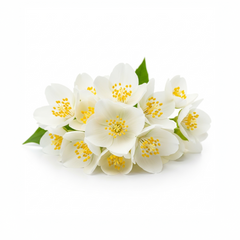
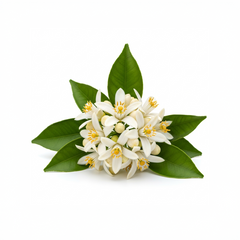
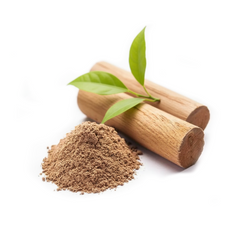
A balanced Egyptian Tuberose accord typically contains 25-30% Egyptian Tuberose absolute for its rich narcotic floral heart. Complementary ingredients include 20-25% Orange Blossom to enhance the citrus-floral brightness, 20-25% Jasmine for added white floral complexity, and 25-30% Sandalwood to provide a creamy, woody base that softens the floral intensity. This blend leverages molecular synergies such as shared lactones and phenylpropanoids to create a harmonious, long-lasting accord.

30%

Egyptian Tuberose Absolute

25–30% of blend

Provides the narcotic, creamy floral heart with key molecules like methyl isoeugenol and jasmin lactone.

25%

Orange Blossom

20–25% of blend

Adds citrus-floral brightness and complements tuberose via shared methyl anthranilate compounds.

25%

Jasmine

20–25% of blend

Contributes white floral complexity and enhances the indolic facets of tuberose.

30%

Sandalwood

25–30% of blend

Provides a creamy, woody base that softens and fixes the floral notes, improving longevity.

The Olfactory Layers

How Egyptian Tuberose Evolves on Skin

Egyptian Tuberose evolves from its green, camphoraceous top notes through a rich, narcotic floral heart to a creamy, lactonic base. The initial volatile compounds like methyl salicylate evaporate within the first 15 minutes, revealing the complex phenylpropanoid and lactone-rich core that persists for hours.

I
Top notes
0–15 min
Green and Medicinal Freshness

The opening is marked by green, medicinal freshness due to methyl salicylate and 1,8-cineole, imparting a camphoraceous lift. These high-volatility molecules evaporate quickly, creating an initial crisp impression.

GreenMedicinalFresh
II
Heart notes
20–60 min
Narcotic Floral Heart

The heart reveals the narcotic floral character dominated by methyl isoeugenol and methyl anthranilate, producing sweet, honeyed, and slightly fruity nuances. Indolic compounds contribute to the sensual, animalic facets.

NarcoticFloralHoneyed
III
Base notes
Several hours
Creamy Lactonic Warmth

The base is creamy and lactonic, driven by jasmin lactone and delta-decalactone, supported by benzyl benzoate and benzyl salicylate, which provide warmth, fixative qualities, and a skin-like softness.

CreamyLactonicWarm
TOP NOTES Green and Medicinal Freshness 0–15 minutes HEART NOTES Narcotic Floral Heart 20–60 minutes BASE NOTES Creamy Lactonic Warmth Several hours
Through the Ages

The Story of Egyptian Tuberose in Perfumery

Egyptian Tuberose has a rich history from ancient ceremonial uses to modern perfumery, evolving through centuries of cultivation and extraction innovations.

Pre-16th Century

Aztec Use of Tuberose

The Aztecs in Central America used tuberose essential oil to scent chocolate, marking one of the earliest known aromatic applications of the flower.

16th Century

Introduction to Europe

Spanish conquest of Mexico brought tuberose to Europe, where it was cultivated in gardens and used in early perfume formulations.

17th Century

Cultivation in Grasse

Tuberose was introduced to Grasse, France, and extracted by enfleurage, becoming a staple in French perfumery.

19th Century

Expansion of Cultivation

Production increased in Egypt, India, and Morocco, with solvent extraction replacing enfleurage as the primary method.

20th–21st Century

Synthetic Molecules and Modern Use

Development of synthetic aroma chemicals like methyl tuberate and jasmolactone allowed perfumers to reconstruct tuberose accords, expanding its use in contemporary fragrances.

The Art of Layering

How to Layer Egyptian Tuberose

Understanding how to layer Egyptian Tuberose involves molecular compatibility, enhancing or balancing its facets through complementary notes.

01

Enhance Sweetness

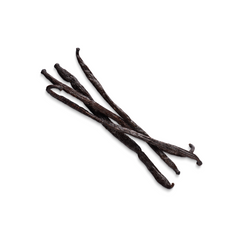
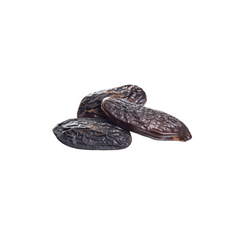
Layering tuberose with vanilla or tonka bean softens its narcotic edge via olfactory masking, where vanillin's sweet threshold overrides tuberose's sharpness. This is exemplified in fragrances like Amouage Love Tuberose.

02

Add Depth

Pairing with sandalwood or cashmere wood introduces creamy, woody lactones that synergize with tuberose's jasmin lactone, enriching the base and prolonging wear, as seen in Maison Crivelli's Tubéreuse Astrale.

03

Lighten the Glow

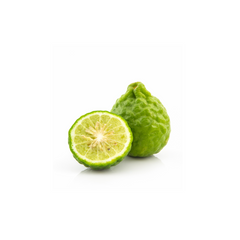
Combining tuberose with citrus notes like bergamot or orange blossom introduces fresh methyl anthranilate compounds, brightening the accord and balancing narcotic intensity, demonstrated in Giorgio Armani's My Way.

Wear It Right

How to Wear Egyptian Tuberose Like a Pro

Seasonal Guide

Fall & Winter

Cooler temperatures slow evaporation, enhancing tuberose's creamy and warm base notes. Apply more liberally for stronger sillage and to counteract cold air's dampening effect.

Spring

Moderate warmth allows balanced diffusion of green top notes and narcotic heart. Layer with fresh citrus or light woods to complement seasonal freshness.

Summer

Heat increases volatility, emphasizing fresh and camphoraceous facets but may reduce longevity. Use lighter concentrations or layer with fixatives to maintain balance.

Year-Round Tip

Adjust application based on climate; layering with vanilla or sandalwood can smooth tuberose's intensity and extend wear across seasons.

Application Points

Strategic application of Egyptian Tuberose enhances its olfactory impact and longevity.

1

Neck

Pulse points like the neck emit heat, intensifying tuberose's creamy and narcotic facets for a captivating aura.

2

Behind the Ears

This warm area allows subtle diffusion, ideal for a soft, intimate tuberose trail.

3

Inner Wrists

High blood flow here enhances evaporation, highlighting the note's green and fresh top facets.

4

Hair

Hair holds fragrance longer, releasing tuberose's creamy and floral nuances with movement.

★

Pro Tip

Layer tuberose with complementary notes like vanilla or sandalwood on clothing to extend scent longevity.

Mood Architecture™

Top Egyptian Tuberose Fragrances by Mood Score

These Egyptian Tuberose-based fragrances scored highest on the MEI™ Mood Architecture Framework — measuring how a scent may influence your emotional state.

Highest MEI Score
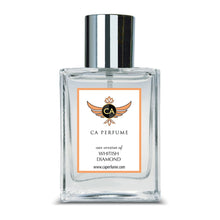
Whitish Diamond — White Diamonds Alternative Perfume
7.5
MEI™
Primary Fresh
Secondary Romantic
Confidence
6.9
Presence
7.6
Mood Lift
8.74
Identity
7.3
Warmth
8.15
Social Ease
6.92
Energy
3.38
" I am radiant.
View full mood profile →
HumanSafe™

Top Egyptian Tuberose Fragrances by HumanSafe™ Score

These Egyptian Tuberose-based fragrances have the highest product-level HumanSafe™ scores in this ingredient collection.

Highest HumanSafe™ Score
Whitish Diamond — White Diamonds Alternative Perfume
A-
HumanSafe™ Score Generally Safe
Safest Evaluated Ingredients EDP
AQUA Solvent / Carrier ISS 10.0
ACETIC ACID, PHENYLMETHYL ESTER Evaluated ingredient ISS 10.0
BENZYL SALICYLATE EYE IRRITATION - CAT.2B [H320] Evaluated ingredient ISS 9.0
OCTANAL, 2-(PHENYLMETHYLENE)- Evaluated ingredient ISS 8.0
2H-1-BENZOPYRAN-2-ONE Evaluated ingredient ISS 8.0
LINALYL ACETATE Evaluated ingredient ISS 7.0
View full safety profile →
Expert Voices

What Masters Say About Egyptian Tuberose

“
Tuberose is really loose, the 'harlot of perfumery' — a complex, carnal, and creamy white floral that challenges perfumers to balance its facets.
Roja Dove, Master Perfumer
“
Egyptian Tuberose absolute contains over 40% methyl isoeugenol and 13% jasmin lactone, which create its narcotic and creamy signature.
CA Perfume Editorial
Common Questions

Frequently Asked Questions

Frequently asked questions about Egyptian Tuberose in perfumery.

Egyptian Tuberose in perfume smells rich, creamy, and narcotic with sweet honeyed and green medicinal facets. Its scent is complex due to molecules like methyl isoeugenol and jasmin lactone, producing a floral heart that is both intoxicating and sensual, often perceived as creamy white floral with animalic undertones.

Egyptian Tuberose primarily functions as a heart or middle note in fragrances, though its powerful sillage allows it to linger into the base. It is rarely used as a top note due to its intensity and complexity.

Egyptian Tuberose is favored in niche perfumery for its complex, narcotic character and ability to add depth and sensuality. Its rarity and cost, combined with its multifaceted scent profile, make it a prized ingredient for creating unique, luxurious compositions.

Egyptian Tuberose fragrance uses often pair it with jasmine, orange blossom, sandalwood, vanilla, and tonka bean. These notes complement its creamy, narcotic facets by adding brightness, warmth, or sweetness, creating balanced accords.

Egyptian Tuberose can be worn in summer, but its intensity and volatility increase in heat, emphasizing fresher top notes but potentially reducing longevity. Lighter concentrations or layering with fixatives are recommended for hot weather.

Due to its rich molecular composition, Egyptian Tuberose fragrances can last 6 to 8 hours or more, especially in parfum concentrations, with a lingering creamy and narcotic drydown.

Yes, layering Egyptian Tuberose with complementary notes like vanilla, sandalwood, or citrus can enhance its facets and longevity. Understanding how to layer Egyptian Tuberose allows for personalized scent profiles.

For beginners, fragrances like Giorgio Armani My Way and Givenchy L'Interdit Eau de Parfum offer accessible introductions to Egyptian Tuberose, balancing its intensity with fresh and soft complementary notes.

Consider the balance of narcotic intensity and complementary notes. CA Perfume offers curated selections that explore Egyptian Tuberose's multifaceted character, with transparency on natural vs synthetic content for informed choices.

Egyptian Tuberose leans towards a sweet, creamy, and narcotic floral scent with subtle spicy undertones from phenylpropanoids like methyl isoeugenol, but it is predominantly recognized for its rich, sweet floral character.

Floral Amber Collection

Explore Our Top Egyptian Tuberose Fragrances

Discover curated selections featuring Egyptian Tuberose's rich, narcotic floral character in both classic and contemporary perfumes.

Shop all egyptian-tuberose fragrances at CA Perfume →

Where Egyptian Tuberose Comes From — Origin & Extraction

Egyptian Tuberose is sourced from the flowers of Polianthes tuberosa, a perennial bulbous plant native to Mexico and India but extensively cultivated in Egypt, South India, Morocco, Tunisia, and the Comoros. Egypt is a significant producer, with cultivation focused on warm, dry climates ideal for the flower's development. The plant blooms from May to December, with peak harvesting in August. Flowers are hand-picked early in the morning as the corollas open to maximize aromatic compound retention. Extraction of Egyptian Tuberose absolute is primarily achieved through solvent extraction using volatile solvents such as hexane or ethanol. This method preserves the delicate and complex aromatic profile better than steam distillation, which can degrade key molecules. Traditional enfleurage, once common in Grasse, France, is now largely replaced by solvent extraction and modern supercritical CO2 extraction techniques, which offer higher yield and purity. The extraction process involves saturating purified fat or solvent with the flower's fragrance, followed by solvent recovery and ethanol washing to produce the absolute. The yield is low, requiring approximately 1000 flowers to produce 1 kg of absolute, contributing to its high cost, typically $300–450 per ounce for the absolute. Sustainability concerns focus on labor-intensive harvesting and the environmental impact of solvent use, prompting interest in greener extraction technologies. Synthetic aroma chemicals are often used to supplement or replace natural extracts due to cost and supply variability.

Famous Fragrances That Define Egyptian Tuberose in Perfumery

Egyptian Tuberose has been a defining note in numerous landmark fragrances, showcasing its versatility and sensuality. Giorgio Armani's My Way (2020), crafted by perfumer Carlos Benaim, features Egyptian Tuberose as a creamy floral heart note, harmonizing with orange blossom and cedarwood to create a fresh yet opulent scent. Givenchy's L'Interdit Eau de Parfum (2018), by François Demachy, uses tuberose as a sensual white floral accent paired with jasmine and patchouli, contributing to the fragrance's modern elegance. Amouage's Love Tuberose (2019), composed by Daniel Maurel, places tuberose at the forefront as a dominant note, enriched with gardenia and musk, emphasizing its narcotic and creamy facets. Maison Crivelli's Tubéreuse Astrale (2017) highlights Egyptian Tuberose in a lactonic floral accord with orange blossom and vanilla, creating a radiant and enveloping scent. Diptyque's Do Son Eau de Parfum (2010), by Fabrice Pellegrin, features tuberose blended with orange blossom and musk, offering a fresh yet sensual interpretation. CA Perfume's collection respects this lineage by exploring tuberose's multifaceted character through nuanced blends that balance its narcotic intensity with complementary notes.

Natural vs Synthetic Egyptian Tuberose in Perfumery

Natural Egyptian Tuberose absolute is prized for its complex, multi-layered scent profile, including green-camphoraceous top notes, a narcotic floral heart, and a creamy lactonic base. Key natural constituents include methyl isoeugenol (40.8%), jasmin lactone (13.3%), methyl salicylate (4.6%), and methyl anthranilate (4.4%). This complexity is difficult to replicate synthetically. Synthetic aroma chemicals such as methyl tuberate (CAS 123-66-0), jasmolactone (CAS 65447-77-0), and indole (CAS 120-72-9) are employed to recreate tuberose's facets in modern perfumery. These synthetics provide cost-effective, stable, and consistent alternatives, allowing perfumers to emphasize specific facets like creaminess or narcotic intensity. Natural absolute is expensive, with prices around $300–450 per ounce, while synthetics cost significantly less. Natural extracts offer superior longevity and diffusion but are susceptible to batch variability and supply constraints. Synthetic molecules provide enhanced stability and ethical sourcing. Famous fragrances like Frederic Malle's Carnal Flower use natural tuberose absolute for authenticity, while many commercial perfumes rely on synthetic blends for affordability and consistency. The HumanSafe™ platform advocates transparency in ingredient sourcing and safety, guiding CA Perfume's approach to balancing natural and synthetic tuberose use.