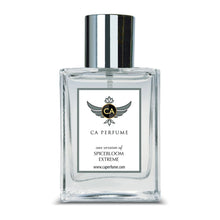
Great class packaging and the scent is spot on!
I loove this scent. It smells like the original at a reasonable price. It brings back great memories and it is spot on!
A daring note bridging spice and skin-like intimacy.
Cumin is a heart note in perfumery, prized for its spicy, earthy, and animalic character. Its signature comes from cuminaldehyde, used at 0.1–0.4% for a musky, lived-in effect.
Cumin (Cuminum cyminum) is a spice note in perfumery with a scent profile that is both distinctive and divisive. What does cumin smell like? Its aroma is intensely warm, spicy, and earthy, with a musky, animalic undertone that can evoke the scent of human skin or even sweat at higher concentrations. The primary odorant molecule, cuminaldehyde (4-isopropylbenzaldehyde, CAS 122-03-2), accounts for 15–50% of cumin essential oil and is responsible for its pungent, peppery, and slightly sweet facets. Other contributors include gamma-terpinene, p-cymene, and sulfurous compounds, which together create cumin’s unmistakable, corporeal warmth. This complex molecular blend gives cumin its reputation as a note that bridges the gap between spice rack and lived-in skin. In perfumery, cumin is classified as a heart note due to its moderate volatility and ability to persist through the fragrance’s middle phase. It is typically dosed at 0.05–0.4% of a formula, with IFRA restricting natural cumin oil to a maximum of 0.4% in leave-on products due to phototoxic furocoumarins. At sub-threshold levels, cumin introduces a subtle, intimate warmth; above 0.3%, its animalic character becomes overt and can dominate a blend. Cumin’s interaction with skin chemistry is pronounced: acidic skin can amplify its sharpness, while warmer, moist skin enhances its musky, savory undertones. This variability explains why cumin-heavy fragrances can smell radically different from person to person. Cumin in perfumery is exemplified by landmark fragrances such as Cartier Déclaration (1998, Jean-Claude Ellena), where cumin’s warmth is paired with cardamom and cedar for a fresh yet lived-in effect, and Alexander McQueen Kingdom (2003, Jacques Cavallier), which famously overdosed cumin for a provocative, skin-like signature. Maison Francis Kurkdjian Absolue Pour le Soir (2010) also showcases cumin’s ability to evoke sensuality and intimacy. These compositions highlight cumin’s role in creating both intrigue and controversy in modern scent design.
Cumin’s scent character is shaped by its origin—soil type, climate, and harvest method all influence the balance of cuminaldehyde and terpenes.
Cumin is derived from the dried seeds of Cuminum cyminum, an annual herb in the Apiaceae family. The plant is native to the Mediterranean and South Asia, with archaeological evidence of its use dating back to ancient Egypt. Today, India dominates global cumin production, accounting for approximately 70% of the world’s supply—Gujarat and Rajasthan alone contribute 90% of Indian output, with annual production exceeding 300,000 metric tons. Other significant producers include Iran, Turkey, Egypt, and Syria, each offering subtle differences in aromatic profile: Indian cumin oil tends sharper and more pungent, while Iranian and Turkish oils are rounder and slightly sweeter. The primary extraction method for perfumery is steam distillation of dried, crushed seeds, yielding a pale yellow to brownish essential oil. Typical yields are 1–2% by weight. Hydrodistillation and, less commonly, microwave-assisted extraction are also used, with the latter offering higher yields (up to 1% vs. 0.16% for steam distillation) and a different chemical profile. The main constituent, cuminaldehyde, varies from 15–50% depending on origin and extraction method. Solvent extraction and supercritical CO₂ extraction are rare but can produce richer, more complex absolutes for niche perfumery. Natural cumin oil is phototoxic due to furocoumarin content and is IFRA-restricted to 0.4% in leave-on products. The cost of natural cumin oil ranges from $250–400/kg, while synthetic cuminaldehyde (CAS 122-03-2) is available at $30–60/kg, offering greater purity and safety. Sustainability concerns include soil depletion and water use in major producing regions, but cumin’s relatively high yield and annual growth cycle make it less resource-intensive than many other spice crops.
Gujarat and Rajasthan produce over 90% of Indian cumin, with dry, sandy soils yielding oil rich in cuminaldehyde (15–30%). Indian cumin is sharper and more pungent, with annual production exceeding 300,000 metric tons. No PDO/PGI, but recognized for intensity.
Khorasan region’s cumin is rounder and slightly sweeter, with higher gamma-terpinene content. Iran supplies 5–10% of global output, using traditional sun-drying and hand-harvest methods.
Central Anatolia’s cumin is valued for its balanced, less pungent profile. Turkish oil is often used for blending, with annual production around 15,000–20,000 tons. No formal quality designation.
Upper Egypt produces cumin with a lighter, more herbaceous aroma. Egyptian cumin is sun-dried and often exported for both culinary and perfumery use, representing a small but high-quality share.
Natural cumin essential oil (CAS 8014-13-9) is a complex mixture dominated by cuminaldehyde (15–50%), with significant contributions from gamma-terpinene, p-cymene, and additional aldehydes such as p-mentha-1,3-dien-7-al. The oil is highly phototoxic due to furocoumarins and is a known dermal sensitizer, leading to strict IFRA limits. Synthetic cuminaldehyde (CAS 122-03-2) is widely used as a safer, more consistent alternative, delivering the characteristic cumin effect without phototoxicity or batch variability. Other aroma chemicals used to replicate cumin’s nuances include gamma-terpinene (CAS 99-85-4), p-cymene (CAS 99-87-6), and 3-hydroxy-3-methylhexanoic acid (HMHA, CAS 33443-10-6), the latter being structurally unrelated but olfactorily similar to human sweat. Performance-wise, synthetic cuminaldehyde offers greater stability, precise dosing, and reduced risk of skin sensitization. Natural cumin oil, while richer and more nuanced, is more variable and can introduce unwanted phototoxicity or allergenicity. Cost differences are substantial: natural cumin oil is $250–400/kg, while synthetic cuminaldehyde is $30–60/kg. Iconic fragrances such as Cartier Déclaration and Maison Francis Kurkdjian Absolue Pour le Soir rely on synthetic cuminaldehyde for safety and consistency. The HumanSafe™ platform at CA Perfume ensures all cumin-containing formulas are IFRA-compliant and transparently sourced, with batch-level documentation of natural vs. synthetic origin. Sustainability also favors synthetics, as they reduce pressure on agricultural land and water resources.
Cumin’s polarizing, animalic warmth has made it a signature note in some of the most daring and influential fragrances of the past century. In 1953, Rochas Femme (reformulated by Olivier Cresp) introduced cumin as a key component, lending a sensual, lived-in quality to its peach and oakmoss heart. Edmond Roudnitska’s Eau d’Hermès (1951) used cumin to evoke the intimacy of worn leather and citrus, pioneering the use of spice as a skin-like bridge note. The late 1990s saw cumin’s renaissance in Jean-Claude Ellena’s Cartier Déclaration (1998), where cumin and cardamom create a fresh yet unmistakably human warmth—this fragrance is widely regarded as the modern reference for cumin in perfumery. Alexander McQueen Kingdom (2003, Jacques Cavallier) famously overdosed cumin, pushing the note to the edge of wearability and controversy, while Serge Lutens Muscs Koublaï Khän (1998, Christopher Sheldrake) paired cumin with musks for an unapologetically animalic effect. In niche perfumery, Maison Francis Kurkdjian Absolue Pour le Soir (2010) uses cumin alongside honey and incense to evoke sensuality and nocturnal intimacy. Le Labo Rose 31 (2006, Daphne Bugey) demonstrates cumin’s ability to add a spicy, corporeal twist to floral compositions. CA Perfume’s cumin-based collection draws inspiration from this lineage, offering IFRA-compliant, HumanSafe™ verified blends that respect both tradition and modern safety standards.
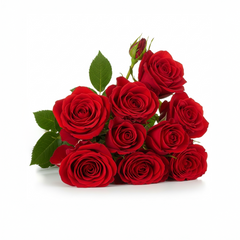
A cumin accord balances animalic warmth with sweet, floral, and balsamic notes. Typical proportions: Cumin 20–25%, Rose 20–25%, Benzoin 25–30%, White Honey 25–30%. Rose provides a damascenone bridge, benzoin adds vanillic balsamic smoothness, and white honey introduces a creamy, animalic sweetness that rounds cumin’s sharpness.
Provides the spicy, animalic core via cuminaldehyde and sulfurous aldehydes, creating warmth and intimacy.
Damascenone and phenylethyl alcohol in rose bridge cumin’s animalic facets, lending floral lift and complexity.
Benzoin’s vanillin and benzoic acid derivatives impart balsamic sweetness, smoothing cumin’s edges and enhancing longevity.
White honey introduces lactones and norisoprenoids, adding creamy, animalic sweetness that rounds out cumin’s sharpness.
Cumin’s olfactory evolution moves from sharp, spicy top notes to a creamy, musky heart, then settles into a warm, animalic base as volatile aldehydes dissipate and heavier molecules persist.
The opening is dominated by high-volatility aldehydes and terpenes—cuminaldehyde, gamma-terpinene, and p-cymene—producing a hot, spicy, and slightly green impression. This stage is sharp and pungent, with a flash of herbaceous heat that quickly gives way to deeper warmth.
As the top dissipates, cumin’s musky, nutty, and animalic facets emerge. Cuminaldehyde remains, joined by lactones and minor sulfurous compounds, creating a lived-in, skin-like warmth. This is the most intimate and polarizing phase, where cumin’s signature becomes unmistakable.
The drydown is rounded and balsamic, with benzoin, honey, and residual cumin aldehydes lingering. The aggression softens, leaving a warm, slightly sweet, and subtly leathery trace. Fixatives prolong cumin’s animalic undertone, creating a lasting, intimate aura.
Cumin’s journey in perfumery spans from ancient Egypt to modern niche masterpieces, evolving from culinary spice to a signature of animalic warmth.
Cumin seeds found in Egyptian tombs (circa 1500 BCE) indicate its use in both culinary and ritual aromatic preparations, valued for its preservative and aromatic properties.
Edmond Roudnitska introduces cumin as a bridge note in Eau d’Hermès, pioneering the use of spice to evoke skin-like intimacy in fine fragrance.
Olivier Cresp’s reformulation of Rochas Femme features cumin as a dominant note, replacing animalics and creating a new standard for sensual, spicy chypres.
Jean-Claude Ellena’s Déclaration uses synthetic cuminaldehyde to create a fresh yet unmistakably human warmth, establishing cumin as a signature of modern niche perfumery.
Jacques Cavallier overdoses cumin in Kingdom, sparking debate and cementing cumin’s reputation as perfumery’s most polarizing note.
Francis Kurkdjian’s Absolue Pour le Soir uses cumin with honey and incense, demonstrating cumin’s power to evoke sensuality and nocturnal intimacy in contemporary fragrance.
Understanding how to layer cumin is essential—molecular compatibility with florals, woods, and balsamics creates harmonious or daring effects.
Layer cumin with rose or jasmine to exploit shared damascenone and phenylethyl alcohol content. This molecular bridge softens cumin’s animalic edge, producing a seamless, sensual floral-spice accord. Le Labo Rose 31 demonstrates this synergy.
Pair cumin with benzoin, vanilla, or honey. Vanillin and benzoic acid derivatives in these notes mask cumin’s sharpness, rounding the blend and extending longevity. Maison Francis Kurkdjian Absolue Pour le Soir exemplifies this approach.
Combine cumin with bergamot or bitter orange. Limonene and citral in citrus notes provide olfactory contrast, lifting cumin’s heaviness and creating a vibrant, modern effect. Cartier Déclaration uses this technique for freshness and intrigue.
Cool air suppresses cumin’s volatility, allowing its musky, balsamic facets to linger. Apply to pulse points under clothing for a cozy, intimate aura. Rich, spicy blends with cumin excel in cold weather, where their warmth is both comforting and long-lasting.
Moderate temperatures allow cumin’s spicy brightness to shine without becoming overwhelming. Pair with floral or citrus notes for a fresh, invigorating effect. Apply lightly to avoid overpowering lighter spring compositions.
Heat increases cumin’s volatility and projection, intensifying its animalic facets. Use sparingly—1–2 sprays—preferably in lighter, citrus-forward blends. Layer with airy notes to maintain vibrancy without heaviness.
Adjust application based on humidity and temperature. In high humidity, cumin’s sillage is amplified; in dry climates, its warmth is more subdued. Always patch-test on skin to evaluate projection and longevity in your environment.
Strategic application maximizes cumin’s warmth while controlling its projection and longevity.
Pulse points on the neck radiate heat, accelerating cumin’s spicy opening and enhancing sillage. Ideal for cold weather or evening wear.
This area is less exposed to sunlight, reducing phototoxic risk. The warmth here helps cumin’s musky heart develop gradually.
Frequent movement diffuses cumin’s top notes, but be cautious—friction and handwashing can strip the scent quickly.
Spraying on hair offers a slow, sustained release of cumin’s balsamic base. Avoid direct contact with scalp to minimize sensitization risk.
Layer cumin-based fragrances over unscented moisturizer to extend longevity and buffer intensity, especially in dry or cold conditions.
These Cumin-based fragrances scored highest on the MEI™ Mood Architecture Framework — measuring how a scent may influence your emotional state.
These Cumin-based fragrances have the highest product-level HumanSafe™ scores in this ingredient collection.
Cumin is one of perfumery’s most polarising raw materials. The essential oil, steam-distilled from the dried seeds of Cuminum cyminum, is dominated by cuminaldehyde, which typically constitutes 15–50% of the oil depending on origin.
At concentrations below 0.3% of a formula, cuminaldehyde introduces a sweaty, animalic dimension without announcing itself as 'cumin.' Above that threshold, recognition kicks in and the note becomes body odour.
Answers to the most common questions about cumin as a perfume note.
Cumin in perfume smells intensely spicy, earthy, and musky, with a distinctive animalic undertone. The main molecule, cuminaldehyde, creates a warm, peppery, and slightly sweet aroma that can evoke the scent of human skin or even sweat at higher concentrations. Its complexity makes it both polarizing and intriguing, especially in modern niche fragrances.
Cumin is typically used as a heart note in perfumery. Its volatility is moderate, allowing it to persist through the middle phase of a fragrance’s evolution. While traces can appear in the top notes, cumin’s main impact is felt in the heart, where its musky, spicy warmth bridges lighter top notes and deeper base notes.
Cumin is favored in niche perfumery for its ability to evoke intimacy, sensuality, and a lived-in, human warmth. It creates a signature that is both daring and memorable, especially when animalic ingredients from animal sources are unavailable or restricted. Its polarizing nature appeals to those seeking distinctive, character-rich scents.
Cumin fragrance uses often involve pairing with rose, honey, benzoin, vanilla, sandalwood, and amber. These notes provide molecular bridges—such as damascenone in rose or vanillin in vanilla—that soften cumin’s animalic edge and create harmonious, complex accords.
Cumin can be worn in summer, but its projection and animalic facets are amplified by heat. Lighter, citrus-forward blends or minimal application (1–2 sprays) are recommended to prevent the note from becoming overwhelming. In cooler weather, cumin’s warmth is more subdued and intimate.
Cumin’s heart and base notes typically last 4–6 hours on skin, depending on concentration and supporting fixatives. In Parfum or EDP formats, cumin’s musky warmth can persist even longer, especially when paired with balsamic or resinous base notes.
Yes, cumin can be layered with florals (rose, jasmine), balsamics (benzoin, honey), or citrus notes (bergamot, bitter orange) to create unique effects. Molecular compatibility—such as shared damascenone or vanillin—ensures harmonious results. Always test combinations on skin to assess projection and balance.
For those new to cumin, start with Cartier Déclaration (1998) for a balanced, wearable introduction, or Le Labo Rose 31 (2006) for a floral-spice blend. These fragrances use cumin at moderate levels, allowing its warmth to enhance without overwhelming.
Explore CA Perfume’s cumin collection by considering your preferred style—floral, woody, or balsamic. Each formula is HumanSafe™ verified and IFRA-compliant, with clear descriptions of cumin’s role and intensity. Sampling is recommended to find your ideal balance of spice and warmth.
Cumin is primarily spicy and earthy, with a musky, animalic undertone. At lower concentrations, it can exhibit a subtle sweetness due to cuminaldehyde’s aromatic profile, but its dominant impression is always spicy, warm, and slightly savory.
Discover CA Perfume’s HumanSafe™ verified cumin fragrances—each formula showcases the note’s spicy, musky warmth in wearable, modern blends.
Shop all cumin fragrances at CA Perfume →Cumin is derived from the dried seeds of Cuminum cyminum, an annual herb in the Apiaceae family. The plant is native to the Mediterranean and South Asia, with archaeological evidence of its use dating back to ancient Egypt. Today, India dominates global cumin production, accounting for approximately 70% of the world’s supply—Gujarat and Rajasthan alone contribute 90% of Indian output, with annual production exceeding 300,000 metric tons. Other significant producers include Iran, Turkey, Egypt, and Syria, each offering subtle differences in aromatic profile: Indian cumin oil tends sharper and more pungent, while Iranian and Turkish oils are rounder and slightly sweeter. The primary extraction method for perfumery is steam distillation of dried, crushed seeds, yielding a pale yellow to brownish essential oil. Typical yields are 1–2% by weight. Hydrodistillation and, less commonly, microwave-assisted extraction are also used, with the latter offering higher yields (up to 1% vs. 0.16% for steam distillation) and a different chemical profile. The main constituent, cuminaldehyde, varies from 15–50% depending on origin and extraction method. Solvent extraction and supercritical CO₂ extraction are rare but can produce richer, more complex absolutes for niche perfumery. Natural cumin oil is phototoxic due to furocoumarin content and is IFRA-restricted to 0.4% in leave-on products. The cost of natural cumin oil ranges from $250–400/kg, while synthetic cuminaldehyde (CAS 122-03-2) is available at $30–60/kg, offering greater purity and safety. Sustainability concerns include soil depletion and water use in major producing regions, but cumin’s relatively high yield and annual growth cycle make it less resource-intensive than many other spice crops.
Cumin’s polarizing, animalic warmth has made it a signature note in some of the most daring and influential fragrances of the past century. In 1953, Rochas Femme (reformulated by Olivier Cresp) introduced cumin as a key component, lending a sensual, lived-in quality to its peach and oakmoss heart. Edmond Roudnitska’s Eau d’Hermès (1951) used cumin to evoke the intimacy of worn leather and citrus, pioneering the use of spice as a skin-like bridge note. The late 1990s saw cumin’s renaissance in Jean-Claude Ellena’s Cartier Déclaration (1998), where cumin and cardamom create a fresh yet unmistakably human warmth—this fragrance is widely regarded as the modern reference for cumin in perfumery. Alexander McQueen Kingdom (2003, Jacques Cavallier) famously overdosed cumin, pushing the note to the edge of wearability and controversy, while Serge Lutens Muscs Koublaï Khän (1998, Christopher Sheldrake) paired cumin with musks for an unapologetically animalic effect. In niche perfumery, Maison Francis Kurkdjian Absolue Pour le Soir (2010) uses cumin alongside honey and incense to evoke sensuality and nocturnal intimacy. Le Labo Rose 31 (2006, Daphne Bugey) demonstrates cumin’s ability to add a spicy, corporeal twist to floral compositions. CA Perfume’s cumin-based collection draws inspiration from this lineage, offering IFRA-compliant, HumanSafe™ verified blends that respect both tradition and modern safety standards.
Natural cumin essential oil (CAS 8014-13-9) is a complex mixture dominated by cuminaldehyde (15–50%), with significant contributions from gamma-terpinene, p-cymene, and additional aldehydes such as p-mentha-1,3-dien-7-al. The oil is highly phototoxic due to furocoumarins and is a known dermal sensitizer, leading to strict IFRA limits. Synthetic cuminaldehyde (CAS 122-03-2) is widely used as a safer, more consistent alternative, delivering the characteristic cumin effect without phototoxicity or batch variability. Other aroma chemicals used to replicate cumin’s nuances include gamma-terpinene (CAS 99-85-4), p-cymene (CAS 99-87-6), and 3-hydroxy-3-methylhexanoic acid (HMHA, CAS 33443-10-6), the latter being structurally unrelated but olfactorily similar to human sweat. Performance-wise, synthetic cuminaldehyde offers greater stability, precise dosing, and reduced risk of skin sensitization. Natural cumin oil, while richer and more nuanced, is more variable and can introduce unwanted phototoxicity or allergenicity. Cost differences are substantial: natural cumin oil is $250–400/kg, while synthetic cuminaldehyde is $30–60/kg. Iconic fragrances such as Cartier Déclaration and Maison Francis Kurkdjian Absolue Pour le Soir rely on synthetic cuminaldehyde for safety and consistency. The HumanSafe™ platform at CA Perfume ensures all cumin-containing formulas are IFRA-compliant and transparently sourced, with batch-level documentation of natural vs. synthetic origin. Sustainability also favors synthetics, as they reduce pressure on agricultural land and water resources.