Ingredient Guide · Fruity
Fruity Family · Perfumery Note

Cranberry

Vibrant, zesty, and invigorating top note

Cranberry is a fruity top note known for its tart, juicy aroma that adds brightness and liveliness to perfumes. Its scent is dominated by ethyl 2-methylbutyrate and benzaldehyde, used at concentrations below 3%.

Cranberry
Ingredient Profile

Cranberry

Fruity Family
Family Fruity
Note Position Top Note
Usage Level <3%
Key Origins United States, Canada, Poland
Iconic In Parisienne, Cranberry
The Ingredient

What does Cranberry smell like and why is it significant in perfumery?

Cranberry, botanically Vaccinium macrocarpon, is characterized by a tart, fruity aroma with a refreshing and juicy character. Its scent profile includes sharp, zesty sweetness primarily due to ethyl 2-methylbutyrate and a bitter, almond-like facet from benzaldehyde. This creates a crisp, slightly green and sour berry note that is more astringent than raspberry and less sweet than blackcurrant. In perfumery, cranberry functions predominantly as a top note, contributing a bright, lively burst that invigorates compositions. It is typically used at concentrations below 3%, ensuring the tartness is present without overpowering. Cranberry accords are synthetic reconstructions, as no essential oil exists; natural cranberry absolute is rare and costly. The note interacts with skin chemistry by providing a fresh, vibrant opening that can evolve into a playful fruity heart. Notable fragrances featuring cranberry include Yves Saint Laurent's Parisienne (2011), where cranberry adds a fresh, tart contrast to floral and woody notes, and Demeter Fragrance's Cranberry (2012), which highlights the note's realistic tart-sweet character. These examples demonstrate cranberry's versatility in fresh, fruity, and floral compositions.

<3%
Typical usage level of cranberry accords in fragrance formulations to maintain a balanced tartness without overpowering other notes.
2–4 Sprays
Recommended application range to achieve a noticeable yet not overwhelming cranberry presence, optimizing freshness and longevity.
3–5 Hours
Average longevity of cranberry's top note impact on skin, supported by complementary base notes for extended wear.
Origin & Extraction

Where Cranberry Comes From — Origin & Extraction

Cranberries thrive in cool, wet climates with acidic peat bog soils, which influence their tart and fresh scent profile. The unique terroir of each region imparts subtle nuances to the fruit's aroma, affecting the perception of cranberry in perfumery.

Cranberry (Vaccinium macrocarpon) is native to North America and cultivated primarily in cool, wet peat bogs. The United States leads production, with Wisconsin accounting for approximately 60–65% of the crop, followed by Massachusetts and New Jersey. Canada and Poland are also key producers, with Poland's cranberries grown in wetlands lending a slightly earthy character to the fruit's aroma. No cranberry essential oil exists due to the fruit's delicate volatile profile and extraction challenges. Cranberry absolute (CAS 91770-88-6) can be obtained via solvent extraction or supercritical CO2 extraction from the fruit, but it is extremely rare and costly, priced between $3,000 and $6,000 per kilogram. Extraction involves careful solvent use at low temperatures to preserve key aroma compounds like benzaldehyde and ethyl 2-methylbutyrate. Virtually all cranberry notes in perfumery are synthetic accords constructed from fruity esters, aldehydes, lactones, and berry-type molecules. These synthetic blends provide consistent scent profiles and cost between $50 and $200 per kilogram. Sustainability considerations favor synthetic production due to the agricultural intensity and environmental impact of cranberry farming.

US

United States

The leading producer, especially in Wisconsin and Massachusetts, where traditional farming in flooded bogs yields cranberries with pronounced tartness and juicy character. Wisconsin accounts for approximately 60–65% of U.S. production.

CA

Canada

Canadian cranberries, often cultivated organically, share similar tart sweetness with U.S. berries but may have a fresher, slightly greener aroma due to regional climate and soil conditions.

PL

Poland

Poland's cranberries are grown in wetlands that contribute an earthy undertone to the fruit's bright and tart fragrance, offering a distinctive aromatic profile valued in perfumery.

Chemistry

Natural vs Synthetic Cranberry in Perfumery

Natural cranberry absolute is a solvent-extracted or CO2-extracted material from Vaccinium macrocarpon fruit, characterized by a complex and variable scent profile including benzaldehyde, ethyl 2-methylbutyrate, and other volatile compounds. It is rare and expensive, costing approximately $3,000–6,000 per kilogram, and is used sparingly due to limited availability and batch variability. Synthetic cranberry accords are composed of aroma chemicals such as ethyl 2-methylbutyrate, benzaldehyde, and safranal analogues (CAS 116-26-7), offering stable, consistent, and cost-effective alternatives priced around $50–200 per kilogram. These synthetics provide longevity, diffusion, and reproducibility superior to natural extracts. Famous fragrances like Yves Saint Laurent Parisienne use synthetic cranberry accords for their reliable tartness, while niche perfumes such as Pineward Perfumes’ Christmas Wine incorporate rare natural cranberry extracts. The HumanSafe™ platform supports transparency in ingredient sourcing, and CA Perfume employs both natural and synthetic cranberry materials depending on formulation goals, balancing authenticity with sustainability.

Natural
Cranberry Absolute
Cost $3,000–6,000/kg
Method Solvent / CO₂
Character Complex, variable
vs
Synthetic
Safranal & Analogues
Cost $50–200/kg
Method Lab synthesis
Character Consistent, stable
Hall of Fame

Famous Fragrances That Define Cranberry in Perfumery

2011
accent note

Parisienne

Yves Saint Laurent
by Sophie Labbé
rosevioletpatchoulimusk
2012
dominant note

Cranberry

Demeter Fragrance
2020
dominant note

Christmas Wine

Pineward Perfumes
vanillaspiceswoody notes
2025
top note

Cranberry Musk

Arabiyat Prestige
muskpearjasminesandalwoodvanilla
2013
accent note

Polo Red

Ralph Lauren
citrussaffronwoody notes

Cranberry has been featured in several notable fragrances, often as a vibrant top note contributing tartness and freshness. Yves Saint Laurent's Parisienne (2011), perfumer Sophie Labbé, uses cranberry to provide a bright contrast to floral and woody accords, enhancing the fragrance's youthful energy. Demeter Fragrance's Cranberry (2012) offers a straightforward, realistic cranberry scent emphasizing tart-sweet nuances, popular for layering. Pineward Perfumes’ Christmas Wine (2020) is a rare example showcasing a bona fide cranberry absolute extracted via Soxhlet, lending authenticity to its festive composition. Arabiyat Prestige’s Cranberry Musk (2025) combines cranberry with musk, pear, and sandalwood, highlighting cranberry's versatility in unisex fragrances. Other significant fragrances include Ralph Lauren Polo Red (2013), where cranberry adds a juicy brightness to the spicy-woody blend, and Byredo’s Flowerhead (2023), which pairs cranberry with floral notes for a fresh, modern scent. CA Perfume’s collection respects this lineage by incorporating cranberry accords that balance tartness with complementary notes for versatile wear.

The Accord

How is a captivating Cranberry accord crafted?

A cranberry accord is constructed to balance the note's tart brightness with complementary ingredients that enhance its fruity and slightly green character. Typically, cranberry comprises 20–25% of the accord, providing the sharp, zesty core. White honey at 15–20% adds velvety sweetness and soft warmth, balancing the acidity. Benzoin (10–15%) contributes a balsamic, resinous smoothness that rounds the tartness. Finally, a woody note such as sandalwood or cashmere wood (25–30%) anchors the accord with creamy, soft depth, ensuring longevity and complexity.

25%

Cranberry

20–25% of blend

Provides the accord's signature tart, fruity brightness with ethyl 2-methylbutyrate and benzaldehyde contributing sharpness and green facets.

20%

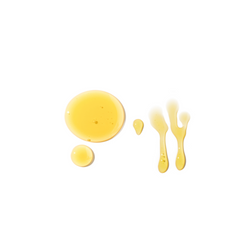
White Honey

15–20% of blend

Balances cranberry's acidity with smooth, sweet, and velvety floral nuances, enhancing the accord's warmth and richness.

15%

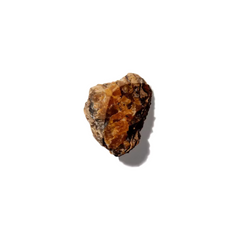
Benzoin

10–15% of blend

Adds a balsamic, resinous depth that softens the tartness and provides a comforting, long-lasting base.

30%

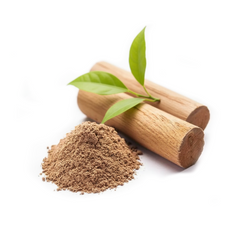
Cashmere Wood

25–30% of blend

Anchors the accord with creamy, woody softness that extends longevity and adds complexity.

The Olfactory Layers

How Cranberry Evolves on Skin

Cranberry's olfactory evolution begins with a sharp, tart burst of high-volatility esters and aldehydes that evaporate within the first 15 minutes, delivering an invigorating freshness. The heart reveals a slightly green, fruity character with benzaldehyde's bitter almond nuances lasting up to an hour. The base notes, supported by resinous and woody molecules, provide a soft, lingering warmth over several hours.

I
Top notes
0–15 min
Bright Tartness

Dominated by ethyl 2-methylbutyrate and hexanal, the top notes offer a bright, zesty, and tart fruity impression with a crisp, almost metallic edge. These volatile molecules evaporate quickly, creating an immediate fresh impact.

TartZestyFresh
II
Heart notes
20–60 min
Green Fruity Nuance

The heart reveals a more complex fruity-green blend with benzaldehyde contributing a bitter, almond-like facet and subtle green astringency. This phase balances tartness with a slightly softer, juicy character.

FruityGreenAstringent
III
Base notes
Several hours
Warm Resinous Finish

Base notes include benzoin and cashmere wood derivatives that add a warm, resinous, and creamy woody depth, softening the initial sharpness and extending the fragrance's longevity.

WarmResinousWoody
TOP NOTES Bright Tartness 0–15 minutes HEART NOTES Green Fruity Nuance 20–60 minutes BASE NOTES Warm Resinous Finish Several hours
Through the Ages

The Story of Cranberry in Perfumery

Cranberry's role in perfumery has evolved from rare natural extracts to predominantly synthetic accords, reflecting advances in aroma chemistry and consumer preferences for fresh, fruity notes.

Antiquity

Early Human Use of Cranberries

Native Americans and early settlers used cranberries for food and medicinal purposes, recognizing the fruit's distinctive aroma, though it was not yet used in perfumery.

1968

Aroma Chemistry Mapping

Croteau and Fagerson mapped the volatile profile of Vaccinium macrocarpon, identifying key compounds like benzaldehyde and ethyl 2-methylbutyrate, foundational for synthetic cranberry accords.

2011

Yves Saint Laurent Parisienne Launch

This fragrance prominently used synthetic cranberry accords to add tartness and freshness, marking cranberry's rise in modern perfumery.

2012

Demeter Fragrance Cranberry Release

Demeter launched a straightforward cranberry scent emphasizing realistic tart-sweet nuances, popularizing cranberry as a standalone note.

2020

Pineward Perfumes Christmas Wine

An independent perfume showcasing a bona fide cranberry absolute extracted via Soxhlet, representing rare natural cranberry use in perfumery.

The Art of Layering

How to Layer Cranberry

Understanding how to layer cranberry involves molecular compatibility and olfactory synergy to enhance its tart freshness and balance its acidity.

01

Enhance Sweetness

Layering cranberry with vanilla or white honey softens its sharpness via olfactory masking, where vanillin's sweet threshold overrides cranberry's acidic notes. This creates a balanced, inviting accord as seen in fragrances like Pineward's Christmas Wine.

02

Add Depth

Combining cranberry with benzoin or sandalwood introduces resinous and woody molecules that complement cranberry's esters, extending longevity and adding warmth without muting its vibrancy, exemplified in Arabiyat Prestige's Cranberry Musk.

03

Lighten the Glow

Pairing cranberry with citrus notes like mandarin or grapefruit leverages shared ester compounds, amplifying brightness and freshness. This synergy produces a sparkling, uplifting effect found in Yves Saint Laurent's Parisienne.

Wear It Right

How to Wear Cranberry Like a Pro

Seasonal Guide

Fall & Winter

In cooler temperatures, cranberry's volatile esters evaporate more slowly, reducing projection. Layering with warm, resinous notes like benzoin or vanilla enhances longevity and balances tartness. Apply more liberally to pulse points to boost diffusion.

Spring

Spring's moderate temperatures allow cranberry to express its fresh, zesty character fully. Pair with floral and green notes for a vibrant, uplifting scent. Moderate application ensures a balanced sillage.

Summer

Heat increases cranberry's volatility, intensifying its tart and fresh facets. Light application is recommended to avoid overpowering. Cranberry's refreshing quality makes it ideal for hot weather, evoking vitality and brightness.

Year-Round Tip

Layer cranberry with complementary notes like white honey or musk to adapt its brightness throughout the year, maintaining balance and enhancing complexity regardless of season.

Application Points

Strategic application of cranberry fragrances enhances their fresh and vibrant character.

1

Neck

Pulse points on the neck provide warmth that accelerates evaporation of cranberry's volatile esters, intensifying the fresh, tart opening.

2

Behind the Ears

This area offers subtle heat and proximity to the nose, allowing cranberry's bright top notes to be perceived clearly without overwhelming.

3

Inner Wrists

Wrists are classic pulse points that emit heat, helping cranberry's zesty facets to project effectively and evolve naturally.

4

Hair

Hair holds fragrance molecules longer, releasing cranberry's fresh and fruity scent gradually, providing a soft sillage trail.

Pro Tip

Apply a light layer of unscented moisturizer before spraying cranberry perfume to enhance scent longevity and prevent dryness that can reduce projection.

Mood Architecture™

Top Cranberry Fragrances by Mood Score

These Cranberry-based fragrances scored highest on the MEI™ Mood Architecture Framework — measuring how a scent may influence your emotional state.

Highest MEI Score
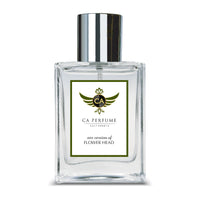
Flower Head — Flowerhead Alternative Perfume
7.25
MEI™
Primary Fresh
Secondary Confident
Confidence
6.58
Presence
7.46
Mood Lift
9.21
Identity
7.01
Warmth
6.28
Social Ease
7.15
Energy
3.4
" I am radiant.
View full mood profile →
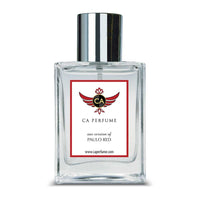
Paulo Red — Polo Red Alternative Cologne
7.12
MEI™
Primary Energizing
Secondary Confident
Confidence
7.62
Presence
6.8
Mood Lift
7.91
Identity
6.6
Warmth
7.05
Social Ease
6.18
Energy
4.2
" I am unstoppable.
View full mood profile →
HumanSafe™

Top Cranberry Fragrances by HumanSafe™ Score

These Cranberry-based fragrances have the highest product-level HumanSafe™ scores in this ingredient collection.

Highest HumanSafe™ Score
Paulo Red — Polo Red Alternative Cologne
A-
HumanSafe™ Score Generally Safe
Safest Evaluated Ingredients EDP
AQUA Solvent / Carrier ISS 10.0
7-OCTEN-2-OL, 2,6-DIMETHYL- Evaluated ingredient ISS 9.0
4H-INDEN-4-ONE, 1,2,3,5,6,7-HEXAHYDRO-1,1,2,3,3- Evaluated ingredient ISS 9.0
3-CYCLOPENTENE-1-ACETALDEHYDE, 2,2,3-TRIMETHYL-, Evaluated ingredient ISS 9.0
2H-1-BENZOPYRAN-2-ONE Evaluated ingredient ISS 8.0
2-HEXENE, 6,6-DIMETHOXY-2,5,5-TRIMETHYL- Evaluated ingredient ISS 8.0
View full safety profile →
Flower Head — Flowerhead Alternative Perfume
A-
HumanSafe™ Score Generally Safe
Safest Evaluated Ingredients EDP
AQUA Solvent / Carrier ISS 10.0
AMBROXID Evaluated ingredient ISS 10.0
ACETIC ACID, PHENYLMETHYL ESTER Evaluated ingredient ISS 10.0
BENZYL SALICYLATE Evaluated ingredient ISS 9.0
BENZENEPROPANAL, 4-METHOXY-.ALPHA.-METHYL- Evaluated ingredient ISS 9.0
View full safety profile →
Expert Voices

What Masters Say About Cranberry

“Cranberry is a tart, almost astringent berry note with a complex aromatic profile that includes bitter almond facets from benzaldehyde. Its rarity in natural extraction means most cranberry notes are synthetic accords, yet it remains a vibrant and refreshing top note in modern perfumery.”
CA Perfume Editorial
“A truly intense cranberry scent would be great. There is a musky side to cranberry, similar to the way mulberry has a musky side. If a scent lab could duplicate a realistic cranberry scent, it could be a trend.”
Adam Forziati, Fragrantica Contributor
Common Questions

Frequently Asked Questions

Answers to common questions about cranberry in perfumery.

Cranberry in perfume smells tart, fruity, and vibrant with a zesty sweetness and a slightly bitter almond undertone. It is less sweet than raspberry and blackcurrant, offering a crisp, refreshing, and slightly green aroma. This scent profile is primarily due to compounds like ethyl 2-methylbutyrate and benzaldehyde, making cranberry a lively top note in many fresh and fruity fragrances.

Cranberry is predominantly used as a top note in perfumery. Its volatile esters and aldehydes provide an immediate burst of tart, fresh fruitiness that evaporates within the first 15 minutes to an hour. It is rarely used as a base note due to its high volatility and bright character.

Cranberry is favored in niche perfumery for its distinctive tartness and vibrant freshness, which add complexity and brightness to compositions. Its rarity as a natural extract and the challenge of replicating its scent make it a unique ingredient that niche perfumers use to create standout, playful, and dynamic fragrances.

Cranberry fragrance uses include pairing with vanilla, white honey, benzoin, citrus notes like mandarin and grapefruit, floral notes such as jasmine and rose, and woody bases like sandalwood and cashmere wood. These combinations balance cranberry's tartness with sweetness, warmth, and depth, enhancing its overall vibrancy.

Yes, cranberry is ideal for summer fragrances because its bright, tart aroma feels light and invigorating. Heat increases the volatility of cranberry's esters, enhancing its fresh and zesty character, making it perfect for warm, sunny days.

Cranberry's typical longevity on skin ranges from 3 to 5 hours, primarily as a top note. Its presence is often extended by complementary base notes like benzoin and woody accords that round out the composition.

Yes, layering cranberry perfume with complementary notes such as vanilla, musk, citrus, or floral accords can enhance its tart freshness and add depth. Layering techniques involve olfactory masking and molecular synergy to create a personalized and balanced scent.

For beginners, fragrances like Demeter's Cranberry, Yves Saint Laurent Parisienne, and Ralph Lauren Polo Red offer accessible introductions to cranberry's tart and fresh character. These perfumes balance cranberry with familiar floral or woody notes for easy wearability.

When selecting a cranberry fragrance at CA Perfume, consider the balance of tartness with complementary notes like vanilla or musk, the fragrance concentration, and your skin chemistry. The HumanSafe™ platform ensures transparency in ingredient sourcing and safety, helping you make an informed choice.

Cranberry primarily smells tart and fruity with a zesty, slightly bitter edge rather than sweet or spicy. While it can be blended with sweet or spicy notes, its intrinsic scent profile is more sour and fresh, providing a crisp contrast in compositions.

Fruity Collection

Explore Our Top Cranberry Fragrances

Discover vibrant and fresh cranberry perfumes that highlight tartness and fruity brightness for all occasions.

Shop all cranberry fragrances at CA Perfume →

Where Cranberry Comes From — Origin & Extraction

Cranberry (Vaccinium macrocarpon) is native to North America and cultivated primarily in cool, wet peat bogs. The United States leads production, with Wisconsin accounting for approximately 60–65% of the crop, followed by Massachusetts and New Jersey. Canada and Poland are also key producers, with Poland's cranberries grown in wetlands lending a slightly earthy character to the fruit's aroma. No cranberry essential oil exists due to the fruit's delicate volatile profile and extraction challenges. Cranberry absolute (CAS 91770-88-6) can be obtained via solvent extraction or supercritical CO2 extraction from the fruit, but it is extremely rare and costly, priced between $3,000 and $6,000 per kilogram. Extraction involves careful solvent use at low temperatures to preserve key aroma compounds like benzaldehyde and ethyl 2-methylbutyrate. Virtually all cranberry notes in perfumery are synthetic accords constructed from fruity esters, aldehydes, lactones, and berry-type molecules. These synthetic blends provide consistent scent profiles and cost between $50 and $200 per kilogram. Sustainability considerations favor synthetic production due to the agricultural intensity and environmental impact of cranberry farming.

Famous Fragrances That Define Cranberry in Perfumery

Cranberry has been featured in several notable fragrances, often as a vibrant top note contributing tartness and freshness. Yves Saint Laurent's Parisienne (2011), perfumer Sophie Labbé, uses cranberry to provide a bright contrast to floral and woody accords, enhancing the fragrance's youthful energy. Demeter Fragrance's Cranberry (2012) offers a straightforward, realistic cranberry scent emphasizing tart-sweet nuances, popular for layering. Pineward Perfumes’ Christmas Wine (2020) is a rare example showcasing a bona fide cranberry absolute extracted via Soxhlet, lending authenticity to its festive composition. Arabiyat Prestige’s Cranberry Musk (2025) combines cranberry with musk, pear, and sandalwood, highlighting cranberry's versatility in unisex fragrances. Other significant fragrances include Ralph Lauren Polo Red (2013), where cranberry adds a juicy brightness to the spicy-woody blend, and Byredo’s Flowerhead (2023), which pairs cranberry with floral notes for a fresh, modern scent. CA Perfume’s collection respects this lineage by incorporating cranberry accords that balance tartness with complementary notes for versatile wear.

Natural vs Synthetic Cranberry in Perfumery

Natural cranberry absolute is a solvent-extracted or CO2-extracted material from Vaccinium macrocarpon fruit, characterized by a complex and variable scent profile including benzaldehyde, ethyl 2-methylbutyrate, and other volatile compounds. It is rare and expensive, costing approximately $3,000–6,000 per kilogram, and is used sparingly due to limited availability and batch variability. Synthetic cranberry accords are composed of aroma chemicals such as ethyl 2-methylbutyrate, benzaldehyde, and safranal analogues (CAS 116-26-7), offering stable, consistent, and cost-effective alternatives priced around $50–200 per kilogram. These synthetics provide longevity, diffusion, and reproducibility superior to natural extracts. Famous fragrances like Yves Saint Laurent Parisienne use synthetic cranberry accords for their reliable tartness, while niche perfumes such as Pineward Perfumes’ Christmas Wine incorporate rare natural cranberry extracts. The HumanSafe™ platform supports transparency in ingredient sourcing, and CA Perfume employs both natural and synthetic cranberry materials depending on formulation goals, balancing authenticity with sustainability.