Ingredient Guide · Fruity Aquatic
Fruity Aquatic Family · Perfumery Note

Coconut Water

A hydrating, airy note that evokes sunlit beaches and pure vitality.

Coconut Water is a top-to-heart note in perfumery, prized for its fresh, watery, and subtly sweet aroma. Its defining quality comes from δ-octalactone, imparting a transparent, aquatic signature used at 1–3% in tropical and summer compositions.

Coconut Water
Ingredient Profile

Coconut Water

Fruity Aquatic Family
Family Fruity Aquatic
Note Position Heart Note
Usage Level 1–3% of formula
Key Origins Philippines, India, Thailand
Iconic In Alien Goddess, Alto Astral
The Ingredient

What does Coconut Water smell like and why is it prized in perfumery?

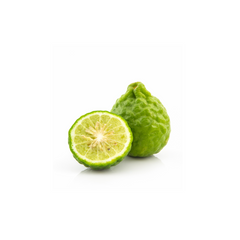
Coconut Water, derived from the liquid inside young green coconuts (Cocos nucifera), is celebrated in perfumery for its uniquely light, fresh, and slightly sweet scent profile. The aroma is defined by the presence of δ-octalactone (C8H14O2), which imparts a transparent, watery, and faintly creamy character. Unlike coconut flesh or milk, coconut water’s olfactory signature is more aquatic and less gourmand, with subtle green and nutty undertones. This note is often described as evoking the sensation of a sunlit tropical breeze, with a gentle sweetness and a cooling, hydrating effect. What does coconut water smell like? It is not overtly sweet or heavy, but rather airy, clean, and reminiscent of a serene beach environment. In perfumery, coconut water is typically classified as a top or heart note, depending on the composition. It is used at concentrations of 1–3% to provide an immediate burst of freshness and juiciness, often bridging the transition between citrus top notes and floral or fruity heart notes. Coconut water in perfumery is valued for its ability to add vibrancy and a sense of natural hydration to a fragrance, enhancing the perception of lightness and clarity. Its interaction with skin chemistry is subtle; the note tends to maintain its freshness, with body heat and moisture amplifying its aquatic aspects while softening any latent sweetness. Several modern fragrances exemplify the use of coconut water. Mugler’s Alien Goddess (2021, perfumers Nathalie Lorson and Marie Salamagne) features coconut water as a luminous top note, paired with bergamot and jasmine for a radiant, solar effect. Byredo’s Alto Astral (2024, perfumer Jérôme Epinette) uses coconut water alongside aldehydes and cashmeran, creating a sparkling, ethereal opening that transitions into creamy, musky depths. These examples highlight coconut water’s role as both a refreshing accent and a structural bridge in contemporary perfumery.

1–3% of formula
Coconut water notes are typically used at 1–3% in the fragrance formula, providing sufficient impact without overpowering other components.
3–5 hours
The watery, fresh facets of coconut water persist for 3–5 hours on skin, with longevity influenced by concentration and environmental conditions.
<0.1% extraction yield
Natural extraction from young coconuts yields less than 0.1% by weight, making direct use impractical for large-scale perfumery.
Origin & Extraction

Where Coconut Water Comes From — Origin & Extraction

Coconut water’s scent character is deeply influenced by the terroir of tropical regions. Soil salinity, rainfall, and harvest timing affect the sweetness and clarity of the extracted liquid, with each origin imparting subtle nuances.

Coconut water is sourced from the interior of young green coconuts (Cocos nucifera), typically harvested at 6–7 months of maturity. The primary producing countries include the Philippines (accounting for approximately 25% of global coconut production), India (around 20%), and Thailand (noted for premium quality due to meticulous harvesting). Indonesia and regions of the Caribbean also contribute significant volumes. Extraction for perfumery involves collecting the clear liquid by opening the coconut without damaging the fruit; however, due to the instability and low volatility of the natural extract, the scent is most often recreated synthetically in fragrance labs. The key aroma compound is δ-octalactone, supported by minor lactones and esters. Natural coconut water extracts are rarely used in commercial perfumery due to their rapid spoilage and low yield. When used, the extraction is performed at low temperatures (2–20°C) to preserve volatile components, with yields of less than 0.1% by weight. Synthetic recreations dominate, offering greater stability and consistency. The cost of natural coconut water extract can exceed $1,000/kg, while synthetic analogs based on δ-octalactone and related molecules range from $50–200/kg. Sustainability considerations favor synthetics: coconut cultivation is resource-intensive, and large-scale extraction for fragrance would be ecologically and economically impractical. There are no IFRA restrictions on coconut water as a note, and its use is considered safe for most applications.

PH

Philippines

The Bicol and Davao regions are renowned for coconuts with high water content and a clean, sweet profile. Traditional hand-harvesting ensures minimal oxidation. The Philippines supplies about 25% of global coconut production, with strict quality standards for export.

IN

India

Kerala and Tamil Nadu produce coconut water with a slightly richer, more mineralic aroma due to later harvest and diverse soils. India accounts for roughly 20% of global output, with regional festivals marking peak harvest periods.

TH

Thailand

Samut Sakhon and Ratchaburi are known for coconuts with exceptionally light, delicate water. The meticulous harvesting and rapid processing in Thailand preserve freshness, making their coconut water prized in both culinary and fragrance applications.

ID

Indonesia

Sumatra and Java contribute significant volumes, with coconut water exhibiting a slightly earthy, green nuance. Indonesia’s humid climate and volcanic soils yield coconuts with distinctive aromatic complexity.

Chemistry

Natural vs Synthetic Coconut Water in Perfumery

In perfumery, coconut water is most commonly represented by synthetic aroma chemicals, as the natural extract is unstable and difficult to preserve. The primary synthetic molecule is δ-octalactone (CAS 104-50-7), which imparts the signature watery, milky-fresh character. Additional supporting aroma chemicals include γ-nonalactone (CAS 104-61-0), which adds creamy, coconut-like facets, and cis-3-hexenol (CAS 928-96-1), contributing green, dewy freshness. Synthetic coconut water accords offer superior longevity, diffusion, and batch-to-batch consistency compared to natural extracts, which degrade rapidly and lack olfactory impact in finished fragrances. The cost differential is significant: synthetics are available at $50–200/kg, while natural extracts (when available) are considerably more expensive and less practical for large-scale use. Famous fragrances such as Mugler Alien Goddess and Byredo Alto Astral rely on synthetic coconut water notes for their clarity and projection. Sustainability is a key advantage of synthetics, reducing pressure on coconut agriculture and ensuring a reliable supply chain. CA Perfume’s HumanSafe™ platform verifies the transparency of all coconut water aroma chemicals used, ensuring traceability and compliance with global safety standards.

Natural
Coconut Water Absolute
Cost $3,000–6,000/kg
Method Solvent / CO₂
Character Complex, variable
vs
Synthetic
Safranal & Analogues
Cost $50–200/kg
Method Lab synthesis
Character Consistent, stable
Hall of Fame

Famous Fragrances That Define Coconut Water in Perfumery

2021
dominant note

Alien Goddess

Mugler
by Nathalie Lorson & Marie Salamagne
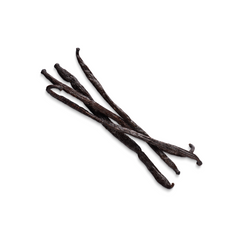
bergamotjasminevanilla
2024
bridge note

Alto Astral

Byredo
by Jérôme Epinette
aldehydescashmeranmusk
2014
heart note

Daisy Dream

Marc Jacobs
by Alberto Morillas
blackberrywisteriapear
2023
accent

Cloud Pink

Ariana Grande
pink pineappleambermusk
2022
supporting note

Whipped Cherry

Clean Reserve
wild cherrymimosapraline

Coconut water has become a hallmark of contemporary tropical and aquatic fragrances, valued for its ability to impart a refreshing, luminous quality. Mugler Alien Goddess (2021, Nathalie Lorson & Marie Salamagne) features coconut water as a radiant top note, blending it with bergamot and jasmine to evoke a solar, beach-inspired aura. Byredo Alto Astral (2024, Jérôme Epinette) uses coconut water alongside aldehydes and cashmeran, creating a sparkling, ethereal opening that transitions into creamy, musky depths. Marc Jacobs Daisy Dream (2014, Alberto Morillas) incorporates coconut water in the heart, paired with blackberry and wisteria for a light, airy floral-fruity effect. Ariana Grande Cloud Pink (2023) employs coconut water to add juiciness and a subtle aquatic sweetness to its gourmand-floral structure. Clean Reserve Whipped Cherry (2022) uses coconut water as a supporting note, enhancing the creamy, fruity character of wild cherry and mimosa. These fragrances illustrate coconut water’s versatility as a dominant note, bridge, or accent, often paired with florals, fruits, and musks. CA Perfume’s collection draws inspiration from this lineage, offering coconut water compositions that highlight both classic and modern interpretations.

The Accord

How is a captivating Coconut Water accord crafted?

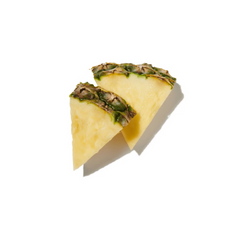
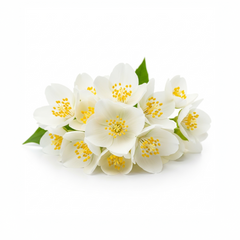
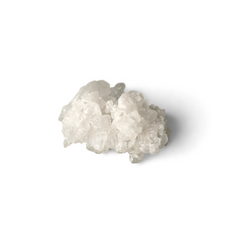
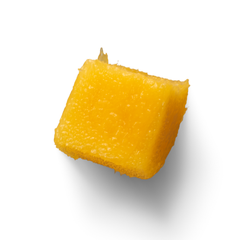
A Coconut Water accord is typically built from 20–25% coconut water (synthetic), 20–25% pineapple, 20–25% jasmine, and 30% sea salt or aquatic musks. Pineapple provides tangy sweetness via ethyl butyrate, jasmine introduces floral transparency through benzyl acetate, and sea salt or aquatic musks (such as helional) reinforce the watery, breezy effect. This balance creates a vibrant, tropical signature with creamy, fresh, and airy dimensions.

25%

Coconut Water

20–25% of blend

Provides the transparent, watery, and slightly creamy core via δ-octalactone, establishing the accord’s tropical freshness.

25%

Pineapple

20–25% of blend

Adds tangy, juicy sweetness through ethyl butyrate, amplifying the tropical and fruity facets of the accord.

25%

Jasmine

20–25% of blend

Contributes floral transparency and lift via benzyl acetate, harmonizing with coconut water’s airy profile.

30%

Sea Salt

30% of blend

Imparts a crisp, mineralic freshness using synthetic marine notes (e.g., helional), reinforcing the watery, breezy effect.

The Olfactory Layers

How Coconut Water Evolves on Skin

Coconut water’s olfactory evolution begins with a burst of watery freshness, transitions into a soft, creamy floral heart, and settles into a subtle, musky base. High-volatility lactones evaporate quickly, while supporting musks and florals persist.

I
Top notes
0–15 min
Watery Freshness

The initial impression is dominated by δ-octalactone and minor esters, providing a fresh, watery, and slightly sweet aroma. These high-volatility molecules evaporate rapidly, delivering an immediate sense of hydration and tropical clarity.

wateryfreshairy
II
Heart notes
20–60 min
Creamy Floral

As top notes dissipate, jasmine and fruity esters (such as ethyl butyrate) emerge, blending with the coconut water’s core. This stage is characterized by a creamy, floral transparency, with the watery aspect softening into a gentle sweetness.

creamyfloraljuicy
III
Base notes
Several hours
Subtle Musk

The drydown reveals subtle musky and mineralic undertones, often enhanced by synthetic musks and marine notes. These heavier molecules anchor the composition, maintaining a clean, skin-like freshness with faint traces of coconut’s creamy character.

muskycleansubtle
TOP NOTES Watery Freshness 0–15 minutes HEART NOTES Creamy Floral 20–60 minutes BASE NOTES Subtle Musk Several hours
Through the Ages

The Story of Coconut Water in Perfumery

Coconut water’s journey in perfumery spans from traditional tropical use to modern synthetic innovation, reflecting evolving olfactory trends and technical advances.

Antiquity

Traditional Use in Tropical Cultures

Coconut water is valued for hydration and ritual use in Southeast Asia and the Pacific Islands, but not yet recognized as a fragrance material.

1950s

Synthetic Lactones in Perfumery

The introduction of synthetic lactones, including δ-octalactone, enables perfumers to recreate coconut and coconut water notes with greater stability and olfactory fidelity.

2014

Marc Jacobs Daisy Dream Launch

Alberto Morillas incorporates coconut water as a heart note in Daisy Dream, marking one of the first mainstream uses of the note in a major designer fragrance.

2021

Mugler Alien Goddess Debuts

Nathalie Lorson and Marie Salamagne use coconut water as a luminous top note, setting a trend for radiant, solar-inspired fragrances.

2024

Byredo Alto Astral Expands the Palette

Jérôme Epinette’s Alto Astral leverages coconut water’s transparency in a modern, aldehydic structure, demonstrating the note’s versatility in both niche and designer perfumery.

The Art of Layering

How to Layer Coconut Water

Understanding how to layer coconut water is key to creating multidimensional fragrances. Molecular compatibility with florals, fruits, and musks enables seamless integration and olfactory synergy.

01

Enhance Sweetness

Layer coconut water with pineapple or mango-based fragrances. Shared esters (such as ethyl butyrate) create a molecular bridge, amplifying the juicy, tropical facets. This technique is exemplified in Marc Jacobs Daisy Dream, where coconut water and blackberry form a seamless fruity accord.

02

Add Depth

Combine coconut water with creamy florals like jasmine or ylang-ylang. Benzyl acetate in jasmine interacts with δ-octalactone, enhancing both transparency and floral richness. Byredo Alto Astral demonstrates this synergy, balancing coconut water’s freshness with musky, floral depth.

03

Lighten the Glow

Pair coconut water with aquatic musks or sea salt notes. Helional and calone reinforce the watery, breezy effect, while masking any excessive sweetness. Clean Reserve Whipped Cherry uses this approach, blending coconut water with mimosa and salted musk for a crisp, airy finish.

Wear It Right

How to Wear Coconut Water Like a Pro

Seasonal Guide

Fall & Winter

In cooler temperatures, coconut water’s freshness is less pronounced, as low volatility suppresses projection. Layer with creamy florals or warm musks to create a cozy, skin-like effect. Apply to pulse points for subtle diffusion.

Spring

Spring’s mild warmth enhances coconut water’s airy qualities. Pair with green or citrus notes to amplify the sense of renewal and lightness. Apply to neck and wrists for a bright, uplifting trail.

Summer

High heat and humidity maximize coconut water’s projection and longevity. The note’s hydrating, tropical character is most vibrant, making it ideal for beachwear and outdoor activities. Apply liberally to exposed skin for a refreshing effect.

Year-Round Tip

For all-season versatility, layer coconut water with complementary notes (such as jasmine or pineapple) and adjust application to suit climate. In dry air, use a moisturizing base to prolong the scent’s freshness.

Application Points

Strategic application of coconut water fragrances enhances their freshness and longevity. Focus on areas that maximize diffusion and skin interaction.

1

Neck

The warmth of the neck accelerates evaporation, releasing coconut water’s top freshness and ensuring the note is immediately perceptible.

2

Behind the Ears

This area maintains a moderate temperature, allowing the watery and creamy facets to linger and subtly diffuse throughout the day.

3

Inner Wrists

Pulse points on the wrists enhance molecular movement, boosting the projection of coconut water’s airy, hydrating character.

4

Hair

Spraying on hair provides a sustained release, as the note clings to hair fibers and is reactivated with movement, prolonging freshness.

Pro Tip

Layer coconut water fragrances over unscented moisturizer to lock in hydration and slow evaporation, maximizing both projection and longevity.

HumanSafe™

Coconut Water Safety Profile in Our Fragrances

No ingredient collection was found for coconut-water.

Create or connect a collection with the same handle as this ingredient, then add products that contain this ingredient.

Expert Voices

What Masters Say About Coconut Water

Coconut water’s scent is defined by its light, watery, and subtly sweet character, making it a versatile note for modern tropical fragrances.
CA Perfume Editorial
In Alien Goddess, coconut water creates a luminous, solar impression that instantly transports the wearer to a sunlit beach.
Nathalie Lorson, Perfumer
Common Questions

Frequently Asked Questions

Answers to common questions about coconut water as a fragrance ingredient.

Coconut water in perfume smells fresh, watery, and lightly sweet, with subtle creamy and green nuances. It is less gourmand than coconut flesh or milk, offering a transparent, hydrating effect that evokes tropical beaches and sunlit clarity. The note is defined by δ-octalactone, which imparts a clean, airy signature. Fragrances like Mugler Alien Goddess and Marc Jacobs Daisy Dream showcase coconut water’s luminous, refreshing qualities.

Coconut water is typically used as a top or heart note in fragrance compositions. Its high volatility and light molecular structure make it ideal for providing an immediate burst of freshness and juiciness. In some blends, it bridges the transition between citrus top notes and floral or fruity heart notes, but it is rarely found in the base due to its fleeting nature.

Coconut water is favored in niche perfumes for its ability to impart a modern, tropical freshness without heaviness. Its transparent, watery character allows perfumers to evoke a sense of escape and vitality, aligning with contemporary trends toward light, naturalistic compositions. The note’s versatility and compatibility with florals, fruits, and musks make it a popular choice for innovative, summer-ready scents.

Coconut water fragrance uses often involve pairing with pineapple, jasmine, sea salt, and mango. These notes share compatible molecular structures—esters and lactones—that create seamless, multidimensional accords. Pineapple amplifies juiciness, jasmine adds floral transparency, and sea salt reinforces the watery, breezy effect. This approach is exemplified in fragrances like Byredo Alto Astral and Clean Reserve Whipped Cherry.

Yes, coconut water perfumes are particularly well-suited for summer and hot weather. The note’s volatility and hydrating freshness are enhanced by heat and humidity, resulting in greater projection and longevity. Its light, airy character provides a cooling, tropical effect ideal for warm climates and outdoor activities.

Coconut water’s fresh, watery facets typically persist for 3–5 hours on skin, depending on concentration and environmental conditions. The note’s high volatility means it is most prominent in the opening and early heart stages, with longevity extended by layering or using higher concentrations such as Eau de Parfum.

Yes, coconut water can be effectively layered with other fragrances, particularly those featuring tropical fruits, florals, or aquatic musks. Molecular compatibility—such as shared esters and lactones—ensures a harmonious blend. Layering techniques can enhance sweetness, add depth, or lighten the overall effect, as demonstrated in fragrances like Marc Jacobs Daisy Dream and Clean Reserve Whipped Cherry.

For beginners, recommended coconut water perfumes include Mugler Alien Goddess (2021), Marc Jacobs Daisy Dream (2014), and Ariana Grande Cloud Pink (2023). These fragrances highlight coconut water’s refreshing, accessible qualities and are widely available in both designer and niche markets.

When choosing a coconut water fragrance at CA Perfume, consider the desired intensity (EDP for vibrancy, EDT for lightness), complementary notes (such as pineapple, jasmine, or sea salt), and intended season or occasion. Sampling different blends can help identify the ideal balance of freshness, sweetness, and longevity for your preferences.

Coconut water in fragrance is primarily clean and watery, with a subtle, natural sweetness. It lacks the heavy, gourmand richness of coconut flesh or milk, instead offering a transparent, hydrating effect. The balance of sweetness and freshness depends on the composition and supporting notes.

Fruity Aquatic Collection

Explore Our Top Coconut Water Fragrances

Discover CA Perfume’s most popular coconut water scents, each crafted to highlight the note’s refreshing, tropical clarity.

Shop all coconut water fragrances at CA Perfume →

Where Coconut Water Comes From — Origin & Extraction

Coconut water is sourced from the interior of young green coconuts (Cocos nucifera), typically harvested at 6–7 months of maturity. The primary producing countries include the Philippines (accounting for approximately 25% of global coconut production), India (around 20%), and Thailand (noted for premium quality due to meticulous harvesting). Indonesia and regions of the Caribbean also contribute significant volumes. Extraction for perfumery involves collecting the clear liquid by opening the coconut without damaging the fruit; however, due to the instability and low volatility of the natural extract, the scent is most often recreated synthetically in fragrance labs. The key aroma compound is δ-octalactone, supported by minor lactones and esters. Natural coconut water extracts are rarely used in commercial perfumery due to their rapid spoilage and low yield. When used, the extraction is performed at low temperatures (2–20°C) to preserve volatile components, with yields of less than 0.1% by weight. Synthetic recreations dominate, offering greater stability and consistency. The cost of natural coconut water extract can exceed $1,000/kg, while synthetic analogs based on δ-octalactone and related molecules range from $50–200/kg. Sustainability considerations favor synthetics: coconut cultivation is resource-intensive, and large-scale extraction for fragrance would be ecologically and economically impractical. There are no IFRA restrictions on coconut water as a note, and its use is considered safe for most applications.

Famous Fragrances That Define Coconut Water in Perfumery

Coconut water has become a hallmark of contemporary tropical and aquatic fragrances, valued for its ability to impart a refreshing, luminous quality. Mugler Alien Goddess (2021, Nathalie Lorson & Marie Salamagne) features coconut water as a radiant top note, blending it with bergamot and jasmine to evoke a solar, beach-inspired aura. Byredo Alto Astral (2024, Jérôme Epinette) uses coconut water alongside aldehydes and cashmeran, creating a sparkling, ethereal opening that transitions into creamy, musky depths. Marc Jacobs Daisy Dream (2014, Alberto Morillas) incorporates coconut water in the heart, paired with blackberry and wisteria for a light, airy floral-fruity effect. Ariana Grande Cloud Pink (2023) employs coconut water to add juiciness and a subtle aquatic sweetness to its gourmand-floral structure. Clean Reserve Whipped Cherry (2022) uses coconut water as a supporting note, enhancing the creamy, fruity character of wild cherry and mimosa. These fragrances illustrate coconut water’s versatility as a dominant note, bridge, or accent, often paired with florals, fruits, and musks. CA Perfume’s collection draws inspiration from this lineage, offering coconut water compositions that highlight both classic and modern interpretations.

Natural vs Synthetic Coconut Water in Perfumery

In perfumery, coconut water is most commonly represented by synthetic aroma chemicals, as the natural extract is unstable and difficult to preserve. The primary synthetic molecule is δ-octalactone (CAS 104-50-7), which imparts the signature watery, milky-fresh character. Additional supporting aroma chemicals include γ-nonalactone (CAS 104-61-0), which adds creamy, coconut-like facets, and cis-3-hexenol (CAS 928-96-1), contributing green, dewy freshness. Synthetic coconut water accords offer superior longevity, diffusion, and batch-to-batch consistency compared to natural extracts, which degrade rapidly and lack olfactory impact in finished fragrances. The cost differential is significant: synthetics are available at $50–200/kg, while natural extracts (when available) are considerably more expensive and less practical for large-scale use. Famous fragrances such as Mugler Alien Goddess and Byredo Alto Astral rely on synthetic coconut water notes for their clarity and projection. Sustainability is a key advantage of synthetics, reducing pressure on coconut agriculture and ensuring a reliable supply chain. CA Perfume’s HumanSafe™ platform verifies the transparency of all coconut water aroma chemicals used, ensuring traceability and compliance with global safety standards.