Ingredient Guide · Aromatic Aquatic
Aromatic Aquatic Family · Perfumery Note

Sea Salt

Evoking windswept coasts with mineral freshness and ozonic clarity.

Sea salt is a modern perfumery note prized for its mineral, briny, and ozonic character, typically used as a heart or accent note in marine and aquatic compositions. Its effect is achieved through a blend of aroma chemicals like Calone and mineral accords, with concentrations ranging from trace amounts up to 2% in complex formulas.

Sea Salt
Ingredient Profile

Sea Salt

Aromatic Aquatic Family
Family Aromatic Aquatic
Note Position Heart Note
Usage Level 0.1–2%
Key Origins France, United Kingdom, Italy
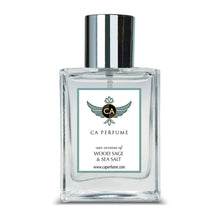
Iconic In Wood Sage & Sea Salt, Le Sel d’Issey
The Ingredient

What does Sea Salt smell like and why is it significant in perfumery?

Sea salt in perfumery is not simply sodium chloride (NaCl) but an olfactory construct designed to evoke the sensation of ocean air, mineral-rich spray, and the briny tang of coastal environments. The scent character is defined by a mineralic sharpness, subtle brine, and ozonic freshness, achieved through a combination of synthetic molecules such as Calone (CAS 28940-11-6), which imparts a marine, watermelon-like freshness, and supporting notes like Iso E Super for woody transparency. Ambergris or its synthetic analogs (Ambroxan, CAS 6790-58-5) often provide depth and oceanic nuance, while mineral accords simulate the sensation of wet stones and sea spray. This blend creates a scent profile that is both invigorating and calming, with a subtle saltiness that never overwhelms. In perfumery, sea salt is classified as a heart or accent note, typically used at concentrations of 0.1–2% depending on the desired effect. Its volatility is moderate, allowing it to bridge top citrus or green notes with deeper woods and musks. Sea salt interacts with skin chemistry by amplifying mineral and ozonic facets, sometimes revealing a skin-like warmth reminiscent of sun-kissed skin after a swim. The note is highly versatile, supporting both marine compositions and unexpected pairings in gourmand or woody fragrances. Its ability to balance and enhance other notes has made it a staple in contemporary scent design, especially in unisex and niche offerings. Notable fragrances that exemplify sea salt in perfumery include Jo Malone London’s Wood Sage & Sea Salt (2014, perfumer Christine Nagel), where sea salt is paired with sage, ambrette, and seaweed to evoke windswept British coasts. Another example is Issey Miyake’s Le Sel d’Issey (2022), which uses sea salt to create a crystalline, aquatic freshness alongside citrus and driftwood. These compositions demonstrate how sea salt can define a fragrance’s identity, offering both realism and abstraction in marine olfaction.

0.1–2%
Typical concentration range for sea salt accords in fine fragrance formulas. Higher percentages risk overwhelming the composition, while trace amounts provide subtle mineral nuance.
4–8 Hours
Average longevity of sea salt notes in Eau de Parfum formats, due to the moderate volatility of marine and mineral aroma chemicals. Longevity is influenced by skin chemistry and application method.
$60–200/kg
Approximate cost range for key synthetic aroma chemicals (Calone, Iso E Super) used in sea salt accords. Natural algae absolutes can exceed $1,000/kg, but are rarely used due to cost and sustainability concerns.
Origin & Extraction

Where Sea Salt Comes From — Origin & Extraction

The character of sea salt in perfumery is shaped by the mineral content and climate of its coastal origins. Salt from regions like Guérande, Maldon, and Trapani is valued for its trace minerals, which influence the briny, mineralic nuances recreated in fragrance.

Sea salt as a perfumery note is inspired by naturally harvested salt from coastal salt pans, such as those in Guérande (France), Maldon (UK), and Trapani (Italy). Traditional sea salt is produced by evaporating seawater in shallow ponds, yielding crystals rich in trace minerals like magnesium, calcium, and potassium, which contribute to its nuanced aroma. Fleur de Sel, a premium variety, is hand-harvested and prized for its delicate, briny scent. However, in perfumery, the sea salt note is rarely derived from direct extraction of salt crystals due to their low volatility and lack of inherent odor when dry. Instead, perfumers recreate the effect using a blend of synthetic molecules and natural extracts. Key aroma chemicals include Calone (CAS 28940-11-6), which provides the signature marine freshness; Iso E Super (CAS 54464-57-2) for woody transparency; and trace amounts of ambergris or Ambroxan for oceanic depth. Algae and seaweed absolutes may be used to enhance authenticity, contributing iodine and green facets. The extraction of seaweed absolute typically involves solvent extraction at low temperatures to preserve volatile compounds, with yields of 0.5–1% from dried biomass. The cost of synthetic marine aroma chemicals is significantly lower than natural absolutes: Calone averages $60–120/kg, while seaweed absolute can exceed $1,000/kg. The use of synthetics also improves sustainability by reducing pressure on marine ecosystems and providing batch-to-batch consistency. Major manufacturers of marine aroma chemicals include Firmenich (Switzerland), IFF (USA), and Givaudan (Switzerland/France). Sustainability considerations focus on minimizing environmental impact, using renewable feedstocks for synthetics, and ensuring traceability. The HumanSafe™ platform provides transparency on ingredient sourcing and safety for sea salt accords used in CA Perfume’s collection.

FR

France

Guérande in Brittany produces Fleur de Sel, hand-harvested from shallow salt pans. The region’s clay-rich soil and Atlantic winds yield salt with high magnesium and calcium content, imparting a refined, mineralic aroma. Annual production is around 10,000 tons, with strict PDO standards ensuring quality.

GB

United Kingdom

Maldon in Essex is renowned for its pyramid-shaped sea salt flakes, produced via slow evaporation in open pans. The cool, temperate climate and high rainfall contribute to the salt’s clean, crisp profile. Maldon sea salt is exported globally, with a focus on artisanal quality.

IT

Italy

Trapani in Sicily is known for its sun-dried sea salt, harvested from ancient salt pans along the Mediterranean coast. The region’s high solar exposure and mineral-rich waters produce salt with pronounced briny and earthy notes. Trapani sea salt is protected by PGI status.

AU

Australia

The Eyre Peninsula in South Australia yields sea salt with a high mineral content, thanks to pristine ocean waters and arid climate. The salt is harvested using solar evaporation, resulting in large, crunchy crystals with a robust, oceanic scent profile. Production is focused on sustainability and minimal processing.

Chemistry

Natural vs Synthetic Sea Salt in Perfumery

Sea salt as a perfumery note is almost exclusively constructed from synthetic aroma chemicals, as sodium chloride itself is odorless in dry form and only imparts a subtle mineral tang when dissolved and aerosolized. The most important synthetic molecules for recreating sea salt’s olfactory effect are Calone (CAS 28940-11-6), which delivers a marine, ozonic freshness; Iso E Super (CAS 54464-57-2), which provides a transparent, woody marine nuance; and Ambroxan (CAS 6790-58-5), a synthetic ambergris analog that adds oceanic depth and longevity. Other supporting molecules include Helional (CAS 141-13-9), which imparts a watery, green freshness, and Norlimbanol (CAS 65113-99-7) for mineral dryness. Performance-wise, synthetic sea salt accords offer superior stability, longevity (typically 4–8 hours in EDP formats), and batch consistency compared to rare natural seaweed or algae extracts, which can be variable and prone to oxidation. The cost differential is significant: Calone and Iso E Super are available at $60–200/kg, while natural algae absolutes can exceed $1,000/kg. Notable fragrances using synthetic sea salt accords include Jo Malone Wood Sage & Sea Salt, Issey Miyake Le Sel d’Issey, and Creed Millésime Impérial. Sustainability is enhanced through the use of renewable feedstocks and minimized marine harvesting. CA Perfume’s HumanSafe™ platform ensures full ingredient transparency and safety compliance for all sea salt accords, with IFRA guidelines strictly observed.

Natural
Sea Salt Absolute
Cost $3,000–6,000/kg
Method Solvent / CO₂
Character Complex, variable
vs
Synthetic
Safranal & Analogues
Cost $50–200/kg
Method Lab synthesis
Character Consistent, stable
Hall of Fame

Famous Fragrances That Define Sea Salt in Perfumery

2014
dominant note

Wood Sage & Sea Salt

Jo Malone London
by Christine Nagel
sageambretteseaweedgrapefruit
2022
dominant note

Le Sel d’Issey

Issey Miyake
citrusdriftwoodmusk
1995
accent

Millésime Impérial

Creed
by Olivier Creed
citrusfruitsmusk
2019
bridge note

Vanilla Vibes

Juliette Has a Gun
by Romano Ricci
vanillasandalwoodtonka bean
2009
supporting note

Aqua Universalis

Maison Francis Kurkdjian
by Francis Kurkdjian
lily of the valleylemonmusk

The sea salt note has become a hallmark of modern marine and aquatic perfumery, shaping the identity of several landmark fragrances. Jo Malone London’s Wood Sage & Sea Salt (2014, Christine Nagel) is widely regarded as the definitive sea salt fragrance, blending mineralic salt with sage, ambrette, and seaweed to evoke the windswept British coast. Issey Miyake’s Le Sel d’Issey (2022) utilizes a crystalline sea salt accord to create a transparent, aquatic freshness, paired with citrus and driftwood. Creed’s Millésime Impérial (1995, Olivier Creed) was one of the first to use a salty marine note, anchoring fruit and citrus with a subtle, mineralic saltiness. Juliette Has a Gun’s Vanilla Vibes (2019, Romano Ricci) demonstrates sea salt’s versatility by pairing it with vanilla and sandalwood for a gourmand, mineral twist. Maison Francis Kurkdjian’s Aqua Universalis (2009, Francis Kurkdjian) employs a delicate sea salt nuance to enhance lily of the valley and citrus, creating a luminous, clean effect. Other notable examples include Tom Ford’s Oud Minérale (2023), which fuses sea salt with oud and mineral notes for a bold, modern marine impression, and Goldfield & Banks Pacific Rock Moss (2016, François Merle-Baudoin), where sea salt is paired with moss and citrus for an Australian coastal experience. CA Perfume’s collection draws inspiration from these milestones, offering HumanSafe™ verified sea salt accords that honor the lineage of marine perfumery.

The Accord

How is a captivating Sea Salt accord crafted?

A sea salt accord is constructed by blending Calone (20–25%), Iso E Super (20–25%), Ambroxan (25–30%), and Algae Absolute (25–30%). Calone provides the core marine freshness, Iso E Super adds woody transparency, Ambroxan gives oceanic depth and longevity, and Algae Absolute introduces authentic mineral and iodine facets. Together, these ingredients create a balanced, realistic sea salt effect.

25%

Calone

20–25% of blend

Calone (CAS 28940-11-6) imparts the signature marine, ozonic freshness, essential for recreating the sensation of sea spray and ocean air.

25%

Iso E Super

20–25% of blend

Iso E Super (CAS 54464-57-2) adds a transparent, woody marine nuance, enhancing diffusion and providing a soft, skin-like warmth.

30%

Ambroxan

25–30% of blend

Ambroxan (CAS 6790-58-5) delivers oceanic depth, longevity, and a subtle ambergris-like complexity, anchoring the accord.

30%

Algae Absolute

25–30% of blend

Algae Absolute introduces authentic mineral and iodine facets, simulating the scent of wet rocks and coastal vegetation.

The Olfactory Layers

How Sea Salt Evolves on Skin

Sea salt’s olfactory evolution is marked by a rapid initial burst of marine freshness, followed by a persistent mineralic heart and a subtle, skin-like base. High-volatility ozonic molecules evaporate quickly, while mineral and woody components linger, creating a dynamic, long-lasting impression.

I
Top notes
0–15 min
Marine Freshness

The opening is dominated by Calone and Helional, which provide an immediate marine, ozonic freshness reminiscent of sea spray and ocean breeze. These high-volatility molecules evaporate rapidly, delivering a crisp, invigorating effect that defines the initial impression.

marineozonicfresh
II
Heart notes
20–60 min
Mineral Brine

As the top notes dissipate, Iso E Super and mineral accords emerge, adding woody transparency and a mineralic, briny sharpness. The heart is where the sea salt character is most pronounced, blending with supporting notes like sage or algae for complexity.

mineralicbrinywoody
III
Base notes
Several hours
Skin-Like Warmth

The drydown is anchored by Ambroxan and musks, which impart a subtle, skin-like warmth and oceanic depth. These low-volatility molecules provide longevity and a lingering sense of salt on sun-warmed skin, with a soft, sensual finish.

skin-likeambergrissoft
TOP NOTES Marine Freshness 0–15 minutes HEART NOTES Mineral Brine 20–60 minutes BASE NOTES Skin-Like Warmth Several hours
Through the Ages

The Story of Sea Salt in Perfumery

Sea salt’s journey in perfumery spans from ancient ritual use to its modern role as a signature marine note. Its evolution reflects advances in aroma chemistry and changing olfactory trends.

Antiquity

Salt in Ritual and Early Aromatics

Salt was revered in ancient Egypt, Greece, and Rome for its purifying properties and use in incense blends. Early aromatic preparations often included salt for its symbolic and preservative qualities.

1995

Creed Millésime Impérial Launches

Olivier Creed introduces Millésime Impérial, one of the first luxury fragrances to feature a marine salt note, blending citrus, fruits, and musk with a subtle, mineralic saltiness.

2010

Thierry Mugler Womanity and Salty Gourmands

Womanity (Ralf Schwieger, Alexis Dadier) shocks the industry with a salty caviar note paired with fig and vanilla, expanding salt’s role beyond marine to gourmand compositions.

2014

Jo Malone Wood Sage & Sea Salt Defines the Genre

Christine Nagel’s Wood Sage & Sea Salt becomes the benchmark for modern marine perfumery, capturing the windswept British coast with mineralic salt, sage, and seaweed.

2022

Le Sel d’Issey and the Crystalline Marine Trend

Issey Miyake’s Le Sel d’Issey introduces a new wave of crystalline, transparent marine fragrances, emphasizing sea salt’s versatility in both masculine and feminine compositions.

The Art of Layering

How to Layer Sea Salt

Understanding how to layer sea salt is key to achieving molecular harmony. The note’s mineralic and ozonic facets interact with complementary ingredients through olfactory masking and synergistic effects, allowing for creative, signature blends.

01

Enhance Freshness

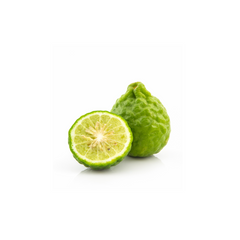
Layering sea salt with citrus notes such as bergamot or grapefruit leverages shared aldehydic and terpene compounds, amplifying the perception of brightness and marine freshness. Jo Malone Wood Sage & Sea Salt paired with Lime Basil & Mandarin demonstrates this synergy, where citrus top notes extend the crisp, ozonic effect.

02

Add Depth

Combining sea salt with woody or amber notes introduces heavier, low-volatility molecules that anchor the marine accord and enhance longevity. For example, Issey Miyake Le Sel d’Issey layered with sandalwood or amber creates a balanced, mineralic-woody drydown, as seen in Tom Ford Oud Minérale.

03

Soften the Mineral Edge

Pairing sea salt with soft florals or musks utilizes olfactory masking, where the sweet threshold of floral molecules tempers the sharpness of mineral accords. Maison Francis Kurkdjian Aqua Universalis demonstrates how lily of the valley and musk can create a luminous, clean finish with subtle saltiness.

Wear It Right

How to Wear Sea Salt Like a Pro

Seasonal Guide

Fall & Winter

In colder weather, sea salt’s mineralic and woody facets are more prominent, while projection is reduced due to lower volatility. Apply to pulse points under clothing to enhance warmth and longevity. Layer with amber or vanilla for added depth.

Spring

Spring’s moderate temperatures allow sea salt’s marine freshness to shine. The note pairs well with green or floral accords, creating a breezy, uplifting effect. Apply to exposed skin for optimal diffusion.

Summer

Heat increases the volatility of marine molecules, amplifying sea salt’s freshness but shortening its lifespan. Apply sparingly to avoid overwhelming projection, and consider layering with citrus or aquatic notes for a refreshing, beach-inspired scent.

Year-Round Tip

For consistent performance, apply sea salt fragrances to well-moisturized skin and avoid direct sunlight to preserve top notes. Adjust application based on climate and desired intensity, layering with complementary notes as needed.

Application Points

Strategic application enhances sea salt’s evolution and projection. Placement affects how the note interacts with body heat and air movement.

1

Neck

Applying to the neck maximizes exposure to air currents, enhancing the diffusion of marine and ozonic molecules. The warmth of this area accelerates evaporation, intensifying the initial freshness.

2

Behind the Ears

This pulse point is slightly cooler, allowing sea salt’s mineralic and woody facets to develop more gradually. The location also benefits from subtle sillage as the head moves.

3

Inner Wrists

The inner wrists provide warmth and movement, boosting the projection of top notes. Rubbing wrists is not recommended, as it can disrupt the molecular structure of volatile marine accords.

4

Hair

Spraying on hair offers sustained release of the sea salt note, as hair fibers retain aroma molecules and diffuse them gradually. Avoid overapplication to prevent dryness from alcohol content.

Pro Tip

Layer sea salt fragrances with unscented moisturizer or a matching body lotion to enhance longevity and create a more immersive, skin-like effect.

Mood Architecture™

Top Sea Salt Fragrances by Mood Score

These Sea Salt-based fragrances scored highest on the MEI™ Mood Architecture Framework — measuring how a scent may influence your emotional state.

Highest MEI Score
Invincible Legend — INVICTUS LEGEND Alternative Cologne
6.69
MEI™
Primary Fresh
Secondary Confident
Confidence
6.25
Presence
6.86
Mood Lift
7.49
Identity
6.18
Warmth
6.7
Social Ease
6.62
Energy
5.2
" I am radiant.
View full mood profile →
Millesime Imperial — Creed Millesime Imperial Alternative Perfume
6.63
MEI™
Primary Fresh
Secondary Energizing
Confidence
5.82
Presence
6.04
Mood Lift
8.31
Identity
5.89
Warmth
5.56
Social Ease
7.29
Energy
5.3
" I am radiant.
View full mood profile →
HumanSafe™

Top Sea Salt Fragrances by HumanSafe™ Score

These Sea Salt-based fragrances have the highest product-level HumanSafe™ scores in this ingredient collection.

Highest HumanSafe™ Score
Wood Sage & Sea Salt — Wood Sage & Sea Salt Alternative Perfume
A-
HumanSafe™ Score Generally Safe
Safest Evaluated Ingredients EDP
AQUA Solvent / Carrier ISS 10.0
1,4-DIOXACYCLOHEPTADECANE-5,17-DIONE Evaluated ingredient ISS 10.0
AMBERKETAL Evaluated ingredient ISS 8.0
3-BUTEN-2-ONE, 3-METHYL-4-(2,6,6-TRIMETHYL-2- Evaluated ingredient ISS 8.0
1-PENTEN-3-ONE, 1-(2,6,6-TRIMETHYL-1-CYCLOHEXEN- Evaluated ingredient ISS 8.0
LINALYL ACETATE Evaluated ingredient ISS 7.0
View full safety profile →
Millesime Imperial — Creed Millesime Imperial Alternative Perfume
A-
HumanSafe™ Score Generally Safe
Safest Evaluated Ingredients EDP
AQUA Solvent / Carrier ISS 10.0
7-OCTEN-2-OL, 2,6-DIMETHYL- Evaluated ingredient ISS 9.0
4H-INDEN-4-ONE, 1,2,3,5,6,7-HEXAHYDRO-1,1,2,3,3- Evaluated ingredient ISS 9.0
2-BUTEN-1-ONE, 1-(2,6,6-TRIMETHYL-2-CYCLOHEXEN-1- Evaluated ingredient ISS 9.0
3-BUTEN-2-ONE, 3-METHYL-4-(2,6,6-TRIMETHYL-2- Evaluated ingredient ISS 8.0
LINALYL ACETATE Evaluated ingredient ISS 7.0
View full safety profile →
Invincible Legend — INVICTUS LEGEND Alternative Cologne
A-
HumanSafe™ Score Generally Safe
Safest Evaluated Ingredients EDP
AQUA Solvent / Carrier ISS 10.0
BENZYL SALICYLATE Evaluated ingredient ISS 9.0
BENZENEPROPANAL, 4-METHOXY-.ALPHA.-METHYL- Evaluated ingredient ISS 9.0
7-OCTEN-2-OL, 2,6-DIMETHYL- Evaluated ingredient ISS 9.0
LINALYL ACETATE Evaluated ingredient ISS 7.0
View full safety profile →
Expert Voices

What Masters Say About Sea Salt

Sea air is mixed with salty and mineral texture of sand and stones. As the scent of driftwood it has natural and fresh sophistication. A complex combination of wood and sea is in its essence.
Christine Nagel, Perfumer (Jo Malone Wood Sage & Sea Salt)
Sea salt in perfumery is constructed from a blend of marine aroma chemicals and mineral accords, designed to evoke the sensation of ocean air and sun-warmed skin. Its versatility allows it to bridge fresh, woody, and gourmand compositions.
CA Perfume Editorial
Common Questions

Frequently Asked Questions

Frequently asked questions about sea salt in perfumery, covering scent, usage, and technical details.

Sea salt in perfume delivers a mineralic, briny, and ozonic scent profile. It evokes the sensation of ocean air, wet stones, and sun-warmed skin, with a subtle saltiness that is both invigorating and calming. The effect is achieved through a blend of synthetic molecules like Calone, Iso E Super, and Ambroxan, which together create a realistic marine impression. Notable examples include Jo Malone Wood Sage & Sea Salt and Issey Miyake Le Sel d’Issey.

Sea salt is typically used as a heart or accent note in perfumery. Its volatility is moderate, allowing it to bridge top citrus or green notes with deeper woods and musks. In some compositions, it may appear in the top notes for an immediate marine freshness, but its mineralic character is most pronounced in the heart of the fragrance.

Sea salt’s versatility and ability to evoke realistic marine environments have made it a favorite in niche perfumery. It adds depth, texture, and a sense of place, allowing perfumers to create unique, memorable compositions. The note’s mineralic and ozonic facets pair well with a wide range of ingredients, supporting both fresh and gourmand styles.

Sea salt fragrance uses include pairing with citrus (bergamot, grapefruit), woods (sandalwood, cedar), florals (jasmine, lily of the valley), and gourmand notes (vanilla, caramel). These combinations leverage molecular compatibility, with citrus amplifying freshness and woods or vanilla adding depth and longevity.

Yes, sea salt perfumes are especially popular in summer due to their refreshing, marine character. Heat increases the volatility of marine molecules, amplifying the initial freshness but shortening longevity. Applying sparingly and layering with citrus or aquatic notes can optimize performance in hot weather.

Sea salt fragrances in Eau de Parfum formats generally last 4–8 hours on skin. Longevity depends on the concentration of marine aroma chemicals, supporting notes, and individual skin chemistry. Oil-based formats may offer a softer, longer-lasting effect with reduced projection.

Yes, sea salt is highly layerable due to its mineralic and ozonic profile. It can enhance freshness when paired with citrus, add depth with woods or amber, or soften with florals and musks. Layering allows for personalized scent signatures and extended olfactory evolution.

Recommended entry points include Jo Malone Wood Sage & Sea Salt, Issey Miyake Le Sel d’Issey, and Juliette Has a Gun Vanilla Vibes. These fragrances showcase sea salt’s versatility, blending marine freshness with complementary notes for a balanced, wearable effect.

Consider your preferred scent style—fresh, woody, or gourmand—and look for sea salt fragrances that pair with notes you enjoy. CA Perfume’s HumanSafe™ platform provides ingredient transparency and safety data to help you make informed choices based on your skin chemistry and olfactory preferences.

Sea salt in fragrance is primarily clean, mineralic, and briny rather than sweet. However, when paired with gourmand notes like vanilla or caramel, it can create a sweet-salty contrast, as seen in Juliette Has a Gun Vanilla Vibes or Sol de Janeiro Cheirosa '62.

Aromatic Aquatic Collection

Explore Our Top Sea Salt Fragrances

Discover CA Perfume’s collection of HumanSafe™ verified sea salt fragrances, inspired by iconic marine compositions and crafted for year-round freshness.

Shop all sea salt fragrances at CA Perfume →

Where Sea Salt Comes From — Origin & Extraction

Sea salt as a perfumery note is inspired by naturally harvested salt from coastal salt pans, such as those in Guérande (France), Maldon (UK), and Trapani (Italy). Traditional sea salt is produced by evaporating seawater in shallow ponds, yielding crystals rich in trace minerals like magnesium, calcium, and potassium, which contribute to its nuanced aroma. Fleur de Sel, a premium variety, is hand-harvested and prized for its delicate, briny scent. However, in perfumery, the sea salt note is rarely derived from direct extraction of salt crystals due to their low volatility and lack of inherent odor when dry. Instead, perfumers recreate the effect using a blend of synthetic molecules and natural extracts. Key aroma chemicals include Calone (CAS 28940-11-6), which provides the signature marine freshness; Iso E Super (CAS 54464-57-2) for woody transparency; and trace amounts of ambergris or Ambroxan for oceanic depth. Algae and seaweed absolutes may be used to enhance authenticity, contributing iodine and green facets. The extraction of seaweed absolute typically involves solvent extraction at low temperatures to preserve volatile compounds, with yields of 0.5–1% from dried biomass. The cost of synthetic marine aroma chemicals is significantly lower than natural absolutes: Calone averages $60–120/kg, while seaweed absolute can exceed $1,000/kg. The use of synthetics also improves sustainability by reducing pressure on marine ecosystems and providing batch-to-batch consistency. Major manufacturers of marine aroma chemicals include Firmenich (Switzerland), IFF (USA), and Givaudan (Switzerland/France). Sustainability considerations focus on minimizing environmental impact, using renewable feedstocks for synthetics, and ensuring traceability. The HumanSafe™ platform provides transparency on ingredient sourcing and safety for sea salt accords used in CA Perfume’s collection.

Famous Fragrances That Define Sea Salt in Perfumery

The sea salt note has become a hallmark of modern marine and aquatic perfumery, shaping the identity of several landmark fragrances. Jo Malone London’s Wood Sage & Sea Salt (2014, Christine Nagel) is widely regarded as the definitive sea salt fragrance, blending mineralic salt with sage, ambrette, and seaweed to evoke the windswept British coast. Issey Miyake’s Le Sel d’Issey (2022) utilizes a crystalline sea salt accord to create a transparent, aquatic freshness, paired with citrus and driftwood. Creed’s Millésime Impérial (1995, Olivier Creed) was one of the first to use a salty marine note, anchoring fruit and citrus with a subtle, mineralic saltiness. Juliette Has a Gun’s Vanilla Vibes (2019, Romano Ricci) demonstrates sea salt’s versatility by pairing it with vanilla and sandalwood for a gourmand, mineral twist. Maison Francis Kurkdjian’s Aqua Universalis (2009, Francis Kurkdjian) employs a delicate sea salt nuance to enhance lily of the valley and citrus, creating a luminous, clean effect. Other notable examples include Tom Ford’s Oud Minérale (2023), which fuses sea salt with oud and mineral notes for a bold, modern marine impression, and Goldfield & Banks Pacific Rock Moss (2016, François Merle-Baudoin), where sea salt is paired with moss and citrus for an Australian coastal experience. CA Perfume’s collection draws inspiration from these milestones, offering HumanSafe™ verified sea salt accords that honor the lineage of marine perfumery.

Natural vs Synthetic Sea Salt in Perfumery

Sea salt as a perfumery note is almost exclusively constructed from synthetic aroma chemicals, as sodium chloride itself is odorless in dry form and only imparts a subtle mineral tang when dissolved and aerosolized. The most important synthetic molecules for recreating sea salt’s olfactory effect are Calone (CAS 28940-11-6), which delivers a marine, ozonic freshness; Iso E Super (CAS 54464-57-2), which provides a transparent, woody marine nuance; and Ambroxan (CAS 6790-58-5), a synthetic ambergris analog that adds oceanic depth and longevity. Other supporting molecules include Helional (CAS 141-13-9), which imparts a watery, green freshness, and Norlimbanol (CAS 65113-99-7) for mineral dryness. Performance-wise, synthetic sea salt accords offer superior stability, longevity (typically 4–8 hours in EDP formats), and batch consistency compared to rare natural seaweed or algae extracts, which can be variable and prone to oxidation. The cost differential is significant: Calone and Iso E Super are available at $60–200/kg, while natural algae absolutes can exceed $1,000/kg. Notable fragrances using synthetic sea salt accords include Jo Malone Wood Sage & Sea Salt, Issey Miyake Le Sel d’Issey, and Creed Millésime Impérial. Sustainability is enhanced through the use of renewable feedstocks and minimized marine harvesting. CA Perfume’s HumanSafe™ platform ensures full ingredient transparency and safety compliance for all sea salt accords, with IFRA guidelines strictly observed.