Ingredient Guide · Gourmand
Gourmand Family · Perfumery Note

Coconut Milk

A milky, tropical heart note with comforting sweetness.

Coconut milk is a heart note in perfumery, prized for its creamy, sweet, and lactonic character. Its signature scent is built from gamma-nonalactone and delta-decalactone, used at 0.5–2% for a smooth, enveloping effect.

Coconut Milk
Ingredient Profile

Coconut Milk

Gourmand Family
Family Gourmand
Note Position Heart Note
Usage Level 0.5–2% in formula
Key Origins Philippines, Indonesia, India
Iconic In Replica Beach Walk, Dolce Garden
The Ingredient

What does Coconut Milk smell like and why is it prized in perfumery?

Coconut milk in perfumery is defined by its creamy, sweet, and distinctly lactonic scent profile. The aroma is primarily constructed from synthetic lactones, especially gamma-nonalactone (CAS 104-61-0) and delta-decalactone (CAS 705-86-2), which together create a milky, tropical, and slightly nutty impression. Gamma-nonalactone imparts an intense coconut-peach sweetness, while delta-decalactone provides a smoother, buttery, and more naturalistic coconut cream nuance. The result is a scent that evokes the richness of coconut flesh blended with subtle vanilla and almond undertones, distinct from the green or watery facets of coconut water. In perfumery, coconut milk is most often classified as a heart (middle) note due to its moderate volatility and tenacity. It is typically dosed at 0.5–2% of the total composition, sufficient to impart a creamy, enveloping character without overwhelming the blend. Coconut milk interacts with skin chemistry by amplifying lactonic and sweet facets on warmer, more humid skin, and can sometimes become more powdery or musky on drier skin types. Its molecular structure allows it to bridge gourmand, floral, and tropical accords, enhancing both projection and longevity when paired with vanilla, white florals, or woody notes. Notable fragrances that exemplify coconut milk’s use include Maison Margiela Replica Beach Walk (2012, perfumer Jacques Cavallier), where coconut milk is paired with ylang-ylang and musk to evoke sun-warmed skin, and Dolce & Gabbana Dolce Garden (2018, perfumer Violaine Collas), which uses coconut milk to create a creamy, floral-gourmand heart alongside frangipani and almond blossom. These compositions showcase coconut milk’s ability to add both comfort and a sense of escapist luxury to modern perfumery.

0.5–2% in formula
Coconut milk lactones are typically used at 0.5–2% of the total fragrance composition, balancing intensity and smoothness without overpowering other notes.
5–8 hours longevity
Coconut milk accords provide moderate longevity, with lactonic molecules persisting on skin for 5–8 hours depending on concentration and skin chemistry.
$40–100/kg (synthetic)
Gamma-nonalactone and delta-decalactone cost $40–100/kg, making them accessible and sustainable compared to rare natural extracts (> $400/kg).
Origin & Extraction

Where Coconut Milk Comes From — Origin & Extraction

Coconut milk’s scent character is shaped by the terroir of its source. Tropical soils rich in silica and potassium, high humidity, and consistent rainfall yield coconuts with higher fat content, resulting in a richer, creamier olfactory profile.

Coconut milk is derived from the grated flesh of the coconut palm, Cocos nucifera, a member of the Arecaceae family. The coconut palm is cultivated extensively in tropical regions, with the Philippines, Indonesia, India, and Sri Lanka accounting for over 75% of global coconut production. The Philippines alone produces approximately 14 million metric tons of coconuts annually, much of which is processed into coconut milk for culinary and cosmetic applications. In perfumery, true coconut milk extract is rarely used due to its instability and low olfactory impact. Instead, the coconut milk note is primarily constructed using synthetic lactones. Gamma-nonalactone (Aldehyde C-18, CAS 104-61-0) is synthesized via cyclization of ricinoleic acid derivatives, while delta-decalactone (CAS 705-86-2) can be produced either synthetically or via biotechnological fermentation. Supercritical CO2 extraction of coconut oil is possible and yields a delta-lactone-rich extract, but this material is niche and costly, with yields of less than 1 kg per 1000 kg of raw coconut oil. The cost of pure gamma-nonalactone is approximately $40–60/kg, while natural coconut CO2 extract can exceed $400/kg due to low yield and limited demand. Sustainability considerations include the environmental impact of large-scale coconut agriculture, which can lead to monoculture and biodiversity loss. However, synthetic lactones offer a more sustainable and consistent supply chain, reducing pressure on tropical ecosystems. The discovery of gamma-nonalactone as a coconut-sweet molecule dates to the mid-20th century, with widespread perfumery use beginning in the 1960s and 1970s.

PH

Philippines

The Bicol region is renowned for high-fat coconuts, producing a creamier, sweeter coconut milk. The Philippines supplies over 25% of global coconut exports, with traditional wet extraction methods preserving the full lactonic profile.

ID

Indonesia

Sumatra and Sulawesi coconuts are prized for their subtle nutty undertones, influenced by volcanic soils and high rainfall. Indonesia accounts for roughly 20% of world coconut production, with both industrial and artisanal processing.

IN

India

Kerala’s coconuts are known for their dense, rich flesh and high lauric acid content, contributing to a fattier, more buttery coconut milk aroma. India is a top producer, with regional variations in aroma due to climate and soil.

LK

Sri Lanka

The Western Province produces coconuts with a delicate, floral sweetness, attributed to coastal soils and traditional sun-drying. Sri Lanka’s coconut milk is valued for its clarity and subtlety in both culinary and fragrance applications.

Chemistry

Natural vs Synthetic Coconut Milk in Perfumery

Natural coconut milk extract is rarely used in fine fragrance due to its instability, low volatility, and rapid rancidity. Instead, perfumers rely on synthetic lactones to recreate the creamy, sweet, and tropical facets of coconut milk. The primary aroma chemicals are gamma-nonalactone (CAS 104-61-0), delta-decalactone (CAS 705-86-2), and delta-dodecalactone (CAS 713-95-1). Gamma-nonalactone delivers an intense coconut-peach sweetness, while delta-decalactone imparts a smoother, buttery, and more naturalistic coconut cream effect. Delta-dodecalactone adds a fatty, milky nuance that enhances the lactonic profile. Synthetic versions offer superior performance in terms of longevity, diffusion, and batch-to-batch consistency compared to natural extracts. The cost differential is significant: gamma-nonalactone and delta-decalactone are available for $40–100/kg, while natural coconut CO2 extract can exceed $400/kg. Most commercial fragrances, including Replica Beach Walk and Dolce Garden, use synthetic lactones for the coconut milk note. Sustainability is improved with synthetics, as they reduce the need for large-scale coconut farming and associated environmental impacts. The HumanSafe™ platform ensures that all coconut milk aroma chemicals used by CA Perfume are fully traceable, IFRA-compliant, and screened for allergenicity and environmental safety.

Natural
Coconut Milk Absolute
Cost $3,000–6,000/kg
Method Solvent / CO₂
Character Complex, variable
vs
Synthetic
Safranal & Analogues
Cost $50–200/kg
Method Lab synthesis
Character Consistent, stable
Hall of Fame

Famous Fragrances That Define Coconut Milk in Perfumery

2012
heart note

Replica Beach Walk

Maison Margiela
by Jacques Cavallier
ylang-ylangbergamotmusk
2018
heart note

Dolce Garden

Dolce & Gabbana
by Violaine Collas
frangipanialmond blossomvanilla
2016
bridge note

Soleil Blanc

Tom Ford
by Nathalie Gracia-Cetto
pistachioylang-ylangamber
2021
dominant note

Milk

Commodity
by Christelle Laprade
marshmallowtonka beanmusk
2020
accent

Coconut Milk & Rose Calm

Victoria's Secret
rosemusk

Coconut milk has become a signature note in contemporary perfumery, especially in gourmand, tropical, and floral compositions. Maison Margiela Replica Beach Walk (2012, Jacques Cavallier) is a landmark fragrance, using coconut milk as a heart note to evoke sun-warmed skin and sandy beaches, paired with ylang-ylang, bergamot, and musk. Dolce & Gabbana Dolce Garden (2018, Violaine Collas) features coconut milk in the heart, blending it with frangipani, almond blossom, and vanilla for a creamy, floral-gourmand effect. Tom Ford Soleil Blanc (2016, Nathalie Gracia-Cetto) uses a coconut milk accord alongside pistachio, ylang-ylang, and amber to create a luxurious, solar impression. Commodity Milk (2021, Christelle Laprade) highlights coconut milk with marshmallow and tonka bean for a modern, lactonic gourmand. Victoria’s Secret Coconut Milk & Rose Calm (2020) pairs coconut milk with rose for a fresh, sweet, and intimate skin scent. These fragrances demonstrate coconut milk’s versatility as a dominant note, bridge, or accent, often paired with vanilla, white florals, and musks. CA Perfume’s coconut milk collection draws inspiration from this lineage, offering both classic and innovative interpretations.

The Accord

How is a captivating Coconut Milk accord crafted?

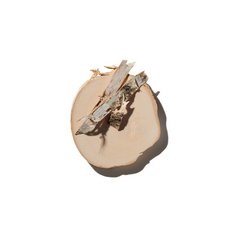
A coconut milk accord is built from 25–30% gamma-nonalactone for intense coconut sweetness, 20–25% vanilla for creamy warmth, 20–25% white honey for smooth sweetness, and 25–30% cashmere wood for soft, enveloping texture. Each component is selected for its molecular compatibility, creating a rich, lactonic, and comforting blend.

30%

Coconut Milk (gamma-nonalactone, delta-decalactone)

25–30% of blend

Gamma-nonalactone and delta-decalactone provide the creamy, sweet, and tropical core of the accord, mimicking the lactonic richness of coconut milk.

25%

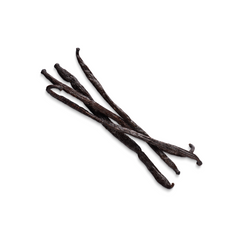
Vanilla

20–25% of blend

Vanillin softens and rounds the coconut milk’s sharpness, enhancing the creamy, gourmand effect through olfactory masking and shared sweet thresholds.

25%

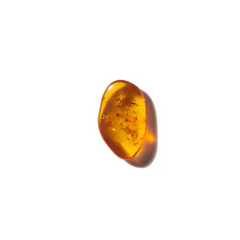
White Honey

20–25% of blend

White honey introduces a smooth, floral sweetness that complements lactones, adding depth and a subtle golden nuance via trace phenolic compounds.

30%

Cashmere Wood

25–30% of blend

Cashmeran and related musky-woody molecules provide a soft, enveloping texture, enhancing the creamy, skin-like finish of the coconut milk accord.

The Olfactory Layers

How Coconut Milk Evolves on Skin

Coconut milk’s olfactory evolution begins with a burst of creamy sweetness, transitions to a velvety, lactonic heart, and settles into a soft, musky base. Gamma-nonalactone dominates the opening, while delta-decalactone and musks persist in the drydown.

I
Top notes
0–15 min
Creamy Burst

The initial impression is a fresh, creamy sweetness, driven by high-volatility gamma-nonalactone. This stage is marked by a bright, tropical, and slightly peachy aroma, quickly enveloping the senses with milky richness.

creamysweettropical
II
Heart notes
20–60 min
Lactonic Veil

The heart reveals the full lactonic character of coconut milk, with delta-decalactone and delta-dodecalactone providing a smooth, buttery, and slightly nutty effect. This stage is velvety, enveloping, and reminiscent of coconut cream.

lactonicvelvetynutty
III
Base notes
Several hours
Skin-Like Drydown

As the fragrance dries down, soft musks and woody-milky notes (often cashmeran or sandalwood) emerge, extending the creamy, skin-like finish. The base is gentle, powdery, and subtly sweet, anchored by persistent lactones.

muskypowderyskin-like
TOP NOTES Creamy Burst 0–15 minutes HEART NOTES Lactonic Veil 20–60 minutes BASE NOTES Skin-Like Drydown Several hours
Through the Ages

The Story of Coconut Milk in Perfumery

Coconut milk’s journey in perfumery spans from ancient tropical cultures to modern gourmand fragrances, marked by advances in synthetic chemistry and evolving olfactory trends.

Antiquity

Traditional Use in Tropical Cultures

Coconut milk is used in food, cosmetics, and rituals across Southeast Asia and the Pacific, prized for its nourishing, aromatic qualities.

1950s

Discovery of Gamma-Nonalactone

Synthetic gamma-nonalactone is identified as a key coconut-sweet molecule, enabling the creation of stable coconut milk accords in perfumery.

1970s

Coconut Milk in Suntan and Body Products

Coconut milk notes become popular in sun care and body mists, associated with beach culture and summer leisure.

2012

Replica Beach Walk Launch

Maison Margiela’s Beach Walk (Jacques Cavallier) sets a new standard for coconut milk in fine fragrance, blending it with ylang-ylang and musk.

2018–2021

Modern Gourmand and Lactonic Trends

Fragrances like Dolce Garden and Commodity Milk use coconut milk as a dominant note, reflecting the rise of creamy, comforting scent profiles in niche and mainstream perfumery.

The Art of Layering

How to Layer Coconut Milk

Understanding how to layer coconut milk is key to maximizing its creamy, tropical appeal. Molecular compatibility with vanilla, musks, and woods allows for seamless blending and olfactory masking.

01

Enhance Sweetness

Layer coconut milk with vanilla or tonka bean fragrances. Vanillin and coumarin share sweet, creamy molecular structures, amplifying the gourmand effect and smoothing any sharpness. Example: Replica Beach Walk layered with a vanilla solinote.

02

Add Depth

Combine coconut milk with woody or amber notes. Cashmeran and amber molecules interact with lactones to create a richer, more enveloping drydown. Example: Tom Ford Soleil Blanc layered with a sandalwood or amber fragrance.

03

Lighten the Creaminess

Pair coconut milk with citrus or aquatic accords. Limonene and calone introduce freshness, balancing the creamy lactones and preventing heaviness. Example: Coconut milk fragrances layered with a bergamot or sea breeze scent.

Wear It Right

How to Wear Coconut Milk Like a Pro

Seasonal Guide

Fall & Winter

In cooler months, coconut milk’s creamy, lactonic facets become more pronounced, offering a cozy, enveloping effect. Lower temperatures suppress volatility, resulting in a closer-to-skin, comforting projection. Apply to pulse points and layer with vanilla or amber for added warmth.

Spring

Spring’s moderate temperatures allow coconut milk’s sweetness to blend seamlessly with floral and green notes. Increased humidity enhances sillage, making it ideal for pairing with white florals or citrus for a fresh, uplifting effect.

Summer

Heat and humidity amplify coconut milk’s tropical, gourmand qualities, increasing both projection and perceived sweetness. Apply sparingly to avoid overwhelming sillage, and consider layering with aquatic or citrus notes for a breezy, beach-inspired effect.

Year-Round Tip

Coconut milk’s versatility allows it to transition across seasons. Adjust application and layering partners based on temperature and humidity to optimize projection and balance the creamy, sweet profile.

Application Points

Strategic application enhances coconut milk’s creamy projection and longevity. Focus on warm, moisturized skin for best results.

1

Neck

The neck’s warmth accelerates evaporation of lactones, intensifying the creamy, sweet opening and ensuring moderate projection.

2

Behind the Ears

This pulse point retains scent longer due to lower exposure to air, allowing coconut milk’s lactonic heart to linger and evolve gradually.

3

Inner Wrists

Frequent movement and warmth at the wrists help diffuse coconut milk’s top and heart notes, creating a gentle sillage trail.

4

Hair

Hair fibers trap lactonic molecules, providing a soft, continuous release of coconut milk’s creamy aroma throughout the day.

Pro Tip

Apply to well-moisturized skin or over unscented lotion to enhance longevity and prevent rapid evaporation of volatile lactones.

Mood Architecture™

Top Coconut Milk Fragrances by Mood Score

These Coconut Milk-based fragrances scored highest on the MEI™ Mood Architecture Framework — measuring how a scent may influence your emotional state.

Highest MEI Score
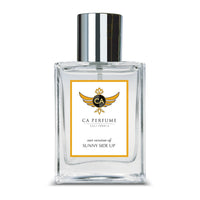
Sunny Side Up — Juliette Has A Gun Sunny Side Up Alternative Perfume
7.13
MEI™
Primary Romantic
Secondary Confident
Confidence
6.65
Presence
7.17
Mood Lift
7.19
Identity
7.3
Warmth
9.0
Social Ease
6.89
Energy
3.5
" I am beautiful.
View full mood profile →
Rio De Janeiro Radiance — Rio Radiance Alternative Perfume
6.76
MEI™
Primary Romantic
Secondary Confident
Confidence
5.78
Presence
6.1
Mood Lift
7.64
Identity
6.55
Warmth
7.96
Social Ease
7.22
Energy
3.2
" I am beautiful.
View full mood profile →
HumanSafe™

Top Coconut Milk Fragrances by HumanSafe™ Score

These Coconut Milk-based fragrances have the highest product-level HumanSafe™ scores in this ingredient collection.

Highest HumanSafe™ Score
Sunny Side Up — Juliette Has A Gun Sunny Side Up Alternative Perfume
A-
HumanSafe™ Score Generally Safe
Safest Evaluated Ingredients EDP
AQUA Solvent / Carrier ISS 10.0
1,4-DIOXACYCLOHEPTADECANE-5,17-DIONE Evaluated ingredient ISS 10.0
BENZYL SALICYLATE Evaluated ingredient ISS 9.0
4H-INDEN-4-ONE, 1,2,3,5,6,7-HEXAHYDRO-1,1,2,3,3- Evaluated ingredient ISS 9.0
ALCOHOL DENAT. Solvent / Carrier ISS 7.0
View full safety profile →
Rio De Janeiro Radiance — Rio Radiance Alternative Perfume
A-
HumanSafe™ Score Generally Safe
Safest Evaluated Ingredients EDP
AQUA Solvent / Carrier ISS 10.0
1,4-DIOXACYCLOHEPTADECANE-5,17-DIONE Evaluated ingredient ISS 10.0
HEXYL SALICYLATE Evaluated ingredient ISS 9.0
BENZYL SALICYLATE EYE IRRITATION - CAT. 2B [H320] Evaluated ingredient ISS 9.0
BENZENEPROPANAL, 4-METHOXY-.ALPHA.-METHYL- Evaluated ingredient ISS 9.0
2H-1-BENZOPYRAN-2-ONE Evaluated ingredient ISS 8.0
View full safety profile →
Expert Voices

What Masters Say About Coconut Milk

Coconut milk in perfumery is a synthetic construction — gamma-nonalactone and delta-decalactone layered into a lactonic illusion more vivid than any real coconut.
CA Perfume Editorial
Gamma-nonalactone delivers an intense, almost aggressive tropical sweetness — the sunscreen-on-warm-skin impression, a brightness that borders on harsh at high concentration.
CA Perfume Editorial
Common Questions

Frequently Asked Questions

Frequently asked questions about coconut milk in perfumery.

Coconut milk in perfume smells creamy, sweet, and distinctly lactonic, with a tropical, milky richness and subtle nutty undertones. The scent is constructed from synthetic lactones such as gamma-nonalactone and delta-decalactone, which mimic the aroma of coconut flesh and milk. It is less green or watery than coconut water and more gourmand than plain coconut, often evoking sun-warmed skin, desserts, or tropical escapes. Notable examples include Replica Beach Walk and Dolce Garden.

Coconut milk is typically used as a heart (middle) note in perfumery. Its moderate volatility and tenacity allow it to bridge the opening and drydown phases, providing a creamy, enveloping character that persists for several hours. While its sweetness can be noticeable in the top notes, its lactonic molecules are most prominent in the heart, supported by vanillic or woody base notes.

Coconut milk is favored in niche perfumery for its ability to create a comforting, gourmand, and escapist effect. Its synthetic lactones offer both intensity and versatility, allowing perfumers to construct creamy, tropical accords that evoke luxury and relaxation. The note pairs well with florals, woods, and musks, enabling innovative blends that appeal to contemporary tastes for lactonic and edible scents.

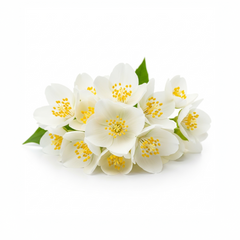
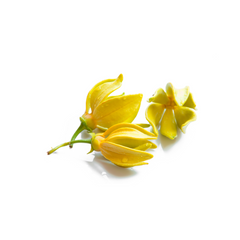
Coconut milk fragrance uses often involve pairing with vanilla, white honey, cashmere wood, amber, jasmine, ylang-ylang, and sandalwood. These ingredients share molecular affinities (lactones, vanillin, musks) that enhance the creamy, sweet, and tropical facets of coconut milk, creating harmonious and long-lasting accords.

Coconut milk perfumes are especially popular in summer due to their tropical, sun-kissed character. Heat and humidity amplify the creamy, sweet projection, making them ideal for beachy, vacation-inspired scents. However, their comforting, gourmand qualities also make them appealing in cooler months, especially when layered with vanilla or amber.

Coconut milk fragrances generally last 5–8 hours on skin, depending on concentration and supporting notes. The persistence is due to the moderate molecular weight and tenacity of lactones like gamma-nonalactone and delta-decalactone. Longevity can be extended by layering with fixative-rich notes such as musks or woods.

Yes, coconut milk is highly layerable due to its molecular compatibility with vanilla, musks, woods, and florals. Layering enhances sweetness, adds depth, or introduces freshness, depending on the chosen partner. For example, pairing with vanilla amplifies the gourmand effect, while citrus or aquatic notes lighten the creamy profile.

Beginner-friendly coconut milk perfumes include Maison Margiela Replica Beach Walk, Dolce & Gabbana Dolce Garden, Commodity Milk, and Victoria’s Secret Coconut Milk & Rose Calm. These fragrances showcase coconut milk’s creamy, sweet, and tropical facets in accessible, well-balanced compositions.

To select the right coconut milk fragrance at CA Perfume, consider your preferred style (gourmand, floral, woody), desired intensity, and layering potential. Explore the collection for options that highlight coconut milk’s creamy heart, tropical sweetness, or pairings with vanilla, florals, or woods. Sampling is recommended to experience how the note interacts with your skin chemistry.

Coconut milk’s sweetness is balanced by its creamy, lactonic character, making it versatile for both daily and special occasion wear. When paired with woods, musks, or citrus, the note becomes more nuanced and wearable. Its moderate projection and comforting profile make it suitable for a wide range of settings.

Gourmand Collection

Explore Our Top Coconut Milk Fragrances

Discover best-selling coconut milk fragrances, from creamy gourmand blends to tropical floral compositions, all curated for versatility and comfort.

Shop all coconut milk fragrances at CA Perfume →

Where Coconut Milk Comes From — Origin & Extraction

Coconut milk is derived from the grated flesh of the coconut palm, Cocos nucifera, a member of the Arecaceae family. The coconut palm is cultivated extensively in tropical regions, with the Philippines, Indonesia, India, and Sri Lanka accounting for over 75% of global coconut production. The Philippines alone produces approximately 14 million metric tons of coconuts annually, much of which is processed into coconut milk for culinary and cosmetic applications. In perfumery, true coconut milk extract is rarely used due to its instability and low olfactory impact. Instead, the coconut milk note is primarily constructed using synthetic lactones. Gamma-nonalactone (Aldehyde C-18, CAS 104-61-0) is synthesized via cyclization of ricinoleic acid derivatives, while delta-decalactone (CAS 705-86-2) can be produced either synthetically or via biotechnological fermentation. Supercritical CO2 extraction of coconut oil is possible and yields a delta-lactone-rich extract, but this material is niche and costly, with yields of less than 1 kg per 1000 kg of raw coconut oil. The cost of pure gamma-nonalactone is approximately $40–60/kg, while natural coconut CO2 extract can exceed $400/kg due to low yield and limited demand. Sustainability considerations include the environmental impact of large-scale coconut agriculture, which can lead to monoculture and biodiversity loss. However, synthetic lactones offer a more sustainable and consistent supply chain, reducing pressure on tropical ecosystems. The discovery of gamma-nonalactone as a coconut-sweet molecule dates to the mid-20th century, with widespread perfumery use beginning in the 1960s and 1970s.

Famous Fragrances That Define Coconut Milk in Perfumery

Coconut milk has become a signature note in contemporary perfumery, especially in gourmand, tropical, and floral compositions. Maison Margiela Replica Beach Walk (2012, Jacques Cavallier) is a landmark fragrance, using coconut milk as a heart note to evoke sun-warmed skin and sandy beaches, paired with ylang-ylang, bergamot, and musk. Dolce & Gabbana Dolce Garden (2018, Violaine Collas) features coconut milk in the heart, blending it with frangipani, almond blossom, and vanilla for a creamy, floral-gourmand effect. Tom Ford Soleil Blanc (2016, Nathalie Gracia-Cetto) uses a coconut milk accord alongside pistachio, ylang-ylang, and amber to create a luxurious, solar impression. Commodity Milk (2021, Christelle Laprade) highlights coconut milk with marshmallow and tonka bean for a modern, lactonic gourmand. Victoria’s Secret Coconut Milk & Rose Calm (2020) pairs coconut milk with rose for a fresh, sweet, and intimate skin scent. These fragrances demonstrate coconut milk’s versatility as a dominant note, bridge, or accent, often paired with vanilla, white florals, and musks. CA Perfume’s coconut milk collection draws inspiration from this lineage, offering both classic and innovative interpretations.

Natural vs Synthetic Coconut Milk in Perfumery

Natural coconut milk extract is rarely used in fine fragrance due to its instability, low volatility, and rapid rancidity. Instead, perfumers rely on synthetic lactones to recreate the creamy, sweet, and tropical facets of coconut milk. The primary aroma chemicals are gamma-nonalactone (CAS 104-61-0), delta-decalactone (CAS 705-86-2), and delta-dodecalactone (CAS 713-95-1). Gamma-nonalactone delivers an intense coconut-peach sweetness, while delta-decalactone imparts a smoother, buttery, and more naturalistic coconut cream effect. Delta-dodecalactone adds a fatty, milky nuance that enhances the lactonic profile. Synthetic versions offer superior performance in terms of longevity, diffusion, and batch-to-batch consistency compared to natural extracts. The cost differential is significant: gamma-nonalactone and delta-decalactone are available for $40–100/kg, while natural coconut CO2 extract can exceed $400/kg. Most commercial fragrances, including Replica Beach Walk and Dolce Garden, use synthetic lactones for the coconut milk note. Sustainability is improved with synthetics, as they reduce the need for large-scale coconut farming and associated environmental impacts. The HumanSafe™ platform ensures that all coconut milk aroma chemicals used by CA Perfume are fully traceable, IFRA-compliant, and screened for allergenicity and environmental safety.