Where Clover Comes From — Origin & Extraction
Clover used in perfumery is primarily sourced from two species: Trifolium pratense (red clover) and Trifolium repens (white clover). These herbaceous plants are native to temperate regions of Europe, Asia, and North America, thriving in meadows, pastures, and cultivated fields. The United States, France, and Germany are leading producers, with the US accounting for significant agricultural acreage devoted to clover for both ecological and aromatic purposes. While global production statistics for clover absolute are limited due to its niche use, clover is widely cultivated for honey production and soil enrichment, indirectly supporting its availability for fragrance extraction.
Extraction of clover’s aromatic compounds is challenging due to the delicate nature of its flowers. The most effective method is solvent extraction (typically using hexane or ethanol), yielding a concrete that is further processed into an absolute. Supercritical CO2 extraction is also employed to preserve the nuanced green and floral facets, with extraction temperatures kept below 40°C to prevent degradation of coumarin and other volatiles. The yield is low—approximately 0.02–0.05% by weight of fresh flowers—making natural clover absolute a costly material, often priced between $3,000 and $6,000 per kilogram. In contrast, synthetic analogues (such as coumarin and certain green aldehydes) are available at $50–$200/kg, offering greater consistency and affordability.
Sustainability considerations for clover are generally favorable: the plant is a nitrogen fixer, improving soil health and requiring minimal pesticide input. However, large-scale extraction for perfumery is limited by the low yield and high labor costs. Most commercial clover notes are therefore reconstituted using a blend of natural isolates and synthetic molecules to balance olfactory fidelity, cost, and environmental impact.
Famous Fragrances That Define Clover in Perfumery
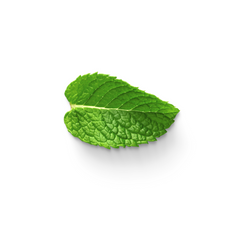
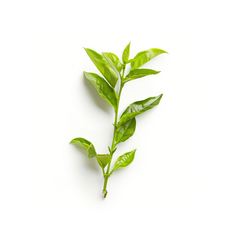
Clover has been featured in a range of landmark fragrances, often as a fresh, green accent or a subtle bridge between floral and citrus notes. One of the earliest prominent uses is in Guerlain Aqua Allegoria Herba Fresca (1999, Jean-Paul Guerlain), where clover is paired with mint and green tea to evoke a dewy spring meadow. In Calvin Klein Truth (2000, Alberto Morillas & Jacques Cavallier), clover is used as a supporting note, enhancing the composition’s naturalistic, grassy character alongside bamboo and vetiver.
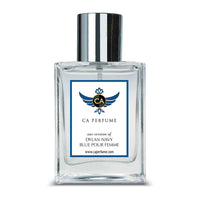
Versace Pour Femme Dylan Blue (2017, Calice Becker) incorporates clover to add a fresh, green nuance to a modern floral-fruity structure, demonstrating the note’s versatility in contemporary perfumery. Solstice Scents Sweet Clover & Wood Smoke (2025, Angela St. John) highlights coumarin-rich sweet clover with vanilla and mimosa, creating a gentle, gourmand-green blend. L’Occitane en Provence Mélilot (2024) explores the nutty and honeyed aspects of sweet clover, emphasizing its pastoral, comforting qualities.
Other notable examples include Chanel Coco Eau de Parfum (1984, Jacques Polge), where clover subtly bridges spicy and floral elements, and Guerlain’s Aqua Allegoria Herba Fresca, which remains a reference point for green, clover-centric fragrances. CA Perfume’s collection draws inspiration from these benchmarks, offering clover-forward blends that honor both the natural and reconstructed facets of this unique note.
Natural vs Synthetic Clover in Perfumery
Natural clover absolute is obtained via solvent or supercritical CO2 extraction from Trifolium flowers, resulting in a complex, variable profile rich in coumarin (CAS 91-64-5), hexenol, and subtle floral lactones. The absolute is prized for its nuanced, meadow-like aroma but is rarely used in large-scale perfumery due to its high cost ($3,000–6,000/kg) and low yield. Its performance is moderate, with a soft projection and a longevity of 3–5 hours, and it can be unstable in high-alcohol formulations.
Synthetic clover notes are constructed from aroma chemicals such as coumarin (CAS 91-64-5), cis-3-hexenol (CAS 928-96-1), and cyclamen aldehyde (CAS 103-95-7). These molecules replicate the green, sweet, and slightly floral aspects of natural clover with greater consistency, stability, and at a fraction of the cost ($50–200/kg). Synthetic versions also allow for enhanced longevity and diffusion, making them preferable for mass-market and niche compositions alike. Notable fragrances such as Calvin Klein Truth (2000, perfumers Alberto Morillas and Jacques Cavallier) and Guerlain Aqua Allegoria Herba Fresca (1999) utilize synthetic clover accords to achieve a fresh, dewy effect without the variability of natural extracts.
From a sustainability perspective, synthetic clover notes reduce pressure on agricultural resources and avoid the ecological impact of large-scale flower harvesting. CA Perfume’s HumanSafe™ platform verifies the traceability and safety of both natural and synthetic clover ingredients, ensuring transparency in sourcing and formulation. The choice between natural and synthetic is guided by olfactory goals, performance requirements, and environmental considerations, with most modern perfumery favoring high-quality synthetic blends for reliability and ethical sourcing.