Ingredient Guide · Citrus
Citrus Family · Perfumery Note

Clementine

A sweet, sunlit citrus top note with floral nuance.

Clementine is a top note in perfumery, prized for its sweet, juicy, and slightly floral citrus character. Its aroma comes from cold-pressed essential oil rich in limonene, with a typical usage of 0.5–2% in fragrance formulas.

Clementine
Ingredient Profile

Clementine

Citrus Family
Family Citrus
Note Position Top Note
Usage Level 0.5–2% of formula
Key Origins Spain, Morocco, Italy
Iconic In Clementine California, Aqua Allegoria Mandarine Basilic
The Ingredient

What does Clementine smell like and why is it prized in perfumery?

Clementine (Citrus clementina) is a hybrid citrus fruit, botanically a cross between mandarin orange (C. reticulata) and sweet orange (C. sinensis). In perfumery, clementine oil is extracted from the outer peel via cold expression, yielding an essential oil dominated by limonene (up to 92%), with minor contributions from myrcene, gamma-terpinene, and traces of linalool and alpha-pinene. What does clementine smell like? The scent profile is immediately juicy, sweet, and less acidic than lemon or lime, with a delicate floral undertone and a rounded, soft citrus sparkle. This makes the clementine scent profile distinct from sharper citruses, offering a gentle, sunlit freshness. Clementine in perfumery is classified as a top note, used for its ability to create an uplifting, accessible opening. It is typically present at 0.5–2% of a fragrance formula, rarely exceeding 3% due to its volatility. On skin, clementine’s high limonene content causes rapid evaporation, delivering a vivid but short-lived burst of brightness. The oil’s lack of structural complexity compared to bergamot or yuzu means it is often used as a modifier or sweetener rather than a main pillar, softening sharp edges and adding immediate appeal to green, aromatic, or gourmand compositions. Notable fragrances that exemplify clementine’s use include Atelier Cologne Clementine California (2016, Jérôme Epinette), where clementine is paired with juniper and vetiver for a fresh, tangy top, and Guerlain Aqua Allegoria Mandarine Basilic (2007, Marie Salamagne), which blends clementine with mandarin, basil, and orange blossom for a luminous citrus opening. In Montblanc Signature (2020, Guillaume Flavigny), clementine provides a creamy, sweet introduction before yielding to white florals and musk.

0.5–2% of formula
Clementine oil is typically used at 0.5–2% in fragrance compositions, balancing impact and volatility without overwhelming the blend.
1–2 hours
The natural clementine top note lasts 1–2 hours on skin, reflecting the high volatility of limonene and related terpenes.
$60–120/kg
Natural clementine oil costs $60–120 per kilogram, while synthetic citrus aroma chemicals are $10–30/kg, influencing formula choices.
Origin & Extraction

Where Clementine Comes From — Origin & Extraction

Clementine’s scent is shaped by Mediterranean climates—mild winters, abundant sun, and well-drained soils yield oil with pronounced sweetness and floral nuance. The terroir influences limonene content and subtle secondary notes.

Clementine (Citrus clementina) originated as a spontaneous hybrid in Misserghin, Algeria, around 1902, discovered by Brother Marie-Clément Rodier. The tree is a cross between willowleaf mandarin (C. deliciosa) and sweet orange (C. sinensis). Today, Spain is the world’s largest producer, accounting for approximately 50% of global clementine exports (over 1.5 million metric tons annually), followed by Morocco, Turkey, Algeria, and Italy. The fruit is cultivated in Mediterranean climates with well-drained soils and mild winters. Clementine essential oil is obtained by cold expression (mechanical pressing) of the outer peel. This process occurs at ambient temperatures (20–25°C) to preserve volatile compounds, especially limonene, which constitutes up to 92% of the oil. The yield is approximately 0.3–0.5% by weight of fresh peel. The oil is filtered to remove waxes and non-volatile residues. Unlike steam distillation, cold expression avoids thermal degradation but results in a more oxidation-prone oil. Natural clementine oil is priced at $60–120/kg, depending on origin and quality, while synthetic citrus aroma chemicals (limonene, citral) cost $10–30/kg. The volatility and rapid oxidation of natural oil present challenges for stability, leading to frequent use of antioxidants and blending with fixatives. Sustainability considerations include the use of by-products from the juice industry, minimizing waste. However, large-scale citrus cultivation can involve significant pesticide and water use. Certified organic clementine oil is available but represents a small fraction of the market.

ES

Spain

The Valencia region produces over 1 million metric tons annually, with sandy soils and mild winters yielding clementine oil high in limonene and a pronounced sweet, floral nuance. Spain is the global leader, exporting to perfumery markets worldwide.

MA

Morocco

The Berkane region is known for clementines with a slightly tangier, zestier oil profile due to higher diurnal temperature variation. Morocco supplies around 20% of global exports, with hand-harvesting and minimal irrigation.

IT

Italy

Calabria’s clementines are noted for their balanced acidity and green undertones, attributed to volcanic soils and coastal humidity. Italian oil is prized for artisanal perfumery and commands premium prices.

DZ

Algeria

Misserghin, the birthplace of clementine, still produces small quantities with a unique floral-citrus balance. Algerian clementine oil is rare but sought after for its historical significance and nuanced aroma.

Chemistry

Natural vs Synthetic Clementine in Perfumery

Natural clementine oil is composed primarily of (R)-limonene (CAS 5989-27-5), with minor constituents such as myrcene (CAS 123-35-3), gamma-terpinene (CAS 99-85-4), and linalool (CAS 78-70-6). Synthetic clementine notes are typically constructed from pure limonene, citral (CAS 5392-40-5), and sweet orange terpenes, sometimes augmented with aldehydes for a more persistent effect. Synthetic versions offer greater stability, consistency, and lower cost—$10–30/kg versus $60–120/kg for natural oil. They also avoid the rapid oxidation and phototoxicity risks associated with natural citrus oils. Performance-wise, synthetic clementine accords last longer and diffuse more evenly, while natural oil provides a more nuanced, multi-layered opening but fades within 1–2 hours. Notable fragrances using natural clementine include Atelier Cologne Clementine California, while many mainstream citrus scents rely on synthetics for longevity. Sustainability is a key factor: synthetics reduce pressure on agricultural land and water resources, but natural oils (especially from juice by-products) can be low-waste. The HumanSafe™ platform at CA Perfume ensures full transparency on ingredient sourcing, allergen content, and IFRA compliance for both natural and synthetic clementine materials. Three key aroma chemicals in synthetic clementine accords are limonene, citral, and decanal.

Natural
Clementine Absolute
Cost $3,000–6,000/kg
Method Solvent / CO₂
Character Complex, variable
vs
Synthetic
Safranal & Analogues
Cost $50–200/kg
Method Lab synthesis
Character Consistent, stable
Hall of Fame

Famous Fragrances That Define Clementine in Perfumery

2016
dominant note

Clementine California

Atelier Cologne
by Jérôme Epinette
mandarinjuniper berryvetiver
2007
dominant note

Aqua Allegoria Mandarine Basilic

Guerlain
by Marie Salamagne
mandarinbasilorange blossom
2020
accent

Signature

Montblanc
by Guillaume Flavigny
white muskylang-ylangmagnolia
2022
bridge note

Fig Infusion

Essential Parfums
by Nathalie Lorson
figteacedarwood
2025
dominant note

Clementine Dream

The 7 Virtues
mandarinpeachwhite musk
2017
bridge note

Artisan Pure

John Varvatos
by Rodrigo Flores-Roux
citrusherbswoods

Clementine has become a signature note in modern citrus compositions, valued for its sweet, juicy, and approachable character. Atelier Cologne Clementine California (2016, Jérôme Epinette) is a benchmark, using natural clementine as the dominant top note, paired with juniper berry and vetiver for a sunlit, tangy freshness. Guerlain Aqua Allegoria Mandarine Basilic (2007, Marie Salamagne) features clementine alongside mandarin, basil, and orange blossom, creating a luminous, effervescent opening. Montblanc Signature (2020, Guillaume Flavigny) employs clementine as a creamy, sweet introduction to a floral-musk heart. Essential Parfums Fig Infusion (2022, Nathalie Lorson) uses clementine to brighten the fig and tea accord, while The 7 Virtues Clementine Dream (2025) showcases clementine as a sparkling, fruity lead in a modern unisex fragrance. In John Varvatos Artisan Pure (2017, Rodrigo Flores-Roux), clementine is a bridge note, connecting citrus and herbal facets. These examples illustrate clementine’s versatility: as a dominant note (Atelier Cologne), a bridge (John Varvatos), or an accent (Essential Parfums). CA Perfume’s collection draws inspiration from this lineage, offering clementine-forward scents in both classic and contemporary styles.

The Accord

How is a captivating Clementine accord crafted?

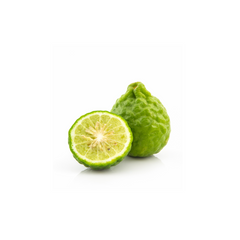
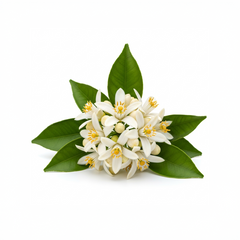
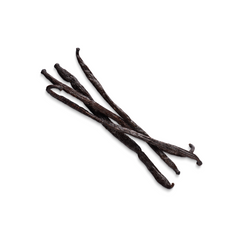
A clementine accord typically blends Clementine Oil (30–35%), Bergamot (20–25%), Orange Blossom (20–25%), and Vanilla (20–25%). Clementine provides the juicy, sweet citrus core through limonene and minor floral aldehydes. Bergamot adds green, slightly bitter facets via linalyl acetate, enhancing complexity. Orange blossom introduces a floral, neroli-like nuance, bridging citrus and floral notes through linalool and nerolidol. Vanilla, rich in vanillin, rounds the accord, softening acidity and extending the sweet impression.

35%

Clementine Oil

30–35% of blend

Provides the juicy, sweet citrus core via limonene and subtle floral aldehydes, delivering immediate freshness.

25%

Bergamot

20–25% of blend

Adds green, slightly bitter facets through linalyl acetate, balancing sweetness and enhancing complexity.

25%

Orange Blossom

20–25% of blend

Introduces floral, neroli-like nuance via linalool and nerolidol, connecting citrus and floral elements.

25%

Vanilla

20–25% of blend

Vanillin softens acidity and extends the sweet impression, providing a creamy, gourmand undertone.

The Olfactory Layers

How Clementine Evolves on Skin

Clementine’s olfactory evolution is rapid: the top note bursts forth within seconds, dominated by high-volatility limonene and minor terpenes. The heart transitions to floral and green nuances, while the base is fleeting, often masked by fixatives or other notes.

I
Top notes
0–15 min
Juicy Citrus Burst

A vivid, juicy burst of sweet citrus, dominated by limonene and gamma-terpinene. The impression is sparkling, fresh, and slightly floral, evoking peeled fruit and zest. High volatility means this stage dissipates quickly, setting the fragrance’s immediate tone.

JuicySparklingSweet
II
Heart notes
20–60 min
Soft Floral Glow

As the top fades, subtle floral and green facets emerge, contributed by linalool and minor aldehydes. The scent softens, blending with white florals or aromatic herbs if present, creating a gentle, accessible bridge to the composition’s core.

FloralGreenSoft
III
Base notes
Several hours
Faint Sweetness

Clementine’s natural oil rarely persists into the base; any lingering sweetness is due to fixatives or pairing notes like vanilla or musk. The base is often a memory of the initial brightness, subtly sweetened by residual vanillin or musks.

FaintSweetClean
TOP NOTES Juicy Citrus Burst 0–15 minutes HEART NOTES Soft Floral Glow 20–60 minutes BASE NOTES Faint Sweetness Several hours
Through the Ages

The Story of Clementine in Perfumery

Clementine’s journey in perfumery spans from its early 20th-century discovery to its modern role as a top-note staple in citrus and gourmand compositions.

1902

Discovery in Algeria

Brother Marie-Clément Rodier identifies the first clementine tree in Misserghin, Algeria, a hybrid of mandarin and sweet orange. The fruit is named in his honor and quickly gains popularity for its seedless, sweet profile.

1920s

Introduction to Mediterranean Agriculture

Clementine cultivation expands across Spain, Italy, and Morocco, with the fruit becoming a winter staple and its essential oil entering early cologne formulas.

1970s

Clementine Oil in Commercial Perfumery

Cold-pressed clementine oil is standardized for perfumery use, appearing in light colognes and holiday-themed blends, often paired with cinnamon and clove.

2007

Modern Citrus Renaissance

Guerlain Aqua Allegoria Mandarine Basilic (Marie Salamagne) showcases clementine’s luminous, juicy top note in a contemporary citrus-floral structure.

2016–2025

Niche and Mainstream Adoption

Atelier Cologne Clementine California (2016) and The 7 Virtues Clementine Dream (2025) cement clementine’s status as a versatile, genderless top note in both niche and mainstream perfumery.

The Art of Layering

How to Layer Clementine

Understanding how to layer clementine is key to maximizing its impact. At a molecular level, clementine’s limonene-rich profile pairs best with notes that share or complement its volatility and olfactory brightness.

01

Enhance Sweetness

Layer clementine with vanilla or tonka bean. Vanillin and coumarin molecules mask sharp citrus edges, creating a creamy, gourmand effect. This pairing is demonstrated in Montblanc Signature, where clementine’s opening is softened by sweet musks and vanilla.

02

Add Green Freshness

Combine clementine with green notes like basil or petitgrain. Shared terpenes (linalool, alpha-pinene) create a seamless transition from citrus to herbal, as seen in Guerlain Aqua Allegoria Mandarine Basilic.

03

Boost Longevity

Layer clementine with woody or musky bases. Fixatives like ambroxan or white musk slow the evaporation of volatile citrus molecules, subtly extending the fresh impression. Atelier Cologne Clementine California uses vetiver and sandalwood for this purpose.

Wear It Right

How to Wear Clementine Like a Pro

Seasonal Guide

Fall & Winter

In cooler temperatures, clementine’s projection is reduced, and its sweetness is more subdued. Layer with warm notes like vanilla, amber, or spices to create a comforting, festive effect. Apply to pulse points under clothing to preserve brightness.

Spring

Spring’s moderate warmth enhances clementine’s juicy, floral facets. Pair with green notes or white florals for a fresh, uplifting effect. Apply lightly to neck and wrists for a clean, sparkling impression.

Summer

High temperatures increase clementine’s volatility, amplifying its projection but shortening longevity. Use as a refreshing, energizing top note in light colognes or body sprays. Reapply as needed to maintain the citrus burst.

Year-Round Tip

For all-season wear, layer clementine with fixatives like musk or woods to extend its presence. Use in moderation to avoid overwhelming the composition, and adjust application based on climate and activity.

Application Points

Strategic application enhances clementine’s fleeting top note and maximizes its fresh impact.

1

Neck

Pulse points on the neck generate heat, accelerating clementine’s evaporation and projection. Ideal for an immediate, vivid citrus impression.

2

Behind the Ears

This area is slightly cooler, allowing clementine’s top note to linger a bit longer and blend with heart notes as the fragrance evolves.

3

Inner Wrists

Frequent movement and warmth from the wrists enhance diffusion, making the juicy citrus burst more noticeable in the first 10–15 minutes.

4

Hair

Spraying lightly on hair provides a subtle, airy diffusion of clementine, as hair holds volatile molecules and releases them gradually.

★

Pro Tip

Layer clementine-based fragrances over unscented moisturizer to slow evaporation and extend the top note’s presence.

Mood Architecture™

Top Clementine Fragrances by Mood Score

These Clementine-based fragrances scored highest on the MEI™ Mood Architecture Framework — measuring how a scent may influence your emotional state.

Highest MEI Score
Fresh Linens — Clean Fresh Linens Alternative Perfume
7.1
MEI™
Primary Romantic
Secondary Confident
Confidence
6.72
Presence
7.25
Mood Lift
7.32
Identity
7.18
Warmth
7.95
Social Ease
7.0
Energy
4.45
" I am beautiful.
View full mood profile →
Artisan — John Varvatos Artisan Alternative Cologne
7.0
MEI™
Primary Fresh
Secondary Romantic
Confidence
6.15
Presence
6.15
Mood Lift
8.25
Identity
5.9
Warmth
7.25
Social Ease
7.5
Energy
5.5
" I am radiant.
View full mood profile →
Allegria Mandarine Basilic — Aqua Allegoria Mandarine Basilic Alternative Perfume
6.4
MEI™
Primary Romantic
Secondary Grounding
Confidence
5.83
Presence
5.95
Mood Lift
6.9
Identity
5.77
Warmth
7.23
Social Ease
6.52
Energy
5.08
" I am beautiful.
View full mood profile →
HumanSafe™

Top Clementine Fragrances by HumanSafe™ Score

These Clementine-based fragrances have the highest product-level HumanSafe™ scores in this ingredient collection.

Highest HumanSafe™ Score
Fresh Linens — Clean Fresh Linens Alternative Perfume
A-
HumanSafe™ Score Generally Safe
Safest Evaluated Ingredients EDP
AQUA Solvent / Carrier ISS 10.0
1,4-DIOXACYCLOHEPTADECANE-5,17-DIONE Evaluated ingredient ISS 10.0
LINALYL ACETATE Evaluated ingredient ISS 7.0
LINALOOL Evaluated ingredient ISS 7.0
CITRONELLOL Evaluated ingredient ISS 7.0
ALCOHOL DENAT. Solvent / Carrier ISS 7.0
View full safety profile →
Artisan — John Varvatos Artisan Alternative Cologne
A-
HumanSafe™ Score Generally Safe
Safest Evaluated Ingredients EDP
AQUA Solvent / Carrier ISS 10.0
1,4-DIOXACYCLOHEPTADECANE-5,17-DIONE Evaluated ingredient ISS 10.0
7-OCTEN-2-OL, 2,6-DIMETHYL- Evaluated ingredient ISS 9.0
LINALYL ACETATE Evaluated ingredient ISS 7.0
LINALOOL Evaluated ingredient ISS 7.0
CITRONELLOL Evaluated ingredient ISS 7.0
View full safety profile →
Allegria Mandarine Basilic — Aqua Allegoria Mandarine Basilic Alternative Perfume
A-
HumanSafe™ Score Generally Safe
Safest Evaluated Ingredients EDP
AQUA Solvent / Carrier ISS 10.0
1,4-DIOXACYCLOHEPTADECANE-5,17-DIONE Evaluated ingredient ISS 10.0
BENZYL SALICYLATE Evaluated ingredient ISS 9.0
3-CYCLOPENTENE-1-ACETALDEHYDE, 2,2,3-TRIMETHYL-, Evaluated ingredient ISS 9.0
CITRAL Evaluated ingredient ISS 8.0
LINALYL ACETATE Evaluated ingredient ISS 7.0
View full safety profile →
Expert Voices

What Masters Say About Clementine

“
Clementine oil is a top-note sweetener and modifier, not a structural pillar. It softens citrus openings that would otherwise read sharp or acidic, and it injects a warm, candied brightness into gourmand and spiced compositions.
Première Peau Editorial
“
Clementine’s scent profile is distinctly softer, sweeter, and less acidic than lemon or lime. While it shares the bright juiciness of a mandarin, it often has a more delicate, almost floral nuance and a rounder, less sharp edge.
CA Perfume Editorial
Common Questions

Frequently Asked Questions

Answers to common questions about clementine in perfumery.

Clementine in perfume delivers a juicy, sweet, and slightly floral citrus aroma. The scent is less acidic than lemon, with a softer, more rounded profile than mandarin. Its main component, limonene, gives an immediate burst of freshness, while subtle floral and green undertones add complexity. The note is fleeting, lasting 1–2 hours, and is often used to create an uplifting, approachable opening in both feminine and unisex fragrances.

Clementine is classified as a top note in perfumery. Its high volatility, due to limonene and other terpenes, means it evaporates quickly, delivering an immediate, vivid citrus impression. It rarely persists into the heart or base of a fragrance unless paired with fixatives or heavier notes.

Clementine’s sweet, juicy, and less acidic profile makes it a versatile top note that appeals to a wide audience. In niche perfumery, it is valued for its ability to soften sharp openings, add a playful, sunlit character, and blend seamlessly with green, floral, or gourmand notes. Its naturalness and accessibility make it a favorite for modern, genderless compositions.

Clementine fragrance uses often involve pairing with bergamot, orange blossom, vanilla, and green notes like basil or petitgrain. These combinations create balanced, multi-faceted accords, with vanilla and musk extending sweetness and longevity, while green notes enhance freshness.

Yes, clementine’s brightness and volatility make it ideal for summer and warm climates. The note projects strongly in heat but fades quickly, providing a refreshing, energizing effect. For longer wear, layer with fixatives or reapply as needed.

Clementine’s natural top note lasts 1–2 hours on skin, reflecting its high volatility. In compositions with fixatives or heavier bases, the citrus impression may linger as a subtle sweetness, but the vivid, juicy opening is short-lived.

Yes, clementine can be layered with gourmand, floral, or woody fragrances. Its limonene-rich profile pairs well with vanilla, musk, and green notes, enhancing sweetness or freshness. Layering extends the citrus effect and customizes the scent experience.

Beginner-friendly clementine perfumes include Atelier Cologne Clementine California, Guerlain Aqua Allegoria Mandarine Basilic, and Montblanc Signature. These fragrances showcase clementine’s juicy, sweet character in accessible, well-balanced blends.

Consider your preferred style—fresh and citrusy, floral, or gourmand. CA Perfume’s collection includes clementine-forward scents in various genres. Sample different blends to find the balance of sweetness, freshness, and longevity that suits your taste.

Clementine’s sweetness is balanced by its citrus freshness and volatility, making it suitable for daily use. In well-constructed blends, it avoids cloying or syrupy effects, instead offering a clean, uplifting impression that works year-round.

Citrus Collection

Explore Our Top Clementine Fragrances

Discover clementine-forward scents in CA Perfume’s curated collection, from sparkling citrus blends to creamy gourmand compositions.

Shop all clementine fragrances at CA Perfume →

Where Clementine Comes From — Origin & Extraction

Clementine (Citrus clementina) originated as a spontaneous hybrid in Misserghin, Algeria, around 1902, discovered by Brother Marie-Clément Rodier. The tree is a cross between willowleaf mandarin (C. deliciosa) and sweet orange (C. sinensis). Today, Spain is the world’s largest producer, accounting for approximately 50% of global clementine exports (over 1.5 million metric tons annually), followed by Morocco, Turkey, Algeria, and Italy. The fruit is cultivated in Mediterranean climates with well-drained soils and mild winters. Clementine essential oil is obtained by cold expression (mechanical pressing) of the outer peel. This process occurs at ambient temperatures (20–25°C) to preserve volatile compounds, especially limonene, which constitutes up to 92% of the oil. The yield is approximately 0.3–0.5% by weight of fresh peel. The oil is filtered to remove waxes and non-volatile residues. Unlike steam distillation, cold expression avoids thermal degradation but results in a more oxidation-prone oil. Natural clementine oil is priced at $60–120/kg, depending on origin and quality, while synthetic citrus aroma chemicals (limonene, citral) cost $10–30/kg. The volatility and rapid oxidation of natural oil present challenges for stability, leading to frequent use of antioxidants and blending with fixatives. Sustainability considerations include the use of by-products from the juice industry, minimizing waste. However, large-scale citrus cultivation can involve significant pesticide and water use. Certified organic clementine oil is available but represents a small fraction of the market.

Famous Fragrances That Define Clementine in Perfumery

Clementine has become a signature note in modern citrus compositions, valued for its sweet, juicy, and approachable character. Atelier Cologne Clementine California (2016, Jérôme Epinette) is a benchmark, using natural clementine as the dominant top note, paired with juniper berry and vetiver for a sunlit, tangy freshness. Guerlain Aqua Allegoria Mandarine Basilic (2007, Marie Salamagne) features clementine alongside mandarin, basil, and orange blossom, creating a luminous, effervescent opening. Montblanc Signature (2020, Guillaume Flavigny) employs clementine as a creamy, sweet introduction to a floral-musk heart. Essential Parfums Fig Infusion (2022, Nathalie Lorson) uses clementine to brighten the fig and tea accord, while The 7 Virtues Clementine Dream (2025) showcases clementine as a sparkling, fruity lead in a modern unisex fragrance. In John Varvatos Artisan Pure (2017, Rodrigo Flores-Roux), clementine is a bridge note, connecting citrus and herbal facets. These examples illustrate clementine’s versatility: as a dominant note (Atelier Cologne), a bridge (John Varvatos), or an accent (Essential Parfums). CA Perfume’s collection draws inspiration from this lineage, offering clementine-forward scents in both classic and contemporary styles.

Natural vs Synthetic Clementine in Perfumery

Natural clementine oil is composed primarily of (R)-limonene (CAS 5989-27-5), with minor constituents such as myrcene (CAS 123-35-3), gamma-terpinene (CAS 99-85-4), and linalool (CAS 78-70-6). Synthetic clementine notes are typically constructed from pure limonene, citral (CAS 5392-40-5), and sweet orange terpenes, sometimes augmented with aldehydes for a more persistent effect. Synthetic versions offer greater stability, consistency, and lower cost—$10–30/kg versus $60–120/kg for natural oil. They also avoid the rapid oxidation and phototoxicity risks associated with natural citrus oils. Performance-wise, synthetic clementine accords last longer and diffuse more evenly, while natural oil provides a more nuanced, multi-layered opening but fades within 1–2 hours. Notable fragrances using natural clementine include Atelier Cologne Clementine California, while many mainstream citrus scents rely on synthetics for longevity. Sustainability is a key factor: synthetics reduce pressure on agricultural land and water resources, but natural oils (especially from juice by-products) can be low-waste. The HumanSafe™ platform at CA Perfume ensures full transparency on ingredient sourcing, allergen content, and IFRA compliance for both natural and synthetic clementine materials. Three key aroma chemicals in synthetic clementine accords are limonene, citral, and decanal.