
Ingredient Guide · Animalic
Animalic Family · Perfumery Note

Civet

Exploring civet's complex musky allure in perfumery

Civet is a base note in perfumery derived from the glandular secretion of civet cats, known for its warm, musky, and slightly fecal scent. The key molecule civetone defines its characteristic animalic profile, used at concentrations below 5%.

Ingredient Profile

Civet

Animalic Family
Family Animalic
Note Position Base Note
Usage Level <5%
Key Origins Ethiopia, Kenya, Tanzania
Iconic In Chanel No. 5, Kouros
The Ingredient

What does Civet smell like and why is it significant in perfumery?

Civet is a complex animalic ingredient derived from the glandular secretions of civet cats, primarily the African civet (Civettictis civetta) and the Indian civet (Viverra zibetha). Its scent profile is dominated by civetone (a macrocyclic ketone, C17H30O), along with indole and skatole, which contribute to its distinctive warm, musky, slightly fecal, and leathery aroma. This unique combination creates a powerful base note that is both provocative and enduring. In perfumery, civet is classified as a base note and is typically used at concentrations below 5%, often between 1-10% in tinctures or absolutes. It acts as a fixative, enhancing the longevity and sillage of fragrances. Civet’s scent evolves on the skin, initially presenting a strong animalic and fecal character that softens into a smooth, musky warmth with subtle sweetness, influenced by the wearer’s body chemistry. Civet in perfumery is renowned for its ability to add depth and sensuality to floral, oriental, and chypre compositions. Iconic fragrances such as Chanel No. 5 (1921) by Ernest Beaux and Calvin Klein Obsession (1985) by Jean Guichard exemplify civet’s use, where it enriches the base with an animalic radiance that blends seamlessly with aldehydes, florals, and resins.

<5%
Typical civet concentration in perfumes is below 5%, balancing its strong animalic character with blend harmony and wearer comfort.
1–2 Sprays
This application amount is sufficient to appreciate civet’s complexity without overwhelming the senses, given its high olfactory impact.
6–8 Hours
Civet’s scent longevity ranges from 6 to 8 hours, supported by its fixative properties and interaction with other base notes.
Origin & Extraction

Where Civet Comes From — Origin & Extraction

Civet's scent character varies with geography, influenced by soil, climate, and animal diet. Key producing regions include East Africa and Southeast Asia, each imparting subtle olfactory nuances.

Civet originates from the perineal glandular secretions of civet cats, primarily the African civet (Civettictis civetta) native to Ethiopia and East Africa, and the Indian civet (Viverra zibetha) found in Nepal, Bangladesh, and Southeast Asia. Ethiopia, historically Abyssinia, remains the classic source for natural civet used in perfumery. The traditional extraction method involves solvent extraction, typically using hydrocarbons or ethanol to produce a civet absolute. The raw secretion is a yellowish paste that requires tincturing and resting for months or years to develop its characteristic scent fully. Modern extraction also includes supercritical CO2 extraction to preserve delicate odorants. Due to animal welfare concerns, civet cats were historically kept in cramped cages and subjected to painful glandular secretion harvesting approximately every ten days. This practice has been largely condemned and is now illegal or heavily restricted under CITES Appendix II regulations. Natural civet absolute costs approximately $3,000–6,000 per kilogram, reflecting its rarity and labor-intensive production. Synthetic civetone and analogues, produced via laboratory synthesis, cost significantly less ($50–200/kg) and offer consistent quality without ethical concerns. Sustainability efforts focus on synthetic replacements, although some artisanal perfumers may still source natural civet under strict regulations.

ET

Ethiopia

Ethiopia, historically Abyssinia, is the classic source of civet. The highland climate and native flora influence the civet cats' diet, producing a secretion with rich, warm, and slightly smoky animalic notes. Ethiopia accounted for the majority of natural civet production until ethical concerns reduced supply. Civet fat was traditionally stored in zebu horns for preservation.

KE

Kenya

Kenya's civet offers a deep and persistent scent profile with complex musky warmth. The region's diverse ecosystems and diet variations contribute to subtle differences in civet aroma, sought after by perfumers for its richness.

TZ

Tanzania

Tanzanian civet is known for a smoother profile with subtle sweet nuances that complement floral and woody notes. The tropical climate and varied vegetation influence the secretion's olfactory characteristics.

MM

Myanmar

Myanmar produces civet with an intense, bold musky character that captures the raw essence of the wild. The humid tropical climate and native flora contribute to a distinctive, powerful animalic scent favored by some artisans.

Chemistry

Natural vs Synthetic Civet in Perfumery

Natural civet absolute is derived from the glandular secretions of civet cats and contains a complex mixture of odorants including civetone (CAS 68916-26-7), indole, and skatole. It is prized for its rich, warm, and animalic scent that evolves uniquely on skin. However, ethical concerns regarding animal welfare and legal restrictions under CITES have led to a decline in its use. Synthetic civetone (CAS 542-46-1) and related aroma chemicals such as dihydrocivetone and civet acetate have largely replaced natural civet in modern perfumery. These synthetics provide a stable, consistent, and ethically sound alternative with similar musky and animalic characteristics. Synthetic civet compounds offer longer shelf life, better batch-to-batch consistency, and lower cost (approximately $50–200/kg) compared to natural civet. Famous fragrances like Calvin Klein Obsession and Parfums de Marly Layton Exclusif utilize synthetic civetone, while some vintage perfumes and niche brands historically employed natural civet. The HumanSafe™ platform promotes transparency and ethical sourcing, favoring synthetic civet for sustainability and animal welfare compliance.

Natural
Civet Absolute
Cost $3,000–6,000/kg
Method Solvent / CO₂
Character Complex, variable
vs
Synthetic
Safranal & Analogues
Cost $50–200/kg
Method Lab synthesis
Character Consistent, stable
Hall of Fame

Famous Fragrances That Define Civet in Perfumery

1921
supporting note

Chanel No. 5

Chanel
by Ernest Beaux
AldehydesJasmineRoseSandalwood
1981
accent

Kouros

Yves Saint Laurent
by Pierre Bourdon
Aromatic herbsWoodsAmber
1985
base note

Obsession

Calvin Klein
by Jean Guichard
AmberSpicesVanilla
2015
dominant note

La Religieuse

Serge Lutens
by Serge Lutens
IncenseFloral accordsResins
2017
supporting note

Layton Exclusif

Parfums de Marly
by Francis Kurkdjian
AmberSpicesSynthetic civetone

Civet has been a defining animalic note in many landmark fragrances, contributing depth, warmth, and sensuality. Chanel No. 5 (1921) by Ernest Beaux famously incorporated natural civet, blending it with aldehydes and florals to create a revolutionary scent that elevated animalic notes to high society. Yves Saint Laurent's Kouros (1981) by Pierre Bourdon used civet to add a bold, masculine animalic edge, paired with aromatic herbs and woods. Calvin Klein Obsession (1985) by Jean Guichard features civet as a sensual base note, enhancing the oriental composition's richness alongside amber and spices. Serge Lutens' La Religieuse (2015) employs civet to impart a dark, mysterious aura, complementing incense and floral accords. Parfums de Marly Layton Exclusif (2017) integrates synthetic civetone to add musky warmth within a modern oriental framework. These fragrances illustrate civet's versatility from vintage to contemporary perfumery. CA Perfume's collection honors this lineage by exploring civet's complex animalic character in ethically conscious formulations.

The Accord

How is a captivating Civet accord crafted?

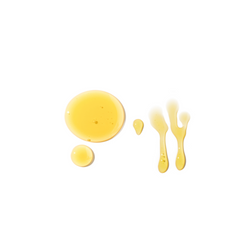
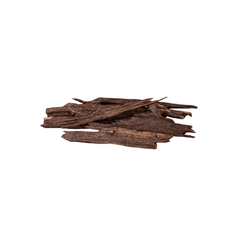
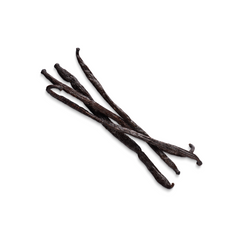
A balanced civet accord typically blends civet (20-25%) with complementary notes that enhance and soften its animalic intensity. White honey (15-20%) adds a sweet, enveloping warmth that contrasts civet's sharpness. Agarwood (oud) (20-25%) contributes resinous, woody depth, harmonizing with civet's musky facets. Vanilla (25-30%) provides creamy smoothness, masking harsh edges and creating a luxurious finish. Each ingredient is chosen for molecular synergy: white honey's sugar compounds soften civetone's animalic ketone, oud's sesquiterpenes blend with civet's muskiness, and vanilla's vanillin masks indolic sharpness.

25%

Civet

20–25% of blend

Civet provides the core animalic muskiness via civetone, delivering warmth and sensual depth essential to the accord.

20%

White Honey

15–20% of blend

White honey adds sweetness and smooths the animalic facets through olfactory masking of civet's sharper notes.

25%

Agarwood (Oud)

20–25% of blend

Oud contributes woody, resinous complexity that harmonizes with civet's musky character via shared sesquiterpene compounds.

30%

Vanilla

25–30% of blend

Vanilla's vanillin softens indolic and fecal notes in civet, enhancing perceived warmth and creamy smoothness.

The Olfactory Layers

How Civet Evolves on Skin

Civet's olfactory evolution spans from an initial sharp, fecal animalic impression to a refined, musky warmth over hours. High-volatility indoles evaporate quickly, revealing smoother civetone and musk compounds that persist as base notes.

I
Top notes
0–15 min
Sharp Animalic Impact

The top phase is marked by volatile indole and skatole compounds, producing a sharp, fecal, and pungent animalic impression. These molecules evaporate rapidly, creating an initial intensity that can be challenging but intriguing.

SharpPungentAnimalic
II
Heart notes
20–60 min
Warm Musky Transition

As the top notes dissipate, civetone and related macrocyclic ketones emerge, softening the scent into a warm, musky, and slightly sweet animalic heart. This phase blends smoothly with floral or resinous notes in the composition.

WarmMuskySmooth
III
Base notes
Several hours
Velvety Musky Finish

The base is dominated by velvety musks and leathery undertones, with civet providing lasting depth and sensuality. Fixative properties enhance longevity and sillage, anchoring the fragrance on skin.

VelvetyLeatheryLong-lasting
TOP NOTES Sharp Animalic Impact 0–15 minutes HEART NOTES Warm Musky Transition 20–60 minutes BASE NOTES Velvety Musky Finish Several hours
Through the Ages

The Story of Civet in Perfumery

Civet's history in perfumery spans ancient Egypt to modern ethical debates, marking its evolution from prized animalic ingredient to largely synthetic substitute.

Antiquity

Civet used in Ancient Egypt

Civet and other animalic notes were valued in ancient Egyptian perfumes and ointments, often reserved for sacred rituals and nobility, highlighting early appreciation of its unique scent.

10th Century

Arabic perfumers pioneer civet use

10th-century Arabic perfumers began using civet, introducing it to wider markets and establishing its role in scenting gloves and other luxury goods.

16th Century

Civet introduced to European perfumery

Civet became known in Europe, used in medicine, perfumery, and consumer products like snuff tobacco, marking its integration into Western fragrance traditions.

1921

Chanel No. 5 launches with civet

Ernest Beaux's Chanel No. 5 incorporated natural civet, revolutionizing perfumery by elevating animalic notes to high society fragrance compositions.

Late 20th Century

Shift to synthetic civetone

Due to ethical concerns and legal restrictions, perfumers transitioned from natural civet to synthetic civetone, ensuring sustainability and animal welfare compliance.

The Art of Layering

How to Layer Civet

Understanding how to layer civet involves molecular compatibility and olfactory masking to balance its potent animalic character.

01

Enhance Sweetness

Layering civet with vanilla or white honey softens its fecal and indolic notes through olfactory masking, where vanillin molecules reduce perceived sharpness. This technique is evident in fragrances like Parfums de Marly Layton Exclusif.

02

Add Depth

Combining civet with agarwood (oud) introduces complementary sesquiterpenes that harmonize the animalic musk with woody resinous tones, creating a complex, layered base as seen in niche oriental compositions.

03

Lighten the Glow

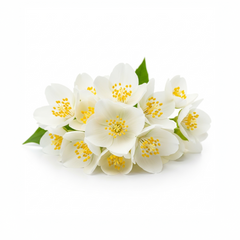
Pairing civet with fresh florals such as rose or jasmine leverages shared indole compounds, creating a molecular bridge that smooths transitions and adds radiance, exemplified by Chanel No. 5’s aldehydic-floral blend.

Wear It Right

How to Wear Civet Like a Pro

Seasonal Guide

Fall & Winter

Cooler temperatures slow civet’s volatility, enhancing longevity and depth. Apply moderately to pulse points for intimate warmth and rich sillage.

Spring

Moderate heat allows civet’s animalic facets to bloom softly. Layer with florals or fresh notes to balance warmth and freshness.

Summer

Heat increases civet’s volatility, potentially intensifying sharp animalic notes. Use sparingly or blend with citrus and aquatic accords to maintain freshness.

Year-Round Tip

Adjust application based on climate; lighter sprays in warm weather and fuller application in cold to optimize civet’s olfactory impact.

Application Points

Strategic application of civet enhances its animalic warmth and longevity.

1

Neck

Pulse points on the neck provide warmth that activates civet’s scent evolution, enhancing projection and sensuality.

2

Behind the Ears

This area’s warmth helps diffuse civet’s animalic notes subtly, creating an intimate aura.

3

Inner Wrists

Applying civet here allows for easy scent diffusion with moderate projection, ideal for personal enjoyment.

4

Hair

Hair fibers retain civet molecules, releasing the scent gradually and extending longevity with a soft trail.

Pro Tip

Layer civet with complementary florals or resins on clothing or skin to balance its intensity and enrich the fragrance complexity.

HumanSafe™

Civet Safety Profile in Our Fragrances

No ingredient collection was found for civet.

Create or connect a collection with the same handle as this ingredient, then add products that contain this ingredient.

Expert Voices

What Masters Say About Civet

Diluted, blended, civet morphs into something altogether lustily musky and inviting, adding warmth and radiance to floral scents especially, and working as a ‘fixative’.
The Perfume Society
Civet absolute delivers an intensely animal-sweet, musky character with warm, smoky undertones that transform from initially fecal into a luxuriously smooth, velvety-soft animalic sweetness upon proper dilution.
Fraterworks
Common Questions

Frequently Asked Questions

Common questions about civet in perfumery answered with detailed insights.

Civet in perfume smells warm, musky, and animalic with a complex scent profile. Initially, it can present a sharp, fecal note due to compounds like indole and skatole, but at typical dilution levels (below 5%), it evolves into a smooth, velvety musk with subtle sweetness and leathery undertones. Iconic perfumes like Chanel No. 5 and Calvin Klein Obsession showcase civet’s transformative scent character.

Civet is classified as a base note in perfumery. Its low volatility and fixative properties allow it to provide lasting warmth and depth to a fragrance, anchoring compositions and enhancing longevity.

Niche perfumers use civet for its unique animalic warmth, sensuality, and complexity, which adds depth and character to compositions. Its ability to evolve on skin and blend with florals and resins makes it a prized ingredient for creating distinctive, long-lasting fragrances.

Civet fragrance uses often pair it with vanilla, white honey, agarwood (oud), rose, jasmine, amber, musk, patchouli, and leather. These notes complement civet’s animalic facets by softening sharp edges or enhancing its warmth and depth, creating harmonious accords.

Civet can be worn in summer, but its animalic notes become more volatile in heat, potentially intensifying sharp facets. It is advisable to use lighter applications or blend civet with fresh or citrus notes to maintain balance and freshness in hot weather.

Civet fragrances typically last 6 to 8 hours due to civet’s fixative properties and its interaction with other base notes, providing enduring sillage and depth.

Yes, layering civet with complementary scents like vanilla, oud, or florals can balance its intensity and create unique, personalized fragrances. Molecular compatibility and olfactory masking principles guide effective layering.

For beginners, civet is best experienced in well-balanced fragrances like Chanel No. 5, Calvin Klein Obsession, or Parfums de Marly Layton Exclusif, where civet is blended to soften its animalic intensity and enhance overall harmony.

CA Perfume offers civet fragrances with transparent ingredient sourcing and ethical considerations. Choose based on desired intensity, complementary notes, and occasion, with access to detailed scent profiles and layering advice.

Civet primarily smells warm, musky, and animalic with subtle sweetness when diluted. It is not inherently spicy but can be blended with spices to create complex accords. Its sweetness arises from molecular interactions that soften its sharp animalic facets.

Animalic Collection

Explore Our Top Civet Fragrances

Discover curated civet-based perfumes showcasing animalic warmth and complexity across classic and modern compositions.

Shop all civet fragrances at CA Perfume →

Where Civet Comes From — Origin & Extraction

Civet originates from the perineal glandular secretions of civet cats, primarily the African civet (Civettictis civetta) native to Ethiopia and East Africa, and the Indian civet (Viverra zibetha) found in Nepal, Bangladesh, and Southeast Asia. Ethiopia, historically Abyssinia, remains the classic source for natural civet used in perfumery. The traditional extraction method involves solvent extraction, typically using hydrocarbons or ethanol to produce a civet absolute. The raw secretion is a yellowish paste that requires tincturing and resting for months or years to develop its characteristic scent fully. Modern extraction also includes supercritical CO2 extraction to preserve delicate odorants. Due to animal welfare concerns, civet cats were historically kept in cramped cages and subjected to painful glandular secretion harvesting approximately every ten days. This practice has been largely condemned and is now illegal or heavily restricted under CITES Appendix II regulations. Natural civet absolute costs approximately $3,000–6,000 per kilogram, reflecting its rarity and labor-intensive production. Synthetic civetone and analogues, produced via laboratory synthesis, cost significantly less ($50–200/kg) and offer consistent quality without ethical concerns. Sustainability efforts focus on synthetic replacements, although some artisanal perfumers may still source natural civet under strict regulations.

Famous Fragrances That Define Civet in Perfumery

Civet has been a defining animalic note in many landmark fragrances, contributing depth, warmth, and sensuality. Chanel No. 5 (1921) by Ernest Beaux famously incorporated natural civet, blending it with aldehydes and florals to create a revolutionary scent that elevated animalic notes to high society. Yves Saint Laurent's Kouros (1981) by Pierre Bourdon used civet to add a bold, masculine animalic edge, paired with aromatic herbs and woods. Calvin Klein Obsession (1985) by Jean Guichard features civet as a sensual base note, enhancing the oriental composition's richness alongside amber and spices. Serge Lutens' La Religieuse (2015) employs civet to impart a dark, mysterious aura, complementing incense and floral accords. Parfums de Marly Layton Exclusif (2017) integrates synthetic civetone to add musky warmth within a modern oriental framework. These fragrances illustrate civet's versatility from vintage to contemporary perfumery. CA Perfume's collection honors this lineage by exploring civet's complex animalic character in ethically conscious formulations.

Natural vs Synthetic Civet in Perfumery

Natural civet absolute is derived from the glandular secretions of civet cats and contains a complex mixture of odorants including civetone (CAS 68916-26-7), indole, and skatole. It is prized for its rich, warm, and animalic scent that evolves uniquely on skin. However, ethical concerns regarding animal welfare and legal restrictions under CITES have led to a decline in its use. Synthetic civetone (CAS 542-46-1) and related aroma chemicals such as dihydrocivetone and civet acetate have largely replaced natural civet in modern perfumery. These synthetics provide a stable, consistent, and ethically sound alternative with similar musky and animalic characteristics. Synthetic civet compounds offer longer shelf life, better batch-to-batch consistency, and lower cost (approximately $50–200/kg) compared to natural civet. Famous fragrances like Calvin Klein Obsession and Parfums de Marly Layton Exclusif utilize synthetic civetone, while some vintage perfumes and niche brands historically employed natural civet. The HumanSafe™ platform promotes transparency and ethical sourcing, favoring synthetic civet for sustainability and animal welfare compliance.