Ingredient Guide · Citrus
Citrus Family · Perfumery Note

Citrus

Zesty, uplifting, and instantly recognizable in every spritz.

Citrus is the quintessential top note in perfumery, prized for its sparkling freshness and immediate impact. Its defining quality comes from high concentrations of limonene and aldehydes, which create a clean, effervescent opening that energizes any composition.

Citrus
Ingredient Profile

Citrus

Citrus Family
Family Citrus
Note Position Base Note
Usage Level 10–30%
Key Origins Italy, Spain, United States
Iconic In Acqua di Parma Colonia, Dior Eau Sauvage
The Ingredient

What does Citrus smell like and why is it so significant in perfumery?

Citrus in perfumery is a broad olfactory family encompassing notes from fruits such as lemon (Citrus limon), orange (Citrus sinensis), bergamot (Citrus bergamia), grapefruit (Citrus paradisi), and others. The scent profile is defined by high levels of d-limonene, which imparts a bright, fresh, and slightly sweet aroma with a terpene-laced, almost effervescent edge. Each citrus variety brings its own nuances: lemon is sharp and crisp, orange is warm and juicy, bergamot is floral and slightly bitter, and grapefruit adds a tart, aromatic bitterness. Trace aldehydes (such as octanal and decanal) contribute to the clean, soapy facets, while unique sulfur compounds like para-menth-1-en-8-thiol give grapefruit its distinctive tropical note. This molecular diversity explains why the question "what does citrus smell like" yields such a wide range of answers, from sparkling and zesty to creamy or even metallic, depending on the fruit and extraction method. In perfumery, citrus is almost exclusively used as a top note due to its high volatility and rapid evaporation rate. Typical concentrations in finished fragrances range from 10–30% in Eau de Cologne to 2–8% in Eau de Parfum, with the actual percentage depending on the desired brightness and longevity. Citrus notes are known for their immediate projection and ability to "lift" heavier compositions, but their fleeting nature means they are often paired with fixatives or anchored by floral, woody, or musky heart and base notes. The interaction of citrus with skin chemistry is pronounced: acidic skin can accentuate the sharpness and green facets, while alkaline skin may bring out sweeter, softer undertones. This variability is a hallmark of the citrus scent profile in perfumery. Citrus in perfumery is exemplified by iconic fragrances such as Dior Eau Sauvage (1966, Edmond Roudnitska), where lemon and bergamot define the opening, and Tom Ford Neroli Portofino (2011, Rodrigo Flores-Roux), which layers bergamot, mandarin, and orange blossom for a Mediterranean effect. In Dolce & Gabbana Light Blue (2001, Olivier Cresp), Sicilian lemon and apple create a crisp, sunlit introduction, while Acqua di Parma Colonia (1916) remains a benchmark for the classic citrus cologne structure. These compositions demonstrate the versatility and enduring appeal of citrus as both a soloist and a supporting player in the olfactory pyramid.

1–2 Hours
The typical longevity of natural citrus top notes on skin, due to the rapid evaporation of limonene and aldehydes. Synthetic fixatives can extend this effect.
10–30%
The concentration range of citrus oils in classic Eau de Cologne formulations, providing a vibrant, immediate impact.
<0.4%
The IFRA-restricted maximum for bergamot oil in leave-on products (unless FCF), due to phototoxic furanocoumarins. Compliance ensures safety in modern perfumery.
Origin & Extraction

Where Citrus Comes From — Origin & Extraction

Citrus oils reflect their terroir, with soil, climate, and cultivation practices shaping the scent profile. Warm, sunny climates and mineral-rich soils yield the most aromatic and complex citrus oils.

Citrus notes in perfumery are derived from the peels of various citrus fruits, primarily from the Rutaceae family. Key species include Citrus limon (lemon), Citrus sinensis (sweet orange), Citrus bergamia (bergamot), Citrus paradisi (grapefruit), and Citrus reticulata (mandarin). The majority of perfumery-grade citrus oils are sourced from regions with optimal climate and soil conditions: Calabria, Italy is responsible for over 80% of global bergamot oil production (approximately 200 metric tons annually), while southern Spain, Brazil, and the United States (notably Florida and California) are leading producers of orange, lemon, and grapefruit oils. India and China also contribute significant volumes, especially for mandarin and lime. The primary extraction method for citrus oils is cold expression (also called cold pressing or expression), which involves mechanically pressing the fruit peel to rupture oil glands and release essential oils. This process occurs at ambient temperatures (typically below 30°C) to preserve volatile compounds such as limonene, linalool, and citral. Yields vary by fruit: orange yields up to 0.3–0.5% oil by weight, while lemon and bergamot yield 0.2–0.3%. Steam distillation is rarely used for citrus peels due to the thermal degradation of delicate monoterpenes. Petitgrain, an exception, is steam-distilled from the leaves and twigs of bitter orange (Citrus aurantium). Natural citrus oils are relatively affordable compared to rare florals, with prices ranging from $20–$80/kg for orange and lemon oil, but bergamot can reach $200–$300/kg due to limited growing regions and labor-intensive harvesting. Synthetic citrus aroma chemicals (e.g., synthetic limonene, citral, and aldehydes) are much less expensive, often under $10/kg, and are used to standardize scent and improve stability. Sustainability concerns include pesticide use, monoculture farming, and the phototoxicity of some citrus oils (notably bergamot and lime, due to furanocoumarins). IFRA restricts the use of certain citrus oils in leave-on products to minimize phototoxic risk, with bergapten-free (FCF) grades now widely available. The industry is moving toward more sustainable sourcing, with some producers adopting organic practices and traceability systems.

IT

Italy

Calabria is renowned for bergamot (Citrus bergamia), grown on coastal slopes with mineral-rich soils and mild winters. Calabria supplies over 80% of global bergamot oil, prized for its floral-green complexity and high linalyl acetate content. PDO status ensures quality and traceability.

ES

Spain

Andalusia and Valencia are major producers of sweet orange and lemon oils. The region's sandy soils and Mediterranean climate yield oils with pronounced juiciness and high limonene content. Spain accounts for over 20% of global citrus oil exports.

US

United States

Florida and California produce large volumes of orange, grapefruit, and lemon oils. Florida's subtropical climate and sandy soils result in sweet, rounded orange oils, while California's cooler nights enhance the brightness and clarity of lemon and grapefruit oils.

BR

Brazil

São Paulo state is the world's largest producer of sweet orange oil, responsible for over 30% of global supply. The region's red clay soils and consistent rainfall yield oils with intense, juicy, and slightly green facets, widely used in commercial perfumery.

Chemistry

Natural vs Synthetic Citrus in Perfumery

Natural citrus oils, such as cold-pressed bergamot, lemon, and orange, are prized for their complexity and authenticity but are highly volatile and prone to oxidation, resulting in limited longevity (typically 1–2 hours on skin). Synthetic citrus molecules, including d-limonene (CAS 5989-27-5), citral (CAS 5392-40-5), and aldehydes such as octanal (CAS 124-13-0) and decanal (CAS 112-31-2), are engineered for greater stability and can extend the fresh, sparkling effect of citrus top notes. Modern perfumery almost always blends natural and synthetic materials to achieve optimal performance, consistency, and cost-effectiveness. Synthetic citrus compounds offer superior longevity and projection, with some (e.g., aldehydes) imparting a "clean" or "soapy" effect that persists well into the heart of the fragrance. Notable examples include Chanel No. 5 (1921, Ernest Beaux), which uses aldehydes to amplify the citrus-floral opening, and Escentric Molecules Molecule 01 + Mandarin (2021), where synthetic mandarin is paired with Iso E Super for a long-lasting, radiant citrus effect. Cost is a significant factor: natural bergamot oil can cost up to $300/kg, while synthetic limonene is available for less than $10/kg. Sustainability is another consideration—synthetics reduce pressure on citrus agriculture and help avoid phototoxicity, but some are derived from petrochemical feedstocks. The HumanSafe™ platform at CA Perfume ensures full transparency and IFRA compliance, with all citrus materials (natural and synthetic) screened for allergens and phototoxic compounds. Key aroma chemicals in citrus perfumery include d-limonene, citral, octanal, decanal, and linalool.

Natural
Citrus Absolute
Cost $3,000–6,000/kg
Method Solvent / CO₂
Character Complex, variable
vs
Synthetic
Safranal & Analogues
Cost $50–200/kg
Method Lab synthesis
Character Consistent, stable
Hall of Fame

Famous Fragrances That Define Citrus in Perfumery

1916
dominant note

Acqua di Parma Colonia

Acqua di Parma
lavendervetiverrosesandalwood
1966
dominant note

Dior Eau Sauvage

Christian Dior
by Edmond Roudnitska
hedioneoakmossrosemarybasil
2011
dominant note

Tom Ford Neroli Portofino

Tom Ford
by Rodrigo Flores-Roux
orange blossomambermuskneroli
2001
dominant note

Dolce & Gabbana Light Blue

Dolce & Gabbana
by Olivier Cresp
green applebamboocedaramber
1999
bridge note

Jo Malone Lime Basil & Mandarin

Jo Malone
by Jo Malone
basilthymeamberwoodvetiver

Citrus notes have shaped perfumery from the earliest Eau de Cologne to contemporary niche compositions. Acqua di Parma Colonia (1916) is a landmark, blending Sicilian citrus (lemon, sweet orange, Calabrian bergamot) with lavender and vetiver for a timeless, sparkling profile. Dior Eau Sauvage (1966, Edmond Roudnitska) introduced a luminous citrus opening (lemon, bergamot) over a mossy, aromatic heart, setting a new standard for masculine freshness. Tom Ford Neroli Portofino (2011, Rodrigo Flores-Roux) modernized the Mediterranean citrus cologne with bergamot, mandarin, and orange blossom, anchored by amber and musk. Dolce & Gabbana Light Blue (2001, Olivier Cresp) features Sicilian lemon and green apple, creating a crisp, sunlit effect that has become iconic for summer wear. Jo Malone Lime Basil & Mandarin (1999, Jo Malone) demonstrates the versatility of citrus as both a dominant and a bridging note, pairing lime and mandarin with aromatic basil for a contemporary, unisex signature. These fragrances illustrate the range of citrus fragrance uses—from dominant top notes to supporting roles that lift and clarify complex blends. CA Perfume’s collection draws inspiration from this lineage, offering citrus-led compositions that honor both tradition and innovation.

The Accord

How is a captivating Citrus accord crafted?

A classic citrus accord balances freshness, complexity, and longevity. Typical proportions: Bergamot 25–30%, Lemon 20–25%, Orange Blossom 20–25%, Vetiver 25–30%. Bergamot provides a floral-green lift (linalyl acetate, linalool), lemon sharpens with high d-limonene, orange blossom bridges citrus and floral facets (nerolidol, linalool), and vetiver anchors the blend with earthy, woody depth (vetiverol, vetiveryl acetate), extending the fleeting citrus top notes.

30%

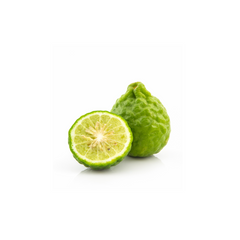
Bergamot

25–30% of blend

Bergamot oil contains linalyl acetate and linalool, providing a floral-green, slightly bitter lift that smooths and refines the citrus accord.

25%

Lemon

20–25% of blend

Lemon oil is rich in d-limonene and citral, imparting sharp, clean, high-pitched freshness that brightens and energizes the top notes.

25%

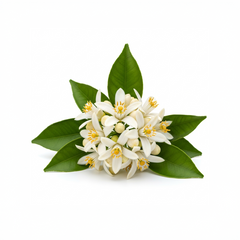
Orange Blossom

20–25% of blend

Orange blossom absolute introduces nerolidol and linalool, bridging citrus and floral facets and extending the citrus effect into the heart.

30%

Vetiver

25–30% of blend

Vetiver oil (vetiverol, vetiveryl acetate) anchors the accord, providing earthy, woody depth and fixative properties that prolong the citrus impression.

The Olfactory Layers

How Citrus Evolves on Skin

Citrus notes dominate the opening of a fragrance, evolving rapidly due to their high volatility. The olfactory pyramid transitions from a sparkling, zesty burst to a soft, lingering freshness as lighter molecules evaporate and heart/base notes emerge.

I
Top notes
0–15 min
Zesty Sparkle

The initial impression is a vibrant, effervescent burst of lemon, orange, or bergamot, driven by high concentrations of d-limonene and aldehydes. These small, volatile molecules evaporate quickly, creating a bright, uplifting effect that defines the opening of most citrus fragrances.

zestysparklingfresh
II
Heart notes
20–60 min
Green Freshness

As the top notes fade, softer citrus facets (neroli, petitgrain) and floral or herbal companions (lavender, basil) emerge. Linalool and linalyl acetate provide a green, slightly floral character, while residual aldehydes maintain a clean, soapy freshness.

greenfloralclean
III
Base notes
Several hours
Soft Residue

Citrus rarely persists into the base, but when anchored by musks, woods, or amber, subtle traces of citrus sweetness and zest linger. Fixatives like vetiver or ambergris extend the citrus effect, while heavier molecules (vetiverol, muscone) dominate.

softwoodymusky
TOP NOTES Zesty Sparkle 0–15 minutes HEART NOTES Green Freshness 20–60 minutes BASE NOTES Soft Residue Several hours
Through the Ages

The Story of Citrus in Perfumery

Citrus has a storied history in perfumery, from ancient scented oils to the modern cologne tradition and contemporary niche blends.

Ancient Egypt & Rome

Citrus Oils in Antiquity

Citrus peels were used in scented balms and oils by Egyptians, Greeks, and Romans, valued for their refreshing aroma and ritual significance.

14th Century

Hungary Water

One of the first alcohol-based perfumes, Hungary Water, included citrus elements such as bergamot and rosemary, setting a precedent for citrus in European perfumery.

1709

Eau de Cologne Invented

Johann Maria Farina creates the original Eau de Cologne in Cologne, Germany, blending lemon, bergamot, and neroli for a revolutionary fresh fragrance.

1916

Acqua di Parma Colonia

Acqua di Parma launches Colonia, a citrus-dominated fragrance that becomes a benchmark for the modern cologne structure.

1966–Present

Modern Citrus Innovations

Dior Eau Sauvage (1966) and Tom Ford Neroli Portofino (2011) showcase new ways to extend and layer citrus, using both natural and synthetic materials for greater longevity and complexity.

The Art of Layering

How to Layer Citrus

Understanding how to layer citrus is key to maximizing its impact. Citrus molecules (limonene, citral) are highly volatile, so pairing with heavier, less volatile notes (woods, musks, florals) creates molecular bridges that extend freshness and add complexity.

01

Enhance Freshness

Layering citrus with green notes (mint, basil) or aquatic accords amplifies the crisp, invigorating effect. Shared terpenic structures (e.g., in mint and basil) reinforce the citrus brightness, as seen in Jo Malone Lime Basil & Mandarin.

02

Add Depth

Pairing citrus with woody notes (cedar, vetiver) or amber creates a molecular anchor, slowing the evaporation of citrus molecules. This technique is used in Dior Eau Sauvage, where oakmoss and vetiver extend the citrus opening into the heart and base.

03

Soften the Edge

Combining citrus with florals (neroli, jasmine) or musks smooths sharp facets through olfactory masking and synergistic effects. In Tom Ford Neroli Portofino, orange blossom and musk round out the citrus, creating a creamy, lingering finish.

Wear It Right

How to Wear Citrus Like a Pro

Seasonal Guide

Fall & Winter

Cooler temperatures suppress the volatility of citrus molecules, resulting in a softer, more subdued projection. To maintain freshness, apply citrus fragrances to pulse points under clothing and consider layering with warmer notes (woods, amber) to extend wear.

Spring

Spring’s moderate temperatures and rising humidity enhance the clarity and brightness of citrus notes. Apply to exposed skin for a crisp, uplifting effect that complements the season’s renewal.

Summer

Heat accelerates the evaporation of citrus top notes, intensifying their initial impact but shortening longevity. Apply sparingly to avoid overwhelming projection, and reapply as needed. Avoid direct sun exposure with phototoxic citrus oils.

Year-Round Tip

Citrus fragrances can be adapted year-round by adjusting application and layering. In humid climates, citrus notes maintain their freshness longer, while in dry conditions, pairing with musks or woods helps anchor the fleeting top notes.

Application Points

Strategic application maximizes the freshness and projection of citrus notes.

1

Neck

Applying citrus to the neck leverages body heat for rapid diffusion, creating an immediate, enveloping freshness. The warmth accelerates evaporation, ideal for a quick burst of brightness.

2

Behind the Ears

This area provides moderate warmth and is less exposed to air, allowing citrus notes to linger slightly longer and interact with skin chemistry for a nuanced effect.

3

Inner Wrists

Pulse points on the wrists generate heat, intensifying the citrus opening. Frequent movement disperses the scent, but rapid evaporation means reapplication may be needed.

4

Hair

Spraying citrus lightly on hair or clothing can extend its presence, as fibers retain volatile molecules and release them gradually with movement.

Pro Tip

Layer citrus over a light, unscented moisturizer to slow evaporation and enhance longevity. Avoid applying to sun-exposed skin if using phototoxic oils.

Mood Architecture™

Top Citrus Fragrances by Mood Score

These Citrus-based fragrances scored highest on the MEI™ Mood Architecture Framework — measuring how a scent may influence your emotional state.

Highest MEI Score
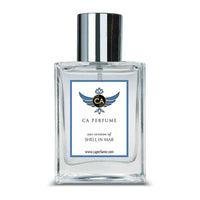
Shell in Mar — Shalimar Alternative Perfume
8.26
MEI™
Primary Romantic
Secondary Confident
Confidence
7.16
Presence
6.91
Mood Lift
9.5
Identity
7.66
Warmth
9.5
Social Ease
9.01
Energy
3.7
" I am beautiful.
View full mood profile →
Chanova L'eau Rouge — No:1 L'eau Rouge Alternative Perfume
7.74
MEI™
Primary Fresh
Secondary Romantic
Confidence
7.21
Presence
7.5
Mood Lift
8.73
Identity
7.77
Warmth
7.66
Social Ease
8.24
Energy
3.2
" I am radiant.
View full mood profile →
Essence of Belle Gabriel — Gabrielle Essence Alternative Perfume
7.73
MEI™
Primary Fresh
Secondary Romantic
Confidence
6.53
Presence
7.27
Mood Lift
9.5
Identity
6.85
Warmth
8.82
Social Ease
7.75
Energy
3.1
" I am radiant.
View full mood profile →
Darcy — Parfums De Marly Darcy Alternative Perfume
7.6
MEI™
Primary Fresh
Secondary Romantic
Confidence
6.95
Presence
7.79
Mood Lift
8.76
Identity
7.41
Warmth
8.07
Social Ease
7.42
Energy
3.4
" I am radiant.
View full mood profile →
HumanSafe™

Top Citrus Fragrances by HumanSafe™ Score

These Citrus-based fragrances have the highest product-level HumanSafe™ scores in this ingredient collection.

Highest HumanSafe™ Score
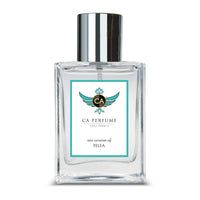
Telea — Tiziana Terenzi Telea Alternative Perfume
A-
HumanSafe™ Score Generally Safe
Safest Evaluated Ingredients EDP
OXACYCLOHEPTADEC-10-EN-2-ONE Evaluated ingredient ISS 10.0
AQUA Solvent / Carrier ISS 10.0
1,4-DIOXACYCLOHEPTADECANE-5,17-DIONE Evaluated ingredient ISS 10.0
LINALYL ACETATE Evaluated ingredient ISS 7.0
LINALOOL Evaluated ingredient ISS 7.0
CYCLOHEXANEPROPANOL, 2,2,6-TRIMETHYL-.ALPHA.-PROPYL- Evaluated ingredient ISS 7.0
View full safety profile →
Shell in Mar — Shalimar Alternative Perfume
A-
HumanSafe™ Score Generally Safe
Safest Evaluated Ingredients EDP
AQUA Solvent / Carrier ISS 10.0
2-OXABICYCLO[2.2.2]OCTANE, 1,3,3-TRIMETHYL- EYE IRRITATION - CAT.2B [H320] Evaluated ingredient ISS 9.0
3-BUTEN-2-ONE, 3-METHYL-4-(2,6,6-TRIMETHYL-2- Evaluated ingredient ISS 8.0
2H-1-BENZOPYRAN-2-ONE Evaluated ingredient ISS 8.0
LINALYL ACETATE Evaluated ingredient ISS 7.0
LINALOOL Evaluated ingredient ISS 7.0
View full safety profile →
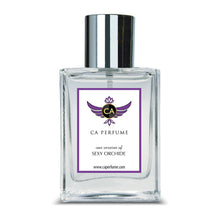
Sexy Orchide — Very Sexy Orchide Alternative Perfume
A-
HumanSafe™ Score Generally Safe
Safest Evaluated Ingredients EDP
AQUA Solvent / Carrier ISS 10.0
2H-1-BENZOPYRAN-2-ONE Evaluated ingredient ISS 8.0
LINALYL ACETATE Evaluated ingredient ISS 7.0
LINALOOL Evaluated ingredient ISS 7.0
ALCOHOL DENAT. Solvent / Carrier ISS 7.0
2H-INDENO[4,5-B]FURAN, DECAHYDRO-2,2,6,6,7,8,8- Evaluated ingredient ISS 7.0
View full safety profile →
Purve Royal Eau de Cologne — La Collection Privee Cologne Royale Alternative Cologne
A-
HumanSafe™ Score Generally Safe
Safest Evaluated Ingredients EDP
AQUA Solvent / Carrier ISS 10.0
1,4-DIOXACYCLOHEPTADECANE-5,17-DIONE Evaluated ingredient ISS 10.0
AMBROXIDE Evaluated ingredient ISS 9.0
2-OXABICYCLO[2.2.2]OCTANE, 1,3,3-TRIMETHYL- Evaluated ingredient ISS 9.0
2,6-OCTADIEN-1-OL, 3,7-DIMETHYL-, ACETATE, (Z)- Evaluated ingredient ISS 9.0
LINALYL ACETATE Evaluated ingredient ISS 7.0
View full safety profile →
Expert Voices

What Masters Say About Citrus

"When analyzing composition, most citrus essential oils are dominated by a single compound: d-limonene, which smells like a generic, slightly terpene-laced orange. It’s fresh, faintly sweet, with a turpentine-like edge."
Fragrantica Editorial
Citrus notes are essential for their ability to provide an immediate, uplifting freshness and to bridge complex accords. Their volatility is both a challenge and a creative opportunity in modern perfumery.
CA Perfume Editorial
Common Questions

Frequently Asked Questions

Answers to the most common questions about citrus in perfumery.

Citrus in perfume smells fresh, zesty, and effervescent, with nuances that range from sharp and green (lemon, lime) to sweet and floral (orange, bergamot). The dominant molecule, d-limonene, imparts a bright, slightly sweet aroma, while aldehydes and trace sulfur compounds add complexity. Citrus is most often used as a top note, providing an immediate burst of energy and clarity. The scent profile can be creamy, metallic, or even slightly bitter, depending on the specific fruit and extraction method. Notable examples include the sparkling opening of Dior Eau Sauvage and the Mediterranean freshness of Tom Ford Neroli Portofino.

Citrus is almost exclusively used as a top note in fragrance due to its high volatility and rapid evaporation. Molecules like limonene and citral evaporate quickly, delivering an immediate, uplifting effect that defines the opening of many perfumes. Citrus rarely persists into the heart or base, but can be extended with fixatives or by pairing with heavier notes.

Citrus is favored in niche perfumery for its versatility, ability to clarify complex compositions, and its universal appeal. Its molecular profile allows it to blend seamlessly with florals, woods, and spices, creating unique, modern interpretations. Niche perfumers often experiment with rare citrus varieties (yuzu, chinotto) or innovative layering techniques to create distinctive, memorable openings.

Citrus fragrance uses include pairing with florals (neroli, jasmine), herbs (basil, mint), woods (cedar, vetiver), and musks. These combinations create molecular bridges that extend freshness, add depth, or soften sharp facets. For example, citrus and vetiver provide a crisp, clean effect, while citrus and orange blossom offer a creamy, floral transition.

Citrus perfumes are ideal for summer and hot weather due to their refreshing, light character and rapid diffusion. Heat increases the volatility of citrus molecules, intensifying the initial impact but shortening longevity. To maximize performance, apply sparingly and reapply as needed, and avoid direct sun exposure with phototoxic oils.

Natural citrus top notes typically last 1–2 hours on skin due to their volatility. Synthetic fixatives or pairing with heavier notes can extend the citrus effect into the heart and base, but the sparkling freshness is inherently fleeting. Eau de Cologne formats may require frequent reapplication.

Yes, citrus can be layered with a wide range of fragrances to enhance freshness, add depth, or create unique effects. Layering with woods, musks, or florals extends the citrus impression and creates a personalized scent profile. Apply the citrus fragrance first, followed by heavier notes.

Excellent entry points include Acqua di Parma Colonia, Dior Eau Sauvage, Tom Ford Neroli Portofino, and Jo Malone Lime Basil & Mandarin. These fragrances showcase the versatility and appeal of citrus, offering both classic and modern interpretations.

Consider the specific citrus profile you prefer (sharp, sweet, floral), the desired longevity, and the season or occasion. CA Perfume offers a range of citrus-led compositions, all HumanSafe™ verified for allergen and phototoxicity compliance. Sampling is recommended to find your ideal match.

Citrus can smell both sweet and sharp, depending on the fruit and composition. Lemon and grapefruit are typically sharper and more astringent, while orange and mandarin are sweeter and juicier. Bergamot offers a floral, slightly bitter nuance. The overall effect is determined by the blend of molecules and supporting notes.

Citrus Collection

Explore Our Top Citrus Fragrances

Discover CA Perfume’s curated selection of citrus-led fragrances, featuring both classic colognes and modern blends that showcase the sparkling versatility of citrus notes.

Shop all citrus fragrances at CA Perfume →

Where Citrus Comes From — Origin & Extraction

Citrus notes in perfumery are derived from the peels of various citrus fruits, primarily from the Rutaceae family. Key species include Citrus limon (lemon), Citrus sinensis (sweet orange), Citrus bergamia (bergamot), Citrus paradisi (grapefruit), and Citrus reticulata (mandarin). The majority of perfumery-grade citrus oils are sourced from regions with optimal climate and soil conditions: Calabria, Italy is responsible for over 80% of global bergamot oil production (approximately 200 metric tons annually), while southern Spain, Brazil, and the United States (notably Florida and California) are leading producers of orange, lemon, and grapefruit oils. India and China also contribute significant volumes, especially for mandarin and lime. The primary extraction method for citrus oils is cold expression (also called cold pressing or expression), which involves mechanically pressing the fruit peel to rupture oil glands and release essential oils. This process occurs at ambient temperatures (typically below 30°C) to preserve volatile compounds such as limonene, linalool, and citral. Yields vary by fruit: orange yields up to 0.3–0.5% oil by weight, while lemon and bergamot yield 0.2–0.3%. Steam distillation is rarely used for citrus peels due to the thermal degradation of delicate monoterpenes. Petitgrain, an exception, is steam-distilled from the leaves and twigs of bitter orange (Citrus aurantium). Natural citrus oils are relatively affordable compared to rare florals, with prices ranging from $20–$80/kg for orange and lemon oil, but bergamot can reach $200–$300/kg due to limited growing regions and labor-intensive harvesting. Synthetic citrus aroma chemicals (e.g., synthetic limonene, citral, and aldehydes) are much less expensive, often under $10/kg, and are used to standardize scent and improve stability. Sustainability concerns include pesticide use, monoculture farming, and the phototoxicity of some citrus oils (notably bergamot and lime, due to furanocoumarins). IFRA restricts the use of certain citrus oils in leave-on products to minimize phototoxic risk, with bergapten-free (FCF) grades now widely available. The industry is moving toward more sustainable sourcing, with some producers adopting organic practices and traceability systems.

Famous Fragrances That Define Citrus in Perfumery

Citrus notes have shaped perfumery from the earliest Eau de Cologne to contemporary niche compositions. Acqua di Parma Colonia (1916) is a landmark, blending Sicilian citrus (lemon, sweet orange, Calabrian bergamot) with lavender and vetiver for a timeless, sparkling profile. Dior Eau Sauvage (1966, Edmond Roudnitska) introduced a luminous citrus opening (lemon, bergamot) over a mossy, aromatic heart, setting a new standard for masculine freshness. Tom Ford Neroli Portofino (2011, Rodrigo Flores-Roux) modernized the Mediterranean citrus cologne with bergamot, mandarin, and orange blossom, anchored by amber and musk. Dolce & Gabbana Light Blue (2001, Olivier Cresp) features Sicilian lemon and green apple, creating a crisp, sunlit effect that has become iconic for summer wear. Jo Malone Lime Basil & Mandarin (1999, Jo Malone) demonstrates the versatility of citrus as both a dominant and a bridging note, pairing lime and mandarin with aromatic basil for a contemporary, unisex signature. These fragrances illustrate the range of citrus fragrance uses—from dominant top notes to supporting roles that lift and clarify complex blends. CA Perfume’s collection draws inspiration from this lineage, offering citrus-led compositions that honor both tradition and innovation.

Natural vs Synthetic Citrus in Perfumery

Natural citrus oils, such as cold-pressed bergamot, lemon, and orange, are prized for their complexity and authenticity but are highly volatile and prone to oxidation, resulting in limited longevity (typically 1–2 hours on skin). Synthetic citrus molecules, including d-limonene (CAS 5989-27-5), citral (CAS 5392-40-5), and aldehydes such as octanal (CAS 124-13-0) and decanal (CAS 112-31-2), are engineered for greater stability and can extend the fresh, sparkling effect of citrus top notes. Modern perfumery almost always blends natural and synthetic materials to achieve optimal performance, consistency, and cost-effectiveness. Synthetic citrus compounds offer superior longevity and projection, with some (e.g., aldehydes) imparting a "clean" or "soapy" effect that persists well into the heart of the fragrance. Notable examples include Chanel No. 5 (1921, Ernest Beaux), which uses aldehydes to amplify the citrus-floral opening, and Escentric Molecules Molecule 01 + Mandarin (2021), where synthetic mandarin is paired with Iso E Super for a long-lasting, radiant citrus effect. Cost is a significant factor: natural bergamot oil can cost up to $300/kg, while synthetic limonene is available for less than $10/kg. Sustainability is another consideration—synthetics reduce pressure on citrus agriculture and help avoid phototoxicity, but some are derived from petrochemical feedstocks. The HumanSafe™ platform at CA Perfume ensures full transparency and IFRA compliance, with all citrus materials (natural and synthetic) screened for allergens and phototoxic compounds. Key aroma chemicals in citrus perfumery include d-limonene, citral, octanal, decanal, and linalool.