Ingredient Guide · Citrus
Citrus Family · Perfumery Note

Citrus Fruits

The vibrant top note that defines modern freshness.

Citrus fruits are the quintessential top notes in perfumery, prized for their luminous, volatile freshness. Their scent profile is shaped by d-limonene and nuanced aldehydes, used at 10–30% concentration for immediate impact.

Ingredient Profile

Citrus Fruits

Citrus Family
Family Citrus
Note Position Top Note
Usage Level 10–30% of formula
Key Origins Italy, Spain, Brazil
Iconic In Acqua di Parma Colonia, Dior Eau Sauvage
The Ingredient

What does Citrus Fruits smell like and why are they essential in perfumery?

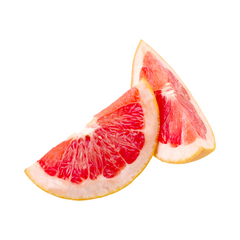
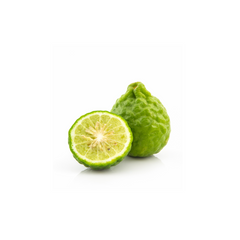
Citrus fruits in perfumery are defined by their bright, effervescent, and zesty scent profile. The primary molecular component, d-limonene (C10H16), imparts a fresh, slightly sweet, terpene-laced orange aroma with a faint turpentine edge. Limonene can constitute over 90% of some citrus oils, while trace aldehydes such as octanal and decanal contribute sharp, waxy, or soapy facets. Each citrus fruit—bergamot, lemon, orange, grapefruit, yuzu, and others—offers a unique olfactory signature, but all share this volatile, uplifting character. The presence of aldehydes and minor sulfur compounds (e.g., grapefruit mercaptan) further differentiates individual citrus notes, creating a complex yet instantly recognizable freshness. This molecular complexity answers the question: what does citrus fruits smell like? The answer is a spectrum from green and floral (bergamot) to tart and metallic (yuzu) to sweet and juicy (mandarin). In perfumery, citrus fruits are almost universally used as top notes due to their high volatility and rapid evaporation rate. They typically comprise 10–30% of a fragrance’s composition, setting the initial tone and providing an immediate sense of clarity and brightness. On skin, their volatility means they project strongly at first but dissipate within 15–30 minutes, making them ideal for opening a fragrance and enhancing the diffusion of heavier notes. The interaction with skin chemistry—especially pH and moisture—can slightly alter their perceived sharpness or sweetness, but their essential freshness remains constant. Citrus fruits in perfumery are not only about the initial impact; they also serve as molecular bridges, smoothing transitions between disparate notes and enhancing the overall wearability of complex compositions. Notable fragrances that exemplify the use of citrus fruits include Dior Eau Sauvage (1966, Edmond Roudnitska), where lemon and bergamot define the archetype of the modern citrus aromatic, and Acqua di Parma Colonia (1916), which showcases a blend of lemon, sweet orange, and Calabrian bergamot as the luminous top accord. More recently, Atelier Cologne Orange Sanguine (2010, Ralf Schwieger) demonstrates the photorealistic, juicy potential of modern citrus extraction, while Chanel Allure Homme Sport (2004, Jacques Polge) uses citrus to create a dynamic, athletic freshness. These examples illustrate how citrus fruits in perfumery remain foundational, versatile, and enduring.

10–30% of formula
Citrus notes typically comprise 10–30% of a fragrance’s composition, providing immediate impact as top notes but requiring support from fixatives for longevity.
15–30 minutes
The average persistence of citrus top notes on skin is 15–30 minutes, reflecting their high volatility and low molecular weight.
$20–$300/kg
Natural citrus oils range from $20/kg (orange, lemon) to $300/kg (bergamot), while synthetic substitutes cost $5–$20/kg, influencing both formulation and sustainability.
Origin & Extraction

Where Citrus Fruits Comes From — Origin & Extraction

The scent character of citrus fruits is deeply influenced by geography—soil, climate, and cultivation practices shape the oil’s aroma and yield.

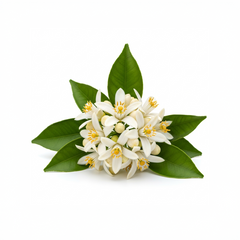
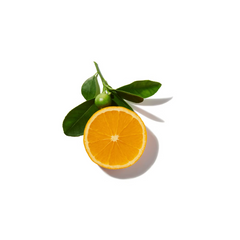
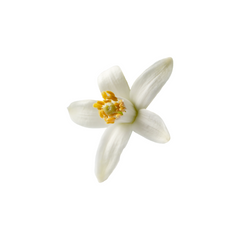
Citrus fruits used in perfumery are primarily sourced from the peels of species in the Rutaceae family, including Citrus limon (lemon), Citrus sinensis (sweet orange), Citrus aurantium (bitter orange, bergamot), Citrus paradisi (grapefruit), Citrus reticulata (mandarin), and others. The leading producers are Italy (notably Calabria for bergamot, ~90% of global supply, ~110 tons/year), Spain (Valencia oranges, lemons), Brazil (largest global orange producer), and India (mandarins, limes). Citrus essential oils are extracted almost exclusively by cold pressing (expression), a mechanical process that ruptures oil glands in the peel without heat, preserving the volatile monoterpenes and aldehydes. The yield varies by fruit: approximately 3–5 kg of lemon or orange peels are required to produce 1 kg of essential oil. After pressing, the oil-water emulsion is separated by centrifugation. Steam distillation is rarely used for peel oils due to the thermal degradation of limonene and aldehydes, but it is applied to leaves and twigs (yielding petitgrain) and blossoms (yielding neroli). Modern innovations include supercritical CO2 extraction, which operates at low temperatures and preserves delicate aroma compounds, and molecular distillation, which can fractionate oils to remove phototoxic furocoumarins (notably in bergamot). Natural citrus oils range from $20–$100/kg (orange, lemon) to $150–$300/kg (bergamot), while synthetic substitutes (e.g., synthetic limonene, citral, aldehydes) cost $5–$20/kg. Sustainability concerns include pesticide use, water consumption, and the phototoxicity of some natural oils. The citrus industry faces volatility due to disease (e.g., citrus greening) and climate change, prompting increased use of synthetics and CO2-extracted oils for consistency and safety.

IT

Italy

Calabria is the world’s leading source of bergamot, with volcanic soils and coastal microclimates yielding oils prized for their floral-green complexity. Calabria supplies ~90% of global bergamot, with strict PDO standards ensuring quality and traceability.

ES

Spain

Valencia and Murcia produce high volumes of sweet orange and lemon oils. The region’s sandy soils and Mediterranean climate yield oils with pronounced juiciness and a balanced sweet-acidic profile. Spain accounts for ~30% of global lemon oil exports.

BR

Brazil

São Paulo state is the world’s largest producer of sweet orange oil, with large-scale orchards and mechanical harvesting. Brazilian orange oil is known for its high limonene content and is a staple in commercial perfumery.

IN

India

Nagpur and Assam regions are major sources of mandarin and lime oils. The monsoonal climate and alluvial soils produce oils with a tangy, spicy edge. India is a leading supplier of lime oil for both perfumery and flavor industries.

Chemistry

Natural vs Synthetic Citrus Fruits in Perfumery

Natural citrus oils are complex mixtures dominated by d-limonene (CAS 5989-27-5), with minor components such as citral (CAS 5392-40-5), octanal (CAS 124-13-0), and decanal (CAS 112-31-2) contributing to the nuanced scent profile. Synthetic versions replicate these molecules for greater stability, consistency, and cost-effectiveness. Synthetic limonene is chemically identical to its natural counterpart but is less prone to oxidation and phototoxicity. Citral and aldehydes are also produced synthetically to mimic the sharp, fresh facets of natural citrus. Performance-wise, synthetic citrus notes offer improved longevity and reduced allergenicity compared to natural oils, which are highly volatile and can cause skin sensitization (notably bergapten in bergamot). Many modern fragrances blend both forms: natural oils for authenticity, synthetics for tenacity and safety. For example, Chanel Allure Homme Sport uses both natural citrus and synthetic aldehydes, while Mugler Cologne (2001) relies heavily on synthetic citrus molecules for a persistent, clean effect. Cost is a major factor: natural bergamot oil can exceed $200/kg, while synthetic limonene is under $20/kg. Sustainability and supply chain stability favor synthetics, especially as citrus crops face disease and climate threats. CA Perfume’s HumanSafe™ platform ensures all citrus ingredients are transparently sourced and IFRA-compliant, with phototoxic components minimized or removed.

Natural
Citrus Fruits Absolute
Cost $3,000–6,000/kg
Method Solvent / CO₂
Character Complex, variable
vs
Synthetic
Safranal & Analogues
Cost $50–200/kg
Method Lab synthesis
Character Consistent, stable
Hall of Fame

Famous Fragrances That Define Citrus Fruits in Perfumery

1916
dominant note

Acqua di Parma Colonia

Acqua di Parma
lavendervetiverrosesandalwood
1966
dominant note

Dior Eau Sauvage

Dior
by Edmond Roudnitska
hedioneoakmossbasilrosemary
2004
accent

Chanel Allure Homme Sport

Chanel
by Jacques Polge
aldehydessea notestonka beanwhite musk
2010
dominant note

Atelier Cologne Orange Sanguine

Atelier Cologne
by Ralf Schwieger
bitter orangejasminesandalwood
1999
dominant note

Guerlain Aqua Allegoria Pamplelune

Guerlain
by Jean-Paul Guerlain, Mathilde Laurent
patchoulivanillablackcurrant

Citrus fruits have defined entire genres of perfumery, from the earliest eaux de cologne to contemporary niche creations. Acqua di Parma Colonia (1916) set the standard for citrus colognes with its blend of Sicilian lemon, Calabrian bergamot, and sweet orange, functioning as a dominant top accord and paired with lavender and vetiver. Dior Eau Sauvage (1966, Edmond Roudnitska) revolutionized the aromatic citrus genre, using lemon and bergamot as a sparkling introduction to a heart of hedione and oakmoss. Chanel Allure Homme Sport (2004, Jacques Polge) demonstrates the modern use of citrus fruits as a dynamic, athletic top note, with mandarin and orange zest brightening aquatic and woody accords. Atelier Cologne Orange Sanguine (2010, Ralf Schwieger) is a benchmark for photorealistic citrus, using high concentrations of blood orange and bitter orange for a juicy, naturalistic effect. Guerlain Aqua Allegoria Pamplelune (1999, Jean-Paul Guerlain and Mathilde Laurent) showcases grapefruit’s tart, sulfurous edge as a dominant note, paired with patchouli and vanilla for contrast. CA Perfume’s citrus-focused collection draws inspiration from this lineage, offering both classic and contemporary interpretations of citrus in perfumery.

The Accord

How is a captivating Citrus Fruits accord crafted?

A classic citrus accord is built on 30–35% bergamot for green, floral lift; 25–30% lemon for sharp brightness; 20–25% sweet orange for juicy roundness; and 15–20% petitgrain for woody-green structure. Bergamot’s linalyl acetate and limonene provide elegance, lemon’s citral sharpens the profile, orange’s aldehydes add sweetness, and petitgrain’s linalool and nerolidol create depth and longevity.

35%

Bergamot

30–35% of blend

Bergamot’s high limonene and linalyl acetate content delivers a green, floral, and slightly bitter freshness that forms the backbone of the citrus accord.

30%

Lemon

25–30% of blend

Lemon oil, rich in citral and limonene, imparts a sharp, clean, and energizing top note, enhancing the accord’s brightness and volatility.

25%

Sweet Orange

20–25% of blend

Sweet orange’s aldehydes and d-limonene add juicy, sunny roundness, softening sharper notes and increasing the accord’s approachability.

20%

Petitgrain

15–20% of blend

Petitgrain, distilled from citrus leaves and twigs, introduces woody and herbaceous facets via linalool and nerolidol, anchoring the accord and extending its longevity.

The Olfactory Layers

How Citrus Fruits Evolves on Skin

Citrus fruits create a dynamic olfactory evolution, with top notes evaporating rapidly (within 15–30 minutes) due to their low molecular weight and high volatility. The heart and base are shaped by less volatile terpenes and fixatives, allowing the citrus impression to linger subtly.

I
Top notes
0–15 min
Zesty Effervescence

The initial burst is dominated by d-limonene, citral, and short-chain aldehydes, producing a sparkling, juicy, and slightly soapy freshness. These high-volatility molecules evaporate quickly, delivering immediate impact but limited persistence.

zestyeffervescentclean
II
Heart notes
20–60 min
Green Floral Lift

As the top fades, minor terpenes (e.g., linalool, gamma-terpinene) and aldehydes persist, blending with floral or herbal heart notes. The citrus character softens, revealing green, slightly woody, or floral nuances depending on the blend.

greenfloralsoft
III
Base notes
Several hours
Airy Skin Freshness

Citrus rarely dominates the base, but traces of aldehydes and oxidized terpenes can linger, interacting with musks, woods, or resins. The result is a faint, skin-like freshness that subtly anchors the fragrance’s drydown.

subtleskin-likeairy
TOP NOTES Zesty Effervescence 0–15 minutes HEART NOTES Green Floral Lift 20–60 minutes BASE NOTES Airy Skin Freshness Several hours
Through the Ages

The Story of Citrus Fruits in Perfumery

Citrus fruits have shaped perfumery from ancient aromatic waters to the modern cologne and niche fragrance movements.

1370

Queen of Hungary Water

One of the earliest recorded citrus-based perfumes, blending rosemary, sage, cedar, and bergamot, marks the introduction of citrus in European perfumery.

1709

Eau de Cologne Invented

Giovanni Maria Farina creates the original Eau de Cologne in Cologne, Germany, using lemon, bergamot, and neroli. This formula becomes the template for all citrus colognes.

1916

Acqua di Parma Colonia Launches

Acqua di Parma introduces Colonia, a luminous blend of Sicilian citrus, lavender, and vetiver, setting the standard for modern citrus colognes.

1966

Dior Eau Sauvage Revolutionizes Citrus

Edmond Roudnitska’s Eau Sauvage uses lemon and bergamot with hedione, expanding citrus into the aromatic fougère genre and influencing generations of perfumers.

2010

Photorealistic Citrus in Niche Perfumery

Atelier Cologne Orange Sanguine debuts, using high concentrations of blood orange and bitter orange for a naturalistic, juicy effect, reflecting advances in extraction and formulation.

The Art of Layering

How to Layer Citrus Fruits

Understanding how to layer citrus fruits is essential for maximizing their freshness and longevity. Molecular compatibility—such as shared aldehydes or terpenes—enables seamless blending with florals, woods, and musks.

01

Brighten Florals

Layering citrus with white florals (e.g., jasmine, orange blossom) leverages shared aldehydes and linalool, creating a radiant, dewy effect. Chanel Allure Homme Sport demonstrates this synergy, with mandarin and neroli forming a seamless, uplifting opening.

02

Add Woody Depth

Pairing citrus with woody notes (e.g., sandalwood, cedar) exploits olfactory masking—citrus aldehydes brighten the heavier, slower-evaporating wood molecules, resulting in a balanced, long-lasting accord. Acqua di Parma Colonia exemplifies this classic pairing.

03

Enhance Sweetness

Combining citrus with gourmand notes (e.g., vanilla, caramel) uses the sweet threshold of vanillin to soften citrus sharpness, creating a creamy, approachable freshness. Atelier Cologne Orange Sanguine pairs blood orange with sandalwood and tonka for a juicy, rounded effect.

Wear It Right

How to Wear Citrus Fruits Like a Pro

Seasonal Guide

Fall & Winter

In cooler months, citrus notes are less volatile, resulting in a softer, more subdued projection. Layer with woods or spices to add warmth and persistence. Apply to pulse points under clothing to enhance longevity and create a subtle, uplifting brightness.

Spring

Spring’s moderate temperatures allow citrus notes to bloom with balanced projection and clarity. Pair with florals or green notes for a fresh, invigorating effect. Apply to neck and wrists for a crisp, clean aura that complements the season’s renewal.

Summer

Heat and humidity accelerate citrus evaporation, intensifying the initial projection but reducing longevity. Reapply as needed, and avoid sun-exposed areas to prevent phototoxicity. Combine with aquatic or herbal notes for a cooling, refreshing effect.

Year-Round Tip

Citrus fragrances are versatile year-round, but adjust application based on climate. In dry, cold weather, use richer bases for support; in hot, humid conditions, opt for lighter, more frequent applications to maintain freshness.

Application Points

Strategic application enhances citrus projection and freshness while minimizing phototoxic risk.

1

Neck

Applying citrus fragrances to the neck maximizes projection due to body heat, but avoid direct sun exposure to reduce phototoxicity—especially with bergamot or lemon oils.

2

Behind the Ears

This area is warm and less exposed to sunlight, allowing citrus notes to diffuse gently and persist slightly longer without phototoxic risk.

3

Inner Wrists

Pulse points on the wrists enhance volatility, creating an immediate burst of freshness. Reapply as needed, as citrus notes fade quickly from these high-heat zones.

4

Hair

Spraying citrus fragrances lightly on hair provides a subtle, lingering freshness as the scent is released with movement. Alcohol-based sprays should be used sparingly to avoid dryness.

Pro Tip

Layer citrus with a fixative-rich base (e.g., musks, woods) on skin, then apply a citrus-heavy fragrance on top. This anchors the volatile notes, extending their presence and enhancing overall complexity.

HumanSafe™

Citrus Fruits Safety Profile in Our Fragrances

No ingredient collection was found for citrus-fruits.

Create or connect a collection with the same handle as this ingredient, then add products that contain this ingredient.

Expert Voices

What Masters Say About Citrus Fruits

When analyzing composition, most citrus essential oils are dominated by a single compound: d-limonene, which smells like a generic, slightly terpene-laced orange. It’s fresh, faintly sweet, with a turpentine-like edge — no surprise, since it’s a terpene.
Fragrantica Editorial
Citrus fruits set the tone and often, it's what makes a fragrance feel instantly wearable. Their versatility shapes some of the most enduring, everyday scents.
CA Perfume Editorial
Common Questions

Frequently Asked Questions

Answers to common questions about citrus fruits in perfumery, from scent character to layering and longevity.

Citrus fruits in perfume smell fresh, zesty, and effervescent, with a spectrum ranging from sharp and clean (lemon, yuzu) to sweet and juicy (mandarin, orange) to green and floral (bergamot). The dominant molecule, d-limonene, imparts a bright, slightly sweet, terpene-rich aroma, while aldehydes and minor sulfur compounds add complexity. Each citrus fruit has a unique olfactory signature, but all share a luminous, uplifting freshness that defines the top notes of countless fragrances.

Citrus fruits are quintessential top notes in perfumery. Their high volatility and low molecular weight mean they evaporate quickly, providing an immediate burst of freshness that sets the stage for deeper heart and base notes. Citrus notes typically last 15–30 minutes on skin before fading, making them ideal for the opening of a fragrance.

Citrus fruits are favored in niche perfumery for their versatility, clarity, and ability to enhance both simple and complex compositions. Their molecular structure allows them to bridge disparate notes, add transparency, and create a sense of effortless wearability. Advances in extraction and the availability of high-quality natural and synthetic citrus oils have enabled perfumers to craft photorealistic, nuanced citrus accords that appeal to modern tastes.

Citrus fruits fragrance uses include pairing with florals (jasmine, orange blossom), woods (sandalwood, cedar), herbs (basil, mint), and musks. These combinations exploit molecular compatibility—shared aldehydes, terpenes, or masking effects—to create balanced, long-lasting accords. Classic pairings include citrus and lavender (as in Eau Sauvage) or citrus and vetiver (as in Guerlain Vetiver).

Yes, citrus fruits are ideal for summer and hot weather due to their refreshing, lightweight character and rapid diffusion. Heat and humidity amplify their projection but reduce longevity, so reapplication may be necessary. Always avoid sun-exposed skin when using natural citrus oils to prevent phototoxic reactions.

Citrus top notes generally last 15–30 minutes on skin, with the overall fragrance persisting longer depending on supporting heart and base notes. Synthetic citrus molecules and fixatives can extend the impression, but natural citrus oils are inherently fleeting due to their volatility.

Yes, citrus fruits are excellent for layering. Their molecular structure allows them to brighten florals, add lift to woods, or soften gourmand notes. For best results, layer citrus on top of richer bases to anchor the volatile notes and enhance complexity. Notable examples include layering with white florals or sandalwood for added depth.

For beginners, classic citrus colognes such as Acqua di Parma Colonia, Dior Eau Sauvage, and Atelier Cologne Orange Sanguine are excellent starting points. These fragrances showcase the full spectrum of citrus freshness, balanced with supporting notes for wearability and longevity.

Consider the specific citrus profile you prefer—sharp and clean (lemon, yuzu), sweet and juicy (mandarin, orange), or green and floral (bergamot). CA Perfume’s collection offers both classic and modern interpretations, with detailed scent profiles and layering suggestions to help you find your ideal match.

Citrus fruits are inherently short-lived as top notes, typically lasting 15–30 minutes. For all-day wear, choose fragrances that combine citrus with persistent heart and base notes, or reapply as needed. Synthetic citrus molecules and fixatives can extend longevity, but the sparkling freshness of natural citrus is always fleeting by design.

Citrus Collection

Explore Our Top Citrus Fruits Fragrances

Discover the most popular citrus fragrances in our collection—each showcasing the sparkling freshness and versatility of citrus fruits in perfumery.

Shop all citrus fruits fragrances at CA Perfume →

Where Citrus Fruits Comes From — Origin & Extraction

Citrus fruits used in perfumery are primarily sourced from the peels of species in the Rutaceae family, including Citrus limon (lemon), Citrus sinensis (sweet orange), Citrus aurantium (bitter orange, bergamot), Citrus paradisi (grapefruit), Citrus reticulata (mandarin), and others. The leading producers are Italy (notably Calabria for bergamot, ~90% of global supply, ~110 tons/year), Spain (Valencia oranges, lemons), Brazil (largest global orange producer), and India (mandarins, limes). Citrus essential oils are extracted almost exclusively by cold pressing (expression), a mechanical process that ruptures oil glands in the peel without heat, preserving the volatile monoterpenes and aldehydes. The yield varies by fruit: approximately 3–5 kg of lemon or orange peels are required to produce 1 kg of essential oil. After pressing, the oil-water emulsion is separated by centrifugation. Steam distillation is rarely used for peel oils due to the thermal degradation of limonene and aldehydes, but it is applied to leaves and twigs (yielding petitgrain) and blossoms (yielding neroli). Modern innovations include supercritical CO2 extraction, which operates at low temperatures and preserves delicate aroma compounds, and molecular distillation, which can fractionate oils to remove phototoxic furocoumarins (notably in bergamot). Natural citrus oils range from $20–$100/kg (orange, lemon) to $150–$300/kg (bergamot), while synthetic substitutes (e.g., synthetic limonene, citral, aldehydes) cost $5–$20/kg. Sustainability concerns include pesticide use, water consumption, and the phototoxicity of some natural oils. The citrus industry faces volatility due to disease (e.g., citrus greening) and climate change, prompting increased use of synthetics and CO2-extracted oils for consistency and safety.

Famous Fragrances That Define Citrus Fruits in Perfumery

Citrus fruits have defined entire genres of perfumery, from the earliest eaux de cologne to contemporary niche creations. Acqua di Parma Colonia (1916) set the standard for citrus colognes with its blend of Sicilian lemon, Calabrian bergamot, and sweet orange, functioning as a dominant top accord and paired with lavender and vetiver. Dior Eau Sauvage (1966, Edmond Roudnitska) revolutionized the aromatic citrus genre, using lemon and bergamot as a sparkling introduction to a heart of hedione and oakmoss. Chanel Allure Homme Sport (2004, Jacques Polge) demonstrates the modern use of citrus fruits as a dynamic, athletic top note, with mandarin and orange zest brightening aquatic and woody accords. Atelier Cologne Orange Sanguine (2010, Ralf Schwieger) is a benchmark for photorealistic citrus, using high concentrations of blood orange and bitter orange for a juicy, naturalistic effect. Guerlain Aqua Allegoria Pamplelune (1999, Jean-Paul Guerlain and Mathilde Laurent) showcases grapefruit’s tart, sulfurous edge as a dominant note, paired with patchouli and vanilla for contrast. CA Perfume’s citrus-focused collection draws inspiration from this lineage, offering both classic and contemporary interpretations of citrus in perfumery.

Natural vs Synthetic Citrus Fruits in Perfumery

Natural citrus oils are complex mixtures dominated by d-limonene (CAS 5989-27-5), with minor components such as citral (CAS 5392-40-5), octanal (CAS 124-13-0), and decanal (CAS 112-31-2) contributing to the nuanced scent profile. Synthetic versions replicate these molecules for greater stability, consistency, and cost-effectiveness. Synthetic limonene is chemically identical to its natural counterpart but is less prone to oxidation and phototoxicity. Citral and aldehydes are also produced synthetically to mimic the sharp, fresh facets of natural citrus. Performance-wise, synthetic citrus notes offer improved longevity and reduced allergenicity compared to natural oils, which are highly volatile and can cause skin sensitization (notably bergapten in bergamot). Many modern fragrances blend both forms: natural oils for authenticity, synthetics for tenacity and safety. For example, Chanel Allure Homme Sport uses both natural citrus and synthetic aldehydes, while Mugler Cologne (2001) relies heavily on synthetic citrus molecules for a persistent, clean effect. Cost is a major factor: natural bergamot oil can exceed $200/kg, while synthetic limonene is under $20/kg. Sustainability and supply chain stability favor synthetics, especially as citrus crops face disease and climate threats. CA Perfume’s HumanSafe™ platform ensures all citrus ingredients are transparently sourced and IFRA-compliant, with phototoxic components minimized or removed.