Where Chinese Osmanthus Comes From — Origin & Extraction
Chinese Osmanthus (Osmanthus fragrans) is an evergreen shrub native to southern China, with principal cultivation in Guangxi (notably Guilin), Jiangsu (Suzhou), and Sichuan (Chengdu). Guilin alone harvests approximately 10,000 metric tons of flowers annually, reflecting the region’s deep cultural and agricultural ties to the plant. The blossoms, less than 1 cm in diameter and ranging from white to golden-orange, are harvested by hand or by shaking branches over sheets. The flowers are immediately immersed in brine (saltwater solution) to prevent withering and allow for staged extraction over several months.
Extraction for perfumery is performed via solvent extraction, producing a concrete that is subsequently processed with ethanol to yield the absolute. The yield is extremely low: approximately 720–1,000 kg of fresh flowers are required to produce 750–1,000 g of absolute. This low yield, combined with labor-intensive harvesting and limited annual production (only about 1 ton of concrete per year globally), makes osmanthus absolute one of the most expensive floral materials, with prices ranging from $4,000 to $8,000 per kg (2025 data). Synthetic reconstructions, using gamma- and delta-decalactone, ionones, and linalool oxides, cost $50–$200 per kg.
China holds a virtual monopoly on osmanthus absolute production, with minor cultivation in Japan and Vietnam. Sustainability efforts are ongoing, with some producers adopting brine preservation and staggered harvesting to minimize waste and reduce pressure on wild populations. Biotechnological approaches are emerging to replicate key aroma molecules, further supporting sustainable supply.
Famous Fragrances That Define Chinese Osmanthus in Perfumery
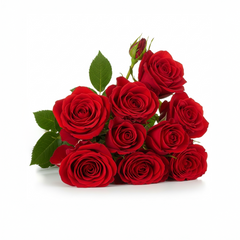
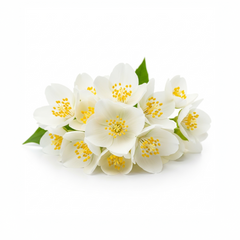
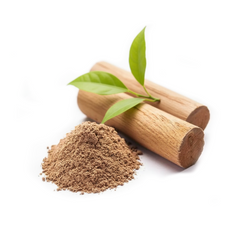
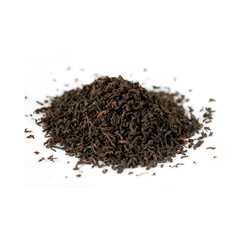
Chinese Osmanthus has inspired a lineage of fragrances that showcase its apricot, suede, and tea-like facets. Jean Patou’s 1000 (1972, Jean Kerléo) was among the first Western fragrances to feature osmanthus absolute, pairing it with rose, jasmine, and sandalwood as a luminous heart note. Hermès Osmanthe Yunnan (2005, Jean-Claude Ellena) elevated osmanthus to a starring role, blending it with Chinese tea, freesia, and apricot for a transparent, tea-inflected floral. Parfum d’Empire Osmanthus Interdite (2007, Marc-Antoine Corticchiato) explores the synergy of osmanthus with green tea, rose, and leather, emphasizing its dual fruity-leather character. By Kilian Good Girl Gone Bad (2012, Alberto Morillas) uses osmanthus as a bridge between tuberose, jasmine, and amber, lending a honeyed, peachy warmth. More recently, To Summer Osmanthus 颐和金桂 (2021, David Huang) highlights the note’s cultural roots, pairing it with peach, jasmine tea, and amber for a poetic evocation of autumn in Beijing.
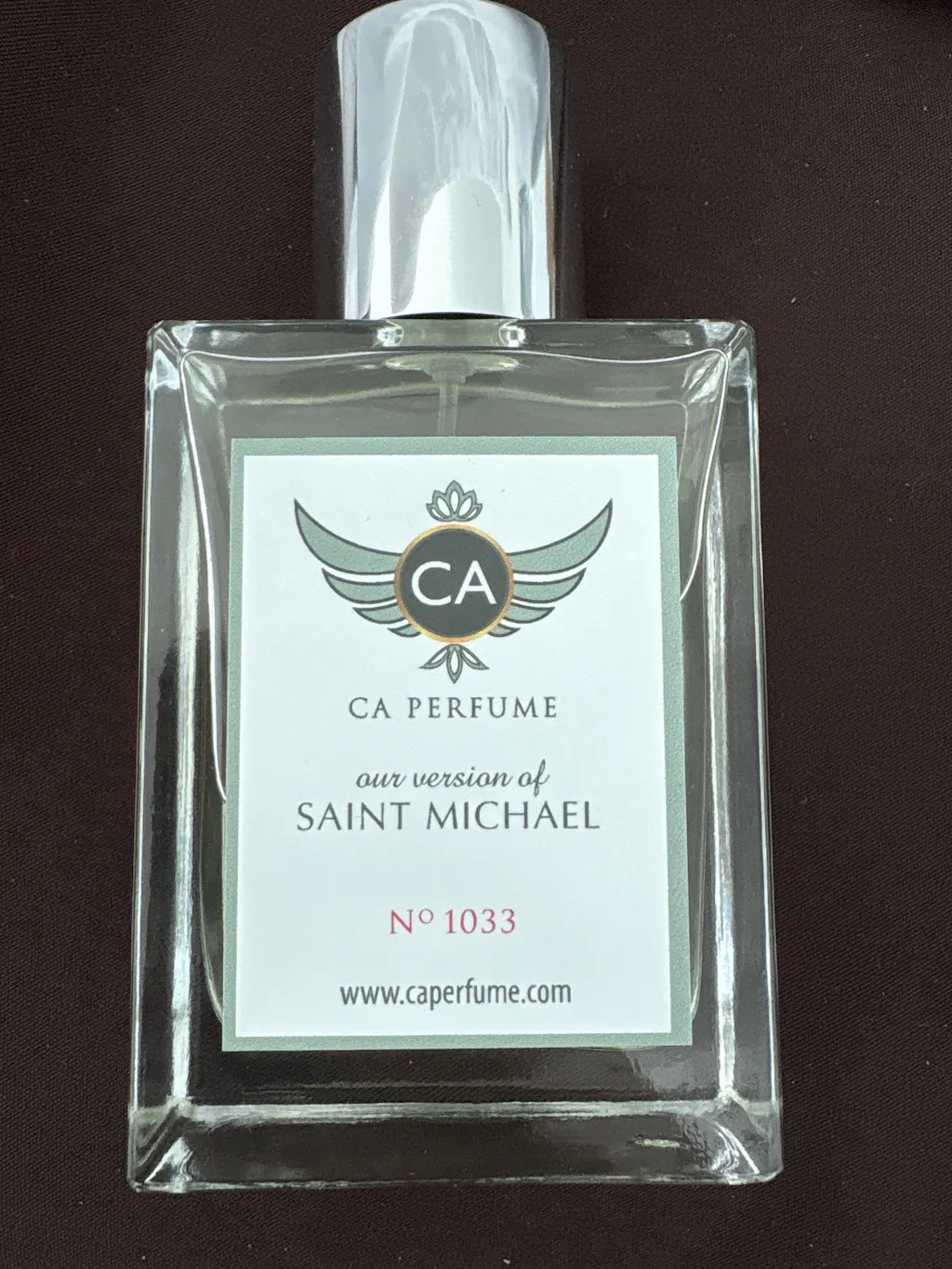
These fragrances illustrate the versatility of Chinese Osmanthus—as a dominant note, a bridge, or a subtle accent—across floral, fruity, and leather-amber structures. CA Perfume’s collection draws on this lineage, offering both soliflore and blended interpretations that honor the ingredient’s heritage and complexity.
Natural vs Synthetic Chinese Osmanthus in Perfumery
Natural Chinese Osmanthus absolute is chemically complex, with major constituents including delta-decalactone (CAS 705-86-2), gamma-decalactone (CAS 706-14-9), (E)-linalool oxide furanoid (CAS 1365-19-1), and alpha-ionone (CAS 127-41-3). Synthetic osmanthus accords are typically constructed from combinations of these molecules, along with beta-ionone (CAS 14901-07-6), dihydro-beta-ionone, and cis-jasmone (CAS 488-10-8). These synthetics replicate the apricot, peach, and suede-leather nuances of the natural absolute, but often lack the full textural complexity and nuanced evolution on skin.
Performance-wise, synthetic osmanthus accords offer greater batch-to-batch consistency, improved stability, and lower allergen content. However, natural absolute exhibits greater tenacity (up to 400 hours at 100% concentration) and a more dynamic evolution due to its broader spectrum of minor constituents. Cost is a major differentiator: natural absolute ranges from $4,000–$8,000/kg, while synthetic blends are $50–$200/kg. Notable fragrances using natural osmanthus include Hermès Osmanthe Yunnan and Parfum d’Empire Osmanthus Interdite, while many mainstream and niche compositions rely on synthetic reconstructions for affordability and IFRA compliance.
Sustainability is a growing concern, as wild osmanthus populations are at risk from overharvesting. Biotechnological production of key aroma molecules and HumanSafe™ verified sourcing platforms are increasingly used to ensure traceability and minimize environmental impact. CA Perfume’s HumanSafe™ platform transparently documents the source, allergen content, and sustainability profile of each osmanthus batch used.